
In corn processing, the quality of the final product—whether starch, ethanol, or food-grade flour—starts with the first few meters of the production line. Corn purification equipment, including rotary screens, magnetic separators, and aspirators, removes impurities that can damage machinery and degrade product consistency. Over more than fifteen years planning integrated agricultural and food processing systems, I have seen how a well-designed purification stage directly improves downstream yields and extends equipment life. This article explains how each type of equipment works and how to integrate them for reliable, efficient processing.
Corn Purification Directly Impacts Processing Efficiency
Raw corn arrives with a wide range of foreign materials: sticks, stones, metal fragments, dust, and broken kernels. When these materials enter milling, fermentation, or starch extraction systems, they cause wear on grinding plates, clog pumps and pipelines, and introduce contaminants that compromise final product quality. A purification stage that effectively removes these impurities before the corn reaches downstream equipment is one of the simplest ways to reduce maintenance costs and improve overall plant performance.
In our projects, we consistently find that plants with thorough corn purification achieve higher starch yields and fewer unplanned shutdowns. The purification sequence is typically the first step after receiving and before soaking or grinding. By capturing tramp metal, oversized debris, and light chaff at this stage, operators avoid carrying those problems into energy-intensive downstream processes. This is not just about cleaning corn; it is about protecting the entire investment in a processing line.
Rotary Screens Remove Bulk Impurities
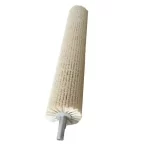
Rotary screens, also known as drum screens or scalpers, separate large particles, broken kernels, and coarse debris based on size. Corn flows into a rotating cylindrical screen with precisely sized perforations. Undersized fines and correctly sized kernels pass through while oversized material—cobs, large stones, stalks—is retained and discharged separately. The gentle tumbling action limits kernel breakage, an important factor when downstream processes require whole kernels for wet milling or steeping.
Screen opening size is selected according to the required final particle size distribution. For corn destined for starch production, a 6 to 8 mm opening is common; for feed or ethanol, larger openings may be acceptable. Rotary screens with self-cleaning brushes or scrapers reduce blinding from moist fines and keep throughput steady.

Magnetic Separators Capture Metal Fragments
Ferrous metal contamination—nails, bolts, iron filings from harvesting equipment or conveyor systems—poses a particular risk to hammer mills, roller mills, and centrifuges. Magnetic separators placed at strategic points in the line capture these fragments before they reach sensitive machinery. Overband magnets, magnetic drums, and magnetic plate separators each have distinct application zones: an overband magnet above a belt conveyor catches tramp iron from a flowing stream of corn; a magnetic drum at the head of a conveyor removes metal that clings to the grain surface.
The magnetic strength and design depend on the flow rate and the expected iron load. In lines I have assessed, installing a magnetic separator ahead of the fine grinding stage reduced mill component replacement by eliminating the small metal particles that accelerate wear on grinding surfaces. Routine cleaning of the magnet surface is necessary to maintain capture efficiency.
| Separator Type | Typical Use | Magnetic Strength (Gauss) | Maintenance Interval |
|---|---|---|---|
| Overband Magnet | Above conveyor, bulk flow | 1500–2000 | Weekly visual check |
| Magnetic Drum | Head pulley on belt | 2000–3000 | Monthly cleaning |
| Magnetic Plate | Chute or hopper | 3000–5000 | Daily or every shift |
Aspirators Eliminate Light Impurities
Aspirators use controlled airflow to remove dust, husks, loose chaff, and other light impurities that rotary screens and magnetic separators miss. Corn enters an airflow chamber where upward air velocity is set just below the terminal velocity of a whole kernel. Heavy, good kernels fall through while lighter particles are lifted into the airstream and carried to a collection point.
Counterflow aspirators, where corn and air move in opposite directions, achieve a sharp separation with minimal dust recirculation. Adjusting air velocity is the primary control parameter; too high and you lose quality kernels, too low and light trash remains. Moisture content affects separation: wet corn clumps together and requires higher air velocity, while very dry corn may produce excessive dust that challenges filtration systems.
Choosing the right combination of purification equipment depends on your specific corn quality and production goals. If your input corn contains a high proportion of fines or metal fragments, we can help define the correct equipment sequence. Reach out at [email protected].
Integrating Purification Equipment for Maximum Performance
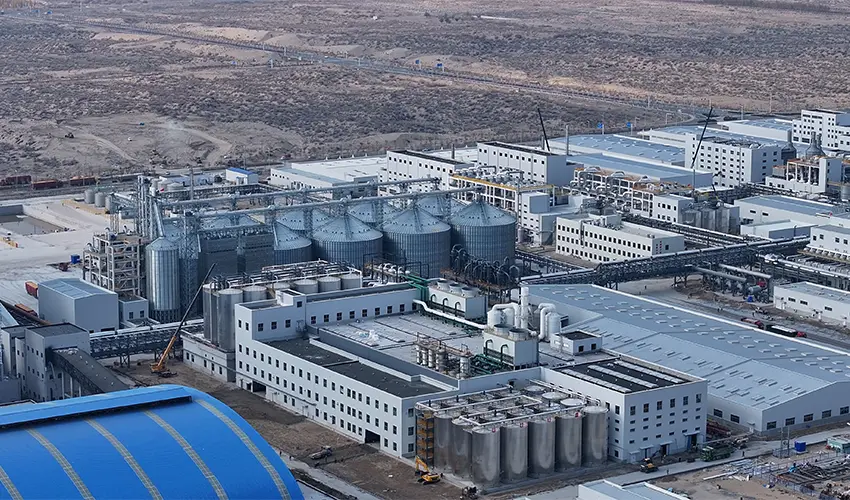
The three equipment types work best in a defined order: a rotary screen first removes coarse oversize material, then a magnetic separator captures tramp metal, and finally an aspirator extracts light dust and chaff. This sequence protects each subsequent machine from being overwhelmed by material it is not designed to handle. Integrating the purification unit with material handling conveyors and central dust collection ensures a clean, continuous process.
Our team designs complete purification modules that slide into existing corn processing lines with minimal disruption, supporting the “corn – food – energy – feed” circular model we advocate. When sizing a purification system, we consider not only the peak capacity but also the surge handling required during high-volume campaigns. Automated control of screen speed, magnet cleaning, and aspirator airflow via a central PLC allows operators to adjust parameters as corn quality varies across batches.
Planning a High-Performance Corn Purification System
A purification system that is undersized or mismatched to the corn source will create a bottleneck that limits the entire plant. Conversely, over-engineering without accounting for real impurity loads ties up capital that could be better spent on downstream yield improvement. The right approach is to sample the incoming corn, characterize the typical foreign material profile, and then select equipment matched to that profile.
If you are designing a new corn processing facility or upgrading an existing line, share your production capacity and input corn characteristics with us. Our engineers will propose a purification system matched to your process. Contact us at [email protected] or call 010-8591 2286.
Key Questions About Selecting Corn Purification Equipment
What throughput can I expect from a rotary screen in corn cleaning?
Throughput depends on screen diameter, length, and perforation size. A 1.5 m diameter rotary screen with a 6 mm screen can typically handle 10 to 15 tonnes per hour of corn, but this varies with moisture content and debris load. For larger capacities, multiple units can be arranged in parallel. Sizing a screen correctly requires matching the effective screening area to the required throughput and desired separation efficiency.
Can magnetic separators remove non-ferrous metals from corn?
Standard magnetic separators target only ferrous (iron-based) metals. For non-ferrous metals such as aluminum or copper fragments, different technology like eddy current separators or optical sorters is needed. In most agricultural corn processing, ferrous metal is the dominant risk, so magnetic separation alone often is sufficient. If your raw material source includes non-ferrous debris, we can advise on supplementary separation stages.
How does high-moisture corn affect aspirator performance?
High-moisture corn tends to clump, which makes air classification less effective because light impurities adhere to the kernel surface. Increasing air velocity can overcome this to some degree, but very wet corn (above 20% moisture) often requires an additional drying step before aspiration. In the systems we configure, we typically position aspirators after any drying stage to operate on corn with consistent moisture content.
Is it necessary to use all three types of purification equipment?
Not every plant requires all three, but most benefit from some combination. A rotary screen is nearly always recommended to remove large objects that could block conveyors. A magnetic separator protects grinding equipment and should be included in any line where metal contamination is possible. An aspirator is most valuable when the final product—such as food-grade starch or high-purity ethanol—requires low dust levels. For a specific proposal tailored to your processing requirements, share your part number and quantity details at [email protected].
If you’re interested, check out these related articles:
Driving Global Food Conservation Through Technological Innovation