
Producing anhydrous ethanol economically at scale demands more than a distillation column and a zeolite bed. In my fifteen years planning integrated agri-food systems, I have seen too many projects where the dehydration step becomes the bottleneck—not because the technology is flawed, but because it was selected in isolation from the plant’s overall energy and mass balance. This article outlines how a properly integrated multi-column distillation train, coupled with pressure swing adsorption (PSA) molecular sieve dehydration, can simultaneously reduce steam consumption, improve ethanol recovery, and unlock by-product revenue streams. The goal is to turn the dehydration unit from a cost center into a value driver for corn ethanol plants, whether they produce fuel-grade, industrial, or beverage alcohol.
Why Dehydration Defines Ethanol Profitability
Simple distillation leaves ethanol at about 95% purity. The remaining water forms an azeotrope that cannot be removed by further rectification alone. Getting to 99.5%+ anhydrous ethanol requires a dedicated dehydration step, and the method chosen directly determines energy consumption, yield loss, and the plant’s eventual operating margin. In a typical corn ethanol plant, dehydration consumes 15–25% of total steam demand if not optimized. A poorly integrated system also bleeds ethanol into the vapor vent stream, cutting into the very product the facility exists to sell.
Beyond recovery rate, product specification dictates the dehydration approach. Fuel ethanol under ASTM D4806 tolerates sub-100 ppm water and requires denaturant addition. Pharmaceutical or electronic-grade ethanol demands single-digit ppm moisture and strict control of trace contaminants. This is where molecular sieve technology pairs naturally with a multi-column distillation front end. It can deliver the purity target without the solvent-handling burden of azeotropic distillation, and it integrates cleanly into an overall plant heat cascade.
Multi-Column Distillation: Separating Water Efficiently
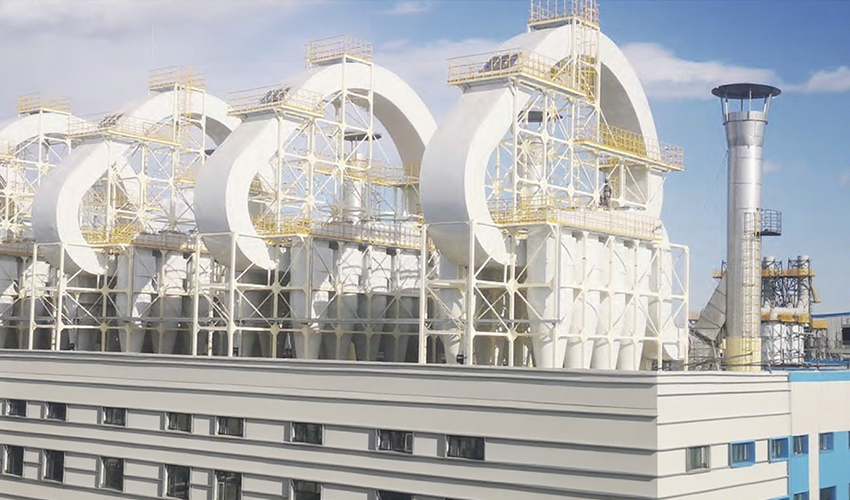
The distillation train in a modern ethanol plant rarely consists of a single column. A practical configuration includes a stripping column, a rectifier, and an aldehyde column, sometimes followed by a fusel oil decanter. The multi-column setup avoids the huge reflux ratios a single column would need to approach azeotrope composition, and it produces side-streams that can be purified or recycled. In our engineering work at AGRIFAM, we typically configure the system so that the overhead vapor from one column provides reboiler duty to a downstream column, cutting live steam consumption by 25% or more compared with a stand-alone column of equivalent throughput.
This inter-column heat exchange is not a theoretical ideal; we specify it as standard in our EPC scope, using pinch analysis to match heat sources and sinks at the design stage. The result is a distillation train that operates at 2.2–2.8 kg steam per liter of absolute ethanol, depending on feedstock quality and ambient conditions. To put that in perspective, older plants often run at 3.5–4.0 kg/liter. Multi-column integration alone shaves 20–30% off the energy bill.
Molecular Sieve Dehydration: The PSA Advantage
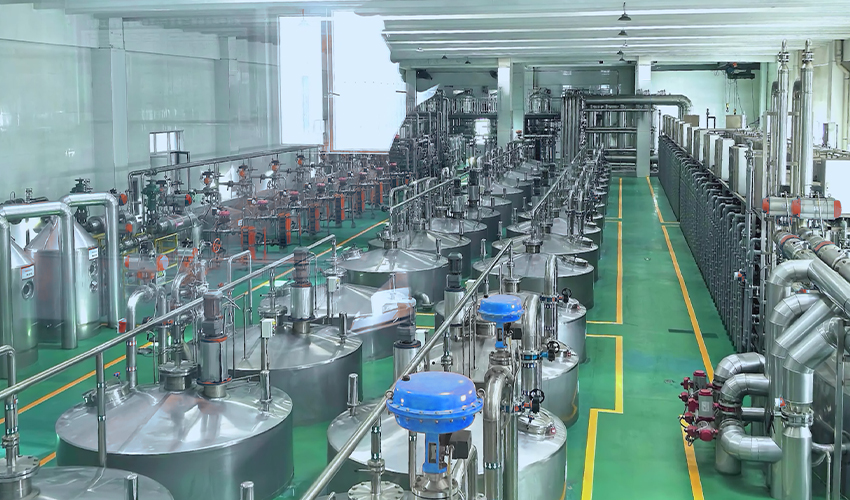
Once the rectified spirit reaches roughly 95% ethanol, the remaining water is removed in a pressure swing adsorption unit packed with zeolite molecular sieve. The typical commercial system uses 3A zeolite pellets, which selectively adsorb water molecules while excluding ethanol. The process cycles between adsorption at elevated pressure (2–3 bar) and regeneration under vacuum or low-pressure steam. Because the sieve is regenerated in situ without chemicals, the system produces no liquid waste and requires minimal operator attention.
We usually design the PSA unit as a two-bed or three-bed system, with cycle times tuned to the feed water content and target product dryness. A well-tuned three-bed system can achieve less than 50 ppm water while recovering over 99% of the inlet ethanol. The weak point is always the regeneration gas handling; poorly designed regeneration circuits allow ethanol to escape with the desorbed water vapor. We route the regeneration vapor back to the distillation section, recovering that ethanol and reusing the steam energy, which is where the synergy with multi-column distillation becomes tangible.
If your project involves tight product specs and energy cost targets, confirming the optimal coupling between distillation columns and the molecular sieve unit can change the plant’s NPV by double-digit percentages. Reach out to discuss your specific parameters: [email protected].
Energy Cascade and Circular Economy
Dehydration is not merely a purity step; it sits at the heart of the plant’s energy network. At AGRIFAM, we apply an energy cascade utilization strategy that captures distillation column overhead vapor, molecular sieve regeneration heat, and waste heat from the dryer exhaust to pre-heat cook water, drive evaporation, and even generate chilled water for process cooling. In practice, this integration can reduce overall thermal energy consumption by 25% relative to a non-integrated design.
The circular economy extends beyond energy. The stillage from the stripping column, instead of being a costly wastewater problem, feeds centrifuges and evaporators to produce distiller’s dried grains with solubles (DDGS), a high-protein animal feed. Carbon dioxide from fermentation is scrubbed and liquefied into food-grade CO2. Biogas from anaerobic digestion of thin stillage returns methane to the boiler. The dehydration unit, far from being an isolated add-on, becomes part of a system that achieves near‑100% by-product revenue capture.
From Technology to Turnkey Plant: What to Expect from an EPC Partner
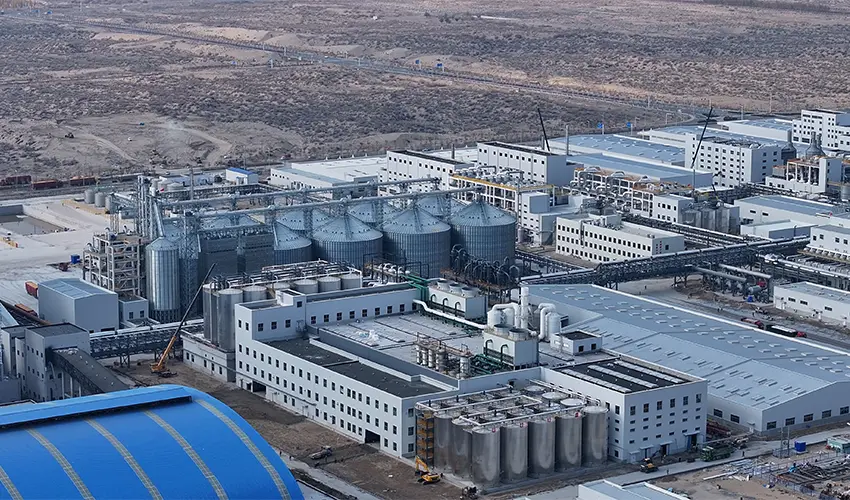
A dehydration process that looks optimal on a PFD can still fail in operation if the equipment, control logic, and integration scope are not delivered as a single coherent package. We have observed that the difference between a project that reaches nameplate capacity in four months and one that struggles for a year often lies in the commissioning handover. A proper EPC scope covers the full path: process design with validated heat and mass balance, equipment manufacturing and pre-assembly, on-site installation, DCS-based automation, and a structured performance test including water content, ethanol recovery, and steam consumption guarantees.
When selecting a partner, I recommend asking for plant-specific steam consumption guarantees tied to a performance test protocol, not generic brochure figures. Verify that the molecular sieve unit vendor has experience integrating regeneration vapor recovery with the distillation column heat balance. Check whether the scope includes the biogas and DDGS systems or whether those will be procured separately, because scattered procurement almost always adds integration cost later.
There is no universal “best” dehydration technology, but there is a technology that fits your feedstock, product slate, and utility cost structure. Getting the multi-column and molecular sieve architecture right at the feasibility stage removes the most common source of operational regret: an energy-intensive dehydration loop that was never designed to talk to the rest of the plant.
Common Questions About Ethanol Dehydration Technology
How dry can molecular sieve dehydration get the product?
Below 50 ppm water is routine for a properly sized PSA unit. For electronic-grade ethanol, single-digit ppm levels are achievable with guard beds and careful regeneration control, but those specs usually also require ultra-clean upstream distillation to eliminate metal ion carryover.
Is azeotropic distillation still a viable option?
It works, but we rarely recommend it for new plants. Azeotropic distillation using cyclohexane or benzene adds solvent storage, handling permits, and ongoing chemical costs. The energy consumption is roughly double that of modern molecular sieve PSA when integrated with a multi-column train. Retrofits sometimes retain an existing azeo unit; greenfield projects almost never.
What energy consumption target should a new plant aim for?
A well-integrated plant processing corn to anhydrous ethanol should target under 2.6 kg steam per liter of absolute ethanol, including distillation and dehydration. Achieving that requires multi-column heat integration, PSA regeneration vapor recovery, and dryer exhaust heat recovery. Bumping the target down to 2.2 kg is feasible with additional capital, such as mechanical vapor recompression, but the payback period needs site-specific utility pricing analysis.
How long does it take to go from feasibility study to commissioning?
For a corn ethanol plant with multi-column distillation and molecular sieve dehydration, expect 18–24 months for a 200,000‑ton/year facility if the engineering team is experienced and the permitting moves quickly. Bottlenecks are typically civil works and long‑lead items like the distillation columns and the molecular sieve vessels. Early engagement with an integrated EPC contractor compresses the timeline by parallelizing process design and procurement.
Does the same system work for food-grade alcohol and fuel ethanol?
The dehydration section is similar, but the upstream distillation and polishing steps differ. Food-grade alcohol requires additional aldehyde removal and often a hydro-selection column for impurity control, while fuel ethanol accepts more variability. We configure the multi-column train so that a single plant can produce either grade by switching product draws and adjusting reflux ratios, giving flexibility to serve both markets. Share your capacity requirements and target product specs with us and we will provide a process configuration feasibility review: [email protected] or call 010-8591 2286.
If you’re interested, check out these related articles:
Driving Global Food Conservation Through Technological Innovation