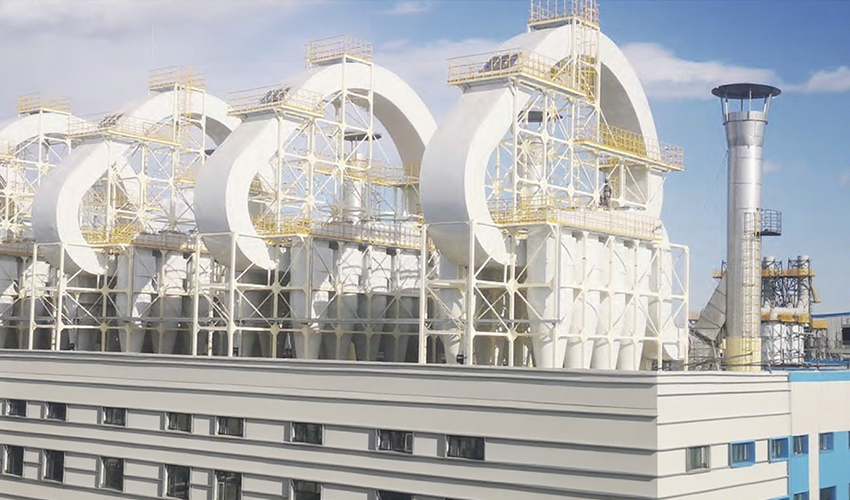

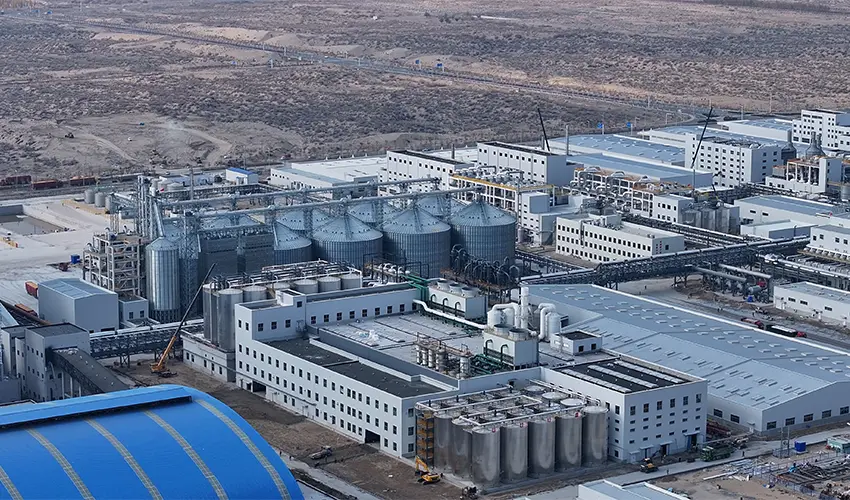
Grain deep processing technology now powers integrated systems that convert corn into fuel ethanol, edible alcohol, and biofuel co-products. Over fifteen years of planning agricultural projects, I have watched the industry standard move from isolated starch plants to closed-loop bio-refineries where every co-product has a revenue stream. For investors and procurement teams, the real question is how to configure a processing line that maximizes conversion rate, cuts energy use, and complies with multiple product grades simultaneously. At AGRIFAM, we deliver turnkey alcohol plants that run from corn intake through molecular sieve dehydration to DDGS and CO₂ recovery. This article explains the key process stages and the integration decisions that define long-term profitability.
How Grain Deep Processing Technology Converts Corn into Alcohol
Corn arriving at an alcohol plant is not a uniform commodity. Moisture, starch content, and foreign material directly influence downstream yields. The grain deep processing approach begins with cleaning and conditioning, then moves through a sequence of mechanical, enzymatic, and thermal stages that progressively liberate fermentable sugars and convert them into alcohol. What distinguishes modern integrated plants from earlier designs is that every side stream—fiber, protein, oil, carbon dioxide, and stillage—is captured and refined into a salable product.
The process chain typically follows six interconnected stages: corn reception and purification, milling, liquefaction and saccharification, fermentation, distillation and dehydration, and by-product handling. Each stage offers choices that affect the plant’s energy profile, product flexibility, and capital cost. The most profitable installations are those where these choices are made together during early engineering rather than optimized in isolation.
Grain Deep Processing Steps: From Corn Milling to Anhydrous Ethanol
Corn Milling and Purification
The milling method sets the baseline for starch recovery and by-product quality. Dry milling grinds whole corn into meal, producing a stream that divides into ethanol, DDGS, and CO₂ after fermentation. Wet milling separates corn into starch, germ, fiber, and protein before fermentation, opening high-value food and feed co-product routes. In projects I have evaluated, the choice between dry and wet milling hinges on local market demand for corn oil, corn gluten meal, and steepwater solids—not just ethanol output.
Liquefaction and Saccharification
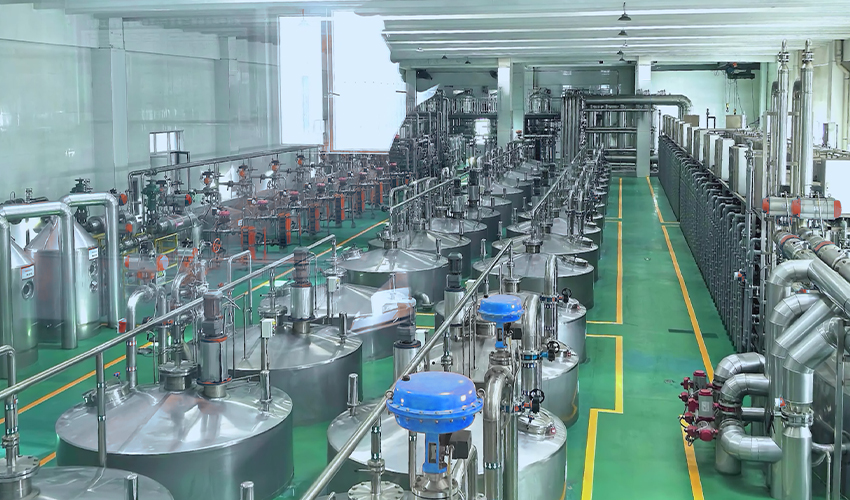
After milling, the starch slurry is heated with alpha-amylase enzymes to break long-chain molecules into shorter dextrins, then cooled and treated with glucoamylase to release fermentable glucose. Process control at this stage determines how much residual unfermentable carbohydrate remains and directly affects fermentation efficiency. We typically see a 5–7% variation in final ethanol yield between plants that control temperature, pH, and enzyme dosing tightly and those that run on fixed setpoints.
Continuous Fermentation
Yeast converts glucose into ethanol and CO₂ in large fermenters. Batch fermentation still operates in older plants, but new installations overwhelmingly adopt continuous or semi-continuous systems that maintain steady yeast health and reduce downtime between cycles. Yeast propagation management, nutrient dosing, and CO₂ stripping are all critical to sustaining a consistent ethanol concentration of 12–15% v/v entering the distillation train.
Distillation and Molecular Sieve Dehydration
Distillation recovers ethanol from the fermented mash through a series of columns—typically a beer column, rectifier, and side strippers—raising concentration to approximately 95% v/v. To reach the 99.5%+ required for fuel blending or anhydrous industrial use, the remaining water is removed by molecular sieve adsorption under pressure swing. This dehydration step achieves the low moisture levels needed for fuel ethanol standards and for pharmaceutical or electronic-grade alcohol specifications. Distillation column configuration and steam consumption here account for roughly half the plant’s total thermal energy use.
Maximizing By-Product Revenue Streams in Alcohol Plants
A grain alcohol plant that only sells ethanol leaves significant value unclaimed. Distillers grains, corn oil, liquid CO₂, and biogas together can represent 20–30% of total revenue when properly recovered and marketed.
| By-Product | Typical Output per Ton Corn | Commercial Use | Quality Driver |
|---|---|---|---|
| DDGS | 300–320 kg dry | Livestock and poultry feed | Protein >27%, low mycotoxins, consistent color |
| Corn Oil | 15–18 kg | Biodiesel feedstock, industrial | Free fatty acid <15%, low phosphorus |
| Food-Grade CO₂ | 280–300 kg liquid | Beverage carbonation, dry ice | Purity >99.99% (ISBT standard) |
| Biogas | 250–300 m³ from thin stillage | Steam generation, power | CH₄ >55%, H₂S <200 ppm |
Plants that install CO₂ recovery and purification systems, rather than venting fermentation gas, routinely cover the added capital within two to three years. Likewise, thin stillage sent to anaerobic digestion produces biogas that can displace 15–25% of the plant’s natural gas demand when integrated with waste heat recovery. In our projects, we treat the co-product processing train as a profit center with its own process flow diagram and control logic—not an afterthought bolted onto the ethanol line.
If your project involves multiple alcohol grades and co-product off-take agreements, it is worth confirming the plant layout that optimizes shared utilities—reach out at [email protected].
Reducing Energy Consumption Through Heat Recovery and Cascade Use
Thermal energy is the single largest operating cost in a grain alcohol plant. Distillation and dehydration account for the bulk of steam demand, but liquefaction, stillage evaporation, and DDGS drying also pull significant heat. Energy cascade utilization—where high-temperature heat from one process serves lower-temperature needs downstream—lowers total steam consumption by 20–25% compared with conventional designs that reject heat into cooling water.
Practical measures include reboiler condensate recovery, multi-effect evaporation for thin stillage, vapor recompression on the distillation columns, and using biogas from anaerobic digestion as boiler fuel. Plants designed with pinch analysis during front-end engineering achieve a level of heat integration that retrofits struggle to match. The AGRIFAM alcohol solution integrates these measures into a single engineering package that consistently delivers a 25% reduction in energy consumption relative to baseline configurations, with 100% by-product resource utilization and a circular economy model that closes the loop between corn, energy, and feed.
Building a Turnkey Alcohol Production Facility with Integrated Engineering
Investors and government agencies evaluating grain alcohol projects face a crowded field of equipment suppliers and technology licensors. The risk is not that any single unit fails, but that the interfaces between process steps—grain handling to fermentation, stillage to drying, biogas to steam—are poorly coordinated. A turnkey approach addresses this from the start by making one engineering team responsible for process design, equipment specification, civil works, automation, commissioning, and operator training.
At AGRIFAM, we have delivered complete alcohol production lines that start at feasibility study and proceed through environmental permitting, plant civil construction, equipment installation, DCS-based intelligent control, and performance testing. The Alcohol solution in our product portfolio covers fuel ethanol, medical alcohol, and edible neutral alcohol production under one integrated model, giving project owners the flexibility to serve multiple markets from a single site. Commissioning includes trial runs against ASTM, EN, and Chinese national standards so that production quality is verifiable from the first batch.
If you are planning a new grain alcohol facility or upgrading an existing starch plant to fuel ethanol, share your target capacity, corn quality, and desired product grades. We will provide a preliminary process flow layout and budget framework. Contact us at 010-8591 2286 or [email protected].
Common Questions About Grain Deep Processing and Alcohol Production
What corn-to-ethanol conversion rate can a well-designed plant achieve?
A properly engineered dry-mill plant converts one metric ton of No. 2 yellow corn with 14% moisture into 400–420 liters of anhydrous ethanol. Wet-mill configurations yield slightly less ethanol per ton because starch is also diverted to co-products, but the total revenue per ton is often higher. Realistic yield projections must account for starch content variability, enzyme efficiency, and fermentation completeness. I recommend planning on 395–410 liters per ton until local corn quality data confirms a higher baseline.
Is it true that a single plant cannot produce both fuel-grade and food-grade alcohol?
It depends on the upfront process design. With segregated post-distillation handling, polishing columns, and dedicated storage, a single fermentation and distillation train can supply both 99.5% fuel ethanol and 96% neutral edible alcohol. The distinction lies in final purification and handling systems—stainless steel versus carbon steel, clean-in-place capability, and analytical controls for methanol and fusel oil limits. Building this flexibility from the start costs more in equipment but expands market access substantially.
How are DDGS and CO₂ usually marketed, and what margins do they bring?
DDGS is sold into domestic and export feed markets, typically priced as a percentage of corn value. High-protein, low-mycotoxin DDGS commands a premium, especially in Southeast Asia poultry and aquaculture feeds. Food-grade CO₂ moves through regional gas distributors under annual off-take contracts; the price depends on local beverage industry demand. In several plants I have worked with, co-product revenue trimmed the ethanol production payback period by nearly two years. The margin is real, but only when quality control is treated as a co-product discipline rather than an afterthought.
What construction timeline should I expect for a turnkey alcohol plant?
For a 100,000-ton-per-year corn ethanol plant, we budget 18–24 months from contract signing to mechanical completion, with an additional three to four months for commissioning and performance trials. Permitting, environmental impact assessment, and financing often add six to eight months before construction begins. Site conditions, weather windows, and local utility connections are the most common schedule variables. If you are evaluating a specific site, share your corn quality and target capacities for a detailed feasibility assessment that includes a milestone schedule matched to your location.
If you’re interested, check out these related articles:
Driving Global Food Conservation Through Technological Innovation