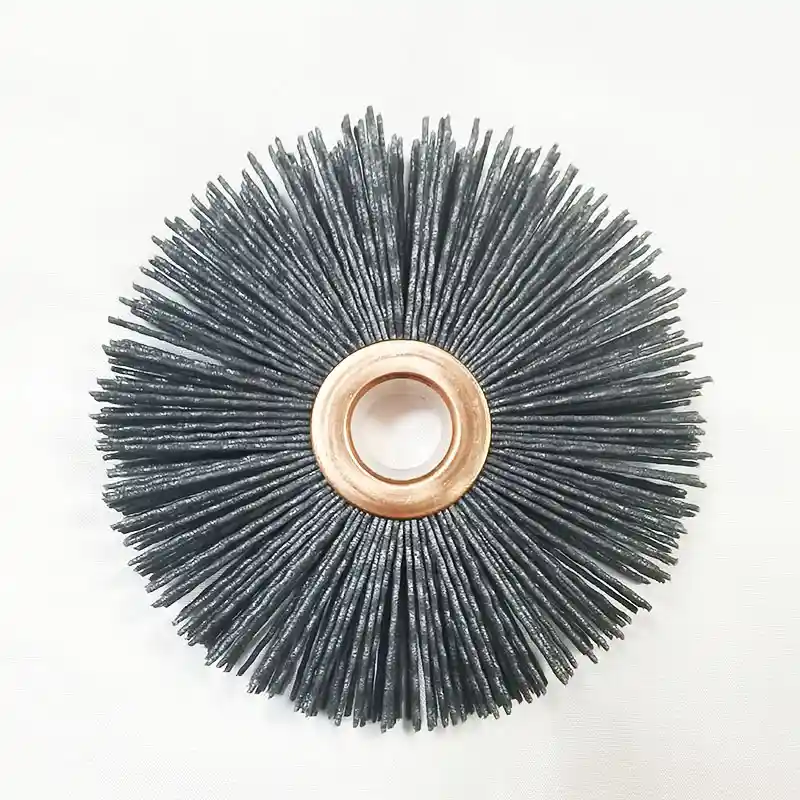

For anyone who has spent time on a fabrication shop floor, the difference between a brush that lasts a full shift and one that shreds in an hour comes down to how the wire is assembled. A knotted wire wheel brush is not simply a bundle of wires spun around a hub. The wires are twisted into tight knots that concentrate impact force at the workpiece surface, and the quality of that twisting determines whether the tool removes heavy rust and slag efficiently or throws wire fragments across the bay. In our manufacturing experience, the gap between a generic brush and one engineered for sustained production use is often invisible to the buyer until the first hour of operation.
Knotted Wire Wheel Brush Construction and Knot Design
The defining feature of a knotted wire wheel brush is the twisted knot itself. Each knot consists of multiple wires wound together at a controlled tension, then anchored into a metal cup or wheel hub. The number of knots, wire count per knot, and twist density directly affect how much impact the brush delivers. More knots packed onto the face create a denser brush that smooths out contact but generates more heat. Fewer, larger knots produce an aggressive cut that strips material quickly but can leave a rougher finish on thin substrates.
Wire diameter also changes the brushing action. A 0.5 mm carbon steel wire removes most rust and paint effectively, but in applications where heavy slag from oxyfuel or arc gouging needs to be broken off, we have specified 0.8 mm or even 1.0 mm wire for our OEM clients. These heavier wires resist buckling under high pressure, which means the brush keeps cutting instead of deflecting. The tradeoff is that a stiffer brush requires more careful control of angle grinder speed and pressure to avoid gouging the base metal.
Wire Material Selection for Heavy Rust and Slag
Carbon steel wire is the standard for knotted wire wheel brushes and accounts for the majority of what we supply to metal fabrication shops. It cuts aggressively, tolerates high temperatures from friction, and costs less than other options. For general structural steel preparation before painting or welding, carbon steel works well.
Stainless steel wire fills a different need. When a job involves stainless steel workpieces that must remain free of carbon contamination to prevent corrosion, we recommend stainless steel knotted wire brushes. The difference is not simply substituting one wire alloy for another. Stainless wire is typically softer than carbon steel, so a brush specified for stainless may need a slightly larger wire diameter or a higher knot count to achieve the same removal rate. In practice, this means a stainless knotted wheel will wear faster than a carbon steel wheel used on the same material, so procurement teams should factor in replacement frequency when costing out a stainless wire program.
Brass wire wheels exist, but we rarely see them in heavy rust or slag removal. Their niche is non-sparking cleaning in environments where steel-on-steel friction presents a safety hazard. For the kind of thick, baked-on rust and weld slag that a knotted brush is meant to handle, brass simply does not have the abrasion resistance to last.
Performance Factors: RPM, Balance, and Brush Life
Every knotted wire wheel brush carries a maximum RPM rating that must be respected. Running a brush above its rated speed is not just a safety violation. It throws the wire tips outward under excessive centrifugal force, flattening the knot profile and reducing the brush’s ability to cut. The brush appears to be spinning normally, but the effective working diameter has changed and the wire ends are now striking the surface at the wrong angle. The result is a brush that produces more heat than material removal, and it fails sooner than it should.
Dynamic balance matters just as much as speed rating. A poorly balanced wheel introduces vibration that transfers directly to the operator’s hands and to the grinder bearings. Over an eight-hour shift, that vibration translates into operator fatigue and lost productivity. In our production process, we balance every knotted wheel after assembly, and we have seen cases where a customer switching from an unbranded import to a balanced factory wheel reported a noticeable reduction in grinder maintenance costs over a six-month period.
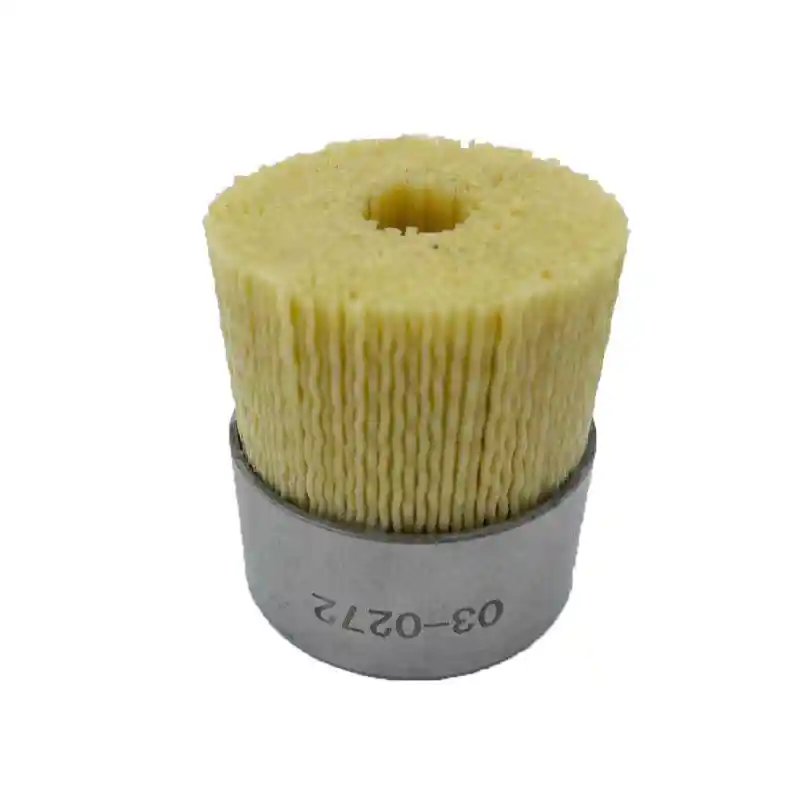
Brush life is difficult to predict with a single number because it depends on contact pressure, workpiece material, and operator technique. Wire wheel brushes wear through a combination of abrasive loss, wire fatigue, and occasional wire breakage. Using excessive pressure accelerates all three modes. The operator who leans into the grinder thinking more force equals faster cleaning is usually going through brushes twice as fast as one who lets the brush’s speed do the work. A light, consistent pressure with the brush rotated to present the knot tips at the correct attack angle extends life and produces a cleaner profile.
Knotted Wire Wheel Brush vs. Crimped Wire Wheel Brush
This comparison comes up in almost every customer conversation, because both brush types serve overlapping applications but deliver very different results. The table below summarizes the key distinctions.
| Factor | Knotted Wire Wheel Brush | Crimped Wire Wheel Brush |
|---|---|---|
| Wire formation | Twisted knots | Individual crimped wires |
| Cutting aggression | High | Low to moderate |
| Surface finish | Rougher, suited for prep before coating | Smoother, suitable for light blending |
| Typical uses | Rust removal, weld slag, heavy scale | Paint removal, light oxidation, polishing |
| Wire retention | Wires tend to stay in knot until fatigued | Loose wires can shed during use |
| Recommended for thin-gauge metal | Not recommended (risk of distortion) | Safer with light pressure |
The decision point is simply whether the primary goal is to remove heavy material or to condition a surface without altering dimensions. In a shipyard or structural steel fabrication plant, the knotted wheel is the right tool. In an automotive body shop where preserving the panel thickness matters, a crimped wire wheel or abrasive nylon brush is more appropriate. We have seen job sites where workers used knotted wheels on thin sheet metal and created heat warping within minutes, so the specification should be checked before procurement.
Custom Specifications and OEM Supply Considerations
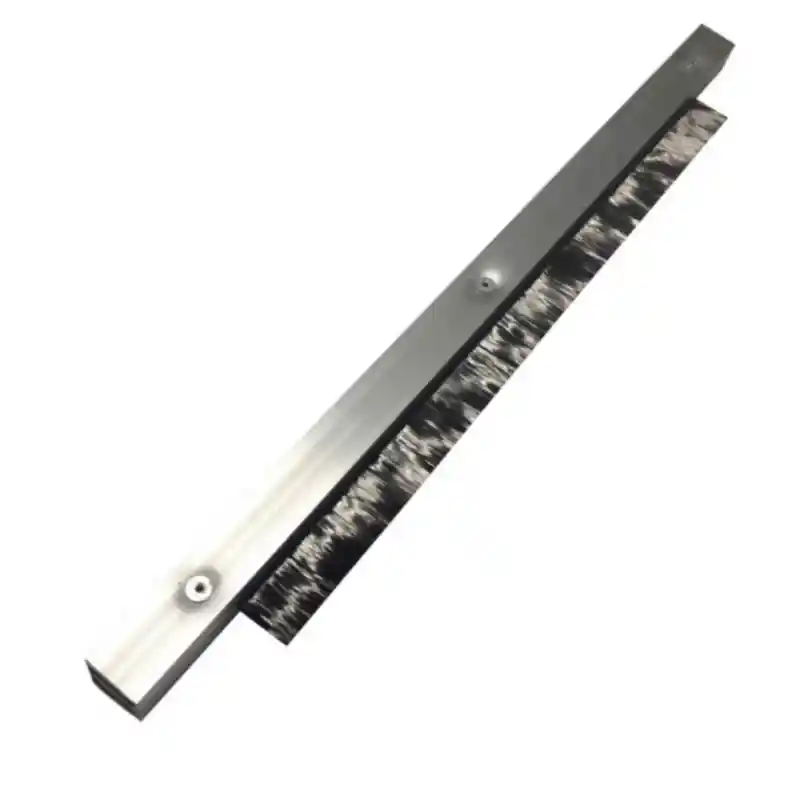
Standard catalog brushes satisfy many application needs, but when a brush is destined for a production line or an OEM assembly, specification details become important. The arbor hole diameter must match the machine shaft precisely. Common standard sizes include 5/8 inch, 3/4 inch, and 1 inch with keyway options, but many industrial machines use metric shafts that require custom boring. The brush diameter and face width affect the contact area and clearance, and these dimensions often need to be matched to the specific part geometry the brush will clean.
We regularly work with customers who supply a print or a sample of the workpiece, and we then recommend the wire diameter, knot density, and trim length that will clear the weld beads or scale without overcutting. The lead time for a customized knotted wire wheel brush from our Anhui factory is typically competitive because the tooling for wire twisting and knot forming is adaptable to different specifications without long setup changes.
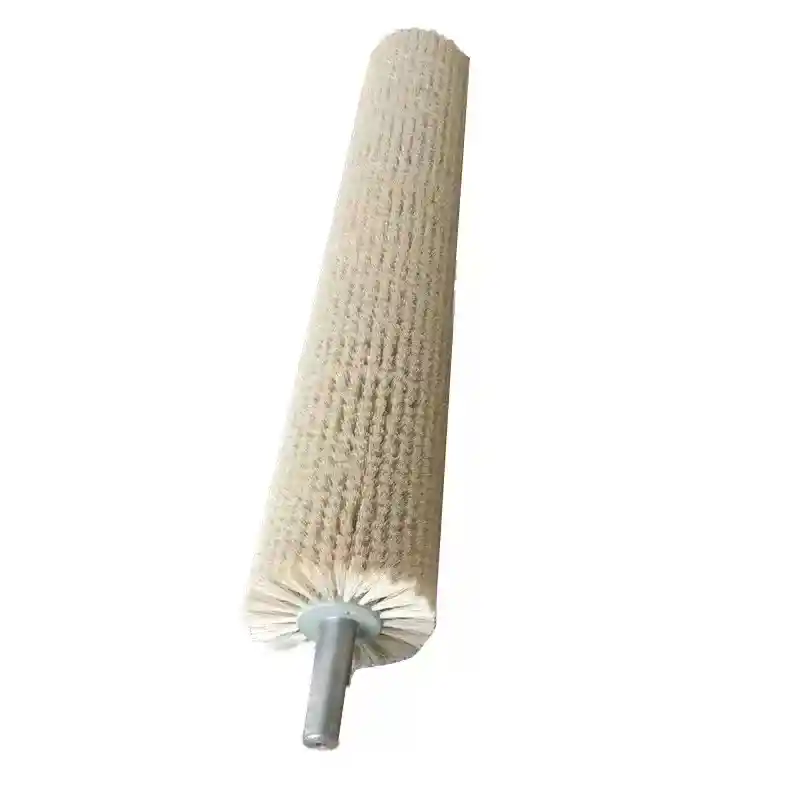
For procurement managers, the value of specifying a brush with a manufacturer rather than ordering a generic part number is that the brush can be tuned to the production process. A brush that removes slag too aggressively may damage root passes on multi-pass welds, while one that cuts too gently leaves residue that must be reworked. Working with a supplier that understands the balance between wire aggressiveness and workpiece protection often reduces the overall consumable cost, even if the per-brush price is slightly higher.
When the brush program includes large volumes or recurring orders, OEM branding and custom packaging are available. We supply brushes silk-screened with customer logos and loaded into retail-ready packaging for distributors, and the minimum order quantity for custom runs is lower than many buyers expect. If your application involves specific RPM limits, unusual arbor sizes, or a combination of materials that demand a non-standard wire alloy, it is worth confirming those requirements before finalizing your bill of materials. Reach out at [email protected] or call +86 1580 0932 713 to discuss your specifications, and we can quote based on your wire diameter, knot configuration, and ordering volume.
Common Questions From Brush Buyers and Engineers
How do I know if a knotted wire wheel brush is well-balanced?
A brush that is out of balance will cause noticeable vibration even at moderate RPMs when mounted on a grinder. In a production environment, this vibration shortens tool bearing life and fatigues the operator. A properly balanced brush runs smoothly with minimal hand-arm vibration. At our factory, every assembled wheel is dynamically checked before shipment. If you experience shaking on a new brush, it is likely a balance defect rather than an installation issue, and you should contact the supplier for a replacement rather than trying to use it under production conditions.
What wire diameter should I choose for welding slag?
Heavier slag from processes like flux-cored arc welding or carbon arc gouging usually calls for a wire diameter of 0.8 mm or larger to keep the wire from bending under the force needed to fracture the slag. For lighter MIG spatter or thin surface oxide, a 0.5 mm wire is usually sufficient and will leave a smoother surface. If you are unsure, start with a medium wire and observe whether the brush breaks the slag in a single pass or requires multiple passes to do the same work. That will tell you whether a diameter adjustment is needed.
Can I use a carbon steel knotted brush on stainless steel?
Technically, yes, but the iron particles from the carbon steel wire will embed in or smear onto the stainless surface, creating initiation sites for rusting. For any stainless part that will be exposed to weather or moisture, a stainless steel knotted brush is the correct specification to avoid cross-contamination. The cost difference is modest compared to the expense of reworking corroded components later. If your program includes both carbon and stainless steel workpieces, it makes sense to maintain separate brush inventories for each material to eliminate the risk of mixing them by mistake.
How long should a knotted wire wheel brush last?
The answer depends on contact pressure, material hardness, and whether the operator uses the face or the edge of the brush as the primary working surface. Under typical conditions in a fabrication shop, a well-made knotted brush working on structural steel can last between four and eight hours of continuous use. Using excessive pressure or running the brush above its rated RPM can cut that lifespan by more than half. We recommend keeping a usage log for the first few brushes on a new job to establish a realistic replacement interval for your specific application.
What arbor size do I need for my grinder?
The most common arbor sizes for angle grinders are 5/8 inch and M14, while bench grinders often use 1/2 inch, 5/8 inch, or 3/4 inch shafts. Before ordering, measure your grinder’s shaft diameter precisely and check whether the brush you plan to buy includes any adapter rings or bushings to accommodate different sizes. A loose-fitting brush can spin off-axis and become a safety hazard. If your production equipment uses a metric shaft size that does not match standard inch-based catalog brushes, we can quote a custom arbor at no added tooling charge on reasonable order volumes. Share your specifications and we will confirm compatibility before production begins.Knotted Wire Wheel Brush: Heavy Rust & Slag Removal
For anyone who has spent time on a fabrication shop floor, the difference between a brush that lasts a full shift and one that shreds in an hour comes down to how the wire is assembled. A knotted wire wheel brush is not simply a bundle of wires spun around a hub. The wires are twisted into tight knots that concentrate impact force at the workpiece surface, and the quality of that twisting determines whether the tool removes heavy rust and slag efficiently or throws wire fragments across the bay. In our manufacturing experience, the gap between a generic brush and one engineered for sustained production use is often invisible to the buyer until the first hour of operation.
Knotted Wire Wheel Brush Construction and Knot Design
The defining feature of a knotted wire wheel brush is the twisted knot itself. Each knot consists of multiple wires wound together at a controlled tension, then anchored into a metal cup or wheel hub. The number of knots, wire count per knot, and twist density directly affect how much impact the brush delivers. More knots packed onto the face create a denser brush that smooths out contact but generates more heat. Fewer, larger knots produce an aggressive cut that strips material quickly but can leave a rougher finish on thin substrates.
Wire diameter also changes the brushing action. A 0.5 mm carbon steel wire removes most rust and paint effectively, but in applications where heavy slag from oxyfuel or arc gouging needs to be broken off, we have specified 0.8 mm or even 1.0 mm wire for our OEM clients. These heavier wires resist buckling under high pressure, which means the brush keeps cutting instead of deflecting. The tradeoff is that a stiffer brush requires more careful control of angle grinder speed and pressure to avoid gouging the base metal.
Wire Material Selection for Heavy Rust and Slag
Carbon steel wire is the standard for knotted wire wheel brushes and accounts for the majority of what we supply to metal fabrication shops. It cuts aggressively, tolerates high temperatures from friction, and costs less than other options. For general structural steel preparation before painting or welding, carbon steel works well.
Stainless steel wire fills a different need. When a job involves stainless steel workpieces that must remain free of carbon contamination to prevent corrosion, we recommend stainless steel knotted wire brushes. The difference is not simply substituting one wire alloy for another. Stainless wire is typically softer than carbon steel, so a brush specified for stainless may need a slightly larger wire diameter or a higher knot count to achieve the same removal rate. In practice, this means a stainless knotted wheel will wear faster than a carbon steel wheel used on the same material, so procurement teams should factor in replacement frequency when costing out a stainless wire program.
Brass wire wheels exist, but we rarely see them in heavy rust or slag removal. Their niche is non-sparking cleaning in environments where steel-on-steel friction presents a safety hazard. For the kind of thick, baked-on rust and weld slag that a knotted brush is meant to handle, brass simply does not have the abrasion resistance to last.
Performance Factors: RPM, Balance, and Brush Life
Every knotted wire wheel brush carries a maximum RPM rating that must be respected. Running a brush above its rated speed is not just a safety violation. It throws the wire tips outward under excessive centrifugal force, flattening the knot profile and reducing the brush’s ability to cut. The brush appears to be spinning normally, but the effective working diameter has changed and the wire ends are now striking the surface at the wrong angle. The result is a brush that produces more heat than material removal, and it fails sooner than it should.
Dynamic balance matters just as much as speed rating. A poorly balanced wheel introduces vibration that transfers directly to the operator’s hands and to the grinder bearings. Over an eight-hour shift, that vibration translates into operator fatigue and lost productivity. In our production process, we balance every knotted wheel after assembly, and we have seen cases where a customer switching from an unbranded import to a balanced factory wheel reported a noticeable reduction in grinder maintenance costs over a six-month period.
Brush life is difficult to predict with a single number because it depends on contact pressure, workpiece material, and operator technique. Wire wheel brushes wear through a combination of abrasive loss, wire fatigue, and occasional wire breakage. Using excessive pressure accelerates all three modes. The operator who leans into the grinder thinking more force equals faster cleaning is usually going through brushes twice as fast as one who lets the brush’s speed do the work. A light, consistent pressure with the brush rotated to present the knot tips at the correct attack angle extends life and produces a cleaner profile.
Knotted Wire Wheel Brush vs. Crimped Wire Wheel Brush
This comparison comes up in almost every customer conversation, because both brush types serve overlapping applications but deliver very different results. The table below summarizes the key distinctions.
| Factor | Knotted Wire Wheel Brush | Crimped Wire Wheel Brush |
|---|---|---|
| Wire formation | Twisted knots | Individual crimped wires |
| Cutting aggression | High | Low to moderate |
| Surface finish | Rougher, suited for prep before coating | Smoother, suitable for light blending |
| Typical uses | Rust removal, weld slag, heavy scale | Paint removal, light oxidation, polishing |
| Wire retention | Wires tend to stay in knot until fatigued | Loose wires can shed during use |
| Recommended for thin-gauge metal | Not recommended (risk of distortion) | Safer with light pressure |
The decision point is simply whether the primary goal is to remove heavy material or to condition a surface without altering dimensions. In a shipyard or structural steel fabrication plant, the knotted wheel is the right tool. In an automotive body shop where preserving the panel thickness matters, a crimped wire wheel or abrasive nylon brush is more appropriate. We have seen job sites where workers used knotted wheels on thin sheet metal and created heat warping within minutes, so the specification should be checked before procurement.
Custom Specifications and OEM Supply Considerations
Standard catalog brushes satisfy many application needs, but when a brush is destined for a production line or an OEM assembly, specification details become important. The arbor hole diameter must match the machine shaft precisely. Common standard sizes include 5/8 inch, 3/4 inch, and 1 inch with keyway options, but many industrial machines use metric shafts that require custom boring. The brush diameter and face width affect the contact area and clearance, and these dimensions often need to be matched to the specific part geometry the brush will clean.
We regularly work with customers who supply a print or a sample of the workpiece, and we then recommend the wire diameter, knot density, and trim length that will clear the weld beads or scale without overcutting. The lead time for a customized knotted wire wheel brush from our Anhui factory is typically competitive because the tooling for wire twisting and knot forming is adaptable to different specifications without long setup changes.
For procurement managers, the value of specifying a brush with a manufacturer rather than ordering a generic part number is that the brush can be tuned to the production process. A brush that removes slag too aggressively may damage root passes on multi-pass welds, while one that cuts too gently leaves residue that must be reworked. Working with a supplier that understands the balance between wire aggressiveness and workpiece protection often reduces the overall consumable cost, even if the per-brush price is slightly higher.
When the brush program includes large volumes or recurring orders, OEM branding and custom packaging are available. We supply brushes silk-screened with customer logos and loaded into retail-ready packaging for distributors, and the minimum order quantity for custom runs is lower than many buyers expect. If your application involves specific RPM limits, unusual arbor sizes, or a combination of materials that demand a non-standard wire alloy, it is worth confirming those requirements before finalizing your bill of materials. Reach out at [email protected] or call +86 1580 0932 713 to discuss your specifications, and we can quote based on your wire diameter, knot configuration, and ordering volume.
Common Questions From Brush Buyers and Engineers
How do I know if a knotted wire wheel brush is well-balanced?
A brush that is out of balance will cause noticeable vibration even at moderate RPMs when mounted on a grinder. In a production environment, this vibration shortens tool bearing life and fatigues the operator. A properly balanced brush runs smoothly with minimal hand-arm vibration. At our factory, every assembled wheel is dynamically checked before shipment. If you experience shaking on a new brush, it is likely a balance defect rather than an installation issue, and you should contact the supplier for a replacement rather than trying to use it under production conditions.
What wire diameter should I choose for welding slag?
Heavier slag from processes like flux-cored arc welding or carbon arc gouging usually calls for a wire diameter of 0.8 mm or larger to keep the wire from bending under the force needed to fracture the slag. For lighter MIG spatter or thin surface oxide, a 0.5 mm wire is usually sufficient and will leave a smoother surface. If you are unsure, start with a medium wire and observe whether the brush breaks the slag in a single pass or requires multiple passes to do the same work. That will tell you whether a diameter adjustment is needed.
Can I use a carbon steel knotted brush on stainless steel?
Technically, yes, but the iron particles from the carbon steel wire will embed in or smear onto the stainless surface, creating initiation sites for rusting. For any stainless part that will be exposed to weather or moisture, a stainless steel knotted brush is the correct specification to avoid cross-contamination. The cost difference is modest compared to the expense of reworking corroded components later. If your program includes both carbon and stainless steel workpieces, it makes sense to maintain separate brush inventories for each material to eliminate the risk of mixing them by mistake.
How long should a knotted wire wheel brush last?
The answer depends on contact pressure, material hardness, and whether the operator uses the face or the edge of the brush as the primary working surface. Under typical conditions in a fabrication shop, a well-made knotted brush working on structural steel can last between four and eight hours of continuous use. Using excessive pressure or running the brush above its rated RPM can cut that lifespan by more than half. We recommend keeping a usage log for the first few brushes on a new job to establish a realistic replacement interval for your specific application.
What arbor size do I need for my grinder?
The most common arbor sizes for angle grinders are 5/8 inch and M14, while bench grinders often use 1/2 inch, 5/8 inch, or 3/4 inch shafts. Before ordering, measure your grinder’s shaft diameter precisely and check whether the brush you plan to buy includes any adapter rings or bushings to accommodate different sizes. A loose-fitting brush can spin off-axis and become a safety hazard. If your production equipment uses a metric shaft size that does not match standard inch-based catalog brushes, we can quote a custom arbor at no added tooling charge on reasonable order volumes. Share your specifications and we will confirm compatibility before production begins.
If you’re interested, check out these related articles:
what you know about brass wire brush strip
rope cleaning brush for industrial use a key tool for maintaining safe production
honing brush a magic tool for flexible burr removal
wire wheel brush the right assistant for industrial cleaning and polishing
advantage of hx cylindrical nylon brushes