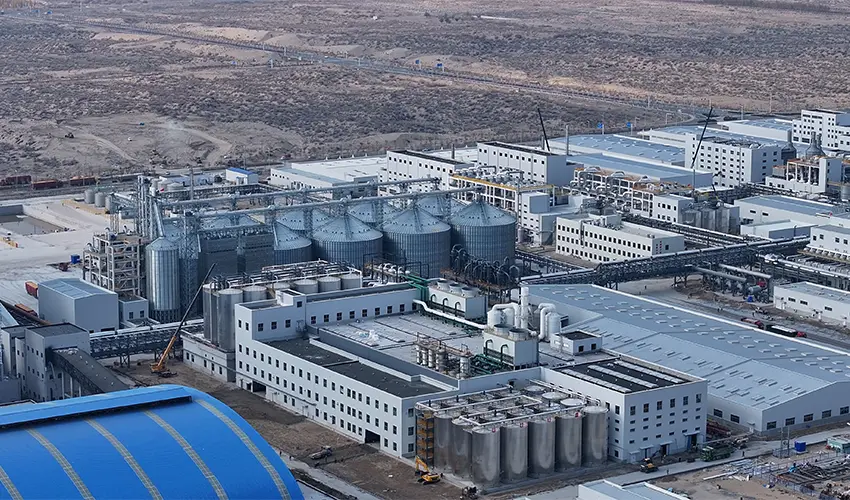

The quality of neutral edible alcohol delivered to your beverage plant is not determined at the final rectification column. It is shaped by decisions made at every step from grain storage to product shipment. For procurement managers and quality directors, knowing which production standards matter and how to verify them is the difference between a reliable supply chain and one that introduces risk. Neutral edible alcohol procurement requires a supplier that controls the full production chain, not just the distillation endpoint. I will explain what those standards are, how production choices affect the alcohol you receive, and how to evaluate suppliers against the requirements that matter most for food and beverage applications.
What Is Neutral Edible Alcohol and Its Role in Beverage Production?
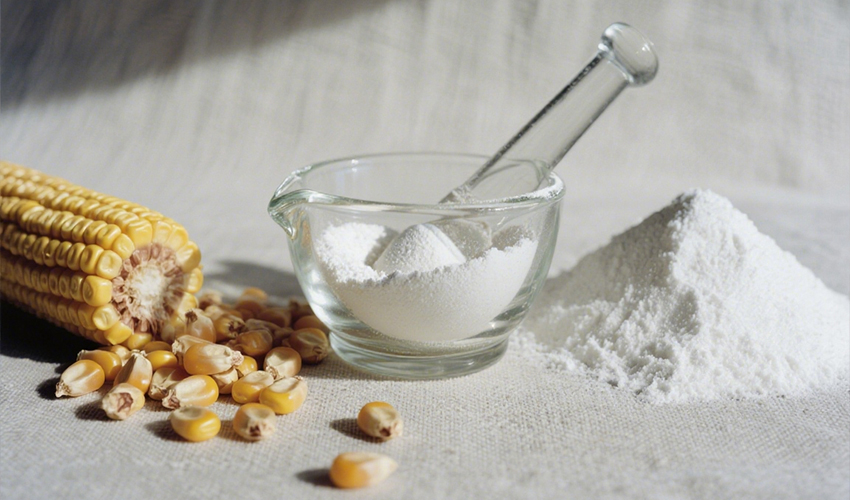
Neutral edible alcohol is a high-purity ethanol product, typically 96% alcohol by volume, refined to remove nearly all congeners, fusel oils, and flavor-active impurities. It is also referred to as extra neutral alcohol (ENA) or rectified spirit. The product serves as the base for a wide range of beverages: vodka, gin, liqueurs, flavored alcoholic drinks, and even as an extraction solvent for natural flavors. Any raw material that spoils the sensory profile of the final beverage is disqualifying, so the alcohol must present no aroma, no taste, and no color. The grain feedstock can be corn, wheat, barley, or other cereals, and the production chain must deliver a consistent, food-grade liquid batch after batch.
What Production Standards Apply to Food-Grade Alcohol?
Food safety regulations and spirit drink standards set strict limits for chemical impurities in neutral edible alcohol. The parameters receiving the most scrutiny are methanol, acetaldehyde, higher alcohols, total acids, and furfural. While exact limits vary by market, a producer aiming for broad international acceptance should design around the most stringent levels. The following table compares key impurity limits from three major regulatory frameworks.
| Parameter | EU (Reg. 110/2008) | US FDA (GRAS) | China (GB 31640) |
|---|---|---|---|
| Methanol | ≤ 10 g/hL p.a. | ≤ 200 mg/L | ≤ 150 mg/L |
| Acetaldehyde | ≤ 50 g/hL p.a. | Not specified | ≤ 50 mg/L |
| Higher Alcohols | ≤ 100 g/hL p.a. | Not specified | ≤ 100 mg/L |
| Total Acids (as acetic acid) | ≤ 20 g/hL p.a. | Not specified | ≤ 30 mg/L |
| Furfural | ≤ 5 g/hL p.a. | Not specified | Not specified |
Beyond chemical numbers, organoleptic requirements are equally binding. A neutral spirit must be clear and bright, free from visible particles, with no detectable odor besides a faint ethanol note. Sensory panels trained to detect off-notes from raw grains, fermentation stress, or distillation faults are a frontline quality gate that no certificate of analysis replaces.
How Do Process Decisions Affect the Quality of Neutral Alcohol?
The alcohol’s final purity is the sum of upstream choices. Corn arriving at the plant with mycotoxin contamination, for example, can introduce compounds that distillation cannot fully remove. The milling and starch liquefaction stages must achieve complete gelatinization without creating burnt residues. Fermentation temperature control and yeast health determine the spectrum of higher alcohols produced, and a single upset batch can leave a persistent ethyl acetate note that ruins an otherwise clean run.
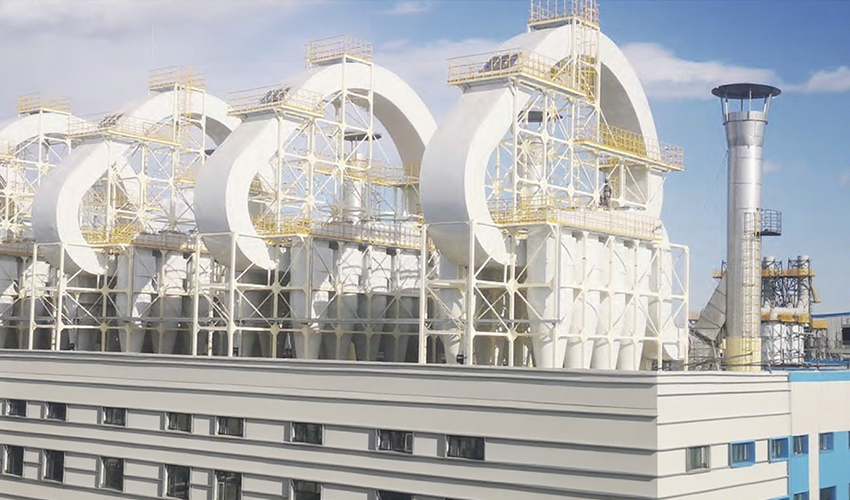
Distillation in a multi-column system separates the volatile fraction. Proper operation means taking reliable heads and tails cuts, actively managing reflux ratios, and maintaining column hygiene to prevent fouling. The dehydration step, usually by molecular sieve adsorption, then lifts the alcohol to its final concentration. In my experience working on grain-to-alcohol projects in China, the plants that consistently meet food-grade specifications are those where process integration is treated as a design principle from day one. When grain cleaning, milling, fermentation, distillation, and dehydration are engineered as one continuous system rather than connected islands, the opportunity for contamination between stages drops sharply. Agrifam’s alcohol EPC solutions apply this integrated approach, with closed-loop water systems and energy cascade design that stabilizes process conditions across the entire run.
How Can You Evaluate a Supplier’s Production Chain?
Auditing a neutral alcohol supplier requires looking past the finished product certificate of analysis. Food safety certifications tell you which management systems are in place. At minimum, expect ISO 22000 or FSSC 22000, plus HACCP plans covering raw material intake through loading. Ask to see the cleaning validation records for the CIP system and the sampling frequency at intermediate process points, not just the final tank. If the supplier cannot show you how they trace a bag of corn to a specific distillation batch, you are accepting unknown risk.
Another signal of process maturity is whether the production line was delivered as a turnkey integrated plant. When a single engineering team designs the corn handling, starch conversion, fermentation, distillation, dehydration, and byproduct recovery, the resulting consistency is a structural advantage, not a coincidence of good operating habits. If your program involves custom specifications such as a methanol ceiling below 50 mg/L or a requirement for organic feedstock, it is worth confirming whether the process can deliver that outcome reliably across harvest seasons. Reach out at [email protected] or call 010-8591 2286 to discuss your requirements with a technical team.
What Factors Should a Procurement Team Consider for Integration?
Bringing neutral edible alcohol into a beverage supply chain involves more than a purchase contract. Bulk delivery usually means dedicated stainless steel tankers, and the shipping equipment must be cleaned and inspected to the same standard as the storage tanks at the production facility. Many markets impose excise tax obligations on the alcohol before it is used in a finished beverage, so the import documentation must precisely match the shipment’s chemical profile to avoid customs delays. Quality agreements should define not only the spec but the response protocol for an out-of-spec result: who pays for the return, how the investigation is conducted, and what corrective action triggers a requalification audit.
Long-term supply stability is another variable that procurement teams sometimes overlook. A supplier that relies on a single grain source is exposed to regional weather and price swings. The more resilient approach is a partner that can switch between corn, wheat, and barley origins while maintaining the same sensory output, a capability that comes from deep process know-how and flexible front-end cleaning and milling design.
Securing a Consistent Supply of Neutral Edible Alcohol
Production interruptions caused by inconsistent alcohol quality carry a cost far beyond the rejected shipment. Every hour a bottling line stands idle because the incoming base alcohol failed sensory panel is an hour of lost revenue and damaged customer trust. The antidote is a supplier relationship built on verified process control rather than hope. Agrifam delivers complete alcohol production facilities that integrate grain reception, wet milling, continuous fermentation, multi-column distillation, molecular sieve dehydration, and byproduct recovery under one control philosophy. The result is a neutral edible alcohol stream that meets the tightest impurity limits, batch after batch.
To start a technical discussion about your neutral alcohol requirements, send your target specifications and annual volume to [email protected] or call 010-8591 2286. Our team will confirm the production standards, compliance documentation, and supply arrangements that fit your beverage operation.
Common Questions About Neutral Edible Alcohol Sourcing
What is the difference between neutral alcohol and fuel ethanol?
The critical separation is denaturing. Fuel ethanol is deliberately rendered unfit for human consumption by adding denaturants such as gasoline, isopropanol, or other approved bitterants. Neutral edible alcohol is never denatured and is produced under food-grade conditions from start to finish. The distillation and polishing steps for edible alcohol are also far more thorough, targeting sensory neutrality that fuel ethanol processes skip entirely.
How does neutral alcohol compare to vodka as a base spirit?
Vodka is a finished consumer product, while neutral edible alcohol is the high-purity ethanol base before dilution, filtration, and bottling. Vodka producers typically purchase neutral alcohol, dilute it with demineralized water, and then pass it through charcoal, activated carbon, or other filtration media to achieve the desired mouthfeel and subtle character. The neutral alcohol itself remains the raw material, and its initial purity determines how much downstream treatment is needed.
What is the typical shelf life of neutral edible alcohol?
In properly sealed, clean, stainless steel storage tanks, away from direct sunlight and temperature extremes, neutral edible alcohol has an effectively indefinite shelf life. The product is intrinsically hostile to microbial growth due to its ethanol concentration. The real threats are chemical contamination from a leaking tank lining or plasticizer migration from unsuitable gaskets and hoses, issues that are prevented by proper material selection and maintenance programs, not by expiration dates.
How can I ensure consistent quality across shipments?
Consistency comes from working with a supplier that controls the entire production chain. Request batch-specific certificates of analysis that include not just the final tank sample but also mid-process data points such as fermentation vigor and distillation column temperatures. When the supplier can show you that the operating envelope remained within tight bands for every batch, you have a basis for confidence beyond hoping the next analysis comes back clean.
What factors drive pricing for bulk neutral alcohol?
The largest cost component is the feedstock grain, so local corn, wheat, or barley prices set the baseline. Energy consumption for cooking, distillation, and dehydration forms the second largest variable. Additional costs arise from certifications needed for your target market, such as organic, kosher, or halal attestations, and from logistics if the production site is far from a port or blending facility. In our experience, the true cost of a lower-priced alcohol reveals itself only when inconsistent quality forces your team to manage rework, blending adjustments, or rejected batches. Sharing your budget and quality targets with us allows a frank discussion of where tradeoffs can and cannot be made. Send your requirements to [email protected] and we will confirm the process capabilities that match.
If you’re interested, check out these related articles:
Driving Global Food Conservation Through Technological Innovation