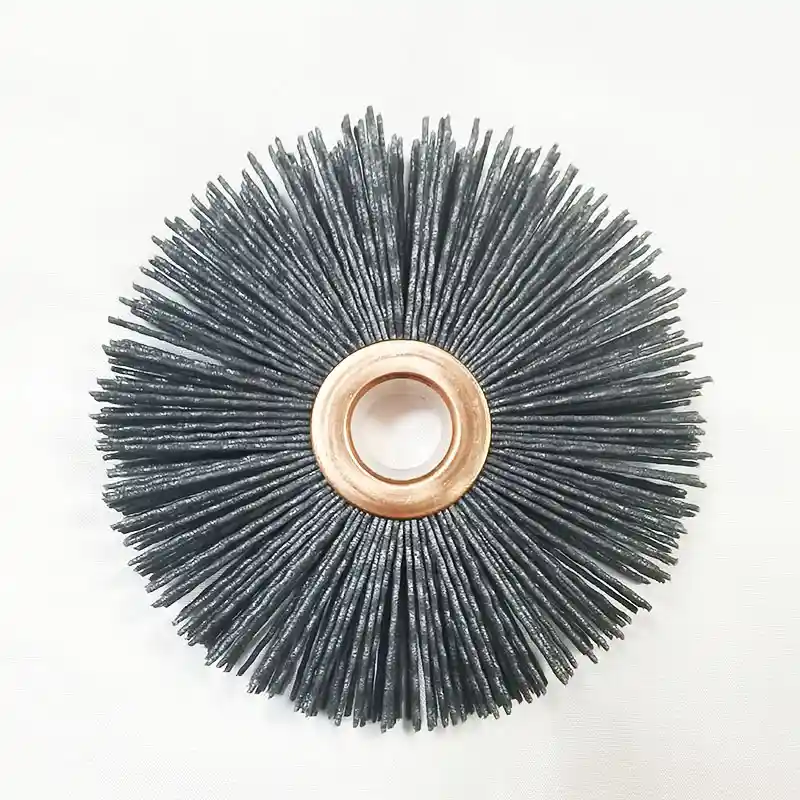

Working with nylon brushes across different production lines has taught me that the gap between “good enough” and “exactly right” often comes down to understanding what’s actually happening at the filament level. These tools show up everywhere in modern manufacturing—surface prep, cleaning, sealing—but choosing between abrasive and non-abrasive types, or picking the right nylon grade, can make or break a process. After 16 years of manufacturing these brushes at Shanghai Huixi Trading Co., Ltd., the patterns become clear. The details matter more than most people expect.
What Makes Abrasive Nylon Brushes Work for Surface Finishing
Abrasive nylon brushes handle the rough stuff. The filaments contain embedded abrasive particles—silicon carbide or aluminum oxide, typically—which means the brush itself becomes a cutting tool. This design makes them effective for deburring brushes, edge radiusing, and industrial polishing where you need to remove material, not just move it around.
The grit type controls how aggressive the brush behaves. Coarse grits take off material quickly but leave a rougher surface. Finer grits work slower but produce smoother results. Silicon carbide cuts faster on harder materials. Aluminum oxide lasts longer on softer metals. The choice depends on what you’re trying to achieve and what you’re working with.
Common applications include metal finishing, removing burrs from machined parts, and surface preparation before coating or painting. The abrasive filament and grit size directly determine how efficiently material comes off and what the surface looks like afterward.
Matching Grit and Filament to Your Specific Deburring Needs
Getting the specifications right prevents a lot of wasted time and ruined parts. Material hardness, desired surface roughness, and the specific task all factor into the decision.
Grit size numbers work counterintuitively for some people—larger numbers mean finer particles. A 320-grit brush produces a much smoother finish than an 80-grit brush. Filament diameter affects flexibility and cutting action. Thicker filaments hit harder. Thinner ones conform better to irregular surfaces.
Brush density matters too. More filaments per unit area means more contact points, which increases material removal rates for deburring applications. A fine grit silicon carbide brush with smaller diameter filaments works well for precision polishing. A coarser aluminum oxide brush with larger filaments handles heavy deburring.
| Abrasive Grit Type | Primary Application | Material Removal Capability | Typical Finish |
|---|---|---|---|
| Silicon Carbide | General Deburring, Light Finishing | Moderate to High | Fine to Medium |
| Aluminum Oxide | Heavy Deburring, Aggressive Cleaning | High | Coarse |
| Ceramic | High-Performance Finishing | Very High | Fine |
Non-Abrasive Nylon Brushes Handle Cleaning and Sealing Without Damage
Non-abrasive nylon brushes solve a different problem entirely. When surface integrity matters—when you cannot afford scratches or material removal—these brushes do the work without leaving marks.
The filaments are pure nylon with no embedded abrasives. They flex, they resist chemicals, and they move debris without altering what’s underneath. Dust removal from sensitive components, light scrubbing, conveyor belt cleaning—these tasks need a gentle touch.
sealing applications represent another major use case. Nylon brushes prevent dust ingress and manage airflow in machinery and enclosures. Electronics manufacturing, food processing (where food-grade brushes are required), and general industrial cleaning all rely on non-abrasive options. The goal is moving debris, applying coatings, or creating barriers without scratching delicate surfaces.
Why Confusing Abrasive and Non-Abrasive Types Causes Problems
The distinction seems obvious once you understand it, but the consequences of getting it wrong are real. Abrasive brushes remove material. Non-abrasive brushes move material. Using the wrong type in either direction creates problems.
An abrasive brush applied to a surface that needs gentle cleaning will scratch or damage it—sometimes irreversibly. A non-abrasive brush used for deburring simply won’t work. The burrs stay put. The process stalls.
Correct selection protects both the workpiece and the process. Industrial cleaning solutions depend on matching the brush to the actual requirement, not just grabbing whatever’s available.
Nylon Filament Grades Differ More Than Most People Realize
Nylon filaments come in several polymer types, and the differences affect real-world performance. PA6, PA6.6, and PA6.12 each bring distinct characteristics to the application.
PA6.6 handles higher temperatures and offers greater mechanical strength. It works well in demanding environments where heat builds up during operation. PA6 provides good flexibility and impact resistance at a lower cost. PA6.12 resists moisture absorption better than the others and maintains excellent flexibility even in humid conditions.
These brush filament materials determine how long a brush lasts and how well it performs. Synthetic bristles need to match the operating environment. A brush that works perfectly in a dry, cool setting may fail quickly in a hot, wet one.
| Nylon Filament Type | Key Properties | Temperature Resistance | Chemical Resistance |
|---|---|---|---|
| PA6 | Good flexibility, impact resistance | Moderate | Good (solvents, oils) |
| PA6.6 | High mechanical strength, wear resistance | High | Good (solvents, oils) |
| PA6.12 | Excellent moisture resistance, flexibility | Moderate | Very Good (acids, bases) |
How Filament Diameter and Crimping Change Brush Behavior
Beyond the polymer type, filament design choices shape how a brush actually works. Diameter controls aggressiveness. Finer filaments are softer and more flexible. Thicker ones hit harder and cut more aggressively.
Crimped filaments increase surface contact. The waves in the filament create more touchpoints, which makes them excellent for sweeping and light scrubbing. Straight filaments provide more direct action for precise tasks where you need the brush to go exactly where you point it.
Brush density—the number of filaments packed into a given area—affects both aggressiveness and wear resistance. Denser brushes provide more uniform contact and typically last longer. These choices directly affect brush performance, wear resistance, and overall brush life in industrial settings.
A Practical Approach to Selecting the Right Nylon Brush
Choosing the right nylon brush follows a logical sequence. Skip steps and you end up with a brush that sort of works instead of one that works well.
Start with the material being processed and the desired outcome. Deburring requires abrasive brushes. Cleaning or sealing requires non-abrasive ones. Polishing falls somewhere in between depending on how much material needs to come off.
Evaluate the operating environment next. Temperature, chemical exposure, and moisture levels determine which nylon grade will hold up. PA6.6 for heat. PA6.12 for humidity. PA6 when conditions are moderate and cost matters.
Consider aggressiveness and finish quality. These factors dictate grit type and filament diameter for abrasive applications. For non-abrasive work, filament stiffness and density matter more.
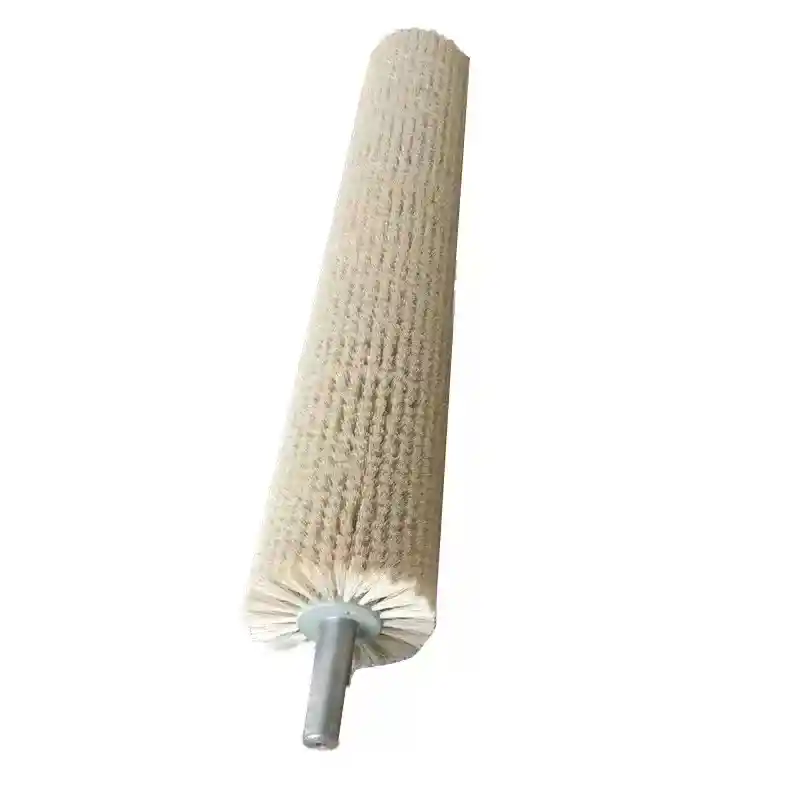
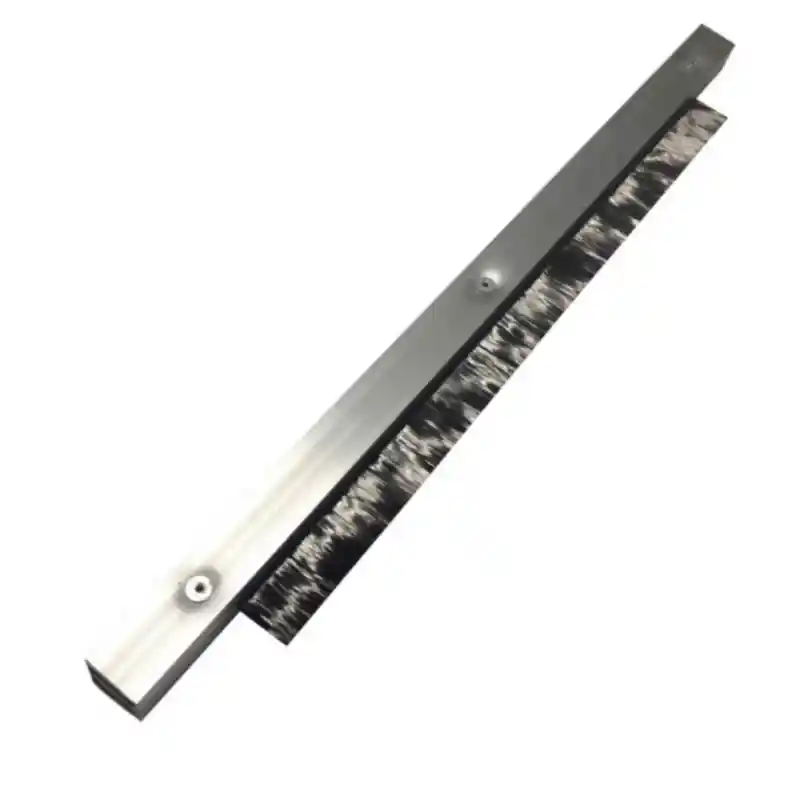
Finally, match the brush form factor to the equipment. cylindrical brushes, strip brushes, and wheel brushes each suit different mounting configurations and motion types.
When Standard Brushes Don’t Fit the Application
Some industrial problems don’t have off-the-shelf solutions. Unique conveyor systems, unusual pipe diameters, specific chemical environments—these situations require customized industrial brushes built to specification.
ODM/OEM brush manufacturing allows every aspect of a brush to be tailored. Filament type, dimensions, density, mounting configuration—all adjustable. A specialized brush roller for a non-standard conveyor or a custom tube cleaning brush for intricate pipework becomes possible when you’re not limited to catalog options.
The technical support side matters here. Understanding the application well enough to specify the right brush takes experience. Working with a manufacturer who asks the right questions and has seen similar challenges before saves time and prevents expensive mistakes.
Keeping Nylon Brushes Working Longer
Brush maintenance extends service life and maintains consistent performance. The basics apply across most applications.
Clean brushes regularly to remove accumulated debris. Buildup reduces effectiveness and accelerates wear. Store brushes in clean, dry environments to prevent filament damage and deformation. Nylon absorbs moisture over time, which can change its properties.
During operation, pressure and speed matter. Excessive force wears brushes faster and can damage both the brush and the workpiece. Running a brush beyond its recommended lifespan or using it for applications it wasn’t designed for creates problems that proper selection would have avoided.
These industrial brush care practices reduce replacement costs and keep processes running smoothly.
Frequently Asked Questions About Nylon Industrial Brushes
What is the primary difference between abrasive and non-abrasive nylon brushes?
Abrasive nylon brushes contain embedded grit particles like silicon carbide. They actively remove material during deburring, polishing, and surface finishing operations. Non-abrasive nylon brushes have pure nylon filaments. They clean, sweep, seal, or apply coatings without altering the surface. The distinction comes down to whether you need to change the surface or just interact with it gently.
How do I determine the correct filament type and stiffness for my application?
Start with the application requirements. Consider how aggressive the brush needs to be, what material you’re working with, and what finish you need. Filament diameter controls softness—finer filaments are gentler. Crimping increases surface contact for sweeping tasks. Nylon grade matters for temperature and chemical resistance. PA6.6 handles heat better. PA6.12 resists moisture. When the requirements are complex, talking through the specifics with a brush manufacturer helps narrow down the options.
Can nylon brushes withstand harsh industrial chemicals or high temperatures?
It depends on the specific nylon polymer. PA6.6 handles higher temperatures than PA6 or PA6.12. PA6.12 resists acids and bases better than the others. Standard nylon grades work well with many solvents and oils at moderate temperatures. Strong acids, strong bases, or very high temperatures may require specialized filaments or alternative brush materials entirely. Always check material specifications against your actual operating conditions.
What are the benefits of choosing a customized nylon brush from a supplier like Huixi Brush?
Custom brushes match unique industrial requirements exactly. Standard catalog options work for common applications, but unusual equipment configurations, specific chemical environments, or tight performance requirements often need tailored solutions. Benefits include optimized filament selection, precise dimensions, and mounting options that fit your equipment. The result is better performance, less downtime, and often lower total cost compared to forcing a standard brush into a non-standard application.
Partner with Huixi Brush for Your Industrial Needs
Optimize your industrial operations with high-performance nylon brushes. Shanghai Huixi Trading Co., Ltd. offers 16 years of expertise in customized abrasive, non-abrasive, and filament brush solutions. Partner with us for professional technical support, ODM/OEM services, and reliable quality. Contact our specialists today to discuss your specific brush requirements at [email protected] or +86 1580 0932 713.
If you’re interested, check out these related articles:
honing brush a magic tool for flexible burr removal
brushes for steel wire industries cleaning descaling derusting polishing