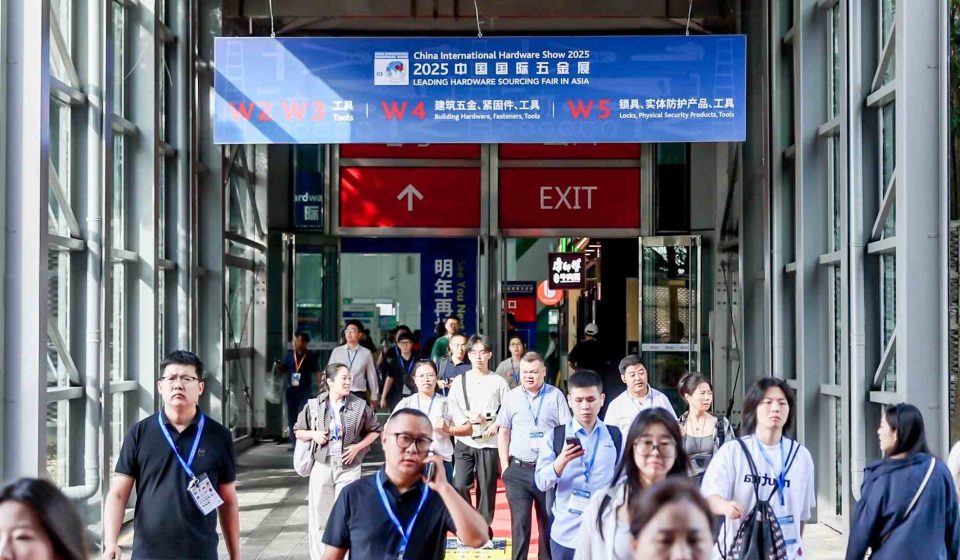

A 12-month hardware procurement calendar is less about fixed dates than about sequencing: order too late and you miss your peak selling window; order too early and you tie up cash in slow-moving stock. Start from two fixed points — your market’s peak season and the next China International Hardware Show (CIHS) in Shanghai — and work backwards from both.
The plan below covers a full sourcing year. It groups the work into four periods so you finish each period with a measurable output.
| Period | Main focus | Output to finish |
| Months 1–3 | Demand audit, budget, category gaps | Approved buying brief |
| Months 4–6 | Supplier shortlist, verification, sampling | Qualified supplier shortlist |
| Months 7–9 | Registration, logistics, meeting plan | Booked CIHS agenda |
| Months 10–12 | Trade fair, follow-up, first orders, audit | Signed orders and audit schedule |
Months 1–3: Audit the Numbers Before You Contact Any Factory
Start with actual sell-through, stock cover, and margin by product family. Do not begin with a supplier wishlist. For each category, mark which lines were out of stock during peak demand, which products were stuck in inventory, and which replacements carry more risk than value. That list becomes your buying brief.
Then set a budget that separates replenishment, new items, and test orders. If cash is tight, protect the replenishment line first. New-category purchases can wait until you have verified supplier performance. Buyers who ignore this sequence often spend their budget on attractive samples and run short on proven sellers.
Months 4–6: Turn the Brief into a Shortlist You Can Defend
CIHS covers the full hardware spectrum: hand tools, power tools, pneumatic tools, abrasives and grinding equipment, welding supplies, building hardware, fasteners, garden and outdoor tools, safety protection equipment, and intelligent locking systems [2]. The months four through six are for narrowing that map to the supplier types that fit your market — not for collecting every catalogue you see.
For each supplier on your emerging shortlist, request the same set of evidence: export history to your region, certification documents, rejection rate, and a named contact responsible for quality. Ask for sample terms in writing. Compare responses side by side, because weak suppliers often sound strong until they are asked to provide documents before the fair.

If you are unsure which product categories or certifications to prioritize before the show, send your shortlist criteria to our Buyer Services Team at [email protected] or call +86 21 6390 6161-832. Include your target market, required standards, and approximate order volume; we will help you plan which hall sections and exhibitor types to cover.
Months 7–9: Register, Schedule, and Pre-Match the Show
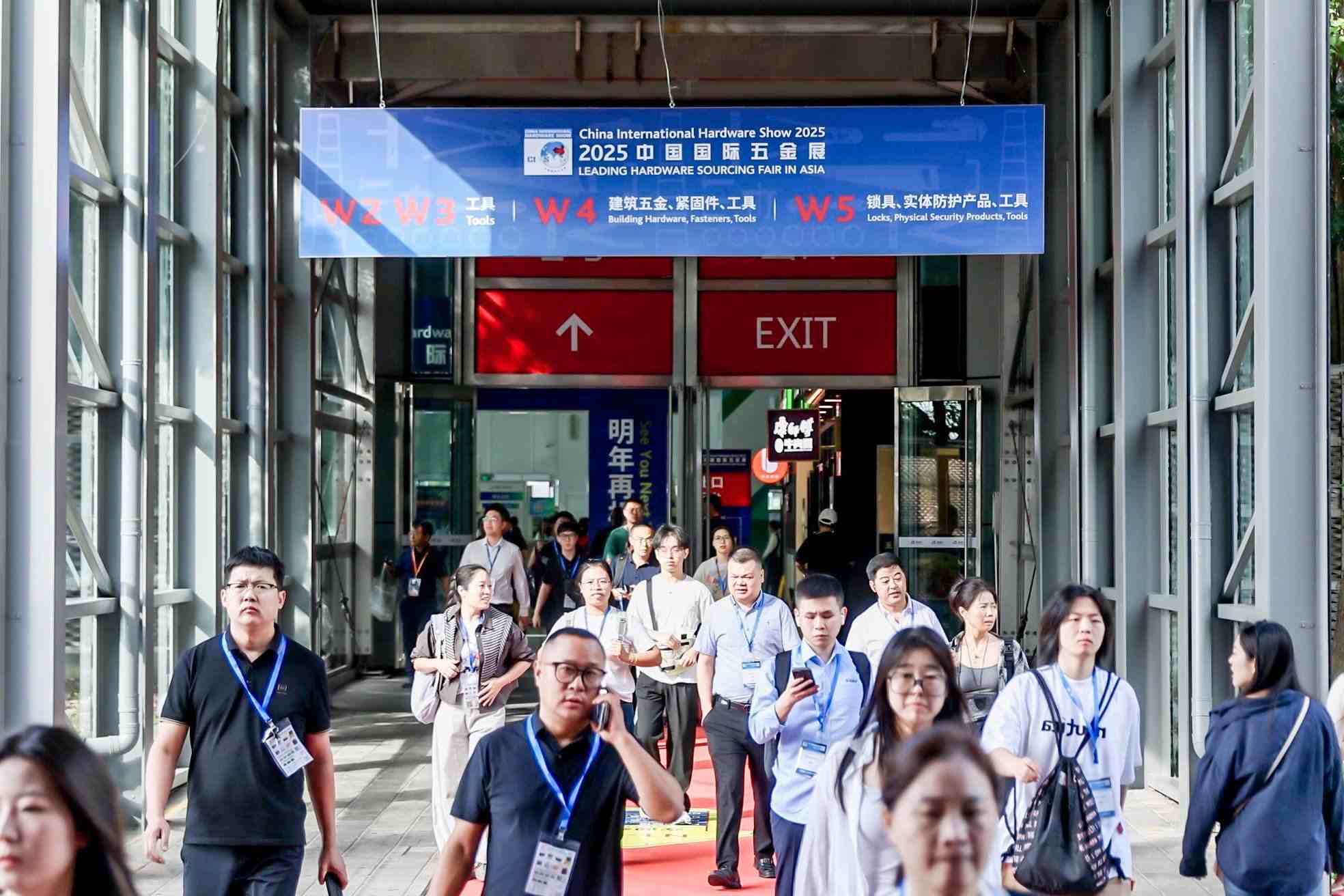
Most buyers underperform at a large trade fair not because of the fair, but because they arrive without a meeting agenda. CIHS 2025 gathered 2,977 exhibitors across 120,000 sqm and 77,016 professional buyers from 123 countries and regions [1]. That scale makes spontaneity expensive: you can spend a full day walking and still miss the right suppliers.
Three tasks belong in these months. First, confirm registration, badge, visa, hotel, and local transport as soon as official 2026 details are released. Second, lock a daily route by hall and product category. Third, send meeting requests to the suppliers with the strongest evidence, and keep a buffer of walk-on slots for unexpected finds. Use the online exhibitor system to preview profiles before you fly.

Month 10: Work the Show Like an Auditor, Not a Tourist
A useful fair day is not measured by booths visited; it is measured by decisions made. At each priority meeting, confirm the same points in the same order: product specification, minimum order quantity (MOQ), lead time, payment terms, certification, and the name of the person responsible for your order after the fair. Record the answers in one notebook or app, not across scattered business cards.
Compare similar suppliers while the evidence is fresh. If one can show test reports and another only promises them, mark the difference immediately. Do not let a well-designed booth override a weak quality reply. At the end of each day, rank suppliers into clear groups and write the next step for each one.

Months 11–12: Follow Up, Audit, and Build the Next Year
The 48 hours after the fair matter because recall fades faster than you expect. Send every shortlisted supplier a short follow-up: what you discussed, what you need next, and the date you expect it. Then move into 30/60/90-day checks: samples at 30 days, documents and tooling at 60, and first production or pilot order at 90 where the relationship justifies it.
Shipping terms, inspection arrangements, and payment milestones should be agreed in writing before you leave or shortly after. Put the Incoterms rule and payment schedule in plain English, so there is no gap between what you think you bought and what the factory plans to make. The final step of the 12-month cycle is to return to the demand audit from the first quarter and start the next calendar with better data.

Your Next Step
Put the two trigger dates in your calendar today: the final order date for your peak season and the CIHS 2026 dates once announced. Then email [email protected] with your target product categories, certification requirements, and approximate order volume. Our Buyer Services Team will reply with a pre-show planning checklist and help you turn the calendar above into a concrete visit schedule.
FAQ
When should I start planning for CIHS 2026?
Begin as soon as your current season’s sales data is stable. The most important work — demand audit, supplier evidence review, and document checks — happens months before the show, not in the week before you fly.
How far in advance should I place hardware orders for a peak season?
Work backwards from the date you need stock in your warehouse. Add supplier lead time, transit time, inspection, and a buffer for reloads or weather. For many general hardware lines, the ordering decision is taken months earlier; the exact number depends on your route and product.
What if my market has two peak selling seasons?
Build the same calendar twice around each peak. Many buyers keep one master supplier list and run two overlapping cycles, with the second cycle using what they learned from the first.
Should I place firm orders at the fair or after?
Usually after. The fair is the right place to compare samples, certifications, and people; the formal order can follow once you verify terms and audit documents. Some buyers do sign provisional orders for clear replacement lines, but only when the supplier has already provided the required evidence.
How do I manage Chinese New Year factory closures?
Ask each supplier for their exact holiday and restart schedule as early as possible. Plan orders and pre-production steps around that window, because documents, samples, and tooling approvals can slow down before and after the holiday.
How many buying trips do I need in 12 months?
One focused CIHS trip is enough for many buyers; it is the time between trips that determines whether the visit pays off. If you are developing complex products or auditing factories, you may add a separate factory tour around the same trip.
References
[1] China International Hardware Show (CIHS), official 2025 post-show data: 120,000 sqm exhibition area; 2,977 exhibitors; 77,016 professional buyers from 123 countries and regions. Koelnmesse (Beijing) Co., Ltd. / China National Hardware Association.
[2] CIHS official product category overview: hand tools, power tools, pneumatic tools, abrasives and grinding equipment, welding supplies, building hardware, fasteners, garden and outdoor tools, safety protection equipment, and intelligent locking systems. Koelnmesse (Beijing) Co., Ltd. / China National Hardware Association.
