Scent marketing for grocery stores is not about masking odors; it is about making the store feel fresher, cleaner, and more memorable. In our work across 68 countries, I have watched supermarket operators use fragrance to lift dwell time near bakery and produce, reduce the flat institutional scent of frozen aisles, and strengthen private-label positioning. The result shows up at the basket, not in the scent sample. This article covers the zones, equipment, and fragrance decisions that matter for grocery store fragrance solutions, plus the rollout steps I would follow in a multi-store pilot.
The Commercial Case for Scent Marketing in Grocery Stores
Grocery operators usually enter a scent program through a complaint: fish department odor, a tired air after the frozen run, or a produce section that no longer smells like anything. Scent marketing does more than correct that. It creates a consistent freshness cue that changes how long shoppers stay and which departments they visit. In the stores we work with, the fastest visible change is often in perimeter traffic, because bakery, deli, and produce are the first zones where a clean ambient scent matches what shoppers already expect.
A supermarket’s scent should be low and steady rather than strong enough to identify from the entrance. That is the main discipline. I would rather run a diffuser at 20 percent of perceived intensity in more zones than overload a single produce island. Shoppers process ambient scent as information about hygiene and freshness. When the cue disappears, the space feels emptier even if nothing else changed.
High-Impact Scent Zones Across the Grocery Floor
Department decisions should follow shopper path, not a uniform whole-store spray. A large store has at least five scent zones with different atmospheric jobs. The table below is the setup pattern I would use in a 1,000 to 2,000 square meter supermarket, subject to ceiling height and HVAC layout.
| Zone | Main Scent Objective | Recommended Diffuser Approach |
|---|---|---|
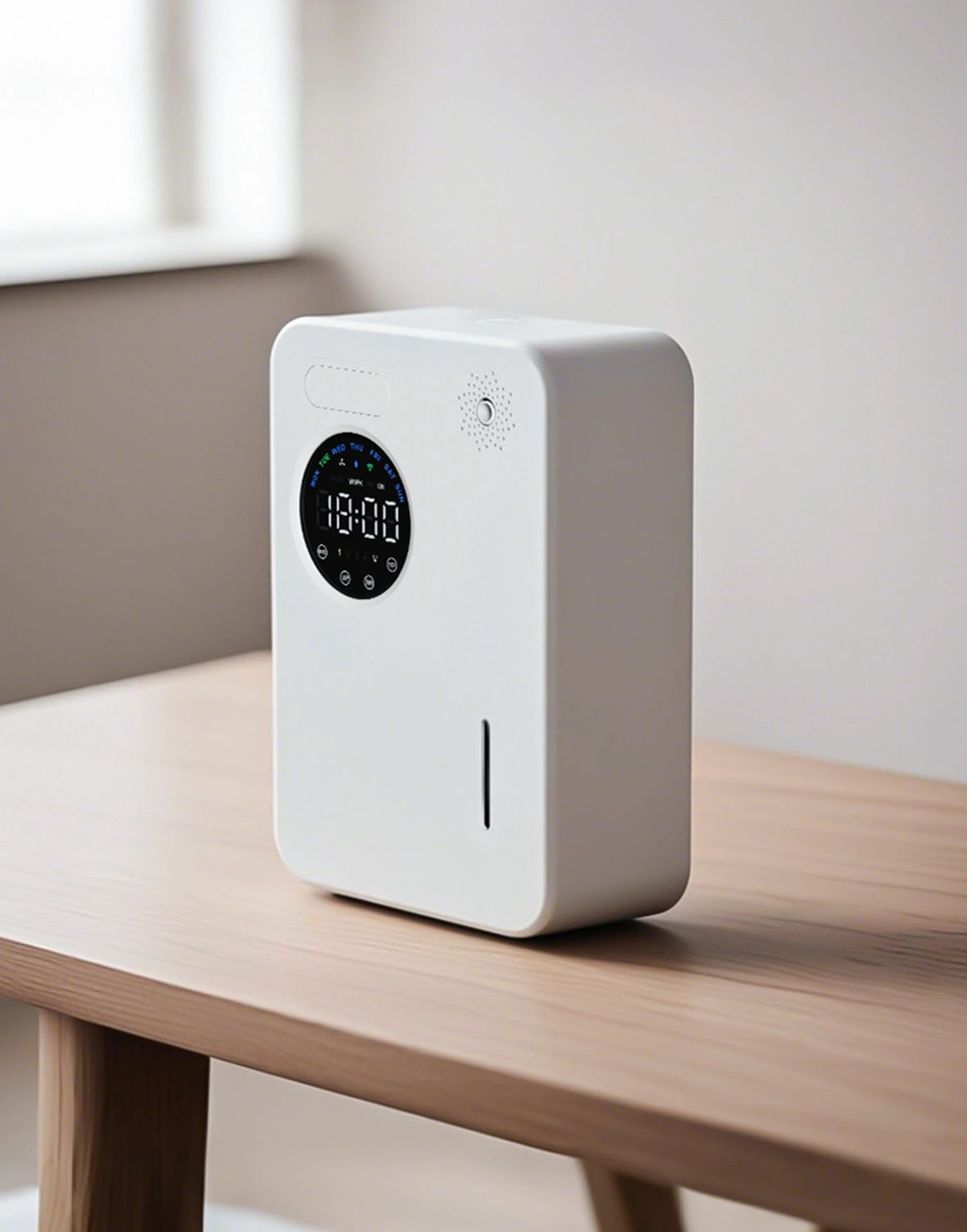
| Entry and transition | Signal cleanliness and reset outside air | Commercial Scent Oil Diffuser (Bluetooth APP), 300 m³ coverage |
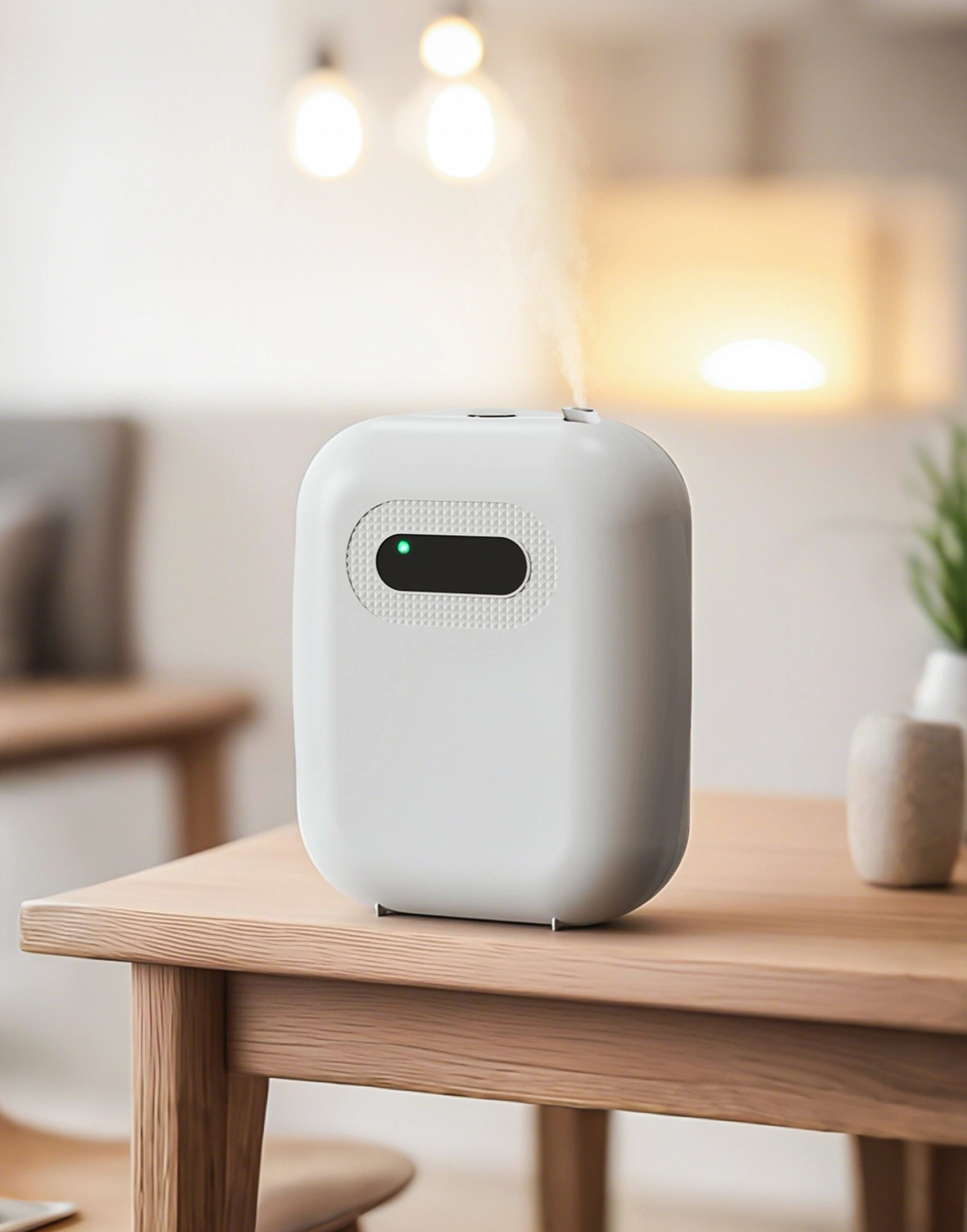
| Produce | Lift freshness perception and soften leafy decay | Wall Mount Aroma Diffuser HVAC System, 3,000 m³ coverage |
| Bakery | Amplify warm, toasted notes and draw aisle traffic | Commercial HVAC Scent Diffuser Aroma Dispenser System, up to 8,000 m³ |
| Frozen and dairy | Neutralize flat cold air without sweetening | Battery Aroma Oil Dispenser Wall Mount Diffuser, 200 m³ coverage |
| Checkout | Create a soft closing note shoppers remember | Desktop Scent Diffuser (Bluetooth APP), 300 m³ coverage |
The entrance is not the place for a heavy gourmand. I keep that zone bright and green so the store registers as fresh before the first shelf. Bakery can carry more weight because shoppers already expect buttery, toasted notes, and a slightly higher intensity there pulls people from the center aisles. Frozen aisles need the lightest hand; the cold air holds fragrance differently, and too much scent reads as fake.
Equipment and Coverage Planning for Grocery Store Fragrance Solutions
Coverage planning is where grocery store fragrance solutions succeed or stall. A standalone unit is easy to install but works only where airflow reaches. HVAC integration covers a wide area and keeps the scent level consistent, but it requires access to supply air and a clear plan for zone control. Ceiling height matters more than floor area in a supermarket, because scent travels down through aisles and cold wells.
For a 1,500 m² store, I would usually combine an HVAC system for the main sales floor with smaller wall-mounted units in perimeter departments. The Scent-Share HVAC system in our catalog covers up to 8,000 m³, which can exceed what a single grocery zone needs. That is fine; the extra capacity means longer service intervals and lower stress on the pump. The real decision is whether one run can be zoned independently. A store with a central air handler that mixes air from fish, bakery, and produce before redistribution will not be able to keep department scents separated without adding local units.
If your store has a central air handler with shared return air, it is worth confirming zone separation before you finalize the BOM. Send your mechanical layout and ceiling height to [email protected] and we will check which coverage plan fits your zones.
Department-Level Fragrance Selection and Freshness Cues
Fragrance selection should follow the scent expectation a shopper already carries. Produce wants crisp, watery notes: cucumber, melon, green leaf, citrus peel. Bakery wants warmth without smelling like candy: toasted grain, butter, vanilla, a little cocoa in premium stores. For deli and seafood, I avoid food-matching scents completely; the goal is neutralization and a light herb or pepper lift, never a floral cover. Service counters and checkout sit best in soft white tea, sandalwood, or subtle vanilla.
One mistake I see more than any other is putting a calming spa scent into a grocery store and expecting it to read as premium. It usually reads as a hotel lobby dropped into a supermarket. Grocery is a functional environment. The scent has to work with appetite, cleanliness, and speed. That is why our team keeps formulas lower in sweetness and heavier on diffusion stability for grocery projects, even when the same fragrance would be too plain for a fashion retail flagship.
Seasonal shifts also matter. In our formulation work, a mango note that performs well in summer can earn complaints in February because it clashes with indoor heating and holiday product mix. I would rather schedule two or three seasonal fragrance rotations than run one year-round note at higher intensity.
Starting a Grocery Scent Program With Scent-Share
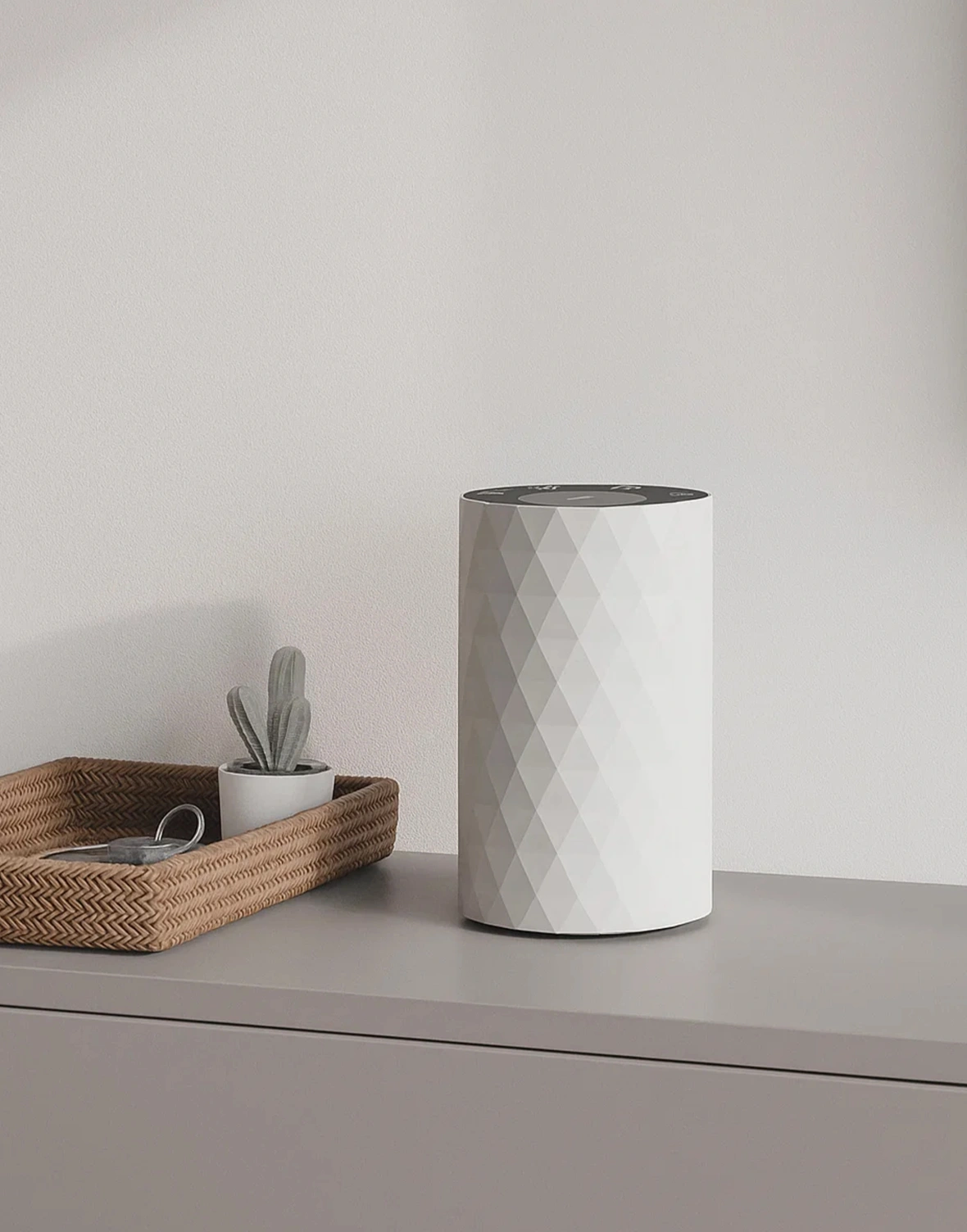
Grocery store fragrance solutions fail when a store copies a hotel or boutique playbook and ignores zone-level odor sources. The safer path is a site audit first, then a matched diffuser and fragrance plan by department. Send your store layout, ceiling height, and the three departments you want to address first to [email protected] or call +86 185 6557 5758. We will return a coverage plan and sample set based on your square footage, with no blanket whole-store guessing.
Practical Questions From Grocery Store Operators
What is the difference between scent marketing and a standard air freshener in a grocery store?
Scent marketing uses programmed diffusion to keep a consistent freshness cue across the sales floor, while air fresheners mask a small area for a short time. A properly placed diffuser releases a controlled dose at set intervals, which keeps the scent below an obvious perfume level and above the point where shoppers stop noticing it. Air fresheners also vary more with airflow and temperature. That is the key operational difference, because grocery buyers react to consistency: a scent that drops in and out reads as an odor problem rather than a store asset.
Which departments should we scent first for the fastest impact?
It depends on your store layout and where the strongest negative smells sit. If the fish counter or deli is near the entrance or checkout, start there with a neutralizer-led formula, because that odor is already shaping the first and last impression. If the store is clean and has no single problem zone, start at entry and bakery to improve freshness perception and pull aisle traffic. I would not start with frozen or center aisles, because those areas show results more slowly and use fragrance less efficiently.
Will HVAC scenting be drowned out by seafood and deli odors?
Many operators assume heavy food smells will overpower the system. That is only true if the fragrance is designed to cover rather than balance those notes. The right approach is separate: local neutralization near the strong odor source, paired with lighter ambient scent in the surrounding zone. If the deli, fish, and bakery share the same air handler, a single HVAC run will not separate them. In that case we add wall-mounted units so each department gets its own control.
How much fragrance oil does a mid-size grocery store use per month?
In the grocery sites we have supplied across Asia, Europe, and Latin America, a single HVAC unit serving the main sales floor usually consumes less oil than operators expect, but consumption moves with run time, concentration, and local climate. A 1,000 to 2,000 square meter store with one HVAC diffuser and two small wall units may need a refill check every three to five weeks rather than weekly attention. Holiday rotations at higher intensity shift that number upward. If you are planning a pilot, share your store area, ceiling height, and HVAC zones and we will confirm estimated oil use for your layout at [email protected].
If you’re interested, check out these related articles: