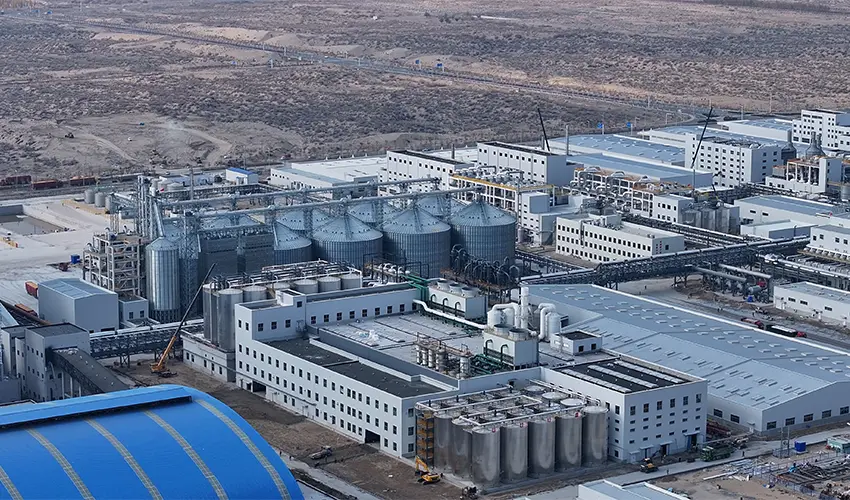

Biogas utilization in alcohol plants changes the way a distillery accounts for wastewater. Instead of treating high-COD effluent as a disposal cost, the plant processes it through anaerobic digestion and recovers methane-rich gas that can offset boiler fuel. In my work on grain-based alcohol projects, the plants that capture this stream early in plot planning reach stable steam economics faster than those that retrofit later. The technical challenge is not whether the biogas can be made; it is whether the digester, gas handling, and boiler interface are specified tightly enough to keep maintenance low and uptime high.
Why Does Alcohol Plant Wastewater Generate Biogas?
Alcohol production generates a spent wash stream from the distillation columns that carries dissolved organic compounds, suspended solids, residual fermentation byproducts, and a high chemical oxygen demand. Once this stream enters an oxygen-free digester, anaerobic bacteria break down the organics in stages and release a methane-rich biogas. The practical value is not just waste cleanup. A well-specified digester converts what the plant would otherwise aerate or discharge into a fuel stream that can offset a meaningful share of the boiler house load.
In grain-based alcohol plants I have worked on, spent wash is the stream that decides digester sizing. The cleaner CIP and utility water streams can be added after the main organic load is understood. A plant that treats all wastewater as one mixed stream loses the chance to size the digester tightly and ends up with oversized civil works or downstream gas handling that does not match real production. This is why we prefer to characterize spent wash, thin stillage, and utility water separately before plot planning.
How Does Biogas Utilization in Alcohol Plants Turn Wastewater into Boiler Fuel?
The route has three connected parts. First, the anaerobic reactor removes the bulk of the organic load and produces raw biogas. Second, the gas train removes moisture and hydrogen sulfide to a level the boiler burner and piping can tolerate. Third, the boiler control system admits biogas alongside the normal fuel and trims the purchased fuel flow. When the three parts are specified as one loop, the plant sees a direct reduction in fossil fuel use instead of a gas flare.
The anaerobic stage can be configured as a low-rate lagoon, a continuously stirred tank reactor, or a high-rate sludge blanket reactor. The right choice follows the substrate concentration, temperature, and space available on site. The table below sets out the main options we discuss during an alcohol plant feasibility review.
| Reactor type | Feed condition it suits | Biogas output pattern | Main site constraint |
|---|---|---|---|
| Covered lagoon | High-volume, low-strength effluent | Steady but weather-sensitive | Large footprint |
| CSTR digester | Concentrated spent wash | Reliable with solids handling | Mixing and heating energy |
| UASB or IC reactor | Soluble high-COD effluent | Fast reaction, high-rate gas | Flow equalization required |
If your spent wash COD and suspended solids shift with the corn campaign, it is worth confirming the digester organic loading rate and gas train sizing before you lock the equipment list. Send your monthly wastewater volume, COD range, and boiler fuel consumption to [email protected] and we will return a first sizing check.
Which Design Choices Shape Biogas Utilization in Alcohol Plants?
Load Profile Before Reactor Selection
The largest design errors occur before the digester is selected. Two choices determine whether the biogas system rides along with the alcohol process or fights it: how the plant characterizes the effluent and how the gas is stored and conditioned before the burner. If the spent wash COD is expressed as a single annual average, the digester will be undersized during peak production and oversized during maintenance weeks. We prefer to use a load profile that follows the plant’s actual production calendar.
Sulfur and Moisture Before the Burner
Hydrogen sulfide concentration is the second point to fix early. Raw biogas from alcohol process effluent can carry enough sulfur to corrode boiler tubes and foul burner internals if the gas is not scrubbed or biologically desulfurized. The boiler interface must also account for methane content variation between reactor start-up, steady production, and feedstock changes. A boiler that needs a narrow fuel range will demand more gas storage or a supplemental fuel trim.
How Should Owners Specify Biogas Recovery Before Tender?
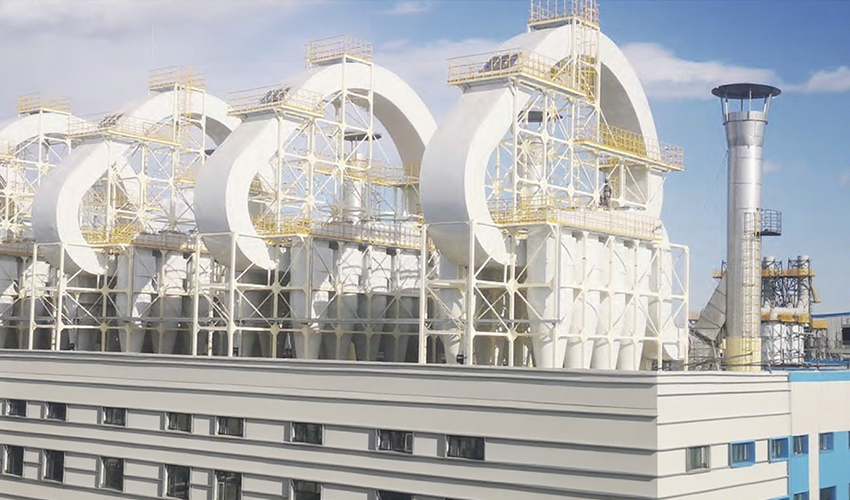
Most feasibility studies bolt the anaerobic plant onto a finished alcohol process and boiler package. By then the steam balance, plot plan, and control philosophy are already fixed. The result is a digester that adds costs at the interfaces instead of reducing purchased energy from day one. We approach the project differently at AGRIFAM: biogas recovery sits inside the initial energy cascade, with the digestate and biogas loops drawn alongside the distillation and evaporation systems.
What owners should fix before tender is the balance between gas production and gas use. If the plant operates a high-pressure steam boiler, the biogas may only cover a portion of the load. If the plant has a low-pressure thermal loop for distillation reboilers or evaporation, the offset can be larger. The specification should state the minimum methane concentration the boiler will accept, the maximum hydrogen sulfide level after treatment, and the turndown range during low production periods.
Send your plant’s daily spent wash volume, COD range, existing boiler fuel consumption, and steam pressure levels to [email protected] or call 010-8591 2286. We will confirm whether the biogas stream can cover a base load or a swinging share of your boiler fuel, and what digester configuration fits the plot area you have available.
What Do Plant Teams Need to Confirm Before Committing?
Does every alcohol plant wastewater stream need anaerobic digestion?
No. Anaerobic digestion earns its capital cost on concentrated organic streams such as spent wash and some thin stillage fractions. Low-strength utility water is better handled by aerobic treatment or reuse after clarification. We only route the full wastewater volume to the digester when the plant has limited land and the organic load justifies the additional tank volume. The first step is a stream-by-stream COD and flow balance, not a blanket decision to digest everything.
How much purchased boiler fuel can recovered biogas actually replace?
The common assumption is that biogas will displace nearly all the boiler fuel. In most grain alcohol plants, the recovered gas covers a partial load, often the low-pressure steam demand, before the high-pressure package boiler takes the swing. The actual share depends on spent wash volume, COD concentration, and digester methane output. A realistic specification lists the biogas contribution as a percentage of total thermal load and sizes gas storage to match boiler turndown, not as an all-or-nothing replacement.
What is the first integration risk in a retrofit?
It depends on whether the existing boiler controls can accept a variable fuel stream. If the plant has an older package boiler with a narrow flame scanner and no fuel trim, the retrofit is more about burner and gas train upgrades than about the digester itself. If the boiler already runs on dual fuel, the risk shifts to gas storage and hydrogen sulfide removal. We prefer to audit the boiler interface before specifying the digester, because that interface defines how much gas the plant can actually use.
How long does it take to stabilize a digester after commissioning?
In digester commissioning programs I have been part of, anaerobic seed sludge shortens the start-up curve, but the system still needs several weeks of controlled feeding to reach stable methane output. The exact time depends on the seed quality, the wastewater temperature, and how gradually the organic load is raised. A plant that jumps from zero to full load too quickly will see volatile fatty acids rise and gas quality drop. For owners evaluating a project timeline, we recommend separating mechanical completion from biological stabilization. Share the target commissioning date with [email protected] and we will confirm a realistic seeding and ramp plan.
If you’re interested, check out these related articles:
Driving Global Food Conservation Through Technological Innovation