
SNIEC has food, but the practical answer is more specific: expect fast counters, coffee kiosks, and convenience stores inside the hall concourses and entrance areas — not a quiet business lunch. The trick is knowing where to go, when to go, and what to expect before you burn 30 minutes standing in line. This guide covers the on-site options, rest areas, payment habits, and the food strategy that lets you stay focused on sourcing.
Quick Answers: Food and Rest Areas at SNIEC
- On-site food: yes, in the entrance concourses, hall connectors, and some upper-level service areas.
- What you’ll find: Chinese set meals, Western fast food, noodles, rice dishes, coffee kiosks, bottled drinks, and convenience-store snacks.
- Peak lunch period: 11:30–13:00. Expect the longest lines right after the morning meeting wave.
- Payment: WeChat Pay and Alipay are widely accepted; cash in RMB also works at many counters, but international cards are not reliable on-site.
- Rest areas: seating clusters near hall entrances, café seating, and quieter corners in the concourses exist, but they fill fast during lunch.
- Best strategy: eat early — before 11:30 — or late, after 13:00, when most buyers are back in meetings.
What On-Site Dining Is Like at SNIEC
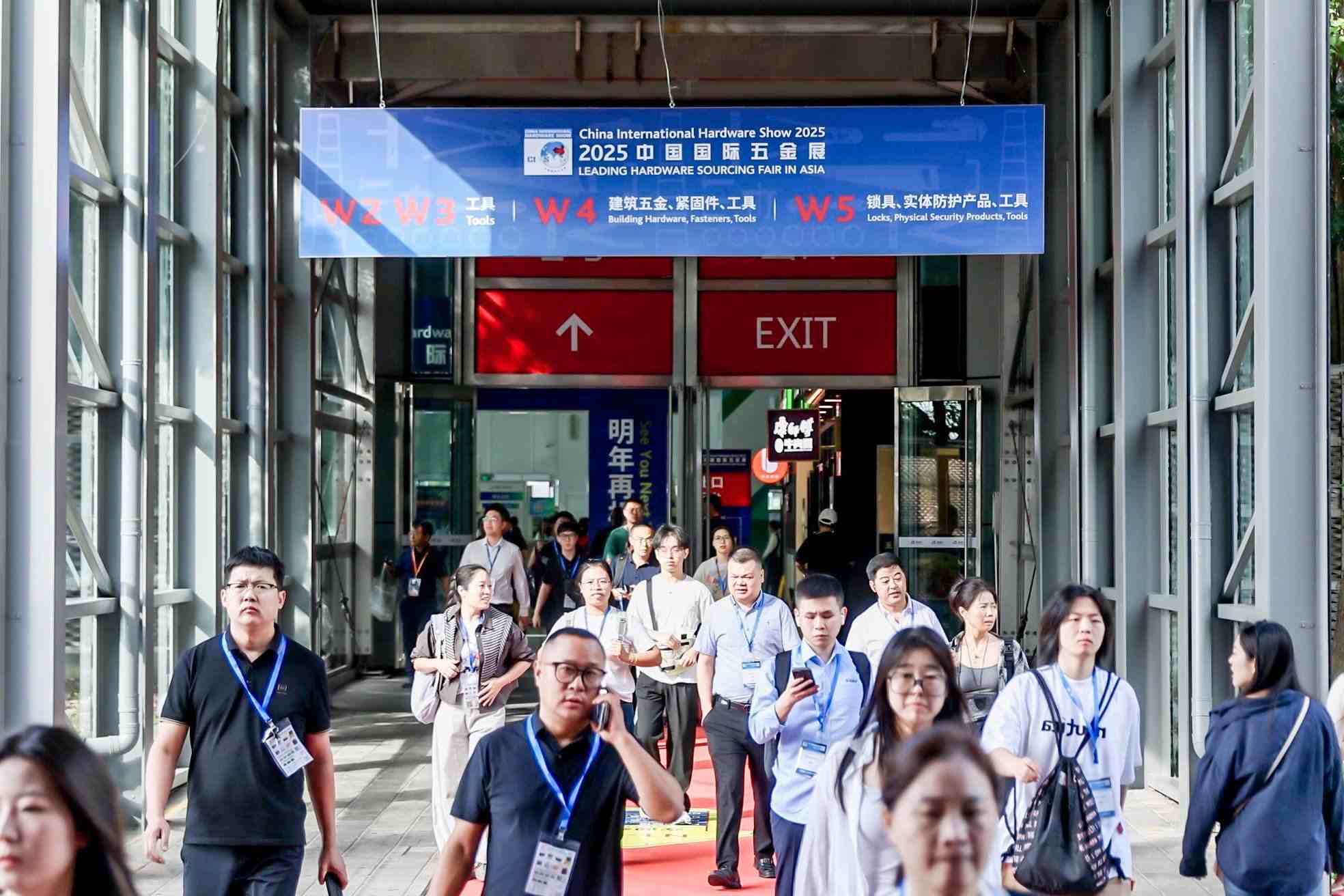
SNIEC was built for large trade shows including CIHS, so it is not a shortage problem: the challenge is that everyone wants food at the same time. During a full-scale event, the venue’s dining counters handle high volume, but the experience is closer to a busy airport food hall than a restaurant. Expect trays, quick service, and limited customization.
The benefit is speed. You can grab a rice dish, noodles, a sandwich, or a coffee in the same building where your supplier meetings are running. The trade-off is atmosphere: tables are shared, seating is limited, and quiet corners are scarce between 12:00 and 13:00.
CIHS 2026 is expected to span 120,000 square meters with nearly 3,000 exhibitors and a large international buyer turnout, so foot traffic inside the venue will be substantial [1]. Plan meals as part of your hall routing, not as an afterthought.
Where to Find Food Between Halls
The most reliable food points are not hidden deep inside the exhibition halls. They sit in the circulation areas: the main entrance lobby, the open connectors between halls, and the upper-level service corridors. If you are walking from one product category to another, you will pass beverage counters and snack kiosks along the main concourse.
A practical rule: do not leave the hall to look for a better meal unless you have at least 60–90 minutes. Off-site options can be better, but travel time and security re-entry can eat into a full sourcing day. If you have a 20-minute gap, stay inside SNIEC and choose the shortest line.
Rest Areas: Where to Sit, Charge, and Recover
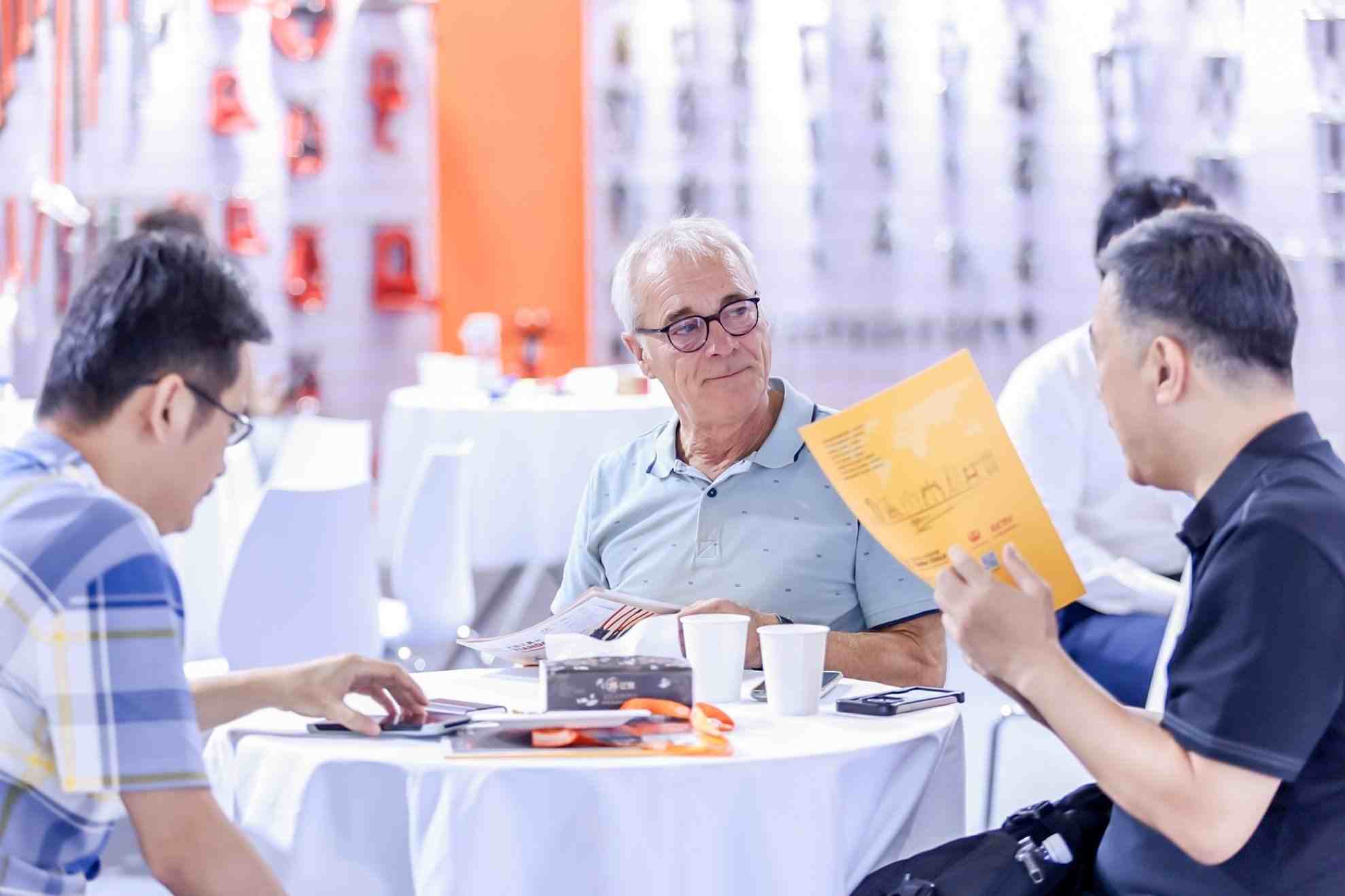
Rest areas at SNIEC come in three main forms. First, fixed seating zones near the entrance and concourse edges. Second, café-style tables attached to coffee counters. Third, the less formal but often best option: quieter seating near the ends of halls or along upper-level walkways.
A phone battery matters as much as food at a trade show. Keep a power bank with you, because wall sockets in public seating areas can be occupied. Buyer service lounges and premium counters may offer charging opportunities, but they are not a guaranteed public amenity in every hall.
How to Beat the Lunch Rush
Follow a simple schedule. Start your morning with a heavier breakfast at your hotel. Take your first break before the rush — coffee and a snack around 10:30 work well. Then schedule lunch either early, from 11:00–11:30, or late, after 13:00, when the peak queue clears.
If your calendar is packed, CIHS Buyer Services Team can help you pre-plan a hall route so meals don’t cut into supplier meetings. Email [email protected] before you travel.
Use the rush window itself for low-competition tasks: walking the outer halls, checking booth maps, replying to messages, or taking photos. This is the same logic professional buyers use at large fairs — move against the crowd.
Payment, Water, and Practical Food Tips
Payment at SNIEC is heavily cashless. WeChat Pay and Alipay are the standard, and many international visitors link a foreign card to Alipay or WeChat Pay before arriving in China [3]. Keep a small amount of RMB cash as a fallback, especially if you plan to buy from a convenience store or a smaller kiosk.
Buy bottled water early in the day and carry it with you. Shanghai can be warm in September, and you will walk more than expected inside a 120,000-square-meter event. Limit heavy meals at midday; a rice or noodle dish with vegetables is usually quicker and easier than a large plated meal.
Food safety at a busy venue comes down to turnover. Choose counters with a long line or high traffic, because food is being prepared and replaced more frequently. Avoid pre-packed items that look like they have been sitting in open air for hours.
Special Diets, Food Safety, and What to Pack
If you need halal food, do not assume every counter at SNIEC can accommodate you. On-site options lean toward standard Chinese and Western fast food. For strict requirements, research restaurants in the Longyang Road area before the show, or ask your hotel concierge for a verified option near the venue.
Vegetarian buyers will usually find vegetable rice, noodle, or tofu-based dishes, but clear labeling may be limited. Learn a few spoken or written phrases for “no meat” and “vegetarian” in Chinese, or keep a translation card on your phone. This saves time and avoids confusion at the counter.
Pack three things that make food breaks easier: a small power bank, a refillable water bottle, and individually wrapped snacks. Snacks from a convenience store are also fine, but having a protein bar or nuts in your bag gives you an option when queues are too long.
Plan Your CIHS 2026 Days Around Food, Not Against Them
The goal is not to find the best restaurant at SNIEC; the goal is to stay fed and alert without losing valuable meeting time. Eat early or late, stay inside the venue for quick breaks, and reserve off-site meals for the evening, when you can invite a supplier for a longer conversation.
Register for CIHS 2026, then contact our Buyer Services Team at [email protected] or by phone at +86 21 6390 6161-832 if you need help planning your on-site schedule. We can help you fit food and rest into a realistic sourcing day.
Frequently Asked Questions
Are there restaurants inside SNIEC?
Yes. SNIEC has on-site food counters, cafés, and convenience-style outlets in the entrance areas, hall connectors, and service zones. They are built for speed rather than long business lunches.
Do I need cash for food at SNIEC?
Most counters accept WeChat Pay and Alipay. Some also take RMB cash, but international card acceptance is not consistent. Keep a small amount of cash as a backup and set up Alipay or WeChat Pay before you travel if possible.
When is the best time to eat during CIHS?
The best time is before 11:30 or after 13:00. The lunch rush peaks between 11:30 and 13:00, and queues can take 20–30 minutes at that point. A late breakfast and an early or late lunch will save you time.
Where can I rest between meetings at SNIEC?
Look for seating near hall entrances, café areas, and upper-level walkways. These spaces fill quickly, so plan rest breaks outside the 12:00–13:00 window. A power bank is essential because public charging points can be occupied.
Can I find halal or vegetarian food near SNIEC?
On-site halal options are not guaranteed. Vegetarian dishes such as vegetable rice, noodles, and tofu dishes are usually available, but labeling may be limited. For strict dietary needs, research restaurants in the Longyang Road area or ask your hotel before the show.
References
[1] China International Hardware Show, “About CIHS 2026,” China International Hardware Show official website. [Online]. Available: https://www.hardwareshow-china.com/
[2] Shanghai New International Expo Centre, “Venue Services and Facilities,” SNIEC official website. [Online]. Available: https://www.sniec.net/en/
[3] Alipay, “International Visitors and Foreign Card Payments,” Alipay Global official help page. [Online]. Available: https://global.alipay.com/