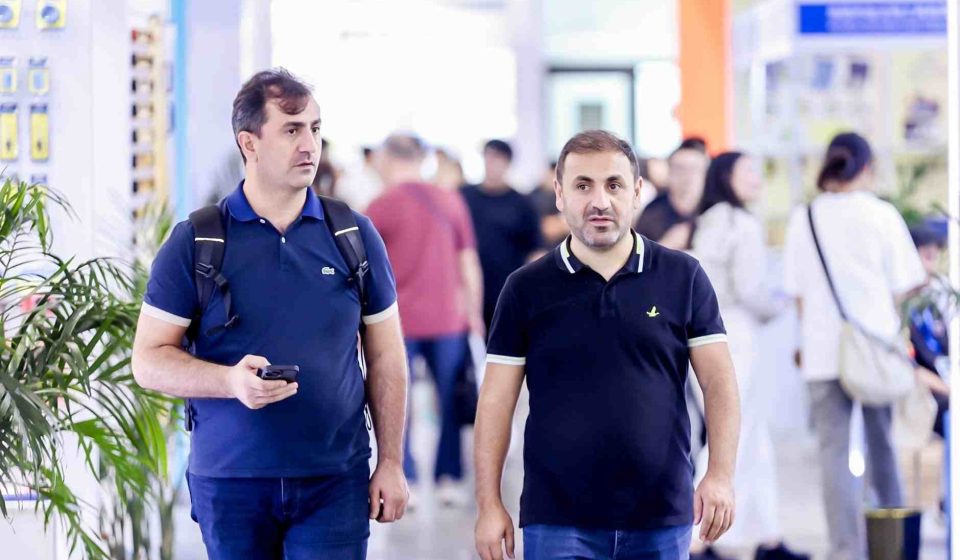

At China International Hardware Show, the floor can work against you: 120,000 sqm of exhibition space, 2,977 exhibitors, and only one set of feet to cover it all. The 2025 edition drew 77,016 professional buyers from 123 countries, many of them moving through the same halls with the same problem. We have watched buyers arrive without a timed plan and lose the first two hours to the nearest interesting booth. The fix is not walking faster; it is deciding in advance what gets your 9-to-5.
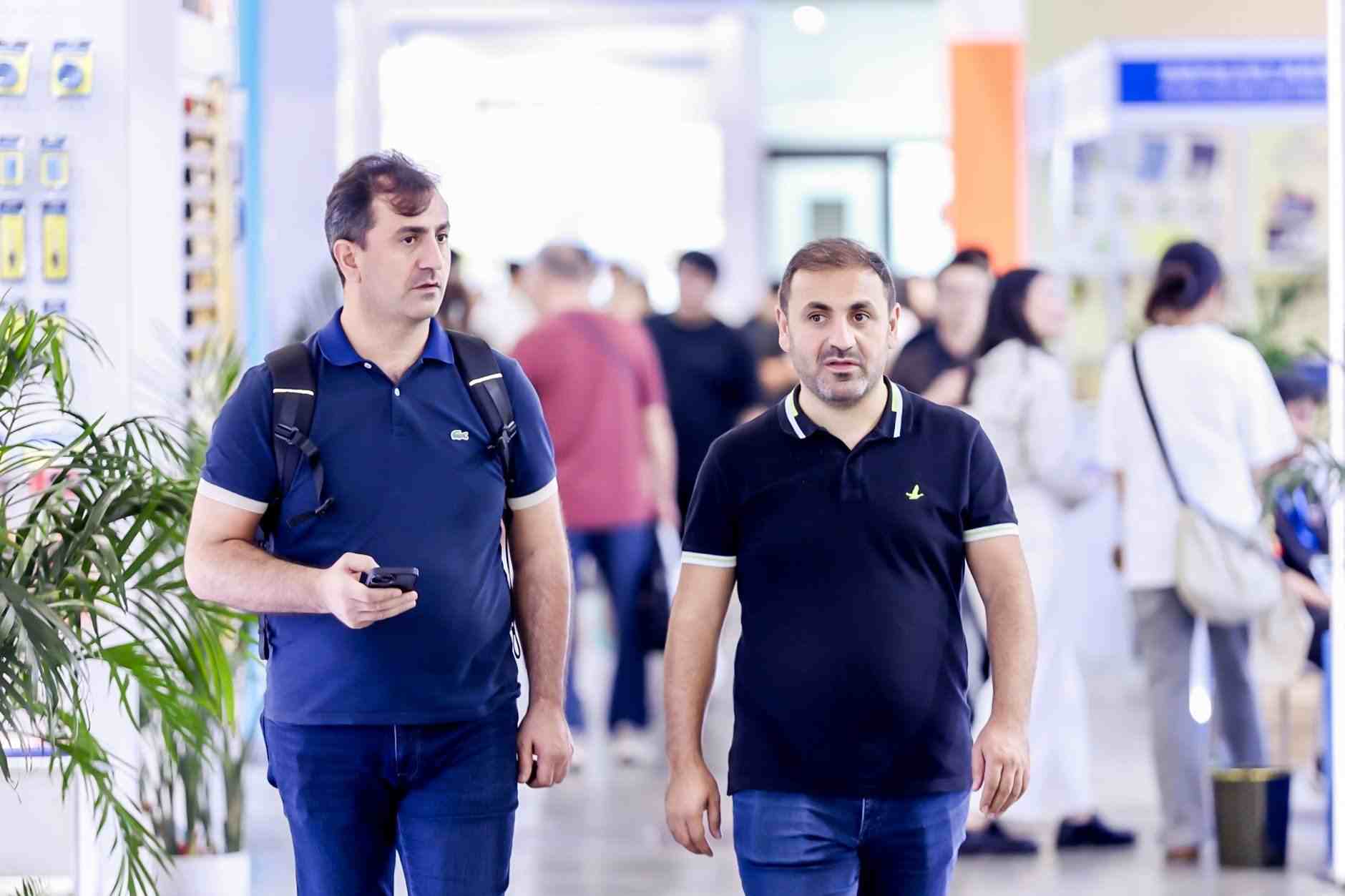
Why a Timed Plan Beats Wandering
A large fair punishes open-ended browsing. Every unscheduled conversation competes with every pre-booked meeting, and by afternoon the choice of which hall to enter next becomes harder, not easier. A block schedule removes most of that decision fatigue. You are not choosing your whole day from the middle of a crowded aisle; you are following a sequence you already decided in a quiet hotel room.
The best schedule is not built around the most booths. It is built around the few conversations that could actually change your sourcing year. One high-value meeting is worth more than ten rushed handshakes.
Your 9-to-5 CIHS Schedule at a Glance
| Time | Block | Main task |
|---|---|---|
| 08:45–09:15 | Arrival and badge | Confirm first meeting, check hall map, reset phone and battery |
| 09:15–10:30 | A-grade meetings | Two or three pre-booked suppliers in the same hall |
| 10:30–10:45 | Travel buffer | Move to the next hall, water, review open items |
| 10:45–12:30 | B-grade meetings | Compare backup suppliers, pricing, MOQ and lead time |
| 12:30–13:30 | Lunch and notes | Eat close to the hall, update your supplier scorecard |
| 13:30–15:00 | Product inspection | Check samples, materials, tolerances and certificates |
| 15:00–16:30 | Open-hall sweep | Walk one category block, collect contacts, photograph products |
| 16:30–17:00 | Close-out | Summarize each contact and confirm next-day actions |

This table works because it groups meetings by hall and leaves the most open-ended work for the afternoon, when a missed discovery is less expensive than a missed meeting.
Morning Block: Put Your Strongest Meetings First
Start with the suppliers you could not drop. Use the first 90 minutes for the two or three companies that match your product list, price range, and target certifications. Keep these meetings short: confirm the product line, ask for samples, and agree on the next decision step.
If you are coming by metro, Line 7 to Huamu Road station keeps you close to the venue; Longyang Road is the interchange point for Line 2, Line 16, and Maglev [1]. Arrive early enough to clear badge collection and still reach your first booth by 09:15. A late start pushes every later block deeper into the day.
Midday Reset: Eat Close, Keep Moving
At 12:30, stop for food near your current hall. The closest options to the busiest halls tend to be busiest right after noon, so plan lunch at the edge of the food area or slightly before the rush. Use the break to write down any questions you forgot to ask in the morning.
Resist the temptation to eat in one part of the venue and then walk across the whole floor for your next meeting. That single detour can consume thirty minutes you need later.
Afternoon Block: Inspect Products and Fill Gaps
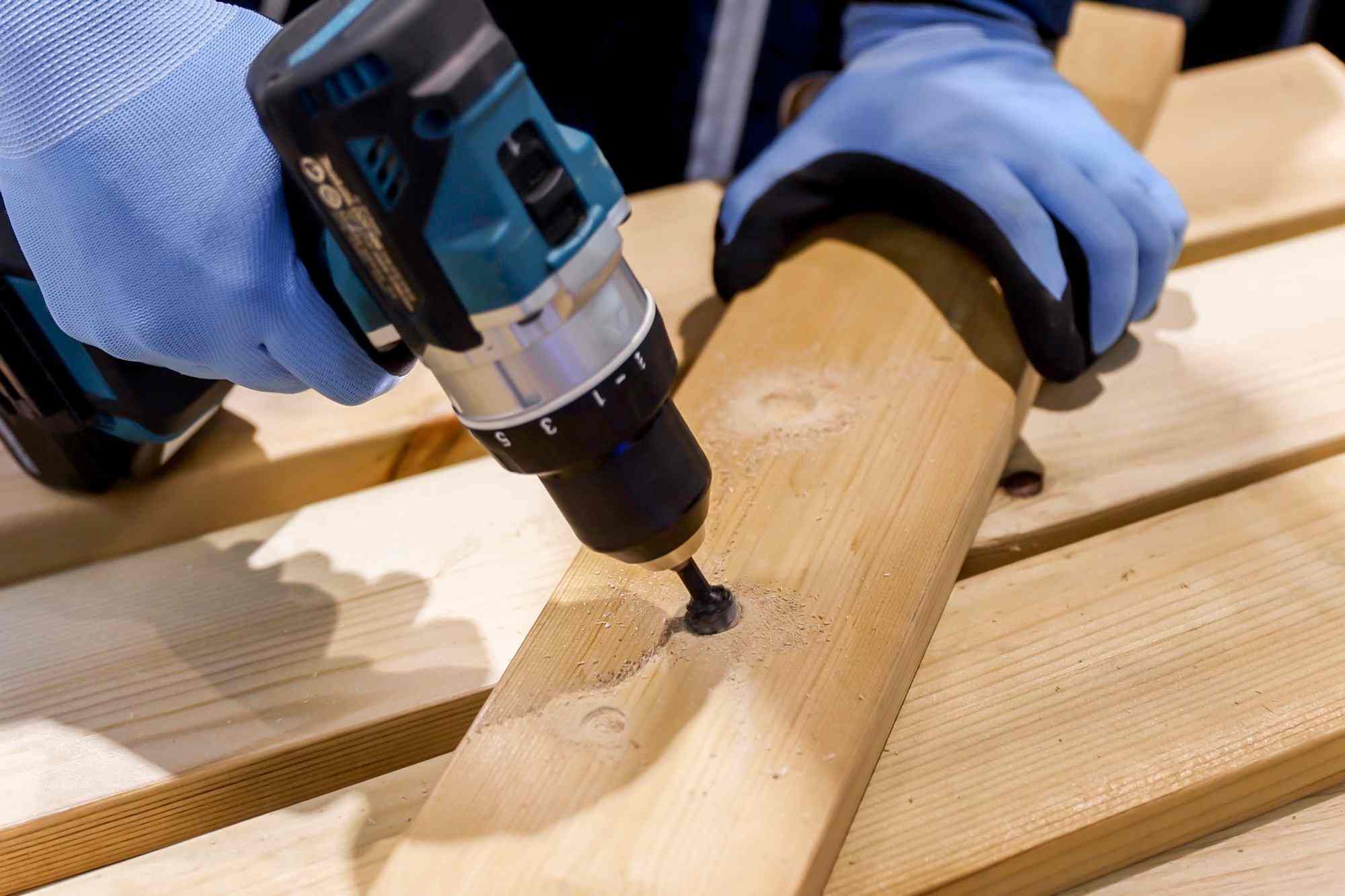
After lunch, switch from conversation mode to checking mode. Pick up samples, look at weld quality, surface finish, packaging, and weight. Ask to see certificates and test reports rather than accepting a verbal claim. If the supplier has brought a sample that is close to your requirement, mark it with a photo and note the booth number in the same shot.
Keep the 15:00–16:30 open-hall sweep limited to one product category or one hall. Walk that block systematically, even when a booth is not on your original list. This is when you find the new supplier your current vendor would not mention.
End-of-Day Routine: Turn Conversations Into Commitments
The last 30 minutes are not for browsing. At 16:30, find a standing table, sit down with your notes, and process the day while the conversations are still fresh. For each meaningful contact, answer three questions: what was discussed, what is the next step, and who sends the next email.
Rate each supplier on a simple scorecard: product fit, price, certification, factory type, and willingness to answer hard questions. Write the action in your CRM or notebook before you leave the hall. That single habit makes the day repeatable tomorrow.
Start with a shortlist before you fly. Send your product categories to [email protected] or call +86 21 6390 6161-832, and ask for the pre-show exhibitor shortlist. It is the one preparation step that turns this 9-to-5 schedule into a same-day sourcing win.
Frequently Asked Questions
How many halls can I realistically cover in one day?
Focus on two to three halls if you are doing serious supplier comparisons. If you are scanning a category, you can cover more, but the quality of each conversation drops as the number of halls grows.
Should I pre-book every meeting or leave time for discovery?
Pre-book the A-grade meetings and leave the last open-hall block for discovery. That way you protect the conversations that matter without becoming so rigid that you miss a stronger new supplier.
What should I bring to keep the schedule working?
Bring a printed hall map, a charged power bank, spare phone storage, a notebook, your product specifications, and a shortlist of target booths. Do not rely solely on Wi-Fi or on remembering details at the end of the day.
References
[1] Shanghai Metro, “Shanghai Rail Transit Network Map,” accessed June 2026.