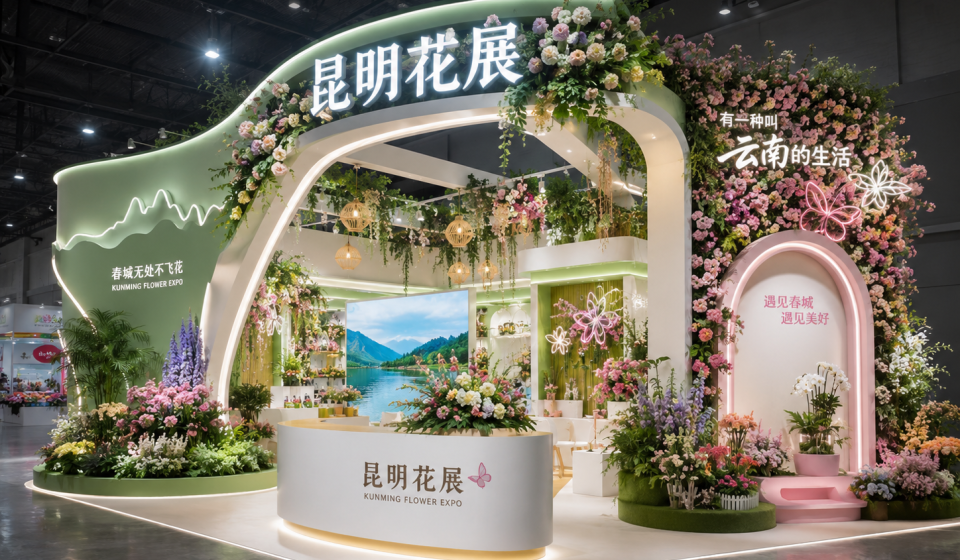

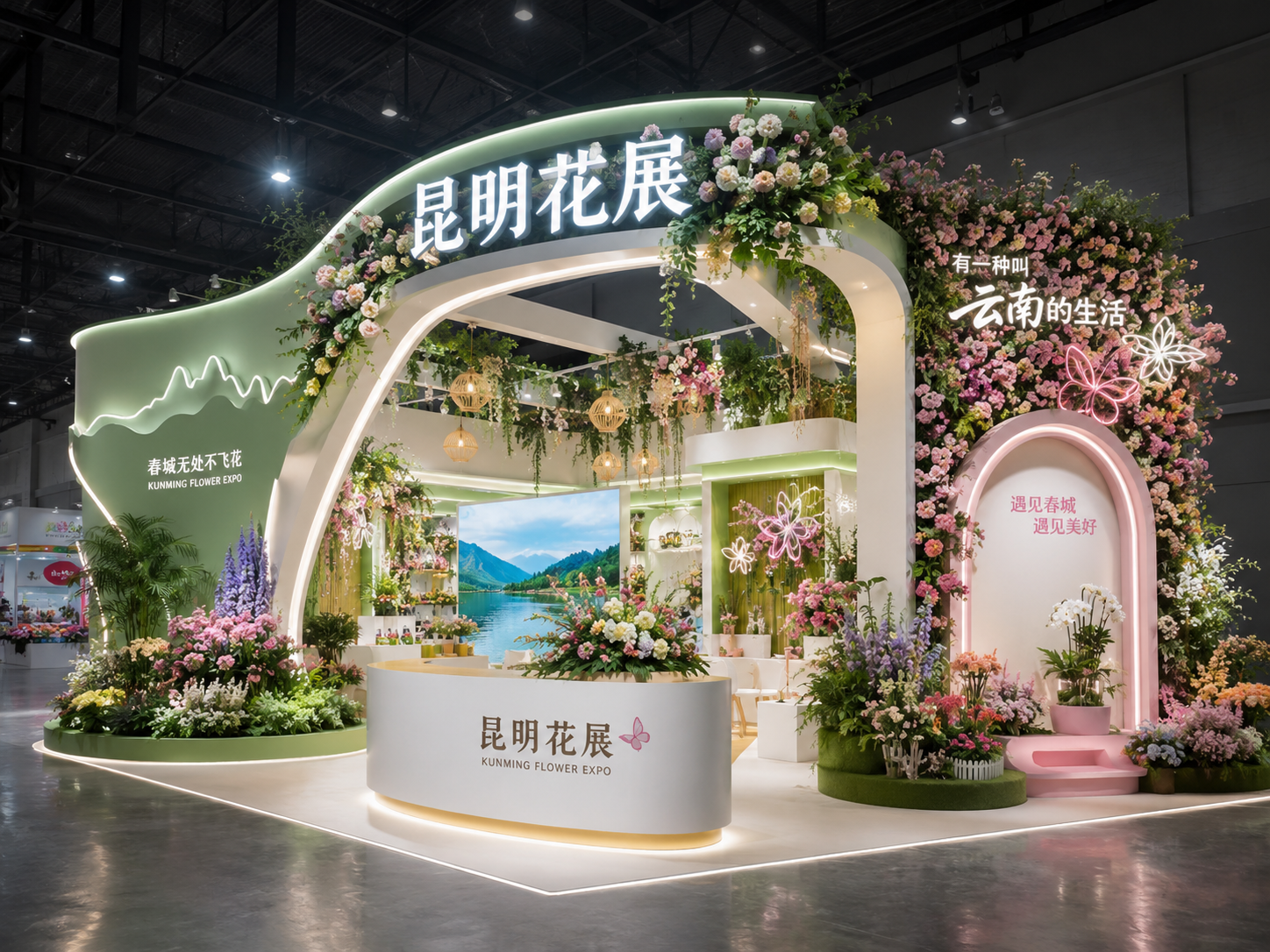
A single Kunming trip gives flower buyers something most sourcing calendars cannot: direct access to producers across fresh cut stems, potted plants, preserved flowers, and horticulture inputs. Building a multi-supplier flower portfolio in that one trip matters because depending on one supplier exposes a program to variety gaps, seasonal capacity limits, and quality drift. I have spent fifteen years in exhibition planning and international trade promotion, and the portfolios that hold up are built around category specialists, not one favorite grower. At Kunming International Flowers & Plants Expo, the full supply chain sits on one floor across 50,000 square meters, so the structure to do this already exists.
What Should a Multi-Supplier Flower Portfolio Actually Include?
Most buyers define a multi-supplier flower portfolio too narrowly. They assume it means three rose farms. In practice, a strong portfolio includes at least one lead and one backup supplier for each category you order repeatedly: fresh cut flowers, potted plants, dried and preserved lines, and any propagation or packaging inputs tied to your business. Spreading across categories matters more than having several suppliers inside one category. Each supplier should represent a distinct production area around Kunming, Yuxi, Tonghai, or the wider Yunnan flower belt, because altitude and temperature shift harvest windows and variety strength. Two suppliers in the same valley may face the same weather event; two suppliers in different zones will not.
| Category | What to confirm at IFEX | Portfolio role |
|---|---|---|
| Fresh cut flowers | Stem length, grade, peak harvest months, cold chain | Lead volume category for most importers |
| Potted plants | Pot size, variety availability, export media rules | Balances seasonal cut flower exposure |
| Dried and preserved stems | Treatment process, color retention, pack size | Captures processed flower demand |
| Propagation inputs | Seed, bulb, and seedling health, documentation | Fits growers and breeding programs |
| Packaging and cold chain | Material spec, temperature range, lead time | Protects margins after the order ships |
Within each category, rank suppliers by volume fit rather than by booth size. A mid-size grower with consistent grading is often more useful than a large farm already stretched by major clients. The point is to build redundancy where your order volume is concentrated while keeping one slot open for a promising variety you did not plan to buy.
How Do You Segment Suppliers Before You Arrive at IFEX?
A floor that covers 50,000 square meters and draws more than 30,000 expected distributors, wholesalers, traders, floral retailers, and e-commerce buyers makes a plan necessary. Popular booths get busy quickly, and buyers who walk aisle by aisle end the day exhausted without a shortlist. Before arrival, I assign every target category to one of three buckets: core categories needing a lead or backup today, trial categories that can start with a small test order, and discovery categories where the goal is learning before buying. This keeps attention on shortlists, not brochures.
- Build the booth list by category and mark secondary choices.
- Register for the buyer badge and upload trade documents before the trip.
- Set a daily walk order: high-priority categories in the morning, discovery in the afternoon.
The segmentation step also reveals which categories you should not try to cover in one day. A buyer sourcing roses, potted orchids, preserved stems, and greenhouse equipment in eight hours will do all four poorly. Fewer categories with deeper supplier conversations produce a more useful portfolio.
How Do You Compare Suppliers Face-to-Face Without Wasting the Trip?
Buyers waste the most time at a large show by treating every stand as equally interesting. A comparison grid changes that. Ask the same five questions at every supplier and record the answers before you walk away: minimum order quantity, lead time after confirmation, cold chain handling, phytosanitary documentation experience, and ability to scale volume while holding grade. At previous IFEX editions, I have watched buyers collect brochures all day and leave with no basis to compare one quote against another. The trip cost is the same; the output is not.
The Questions to Ask at Every Stand
- What is the minimum order quantity for mixed varieties?
- How many days after order confirmation before the first carton is ready?
- Which cold chain steps do you control, and where does responsibility transfer?
- Can you show a recent phytosanitary certificate and export packing record?
- If volume doubles in peak season, which varieties and grades stay consistent?
Do not ask whether quality is good. Every supplier will say yes. Ask for evidence: grade standards, a sample bench, a phytosanitary record, a named cold chain partner. Evidence separates a farm that exports from one that hopes to.
If your program mixes fresh cut stems with dried or potted lines, it is worth confirming phytosanitary and cold chain compatibility before you finalize the supplier list. Send your target categories and shipment mode to [email protected] and the IFEX team can confirm which exhibitor categories match before you arrive.
How Do You Move From a Conversation to a Contract That Ships?
The gap between a good conversation and a shipping supplier is a one-page term sheet. Before leaving Kunming, write down the product name, stem length or pot size, grade, unit price, minimum order quantity, lead time, incoterm, and cold chain requirement. Without that sheet, you are comparing memories, not offers.
What to Put in a One-Page Term Sheet
- Product and specification range
- Unit price and currency
- Minimum order quantity and production lead time
- Incoterm and transfer point
- Payment terms and documentation package
Phytosanitary certificates and import inspection requirements differ by destination country. Confirm that the supplier has shipped to your region before and can show the same documentation package they would use for your order. Also confirm the cold chain handoff. A supplier that controls packhouse cooling but not airport transfer is not necessarily unreliable, but the transfer point must be written into the term sheet. Payment discussions should cover the method your company can actually execute, whether letter of credit, telegraphic transfer, or another instrument, and the point at which title and risk transfer.
How Do You Turn One Trip Into a Working Supplier Portfolio?
The most common failure after a sourcing trip is not that buyers meet the wrong supplier; it is that they leave with contacts nobody manages. A portfolio becomes real when each shortlisted supplier has a next step attached: a test order, a sample shipment, or a follow-up call with a deadline. IFEX Kunming is built to link supply and demand across the full floral chain, from seed genetics to retail shelves. The matchmaking platform and on-site team can turn a category shortlist into introductions and pre-scheduled meetings, but the request has to be specific. Send your target categories, expected volume, and shipment window to [email protected] or call +86 10 5933 9349. A short, concrete request gets a better response than a general invitation to talk.
What Else Should Buyers Ask About Multi-Supplier Sourcing at IFEX?
How many suppliers should a first-time buyer shortlist?
For a first trip, shortlist two to three credible suppliers per core category, then assign one lead and one backup after follow-up. A portfolio is not built by collecting twenty business cards. It is built by comparing quotes, sample quality, lead times, and documentation readiness. If you buy roses, potted orchids, and preserved stems, three suppliers total is shallow; six to nine across three categories is more defensible. Walk the floor with category targets rather than a general intention to see everything. That keeps the day focused and the portfolio balanced.
Can I build a multi-supplier flower portfolio if I only have one day at the show?
It depends on how much pre-work you do. One day is enough to meet two to three categories of suppliers if you arrive with a fixed booth list and a comparison grid. You will not see every grower, but you do not need every grower. Pick categories where you already know your volume, then divide the day into category blocks. If you try to cover fresh cut, potted, processed, and packaging in eight hours, all four will be superficial. Cut one category and go deeper on the rest. The portfolio can be expanded on a second trip or through post-show follow-up.
Should I sign contracts during the trip or wait until I return home?
The real question is not when you sign; it is what you have verified before you sign. Signing at the show is common when the buyer has inspected samples, confirmed specifications, and walked through cold chain and phytosanitary requirements. If any of those are missing, wait. What matters is that the term sheet has enough specificity to make the contract enforceable: grade, stem length, price, minimum order quantity, lead time, incoterm, and documentation. A contract signed a week later with those terms intact is stronger than a rushed signature in Kunming.
What if two suppliers quote nearly identical prices?
In that case, look at the operating detail behind the price. One supplier may quote ex-farm while another includes packhouse sorting and cold storage. One may have tighter grading consistency but a longer lead time. At IFEX, I have seen buyers break a tie by comparing sample uniformity rather than price alone. Ask both suppliers to show their grading standards and a recent phytosanitary certificate. The supplier with lower price volatility and clearer documentation is usually the safer lead. If your program mixes fresh and processed lines, share your target specifications with [email protected] and the team can confirm which exhibitor categories match before you commit.