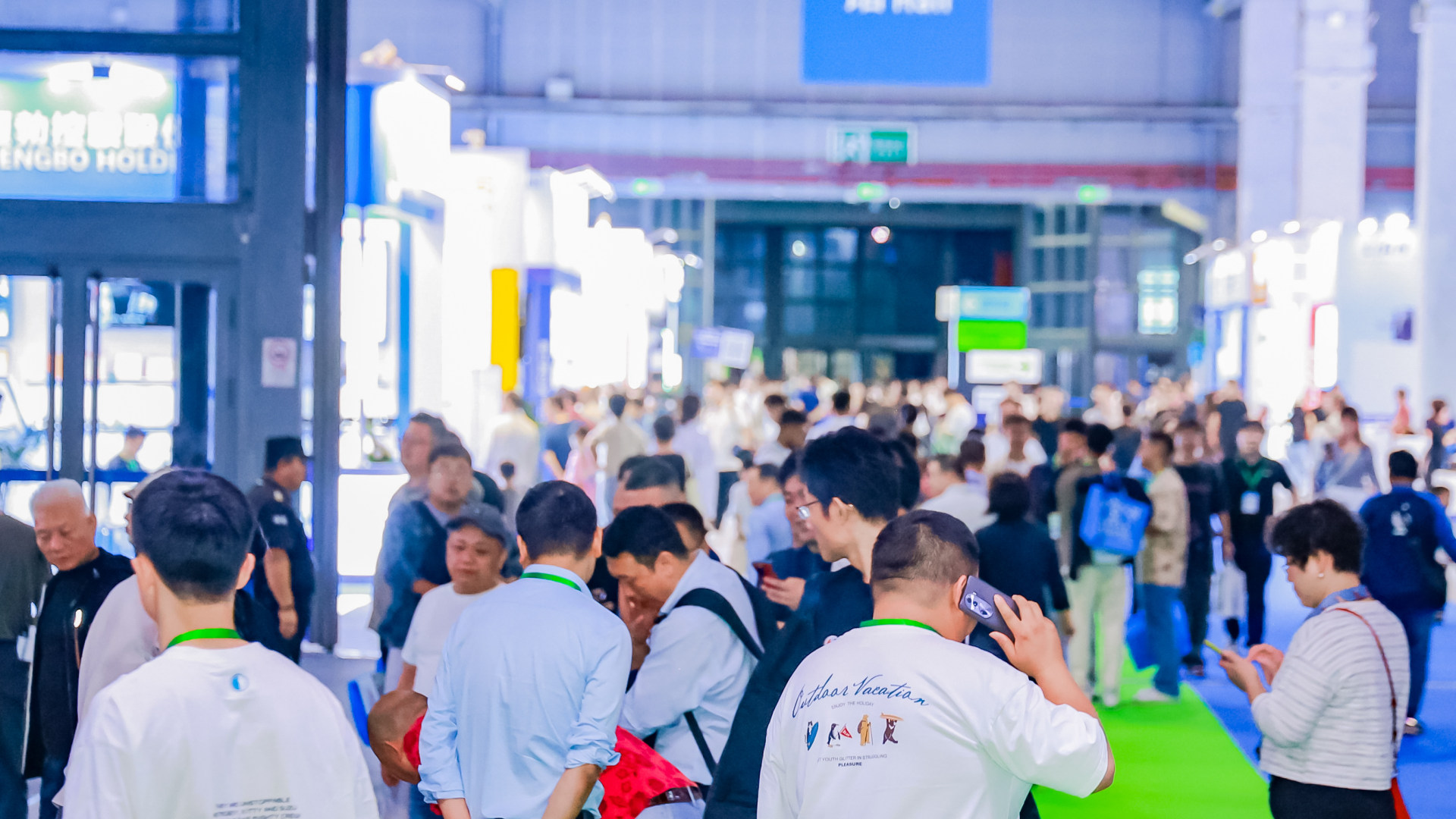

An auto parts exhibition is a structured sourcing platform, not a display hall. Buyers use it to inspect components, compare factories, understand production capabilities, and qualify suppliers before committing to tooling, samples, or purchase orders. In my work with APES Auto Parts Expo Shanghai, the buyers who get the strongest results treat the event as a supplier qualification exercise rather than a walk through booths. The real product at a China auto parts exhibition is verified access to manufacturers across engine, chassis, brake, electronics, and NEV component families.
What Is an Auto Parts Exhibition for a Professional Buyer?
An auto parts exhibition is a temporary market where manufacturers, export trading companies, and international buyers meet in a single venue to compare components and negotiate supply terms. For a professional buyer, the practical definition is narrower. It is a concentrated qualification environment where you can inspect sample parts, review material and testing documentation, and challenge suppliers on production processes in the same day, whether your program is OEM, ODM, or aftermarket.
The value comes from structure. A well-run China show groups exhibitors by component family and sourcing cluster. That grouping lets a buyer move from engine components to chassis parts to NEV thermal management without losing the comparison thread. You are not discovering random factories; you are building a shortlist against a product specification.
How Does the Sourcing Work Differ From an Online Directory Search?
An online directory tells you what a supplier says it makes. An exhibition floor shows you what the supplier brought, how the component is finished, and how the team answers technical questions. I have watched buyers spend days on a directory and still not know whether a factory actually produces a part or only trades it. On a show floor, that distinction is often clear within the first five minutes.
The second difference is decision density. At an auto parts exhibition, you can compare tolerances, materials, packaging standards, and export experience across several suppliers in one afternoon. That is difficult to replicate through email threads because each online inquiry resets the context. The exhibition compresses the supplier screening stage and forces clearer differentiation.
Which Auto Parts Categories Should You Map Before You Arrive?
Mapping the floor by component family is the most effective preparation step. Buyers who arrive with a clear list of part numbers, annual volumes, and target markets spend booth time on substance. Buyers without a map spend the first day orienting themselves and leave with brochures instead of qualified leads.
| Component family | What to verify on site | Why it matters |
|---|---|---|
| Engine and powertrain | Material, casting or forging process, machining tolerance, QC records | Confirms the supplier can hold specification under repeat volume |
| Chassis and suspension | Material grade, weld quality, fatigue test evidence | Separates durability-led designs from commodity parts |
| Brake systems | Friction material, ECE R90 or equivalent test data, batch traceability | Quality risk is safety-linked and not adjustable later |
| Auto electronics and lighting | Connector type, wire gauge, heat dissipation, lens clarity | Small differences change field performance and return rates |
| NEV components | Insulation, high voltage safety, thermal management integration | Requires a different qualification and documentation set |
How Do You Qualify a Booth Supplier in One Meeting?
Pick the first five minutes carefully. Ask what the supplier manufactures directly and what it buys from other factories. At a genuine manufacturer booth, the team can usually answer tooling, tolerance, and raw material questions without shifting into sales language. At a trading booth, the same questions push the conversation back to catalog references and pricing.
What separates a factory booth from a trading booth?
A factory booth usually has physical cutaways, failed parts, measurement reports, or production floor references. A trading booth tends to lead with a product catalog and broad capability claims. Neither is invalid, but the sourcing terms differ. With a factory you can negotiate tooling, packaging, and quality responsibilities directly. With a trading company you may gain simpler consolidation but less direct control over process changes.
What should you ask before you ask about price?
Ask for the material specification, the minimum order quantity, the production lead time, the export market experience, and the quality documents available for review. Price means nothing until those conditions are fixed. I have seen buyers receive an attractive first price and then lose the advantage when tooling, testing, and packaging charges were added later. The booth conversation is where those terms should surface.
If your program covers mixed component families or EV-specific requirements, confirm the exhibitor categories before finalizing your travel. Send your component family and sourcing country to [email protected] and we will confirm which zones and cluster booths match your list.
How Should You Plan Your Buyer Route at a China Auto Parts Exhibition?
Plan by component family first, then by industrial cluster. In a Shanghai event, you can move across clusters without leaving the hall: Yuhuan and Taizhou are strong on chassis and engine components, Ruian on brake parts, Wenzhou on automotive electronics, Changzhou on lighting, Qinghe on filtration, and Shiyan on commercial vehicle systems. Build a route that puts your highest-risk categories in the first morning when attention is sharpest.
Do not organize the route by booth size. The largest stands often belong to suppliers with the broadest catalogs, not necessarily the deepest capability in your part family. A smaller booth with a focused product range can deliver a stronger technical conversation. After the first pass, go back to two or three shortlisted booths with your actual part numbers and ask for written follow-up conditions.
If you are evaluating which auto parts exhibition to attend, the decisive questions are whether the exhibitor mix matches your component families, whether you can reach genuine manufacturers, and whether the floor layout lets you qualify multiple suppliers efficiently. Send your part numbers, annual volumes, and target markets to [email protected] or call +021-60280788. We will match your requirements against the APES Auto Parts Expo Shanghai exhibitor base and confirm whether the floor structure fits your sourcing list before you commit.
What Should Buyers Ask Before Attending an Auto Parts Exhibition?
Do I need to be an importer to attend an auto parts exhibition in China?
No. An auto parts exhibition is open to importers, distributors, OEM procurement teams, and first-time sourcing companies. The more useful question is whether you arrive with a defined part list. Visitors who bring drawings, target volumes, and certification requirements get specific answers. Visitors who arrive with only a general interest in auto parts spend more time filtering than comparing. A buyer badge is enough to enter, but a sourcing brief is what turns the visit into a shortlist.
Is booth price the same as unit price?
A common mistake is to compare booth cost with part price. They are two different decisions. Booth price is what a supplier pays to exhibit, and it influences whether a company is present, not what your component will cost. Your unit price depends on material, order quantity, tooling, packaging, and delivery terms. When you meet a supplier at a booth, move the conversation from exhibition presence to the specific quote structure that applies to your part number. That is where the real pricing discussion begins.
Can I negotiate factory direct pricing at a Chinese auto parts exhibition?
It depends on whether you are standing in a factory booth or a trading company booth. If the booth is operated by the actual manufacturer, you can usually discuss factory direct pricing, tooling costs, and order terms. If the booth is run by an export trading company, pricing may include consolidation, documentation, and service fees. Both models work, but the margin structure and control points are not the same. Confirm who owns the production line before you compare the first quote.
Which documents should I bring to an auto parts exhibition?
The better question is which product data to bring, because a visitor badge gets you into the hall but your part numbers get you useful quotes. Bring drawings, target quantities, current samples, required certifications, and your delivery market. Those details let a supplier respond with a workable offer instead of a brochure. If your sourcing list covers multiple component families, send it to [email protected] and we will confirm which exhibitor zones match before you arrive.
If you’re interested, check out these related articles:
APES 2026 to Redefine Global Sourcing Landscape as Automotive Industry Eyes Resilient Future
Tomorrow World: Innovation Achievement Exhibition and Industry Future Forum
