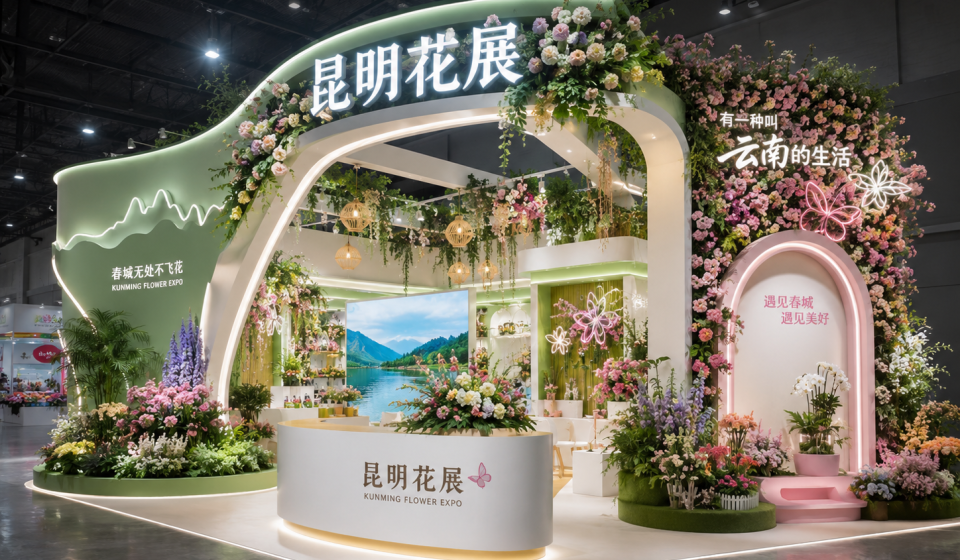

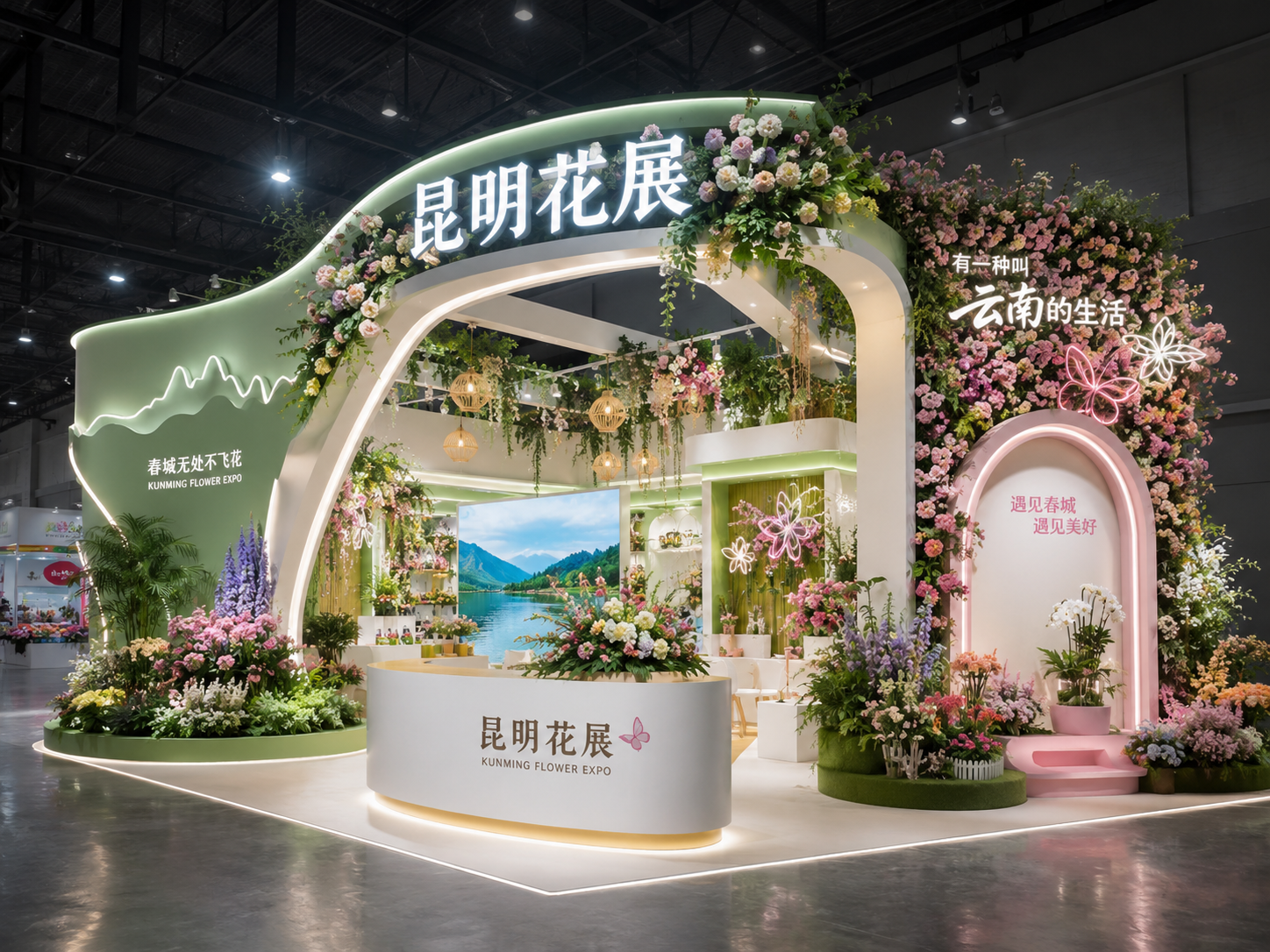
A Dutch breeder looking at China is not chasing a distant experiment. The country’s cut flower consumption has moved from occasional gifts to daily household and workplace purchases, and Kunming sits at the center of that shift. IFEX Kunming occupies 50,000 square meters and draws more than 30,000 distributors, wholesalers, retailers, and e-commerce buyers. In my fifteen years of exhibition planning and trade promotion, I have seen that breeders succeed when they treat the fair as a partner-qualification channel, not a badge collection exercise. The real payoff comes from pairing market access with enforceable propagation terms. What happens after the fair determines whether a promising conversation becomes a licensed production program.
Why Do Dutch Breeders Look Beyond Europe for Growth?
European floriculture remains demanding, but it is also a replacement market. A new variety often succeeds by displacing an existing product on the same shelf. China adds new consumption moments, from home bouquets to office flower subscriptions, and that changes the growth arithmetic for a breeder. The production base matters just as much. Kunming is the largest cut flower production and distribution center in China, and its surrounding growing regions, including Yuxi and Tonghai, hold the kind of concentrated production capacity that makes a licensed variety commercially viable.
I have watched Dutch breeders arrive at IFEX with two different postures. The first treats China as a market for finished genetics. The second treats it as a production and licensing partner. The second posture works better because it aligns with what Chinese growers and distributors actually want: varieties that perform under local conditions, with clear propagation rules and reliable technical support. Without that alignment, even a strong variety stalls after the first trial shipment.
What Does a Dutch Breeder Encounter at IFEX Kunming?
At IFEX, a breeder meets the whole chain in one hall: planters, trade visitors, experts, and floral masters. The forums share current supply development and trend direction, which gives a breeder a fast read on what Chinese buyers are already asking for. The matchmaking platform links supply and demand, and that is where the real qualification starts. Instead of walking a floor and hoping, a breeder can arrive with a target profile: which growers have export capacity, which distributors handle e-commerce, which retailers need differentiated series.
The venue itself shapes the conversation. Because the fair sits in Kunming, the discussions quickly move from catalog pages to production realities. A breeder can talk about cold chain, vase life, and disease pressure with people who manage those conditions daily. That practical depth is not common at consumer-facing shows.
| What a breeder evaluates | General trade show | IFEX Kunming |
|---|---|---|
| Buyer profile | Mixed local foot traffic | More than 30,000 distributors, wholesalers, retailers, and e-commerce buyers |
| Supply chain access | Usually retail only | Full chain from propagation material to retail |
| Technical dialogue | Limited to sales staff | Direct access to planters, experts, and floral masters |
| Location logic | Consumer city | China’s largest cut flower production hub |
If your breeding program includes protected varieties or tissue culture material, confirm phytosanitary and IP documentation requirements before you finalize a sourcing list. Send your variety list and target region to [email protected].
How Do Conversations Turn into Contracts for Breeders?
The sequence is predictable, but only if a breeder plans for it. Initial warmth means little by itself. What matters is whether the counterparty can describe its production area, export licenses, and target customers in specific terms. I advise breeders to move through five stages before considering a deal real.
- Buyer capability check: confirm the buyer’s existing channels and whether they already sell protected varieties with clean records.
- Technical exchange: share trial requirements, not final genetics. Ask about growing conditions, water quality, and cold chain access.
- Trial terms: define a small propagation test with clear acceptance criteria.
- IP and contract scope: record which varieties are licensed, for which regions, and for what volume.
- First commercial order: only after the trial batch performs.
This staged approach sounds slower, but it prevents the most common failure I see after a fair: a breeder sends full genetics to a partner who turns out to be a grower without distribution reach, and the variety leaks into the market before the breeder has a commercial position.
Where Do Dutch Breeders Find the Right Chinese Partners?
Partner fit depends on the breeder’s model. A breeder selling finished cut stems needs importers with cold chain and retail programs. A breeder licensing propagation stock needs growers with tissue culture or plug production capacity. A breeder targeting e-commerce needs partners who can handle small orders and fast fulfillment. IFEX lets a breeder compare these models side by side instead of committing to one channel from a distance.
In my experience, the strongest pairings happen when a breeder arrives with a propagation model rather than a generic variety catalog. One Dutch breeder I observed used the matchmaking desk to shortlist three Yunnan growers with export-grade packing lines, then spent the second day walking fields instead of repeating the same pitch in the booth. That field time changed the negotiation because the breeder could see the gap between what a grower claimed and what the packhouse actually handled.
What Should a Dutch Breeder Do After the First Fair?
Most of the value is created after the fair closes. The first week after returning should go to document exchange: trial protocols, variety lists, and IP declarations. The second month should go to a trial shipment, if technical alignment is real. The second visit, ideally timed around a production cycle rather than another fair, is when a breeder confirms whether the partner can repeat quality across two harvests.
If you are preparing a China entry plan, the next step is specific. Share your variety list, propagation requirements, and target buyer profile with the IFEX team. We can confirm which growers, distributors, or licensing partners fit your requirements before you travel, and that saves days of unfocused meetings. Send these details to [email protected] or call +86 10 5933 9349.
What Do Dutch Breeders Ask Before Entering China?
Is China ready for protected Dutch varieties?
Yes, for serious commercial buyers, protected Dutch varieties are ready, but readiness depends on the paper trail. Chinese growers working with export markets already use licensing contracts and phytosanitary certificates. The risk is not with all buyers; it concentrates where a breeder skips written terms because the meeting felt promising. The practical step is to register variety names and propagation restrictions before the fair, and to share only trial material for the first exchange.
Do I need a local partner before attending IFEX?
Many breeders assume they need a local partner before attending. That assumption costs them time. IFEX itself works as the screening layer: the matchmaking platform and forum sessions let you test demand and partner capability without signing anything in advance. You can arrive with a shortlist built by the organizing team, then use the three days to compare candidates face to face. The local partner decision should follow the fair, not precede it.
How long does it take from first meeting to first shipment?
It depends on the crop and the propagation route. Cut flower varieties can move to trial shipment within four to six months if the grower already has cold chain and export processes. Potted plant or tissue culture lines take longer, often eight to twelve months, because propagation stock must be multiplied and inspected. The timeline shortens when a breeder arrives with complete trial protocols and phytosanitary records, because the counterparty does not have to guess what the breeder needs.
Can a breeder source production partners without giving up IP?
In programs I have supported, breeders keep control when disclosure is staged. Start with public performance data and a trial agreement that limits propagation to an agreed area. Only after the trial batch passes and the partner proves distribution reach should full parent material move. This staged disclosure is not secrecy; it is the normal sequence in licensed variety programs. If you are unsure which IFEX exhibitors match your propagation protocol, share your requirements and we can confirm the shortlist before you commit to travel.