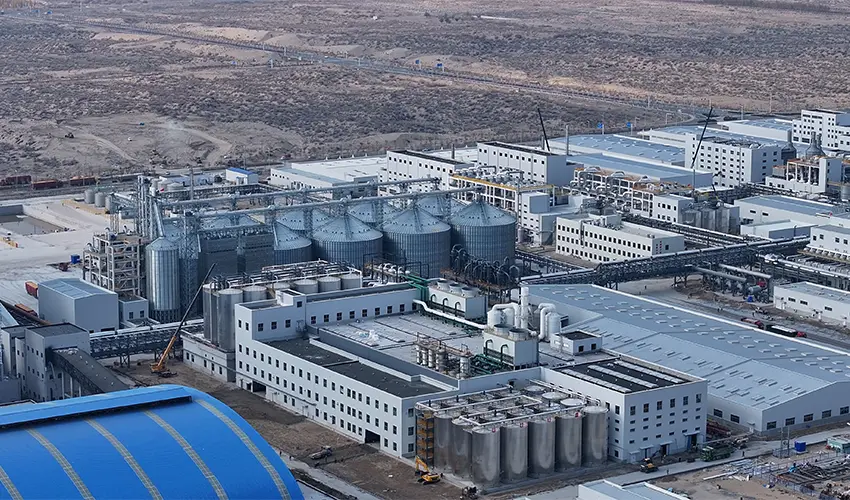

In fuel ethanol plants, the distance between a stable alcohol yield and a fermenter that stalls midway through a run often comes down to one biological input: ethanol fermentation yeast. Corn supplies carbohydrate, enzymes convert starch to fermentable sugar, but the yeast is the living system that must keep converting under heat, pH, and ethanol stress. From integrated grain processing projects I have supported, strain selection is not a laboratory afterthought; it is the control point where yield stability, cycle time, and by-product quality are set. This article explains how plant teams should select, propagate, and manage ethanol fermentation yeast through project design and daily operation.
Ethanol Fermentation Yeast Strain Selection Criteria
Strain selection should start with fermentation stress, not with catalog performance claims. A yeast culture that looks strong in laboratory malt extract may fail in corn mash that combines high sugar concentration, rising ethanol, and organic acid accumulation from bacterial contamination. In our alcohol EPC planning, we rank strain characteristics by how they behave inside the full process, including downstream separation and yeast recycle, rather than by claimed maximum alcohol output alone.
| Selection Parameter | What It Tells The Plant Team |
|---|---|
| Ethanol tolerance | Whether the strain keeps converting as terminal alcohol rises |
| Thermotolerance | Whether yeast remains active when cooling capacity is limited |
| Osmotic tolerance | Whether the culture survives high-gravity corn mash solids |
| pH tolerance | Whether acid build-up late in the run suppresses fermentation |
| Flocculation profile | Whether yeast separates cleanly for recycle or must be treated downstream |
Flocculation deserves separate attention. In continuous ethanol fermentation yeast systems, a strain that flocculates too strongly can settle in pipes and lower effective cell count in the fermenter. A non-flocculent strain may stay suspended but load the separation line. The best choice depends on whether the plant runs batch, continuous, or a hybrid with yeast recycle. That decision reaches equipment scope, not only laboratory selection.
Corn Mash Compatibility And Strain Stress Tolerance
Corn mash brings specific stress factors. Dry-mill ethanol processes produce glucose and maltose after liquefaction and saccharification, but the yeast also has to work through residual solids, pH shifts, and temperatures that vary across tall fermenter designs. A strain selected for sugarcane molasses is not automatically suited to corn dry-mill high-solids conditions.

Pure culture propagation is where corn mash compatibility first appears. We look for yeast that consumes glucose and maltose without extended lag, because every hour of lag in a production fermenter raises energy cost and infection risk. In integrated projects, we treat lag time as an engineering variable; it influences how many fermenters a facility needs for the same annual output. The same logic applies to high-gravity mash: a strain that slows early under high solids may erase the water and energy savings the process was designed to capture.
Propagation System Design And Nutrient Control
Propagation design is more than scaling up a flask culture. The system must hold yeast in aerobic growth phase long enough to build cell mass, then pitch a concentrated and active inoculum into the main fermenter. If sugar feed is too aggressive at the start, the yeast shifts into ethanol production before enough cells have formed. That weakens the culture going into the main run. Propagation equipment should be treated as a sterile process boundary. Sterile air, filtered water, clean-in-place piping, and controlled sugar feed determine whether the seed culture arrives with high viability or arrives already contaminated.
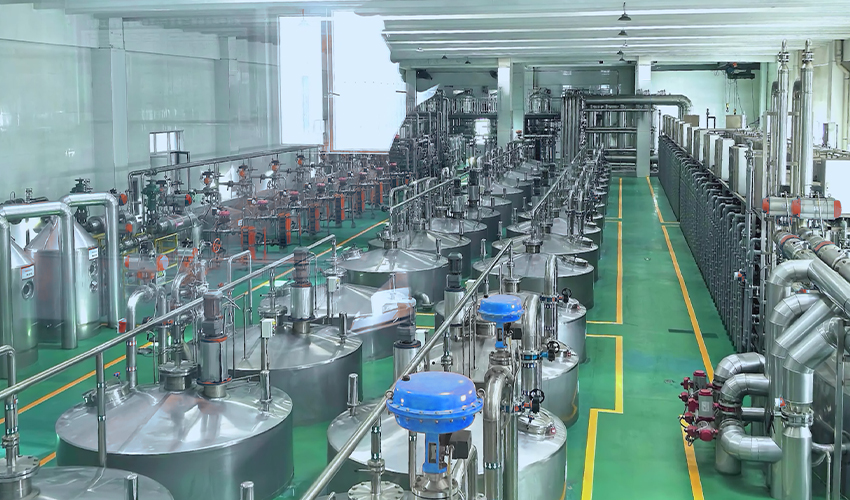
Yeast needs oxygen for membrane synthesis during propagation, but dissolved oxygen alone does not explain healthy growth. Nitrogen, phosphorus, zinc, and magnesium must be present in the right balance, especially when the plant uses recycled backset or process water with variable mineral content. We have seen propagation tanks that looked mechanically sound but could not hold cell viability, and the cause was a micronutrient gap rather than aeration hardware. Contamination control starts in propagation because lactic acid bacteria can double at a pace that overwhelms batch hygiene. Organic acid monitoring is more useful than total plate count as an early signal, because it shows metabolic activity rather than just the presence of organisms.
If your corn ethanol program runs high-gravity mash or continuous fermentation with yeast recycle, it is worth confirming propagation aeration capacity and nutrient dosing before finalizing the BOM. Send your current fermentation data and target capacity to [email protected].
Scaling From Laboratory Slant To Production Fermenter
Scale-up is where many yeast programs lose strain integrity. The laboratory slant is a pure culture; the production fermenter is a competitive environment where wild yeast and bacteria are present in low but real numbers. Every transfer stage, from shake flask to pre-culture vessel to propagation tank, should reduce contamination risk rather than simply increase volume. In practice, we advise plant teams to verify cell count and viability at each transfer point, not only at final pitch. A drop in viability between the second and third stage is easier to correct than a failure discovered after the main fermenter is inoculated.
The same discipline applies to yeast recycling in continuous systems. A stable numeric cell count does not prove that the cells are still fermentation-competent. We look at generation time, ethanol yield per unit sugar, and organic acid trend together. When those measures drift, the fix usually sits in propagation control or nutrient balance, not in simply adding more yeast.
Ethanol Fermentation Yeast Management Within EPC Scope
In an integrated ethanol plant project, yeast decisions are not isolated from civil, mechanical, and control scope. The propagation system location affects steam, air, CIP, and process water routing. The fermenter headspace and piping layout affect whether a flocculent strain creates operational difficulty. The control system needs to manage pH, temperature, sugar feed, and aeration in sequence, not as separate loops.
AGRIFAM’s grain-based alcohol and fuel ethanol EPC work treats fermentation as the biological core of the operation. Yeast strain requirements and propagation capacity are set early, alongside corn receiving, milling, distillation, and by-product handling. This prevents a situation where good frontline biology is forced to work inside an EPC layout that undercuts it.
If your team is trying to hold alcohol output steady while corn lots change, fermentation is one of the first places we look. Send your target capacity, corn specifications, and current fermentation data to [email protected] or call 010-8591 2286. We will confirm the propagation and strain parameters that match your project scope.
Questions Plant Teams Ask About Ethanol Fermentation Yeast
How often should a fuel ethanol plant refresh its yeast culture?
A fuel ethanol plant does not need routine culture replacement if propagation conditions stay controlled. Yeast can remain stable through many generations when sugar feed, aeration, pH, and contamination are managed. Replacement becomes necessary when viability shows a consistent drop, when organic acid trends point to infection, or when the strain has accumulated mutations that change fermentation performance. The trigger should be measured drift, not a fixed calendar interval. In continuous systems, we review generation count and ethanol yield per unit sugar during weekly operating meetings, then decide whether culture refresh is justified.
Does active dry yeast perform as well as cream yeast in fuel ethanol fermentation?
Active dry yeast is not automatically less productive, but it places more weight on rehydration and early lag control. Cream yeast can be pitched directly and tends to show faster initial activity. Dry yeast offers longer storage and simpler supply logistics for plants that do not operate a propagation system. Performance differences usually come from how the yeast is prepared and pitched, not from the product form itself. A plant should compare both against the same corn mash and at the same inoculation rate before choosing. The form that fits the plant’s operational discipline is the better choice.
What causes a propagation tank to underperform even when the main fermenter looks healthy?
It depends on where the loss occurs, but the most common cause we look for is substrate feed shock. If the sugar feed enters too quickly, young yeast cells shift into ethanol production before reaching target cell density. If aeration drops, the culture becomes oxygen-limited and slows growth even when pH looks acceptable. If the problem is contaminated seed, the main fermenter may still look normal for a day or two before the infection becomes visible. We isolate the propagation stage first because correcting early-stage conditions is cheaper than treating downstream fermenter problems.
When does high-gravity corn mash justify a more stress-tolerant strain?
In fuel ethanol programs we have supported, high-gravity operation tends to pay only when downstream separation, cooling, and yeast recycle can handle the added solids and ethanol load. A more tolerant strain becomes worthwhile when sugar concentration and terminal ethanol push ordinary yeast into early viability loss. If the plant cannot hold temperature below the strain’s stress range, a stronger strain is justified. The choice is economic, not just biological: higher mash concentration reduces water and distillation energy but raises infection and viscosity risk. If your program is evaluating high-gravity operation, share your target solids and fermentation data with [email protected] and we will confirm whether the strain and propagation system match.
If you’re interested, check out these related articles:
Driving Global Food Conservation Through Technological Innovation