Scent marketing’s next phase is not about putting more fragrance into a room. It is about precision delivery, smarter hardware, and scent programs that stay consistent across dozens of locations. Over the past decade, I have seen client questions shift from “what does a lobby fragrance cost?” to “how do we control intensity across 40 stores, what data will we see, and how often will each unit need service?” Those operational questions now shape more buying decisions than the fragrance itself. The brands that get this right treat scent as a managed system, not a one time product purchase.
What Is Actually Changing in Scent Marketing’s Next Phase?
The shift I see from our client work is from static scenting to managed scenting. Five years ago, a typical commercial project meant choosing an oil, placing a diffuser, and setting a timer. Now many clients ask for remote scheduling, run time tracking, and the ability to adjust scent intensity without a maintenance visit. That changes the buying calculation. A diffuser is no longer only a device; it is part of a building’s operational layer, alongside lighting and HVAC controls.
The second change is less visible but more consequential. Fragrance oils are being formulated for consistency, not just first impression. Oils that smell strong in one environment may fade quickly in another because of airflow, ceiling height, humidity, and return air patterns. Our team now tests fragrance trials in the actual HVAC conditions whenever a client is serious about a multi site rollout. That testing catches problems before hardware is installed.
Where Do Smart Diffusion Systems Fit in Commercial Scenting?
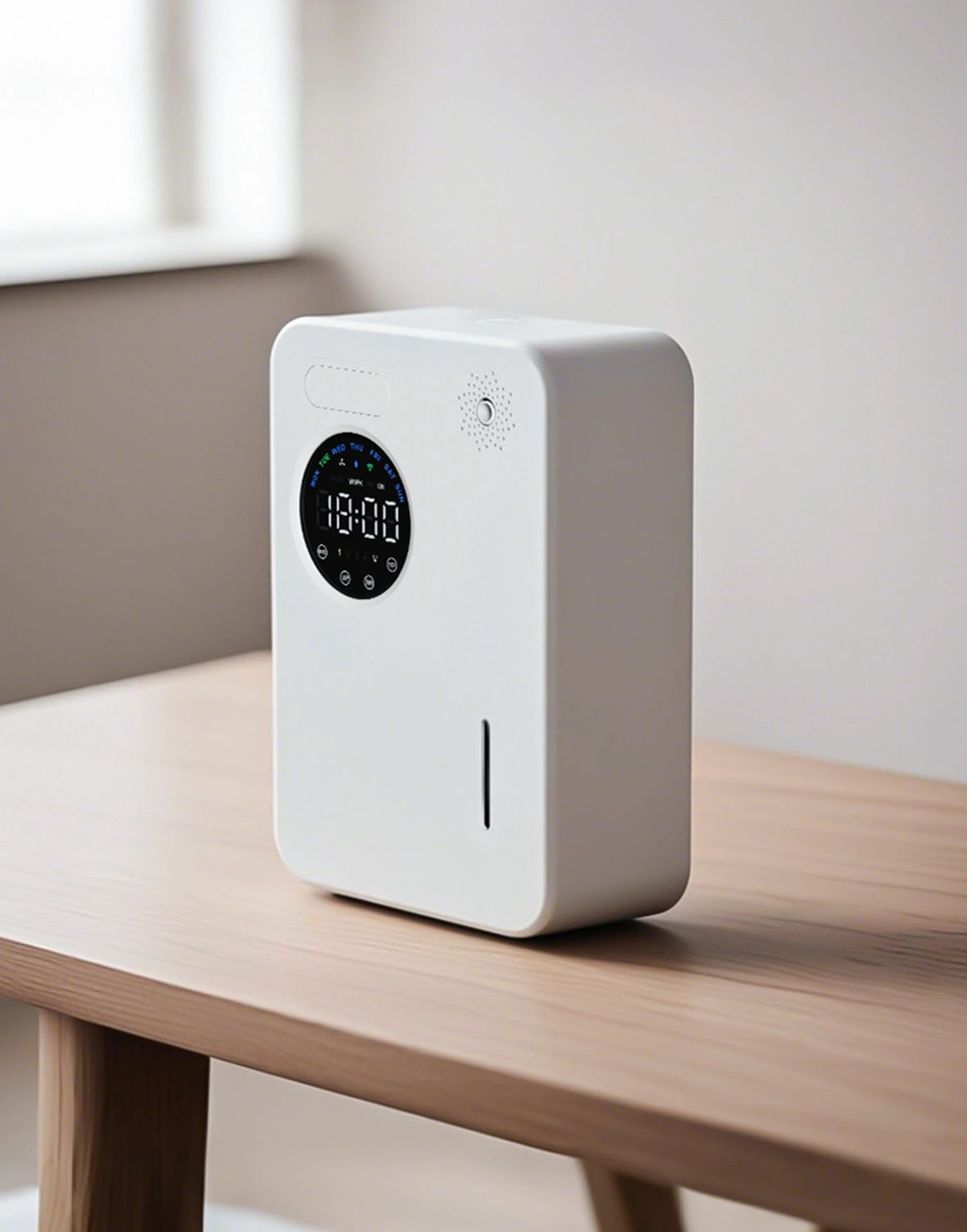
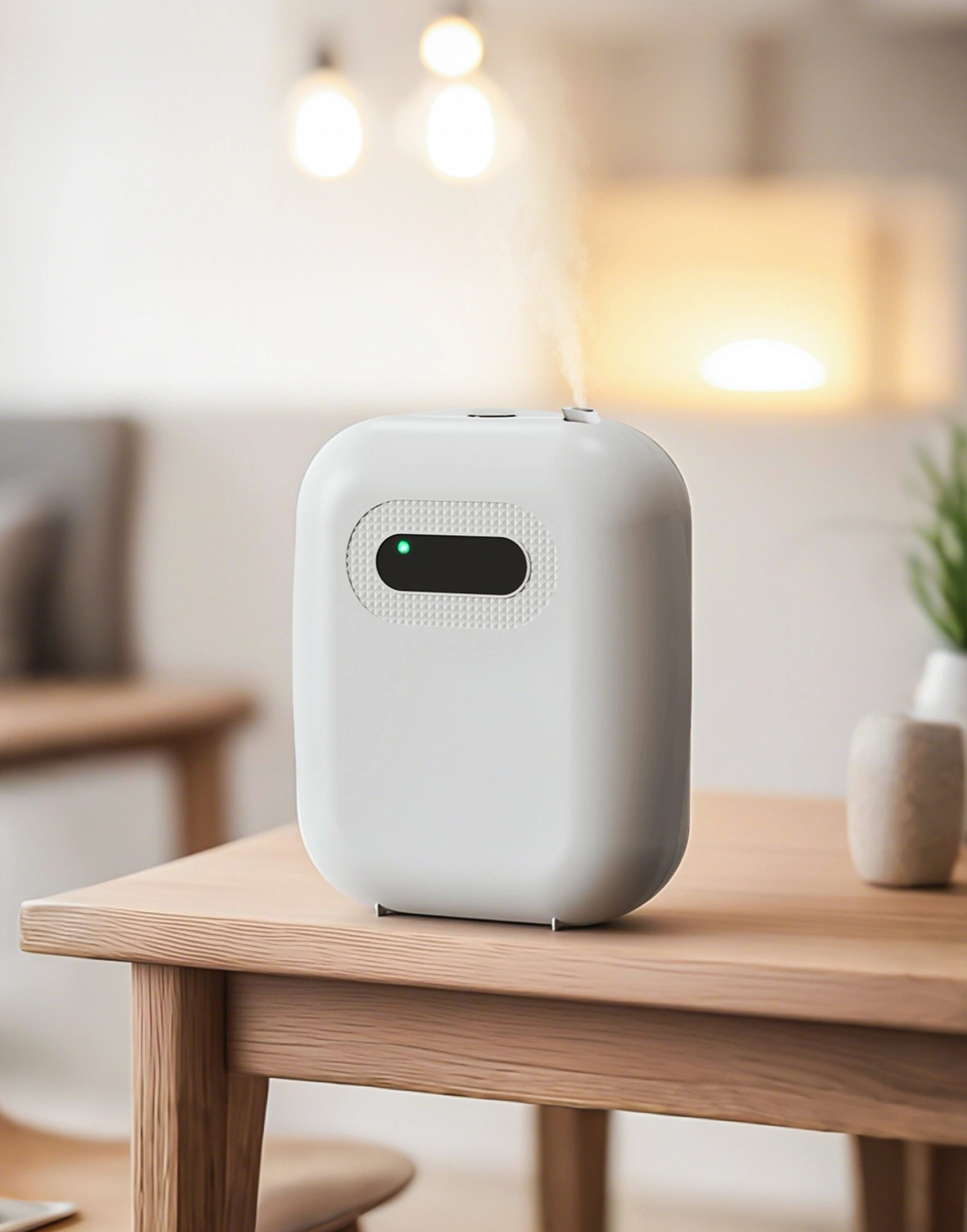
Smart diffusion is not about adding an app. The value sits in operational control. A Bluetooth APP system can adjust run intervals, intensity levels, and scheduling across zones. For larger facilities, HVAC integration delivers scent through existing air distribution, which avoids adding visible hardware to guest areas.
Why HVAC integration changes the buying decision
HVAC scent systems deliver fragrance through existing air handlers. That gives even distribution without visible units, but it also means the fragrance path includes filters, coils, and return air mixing. We confirm the oil is compatible with that airflow environment before quoting a project. If the scent concentration is not adjusted for air changes per hour, the result is either too faint at the entry or too heavy near the vents.
The table below compares common commercial systems we work with for different space sizes. Coverage figures come from our equipment specifications.
| System | Coverage | Power | Control |
|---|---|---|---|
| Commercial scent oil diffuser (Bluetooth APP) | 300 m³ (1,000 sq ft) | DC12V-1A | Bluetooth APP |
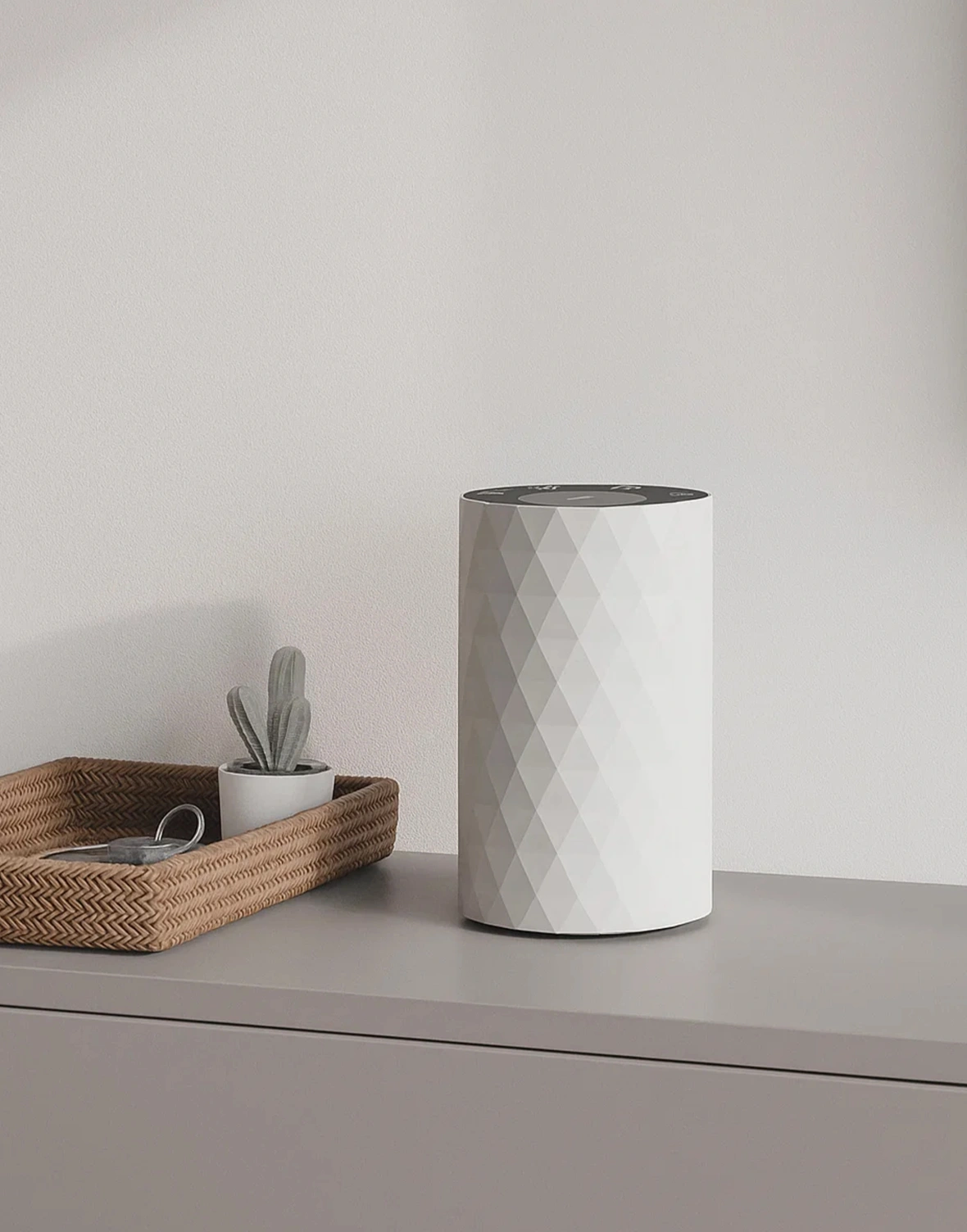
| Hotel scent oil diffuser tower | 3,000 m³ (11,000 sq ft) | DC12V-2A | Bluetooth APP |
| Commercial HVAC scent diffuser system | 8,000 m³ (30,000 sq ft) | DC12V-3A | Bluetooth APP |
| Dual system HVAC scent diffuser | 5,000 to 15,000 m³ (15,000 to 55,000 sq ft) | DC12V-3A | Bluetooth APP |
What Do Buyers Need to Know About Fragrance Oils for Future Programs?
The hardware gets most of the attention, but the oil determines whether a program succeeds. I judge a commercial fragrance oil by three things: cold throw in the target space, stability over weeks of continuous diffusion, and how the scent reads when it mixes with HVAC return air. A fragrance that smells clean in a sample vial may turn flat or sharp when it runs through a ceiling plenum.
This is where formulation matters more than the scent description. We keep over 300 fragrance types in our library, but the real work is matching the right base to the application. Hotel lobbies can carry richer woody or oriental profiles. Offices usually need a narrower top note that does not become tiresome over an eight hour day. A retail flagship may want a signature scent strong enough to register near the entrance but not so dense that it changes the perceived character of the space.
If your program covers more than one location or depends on HVAC diffusion, confirm oil consumption and coverage before finalizing your order. Send your floor plans and expected run schedule to [email protected] and we will advise on the right configuration.
How to test fragrance oils before rollout
Run the fragrance in the target space for at least one full business day, with normal occupancy and HVAC cycles. We sample the scent at entrance, midpoint, and seating areas. The goal is not to decide if the fragrance is pleasant. The goal is to confirm that it stays recognizable at the intended concentration without becoming fatiguing.
How Do You Design a Scent Marketing Program That Stays Effective?
Future proofing a scent marketing program is mostly about coverage planning and service access. I have seen too many projects where the initial scent intensity is checked in an empty space, then the building fills with people, stock, and heat load, and the fragrance behaves differently. We now ask clients to pilot in the busiest hour, not the quietest.
After the pilot, the program needs a simple operating rhythm. Schedule oil refills and atomizer checks on a fixed interval. For multi location brands, choose one scent intensity standard and one control interface so local teams do not create drift. The Bluetooth APP systems we work with can be locked to a corporate schedule, which reduces the risk that individual stores run scent too strong or not at all.
Which Scent Marketing Investments Should You Prioritize First?
My answer is consistent across most projects: prioritize the control system and fragrance stability before spending on custom packaging or decorative hardware. A reliable Bluetooth APP or HVAC system with accurate scheduling saves more operating cost than a more expensive diffuser shell. After that, put budget into a fragrance that has been tested in the actual space, because that is what guests remember.
At Scent-Share, we usually start with a small pilot across two or three representative locations. That pilot tells us the real oil consumption rate, service interval, and seasonal adjustment needed. It also gives the local team time to learn the schedule before the full deployment.
If you are planning a scent marketing program for 2026 and beyond, send your location count, ceiling height, and HVAC details to [email protected] or call +86 185 6557 5758. We will confirm the right diffusion coverage and fragrance match for your spaces. The goal is not more fragrance. It is more control over the experience.
What Should You Ask Before Choosing a Scent Marketing Partner?
Is scent marketing still worth it if foot traffic keeps changing?
Scent programs can still work when traffic shifts, but only if the control system can be scheduled to occupancy rather than a fixed timer. We set intensity lower during slow hours and higher before peak arrival. That prevents the space from smelling too strong during empty hours and keeps oil use within budget. The fragrance itself does not need to change; the delivery logic does. If a brand cannot adjust schedules remotely, any scent program will feel outdated within the first season.
Do stronger fragrances always create stronger brand recall?
Not necessarily. Over-scenting creates fatigue faster than it builds memory. A guest may notice a strong scent once, then begin to avoid the area because it becomes unpleasant. The more durable strategy is a consistent, moderate concentration that appears at the same entrance every visit. Recognition comes from repetition and stability, not intensity. We often recommend testing a mid level concentration before increasing output.
How do seasonal changes affect a scent program?
It depends on the local climate and the building’s HVAC load. In humid markets, top notes can read lighter because moisture carries fragrance differently. In dry, heated spaces, scent can fade faster and require shorter run intervals. The practical fix is to adjust oil output at the source, not to switch fragrance with every season. We usually schedule a seasonal tuning call for multi location brands so the program stays steady without local staff changing settings.
What should a small brand test before committing to a scent marketing program?
In pilot programs we run, the client tests one fragrance in one or two busy sites for a full business week before rollout. That reveals real oil consumption, guest feedback, and whether maintenance staffing is enough. It also shows whether the scent remains pleasant after a full day of continuous diffusion. A short sniff test cannot answer those questions. Send your location count and ceiling height to [email protected] and we will confirm a pilot setup before you commit.
If you’re interested, check out these related articles: