
Bioethanol carbon neutrality is a plant-level design outcome rather than a single technology switch. In fuel ethanol production, most carbon is released before a litre reaches the terminal, through corn receiving, milling, fermentation heat, distillation steam, and stillage handling. The route to net zero runs through the integration of grain storage, starch conversion, energy recovery, and byproduct value chains. I assess carbon in these projects as a mass balance from field to fuel, not as an emissions report filed after commissioning. That changes where capital goes and which design adjustments matter first.
Carbon Neutrality Starts with the Corn Supply Chain
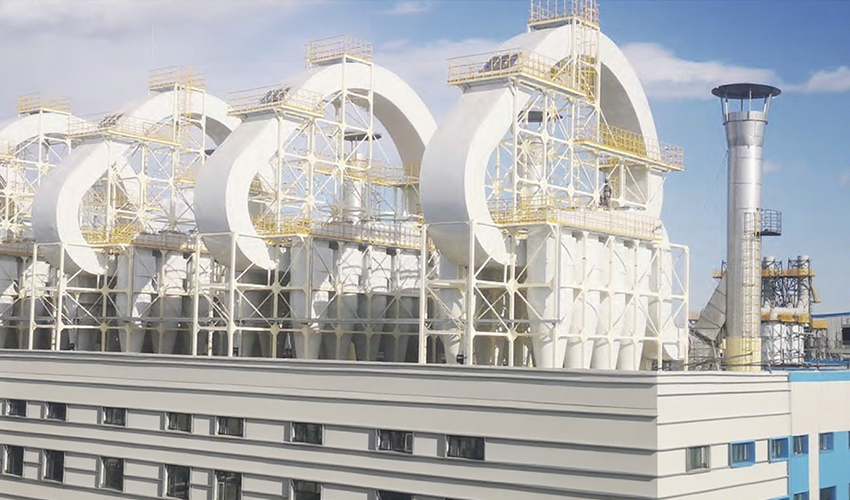
Incoming corn moisture and storage condition determine how much dryer energy and enzyme work the downstream plant absorbs. AGRIFAM designs grain depots with intelligent temperature and humidity control, mechanical ventilation, and nitrogen-regulated atmosphere to keep corn stable before milling. When grain enters liquefaction at a predictable moisture and test weight, the distillery avoids the hidden rework steam that comes from inconsistent feedstock.
The carbon conversation often skips this part because storage and drying look like grain logistics rather than ethanol production. That separation is a planning error. If corn arrives wet and is dried in the plant, that fuel demand lands inside the ethanol carbon balance. If it is stabilized in a silo with low temperature control and heat recovery, the same feedstock can move through the plant with less steam per tonne. I have seen plant studies where reconciling storage data with the milling plan reduces peak dryer load more effectively than a small distillation retrofit. Bioethanol carbon neutrality therefore starts before the first grind.
Process Steam and Distillation Set the Carbon Baseline
Distillation is the largest thermal load in a corn ethanol plant. The beer column, rectifier, and molecular sieve dehydration train consume the steam that sets the carbon baseline. Fermentation is exothermic and needs cooling, but distillation needs high-grade heat. The difference between a carbon intensive plant and a lower carbon plant is not usually the fermentation yield. It is how steam is generated, distributed, and reused.
| Plant Area | Main Carbon Load | Design Lever |
|---|---|---|
| Grain receiving | Dryer fuel and dust handling | Intelligent silo aeration and moisture control |
| Liquefaction | High-temperature process steam | Enzyme dosing and heat recovery |
| Fermentation | Cooling load and yeast heat | Continuous fermentation and recirculation |
| Distillation | Beer column and rectifier steam | Energy cascade and vapor reuse |
| Dehydration | Molecular sieve regeneration | Countercurrent regeneration control |
| Stillage | Wastewater methane potential | Anaerobic digestion and biogas recovery |
Each row in this table is a carbon decision, not a maintenance item. A plant that designs each unit in isolation will carry excess steam demand into operation. A plant that treats steam as a cascading resource across liquefaction, distillation, and dehydration can reduce purchased fuel without changing the ethanol specification. The molecular sieve is especially sensitive here because its regeneration cycle repeats throughout operation. Small changes in regeneration control accumulate into large differences in annual steam load.
Energy Cascade Utilization Cuts Fuel Ethanol Carbon Emissions
Energy cascade utilization means steam does useful work at more than one pressure level before returning to the boiler. High-pressure steam passes through a turbine or letdown station, exhaust steam feeds the beer column and rectifier, and condensate preheats process water. This sequence reduces the total fuel burnt per tonne of ethanol because the same heat is used several times. The alcohol solution AGRIFAM supplies for grain-based fuel ethanol projects applies this cascade logic with biogas comprehensive utilization and wastewater treatment as part of the full plant design.
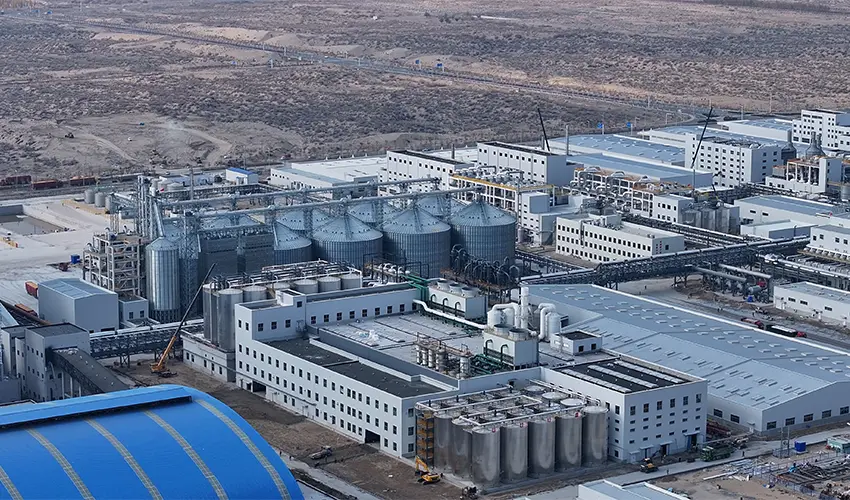
The carbon benefit shows up where the boiler demand drops. If the plant can cut distillation steam demand, the size of the boiler, the fuel bill, and the combustion emissions all move together. That is why I place energy cascade ahead of add-on carbon capture for most fuel ethanol projects. Carbon capture flatters a process design by removing carbon at the stack. Energy cascade attacks the source of the carbon before it becomes a stack gas. If your distillery still burns natural gas or coal for distillation steam, confirm whether an energy cascade retrofit changes the carbon balance before more capital is committed. Send current steam, stillage, and wastewater data to [email protected].
Biogas and Wastewater Recovery Turn Carbon into Fuel
Stillage and process wastewater carry organic carbon that becomes methane if the plant lets it settle without control. Anaerobic digestion converts that methane potential into biogas, which can replace natural gas in the boiler or in a combined heat and power unit. The same digestion step reduces the organic load for downstream aerobic treatment, which cuts aeration energy and sludge handling. That is the carbon logic of biogas recovery in fuel ethanol production.
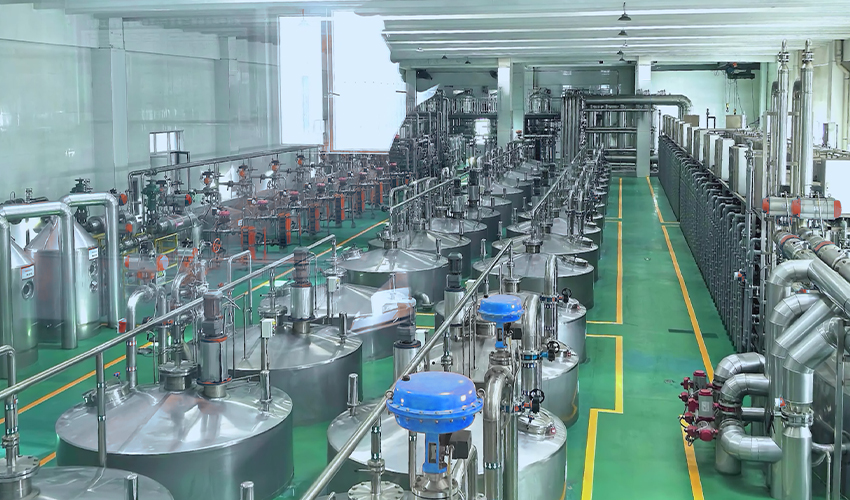
The engineering challenge is not the digester alone. It is the balance between biogas production, digester stability, and boiler turndown. In fuel ethanol projects I see biogas treated as a side stream when it should be part of the steam plan. If the plant produces more biogas than the boiler can take during low-load periods, the excess must be flared or stored, and that choice erodes the carbon benefit. A plant that sizes digestion against real seasonal stillage flow, not a design-day peak, gets more reliable carbon reduction. This is where integration between wastewater, energy, and process control becomes the difference between a demonstration unit and an operating one.
A Practical Bioethanol Carbon Neutrality Pathway for Producers
A realistic net zero pathway starts with fewer megajoules per tonne of ethanol, then replaces the remaining fossil heat with biogas, and finally accounts for coproducts such as DDGS, food-grade liquid CO2, and biogas in the carbon balance. The sequence matters because the required size of every later step depends on the earlier reduction. A plant that begins with steam demand reduction will need less biogas and less purchased electricity. A plant that begins with carbon accounting alone will still burn the same steam.
The most common planning mistake I see is separating the distillery from the grain and feed chain. The farm to table logic extends to ethanol because corn, fuel, feed, and carbon move through the same industrial system. For a project stuck between a design that looks carbon efficient on paper and a utility system that does not deliver it in operation, the next step is a carbon-aware mass and energy balance. Send your process flow, steam demand, and stillage characteristics to [email protected] or call 010-8591 2286. AGRIFAM can review whether energy cascade utilization, biogas recovery, and wastewater integration close the gap for your specific capacity.
Common Questions About Bioethanol Carbon Neutrality
What does bioethanol carbon neutrality mean in practical fuel ethanol terms?
Bioethanol carbon neutrality means the full production system avoids or removes as much carbon as it emits across the product chain, not that fermentation itself releases zero carbon. In practice, a plant reduces steam demand, switches the remaining heat source to biogas or another low carbon fuel, and allocates carbon to coproducts that displace other goods. The claim is credible only when the carbon accounting follows one consistent boundary from corn receiving to fuel shipment.
Is corn farming the largest part of the carbon footprint?
A common assumption is that corn cultivation dominates the footprint and that plant-level changes are marginal by comparison. The answer is less clear cut. Inside the plant, distillation steam and purchased electricity are the largest direct energy loads, and they determine how much carbon the plant itself releases. Life-cycle assessments differ depending on whether land use change, fertilizer, and coproduct credit are included. For an existing plant, the most controllable carbon unit is usually the steam bill, not the field.
Can an existing corn ethanol plant become carbon neutral without rebuilding the process?
It depends on the existing steam source, stillage treatment, and product slate. A plant running on coal with no anaerobic digestion will need more than a control retrofit. A plant already running on natural gas with spare boiler capacity and a digester can move a long way by adding energy cascade, heat recovery, and biogas utilization. The practical test is a mass and energy balance that shows where carbon leaves the system and which retrofit removes the most carbon per dollar.
Which coproduct claims actually matter for the carbon balance?
In projects we evaluate, allocation matters more than total output because DDGS, CO2, and biogas can be credited as displacement of other products. DDGS displaces feed protein, CO2 can supply food and beverage users, and biogas replaces fossil heat. The carbon benefit is real when the coproduct has a buyer and the displacement is documented. If a plant claims carbon credits for CO2 that is vented or for DDGS that is sold as cheap filler, the carbon balance overstates the true reduction. Share your current steam, stillage, and coproduct data by email to [email protected] and AGRIFAM will confirm which carbon levers fit your plant.
If you’re interested, check out these related articles:
Driving Global Food Conservation Through Technological Innovation