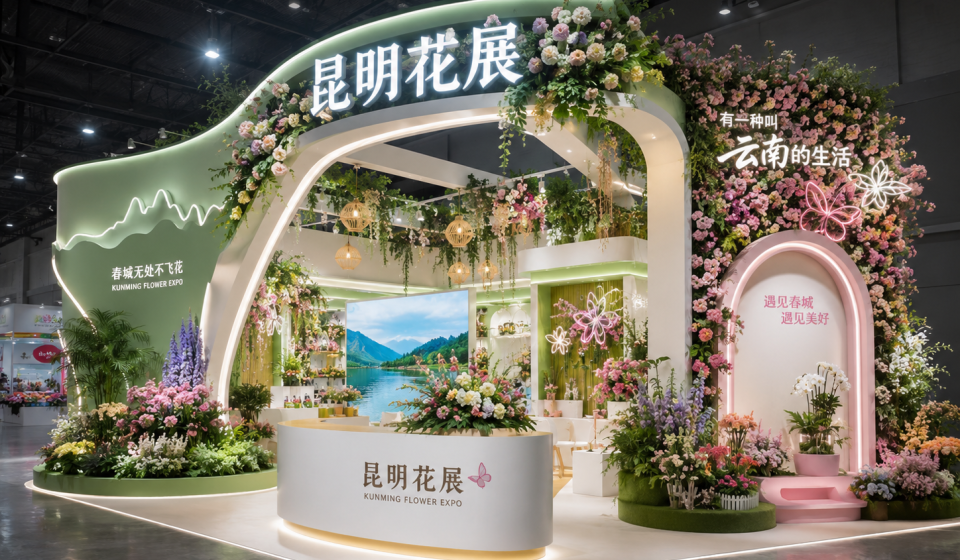

Cut flower trends 2026 are leaning toward saturated but softer tones, longer vase life, and varieties that fit daily ritual purchasing rather than one-time gift demand. In fifteen years of exhibition planning and trade promotion, I have watched color palettes shift faster than breeding cycles, which makes buyer timing more important than the variety list alone. The commercial opportunity in 2026 sits less in chasing a single hero bloom and more in building mixed stem programs that hold margin across retail, e-commerce, and event channels. IFEX Kunming is where those programs become practical sourcing decisions, not just trend reports.
Which 2026 Cut Flower Trends Will Change Color Buying?
Cut flower trends 2026 are splitting color buying into two directions. The first is soft monochrome for daily retail and subscription lines: blush, apricot, butter, lilac grey, and sage tinted whites. These palettes read as calm and domestic on a kitchen table or bathroom shelf, which is exactly where repeat purchase behavior is strongest. The second direction is high impact event work, where saturated magenta, burnt orange, oxblood, and deep plum hold ground for weddings, hotel lobbies, and brand activations.
At IFEX Kunming, I have noticed that buyers no longer ask which single color will lead. They ask which two or three colors can carry a twelve week assortment. That is a different buying discipline. It favors growers who can stage consistent color blocks across varieties rather than offering one strong novelty item.
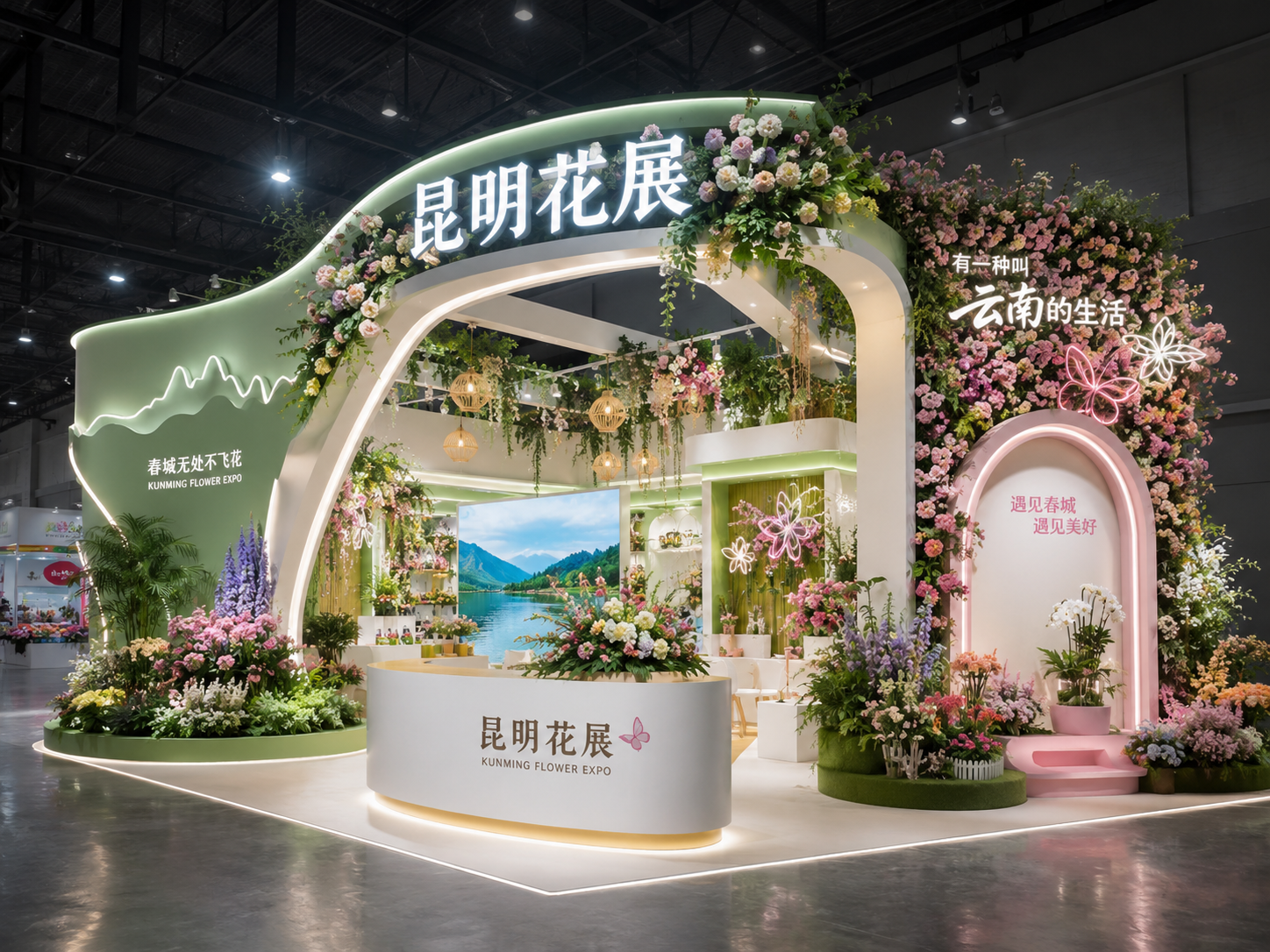
Which Varieties Are Selling Beyond Standard Roses and Lilies?
Roses and lilies still anchor volume, but the interesting 2026 sourcing action sits in complementary varieties that complete a mixed stem program. Spray roses and garden roses give buyers a fuller bloom face without moving to fragile specialty cuts. Ranunculus, butterfly ranunculus, lisianthus, and alstroemeria offer texture and a softer price point. Chrysanthemums in disbud and santini forms are moving out of sympathy flower territory and into everyday bouquets.
| Variety Group | Color Direction | Buying Note |
|---|---|---|
| Spray roses | Blush, apricot, terracotta | Ask for 40 cm to 60 cm stem standards and multipack options |
| Ranunculus and butterfly ranunculus | Butter, coral, cream | Confirm cold chain tolerance for long haul reefer shipment |
| Lisianthus | Lilac grey, powder blue, white green | Pair with mixed bunches for retail; vase life varies by crop |
| Alstroemeria | Muted plum, peach, bi-color | Good bridge item for volume and margin in daily programs |
| Disbud and santini chrysanthemums | White, sage, ochre | Confirm spray count and bloom stage for export packout |
The point is not to replace roses. It is to build a palette that can rotate across seasons without breaking the gross margin on a twelve stem bunch.
Why Are Buyers Moving Toward Mixed Stem and Sustainability Programs?
The shift is tied to consumption. Chinese flower buying has moved beyond gift giving into weekly self-purchase, which changes how importers and retailers plan assortment. A consumer who buys flowers for her own kitchen every Friday is less interested in a dozen identical stems and more interested in a designed mix that changes with the month. That daily ritual pattern rewards smaller stem counts, layered textures, and packaging that communicates freshness without excess plastic.
Yunnan growers and exporters are responding with shorter supply routes, cold chain improvements, and pack formats that reduce damage and waste. At IFEX Kunming, the scale of this shift is visible. The exhibition covers 50,000 square meters and is expected to draw more than 30,000 distributors, wholesalers, retailers, and e-commerce players, which makes it a practical place to compare these programs side by side.
If your 2026 program includes retail subscription or e-commerce mixed bunches, confirm stem length, hydration protocol, and packout before committing to volume. Send your target assortment and weekly order size to [email protected] and we will connect you with exhibitors who can test those requirements.
Why Do Breeding and Cold Chain Matter for 2026 Cut Flower Trends?
Breeding is now selected less for novelty alone and more for traits that protect the sale. Buyers at IFEX tell me they look for color stability under transport, thicker petal structure that survives dry periods, and stem strength that holds a bunch upright after two days in a cooler. These traits are boring on a marketing sheet, but they determine whether a variety repeats next season.
Cold chain has become the other half of the conversation. Yunnan is a mature production hub, but temperature breaks in the first six hours after harvest can shorten vase life more than any later handling step. The strongest programs I have seen pair variety selection with disciplined postharvest cooling in the packhouse, not just at the airport. That is the pairing to ask about when you meet a grower or exporter.
What Should Buyers Confirm Before Finalizing 2026 Orders?
Before you leave the show, confirm four things with any supplier. The first is harvest stage and stem length for your target bunch format, because these two specifications change landed cost more than the unit price. The second is cold chain ownership from packhouse to port, not only the final air or sea leg. The third is the phytosanitary and import paperwork path for your destination market. The fourth is the order trial process, so the first shipment is small enough to fail safely.
Many buyers leave a trade fair with a stack of brochures and no comparison shortlist. That is the real risk in 2026, because color and variety trends move faster than the paperwork. If you are sourcing mixed stem programs or new varieties, send your target assortment, weekly volume, and destination port to [email protected] or call +86 10 5933 9349. Ask for a matched list of exhibitors who can meet your packout, cold chain, and compliance requirements before you finalize your order plan.
Common Questions About 2026 Cut Flower Sourcing
Are mixed stem programs actually more profitable than single variety orders?
Mixed stem programs are more likely to hold margin in 2026 than single variety consignments, because they align with weekly self-purchase behavior. The margin comes from product mix, not only unit price. A bunch built around two anchored stems, two filler textures, and one accent stem tends to sell through better than a straight dozen of a single color. Buyers should still test the exact bunch recipe with a sample shipment before scaling volume.
Are only pastel colors going to sell in 2026?
A common assumption is that only pastel colors will move in 2026, but that misses the event segment. Hotels, weddings, and brand activations still order saturated magenta, burnt orange, and deep plum in volume, especially in autumn and winter programs. The safer position is to plan one soft palette for daily retail and one high impact palette for events, then match both palettes to varieties with proven vase life rather than buying color alone.
Should I choose air freight or sea freight for new 2026 varieties?
It depends on your destination market and freight mode. If you are air freighting into Middle East or Southeast Asia retail, choose varieties with lower ethylene sensitivity, such as spray roses, alstroemeria, and disbud chrysanthemums. If you are shipping by sea, request the supplier’s cold chain trial data for the exact stem length and pack format you plan to order. Do not commit to volume until you have tested the route with the variety, not only the variety in isolation.
How do I compare multiple suppliers for the same 2026 assortment?
In buyer programs I have guided through IFEX Kunming, buyers who arrive with a color block and packout brief close orders faster than those who browse variety by variety. A brief turns a catalog conversation into a negotiation about real specifications: stem length, bunch count, sleeve type, and arrival window. It also makes it easier to compare three growers against the same standard instead of relying on booth impressions. Share your 2026 assortment brief with [email protected] before the show and confirm which halls and exhibitors fit your target range.