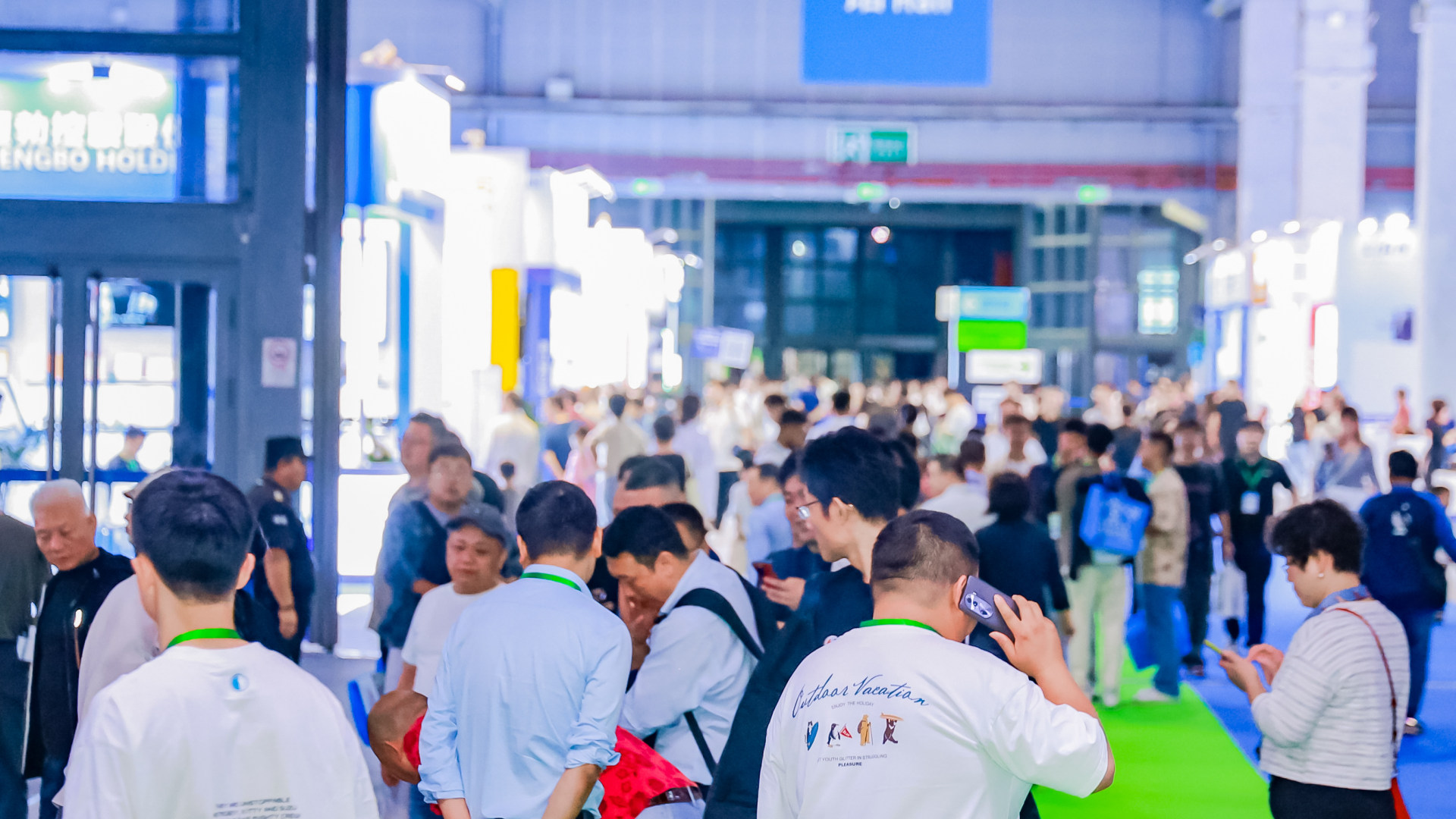

Auto parts supplier global buyer expo China events compress months of supplier screening into three exhibition days. Buyers who arrive with a qualification plan leave with shortlisted factories; buyers who walk aisles at random leave with brochures. After ten years coordinating automotive trade fairs in Shanghai, I have watched that difference repeat across engine, chassis, brake, and NEV component categories. The practical value sits less in booth count and more in how quickly you can verify production reality, cluster origin, and export documentation before price becomes the only discussion. The method below reflects what we tell buyers preparing for the Shanghai show.
What Makes an Auto Parts Supplier at the Global Buyer Expo Worth a Meeting?
Most booths look similar from the aisle. The distinction appears when you ask for production evidence. A supplier worth a meeting brings more than a brochure. The sales staff can name the factory location, the production process, the quality system, and the export markets where the product is already sold. When a booth representative cannot answer those questions without calling the factory, the exhibiting company is likely a trading layer rather than a manufacturing source.
Why Cluster Location Tells You More Than Booth Design
A booth with polished graphics can belong to a trading company. A booth with a plain display can belong to a factory that ships to major aftermarket brands. Cluster location is a more stable signal. Yuhuan points to chassis and suspension capability. Ruian points to brake production. Wenzhou points to automotive electronics and switch assemblies. Changzhou points to lighting and body panels. Qinghe points to filters and rubber seals. Shiyan points to commercial vehicle applications. When an exhibitor lists one of these industrial zones as its production base, the conversation moves faster into process detail and capacity.
What Documentation Should a Serious Exhibitor Bring
Serious exhibitors bring IATF 16949 certificates, product test reports, export packing records, and a factory address that matches the booth registration. Ask to see the quality system certificate and the latest audit report. If the exhibitor offers no documentation and wants to continue only on price, qualify another booth. Documentation is not the final proof, but it separates manufacturers who have passed buyer audits from those who have not.
How Do You Screen Auto Parts Suppliers Before the Shanghai Expo?
Pre-show screening reduces the number of booth visits that lead nowhere. We recommend buyers build a shortlist before arrival, then use the exhibition floor to test what the shortlist claimed. The sequence is simple: request a factory profile, confirm the production cluster, check export experience, and then book the meeting for the first half of the day. Early meetings run on time. Later meetings lose time to booth traffic and delivery schedules.
Using the Expo Map to Rule Out Resellers
The expo map shows more than hall numbers. It shows how exhibitors describe themselves. A manufacturer usually lists a component category and a production location. A reseller lists broad product coverage with no factory anchor. When you see a booth that claims to supply everything from engine internals to interior trim, treat it as a sourcing channel rather than a factory source. A sourcing channel can still be useful for mixed containers, but it should not occupy the same shortlist slot as a manufacturer.
What to Check Before You Book a Booth Meeting
Send the exhibitor two things: part numbers and target volume. A manufacturer responds with a specific question about tolerances, material grades, or destination market standards. A reseller responds with a price. The quality of the reply tells you whether the meeting is worth an hour. If the reply is vague, keep the slot short or drop it.
Which China Auto Parts Clusters Should Global Buyers Prioritize?
Prioritizing clusters matters because one city can hold dozens of factories producing the same component. Walking a hall without a cluster plan means comparing suppliers without knowing their production base. The table below maps the clusters we most often direct international buyers toward at the Shanghai expo.
| Cluster | Key component strength | What to verify at the booth |
|---|---|---|
| Yuhuan, Zhejiang | Chassis, suspension, steering parts | Machining capability, export markets, OEM fitment |
| Ruian, Zhejiang | Brake pads, discs, calipers | Material certifications, ECE or equivalent compliance |
| Wenzhou, Zhejiang | Auto electronics, switches, sensors | IATF 16949 status, test documentation |
| Changzhou, Jiangsu | Lighting, bumpers, body panels | Mold ownership, photometric testing records |
| Qinghe, Hebei | Filters, rubber seals | Production line consistency, material traceability |
| Shiyan, Hubei | Commercial vehicle parts | Heavy duty application references, batch traceability |
The priority is not the cluster name. The priority is whether the cluster matches the part family in your bill of materials. A buyer sourcing brake components saves time by starting in the Ruian and Yuhuan areas. A buyer sourcing NEV connectors and high voltage harnesses should move through Wenzhou and other Zhejiang electronics exhibitors early. For commercial vehicle programs, Shiyan and Hebei exhibitors usually bring application-specific references rather than generic passenger car lines.
If your program involves NEV components, commercial vehicle parts, or mixed component families, confirm the cluster and certification scope before finalizing your BOM. Send your part list to [email protected] and we will match it against the exhibiting categories.
How Do You Convert a Booth Conversation into a Factory Audit Lead?
A supplier meeting becomes useful only when it leads to verification. At the booth, ask for the factory address, the nearest airport, the production line for your part number, and the name of the quality manager. Then set a condition for the next step. If the exhibitor is willing to schedule an audit within the same trip window, that is a stronger signal than a sample box. We recommend buyers push for a factory visit before signing a procurement agreement. The APES 2026 sourcing program groups exhibitors by production cluster and component category precisely to make this next step easier. The expo is the introduction, not the validation.
How Do You Move From Expo Shortlist to Supplier Confirmation?
Most sourcing decisions stall after the expo because buyers collect too many names and too few qualifying details. The shortest path is to rank suppliers by three criteria: cluster fit, documentation completeness, and audit willingness. Give each supplier a specific next action. Request a formal quotation for one reference part. Ask for the test report that applies to your destination market. Set a deadline for the factory audit response. Then evaluate the replies side by side.
Global buyers often walk the expo with a long vendor list and no clear way to compare one factory against another. That is the real bottleneck. The fix is to leave the show with no more than five suppliers, each qualified by cluster, documentation, and a defined audit trigger. If you are preparing a sourcing trip around the Shanghai event, send your part numbers and target volumes to [email protected] or call +021-60280788. We will confirm which exhibiting clusters and exhibitor categories match your list before you commit booth time.
What Do Global Buyers Ask Before Booking the Expo?
What is the difference between raw space and shell scheme at the auto parts expo?
Raw space gives you an empty floor area that your team builds out to your own booth design. Shell scheme gives you a standard booth structure with walls, lighting, and fascia already installed. Raw space suits manufacturers that want to present large components or run live product handling. Shell scheme suits first time exhibitors that need a controlled budget and a shorter setup window. The choice depends on product type and demonstration plan, not on company size. If your product line includes heavy chassis parts or NEV assemblies, ask the expo team for raw space dimensions and height limits before booking.
Do Chinese auto parts manufacturers accept OEM and ODM orders at the show?
OEM and ODM are not the same offer, and experienced exhibitors know the difference. OEM means you supply the design and specifications; the manufacturer produces to your drawings and quality requirements. ODM means the manufacturer already holds a product platform and can adjust branding, packaging, or minor specifications. At the expo, a serious factory will ask which model years, target standards, and volume ranges apply. A booth that says yes to everything without questions is less useful than one that asks where the product will be sold. Bring one detail part drawing to make the discussion specific.
Are IATF 16949 and export documentation available from exhibitors?
A certificate only helps when its scope matches the part you are buying. Many manufacturers in the export focused clusters hold IATF 16949 certification, especially those supplying complete assemblies or safety components. The practical step is to ask for the certificate scope and the latest audit date. Scope matters more than the logo. A certificate that covers brake system assembly is different from one that covers a metal bracket. For destination market entry, also ask which test standards the product has passed, such as ECE, SAE, or customer specific validation. Exhibitors that hesitate on documentation should be deprioritized unless the part is simple and not safety related.
Can buyers visit factories during the expo week?
In my experience managing expo schedules, factory visits are most workable when the exhibition is near the production cluster or when the buyer extends the trip by one or two days. The Shanghai venue sits within reach of several Zhejiang and Jiangsu manufacturing cities, but traffic and production scheduling can limit same day visits. We recommend buyers shortlist three factories before arrival, then ask each exhibitor to confirm whether a visit is possible within the trip window. If your sourcing list includes Shiyan, Hubei, or other inland clusters, plan extra travel days rather than assuming a same week visit will work. Share your timeline at [email protected] and we will confirm which exhibitors can host an audit during your stay.
If you’re interested, check out these related articles:
Tomorrow World: Innovation Achievement Exhibition and Industry Future Forum
APES 2026 to Redefine Global Sourcing Landscape as Automotive Industry Eyes Resilient Future
