A customer who lingers an extra ten minutes is exponentially more likely to make a purchase — and in today’s competitive retail landscape, every minute of dwell time matters. While lighting, layout, and music are consciously engineered, scent remains one of the most overlooked atmospheric tools for keeping shoppers in-store longer. Scent marketing increases dwell time not through a single pleasant fragrance but through a precise combination of scent selection, diffusion technology, and spatial placement. After designing scent solutions for hospitality and retail clients globally, I’ve observed how a strategically deployed ambient fragrance can reshape customer behavior. This article breaks down the mechanisms, equipment, and strategies that turn a scented space into a place people instinctively want to stay.
The Science Behind Scent Marketing and Dwell Time
Scent bypasses the brain’s thalamic relay and connects directly to the limbic system, where emotion and memory reside. This neuroanatomical shortcut means a fragrance can trigger a visceral sense of comfort or alertness before a customer consciously registers what they are smelling. When that response is positive, the perceived environment becomes more inviting, and the urge to leave diminishes.
In practical terms, a retail space that smells clean, warm, or subtly luxurious signals safety and identity. Environmental psychology research has repeatedly shown that people linger longer in spaces perceived as pleasant and aligned with their self-image. One luxury boutique we supported in Southeast Asia introduced a custom sandalwood and white tea blend through a low-profile HVAC diffuser. Over the first month, average browsing time extended by approximately eighteen percent. The scent did not announce itself. Guests simply felt more at ease, and their behavior adjusted without prompting.
The effect is not merely about pleasure. A familiar, well-tuned scent lowers cognitive load. Shoppers navigating a visually dense store already process hundreds of stimuli. When the olfactory layer reinforces rather than contradicts the brand message, the brain allocates more attention to products and less to environmental scanning. That attention translates directly to time spent examining merchandise.
Selecting the Right Fragrance to Extend Customer Time
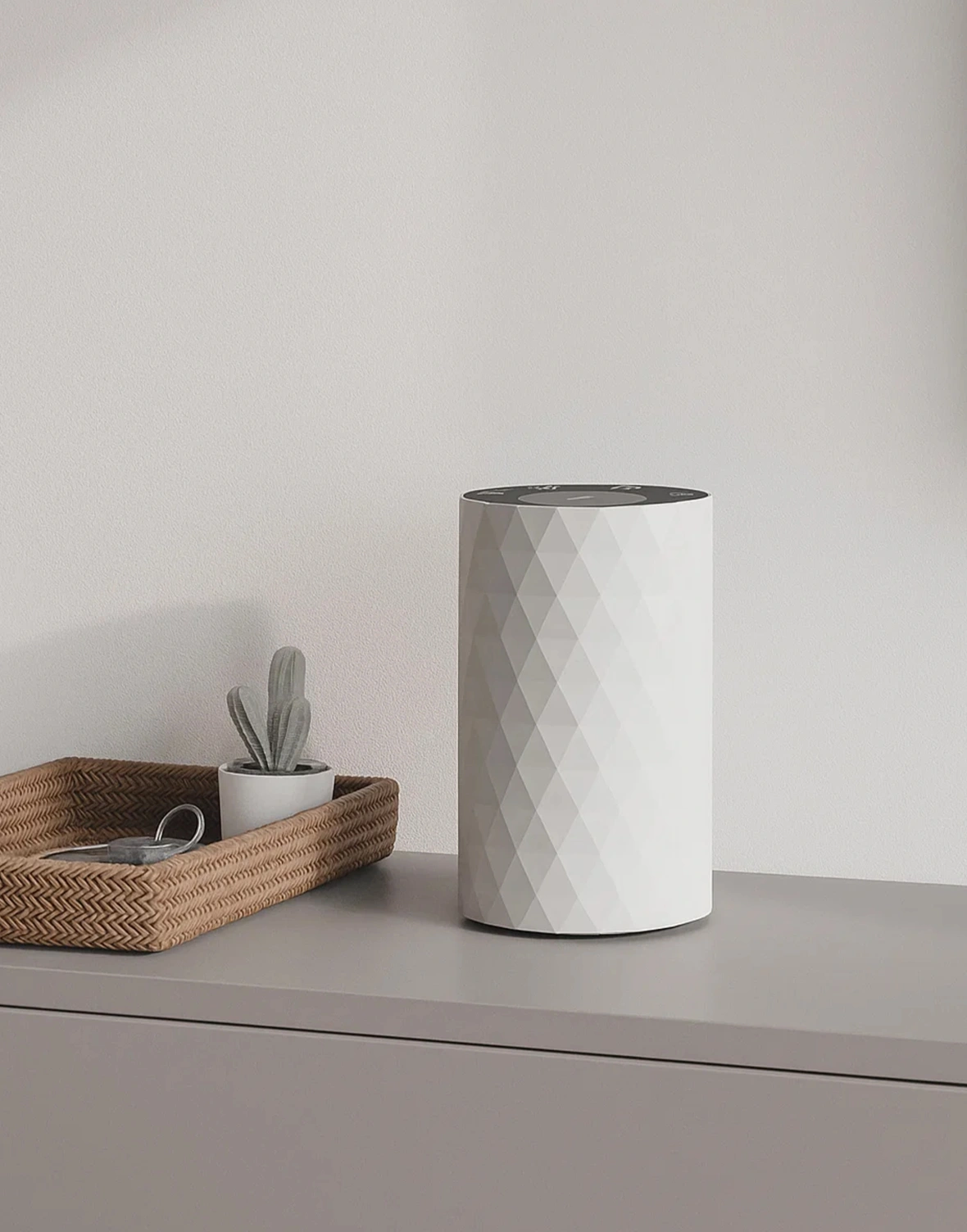
The fragrance itself carries most of the psychological weight. A citrus-forward blend energizes and works well for fast-fashion or sportswear environments where a quick, vibrant visit is the goal. Woody and amber notes create warmth and encourage slower browsing, making them ideal for high-end boutiques and furniture showrooms. Floral and green accords suggest freshness and can soften the clinical feel of a spa or wellness center.
Matching the scent character to the brand identity is non-negotiable. A minimalist Scandinavian homeware store would clash with an opulent oriental oud, just as a traditional leather goods shop would feel hollow with a light aquatic marine scent. In one project with a fashion retailer in the Middle East, the initial brief called for a heavy, resinous fragrance meant to project luxury. The result was the opposite of what they wanted: customers entered, registered the intensity, and often walked out faster than before. We reformulated to a softer floral-leather blend with lower diffusion concentration, and dwell time recovered within two weeks.
Intensity control is as critical as fragrance choice. A scent that works perfectly in a 300-square-meter boutique becomes a deterrent when deployed at the same output in a 100-square-meter space. Our recommendation is always to start at a barely perceptible level and gradually increase over several days while monitoring staff and customer feedback. A fragrance should be discovered, not announced.
How Scent Diffusion Technology Impacts Dwell Time
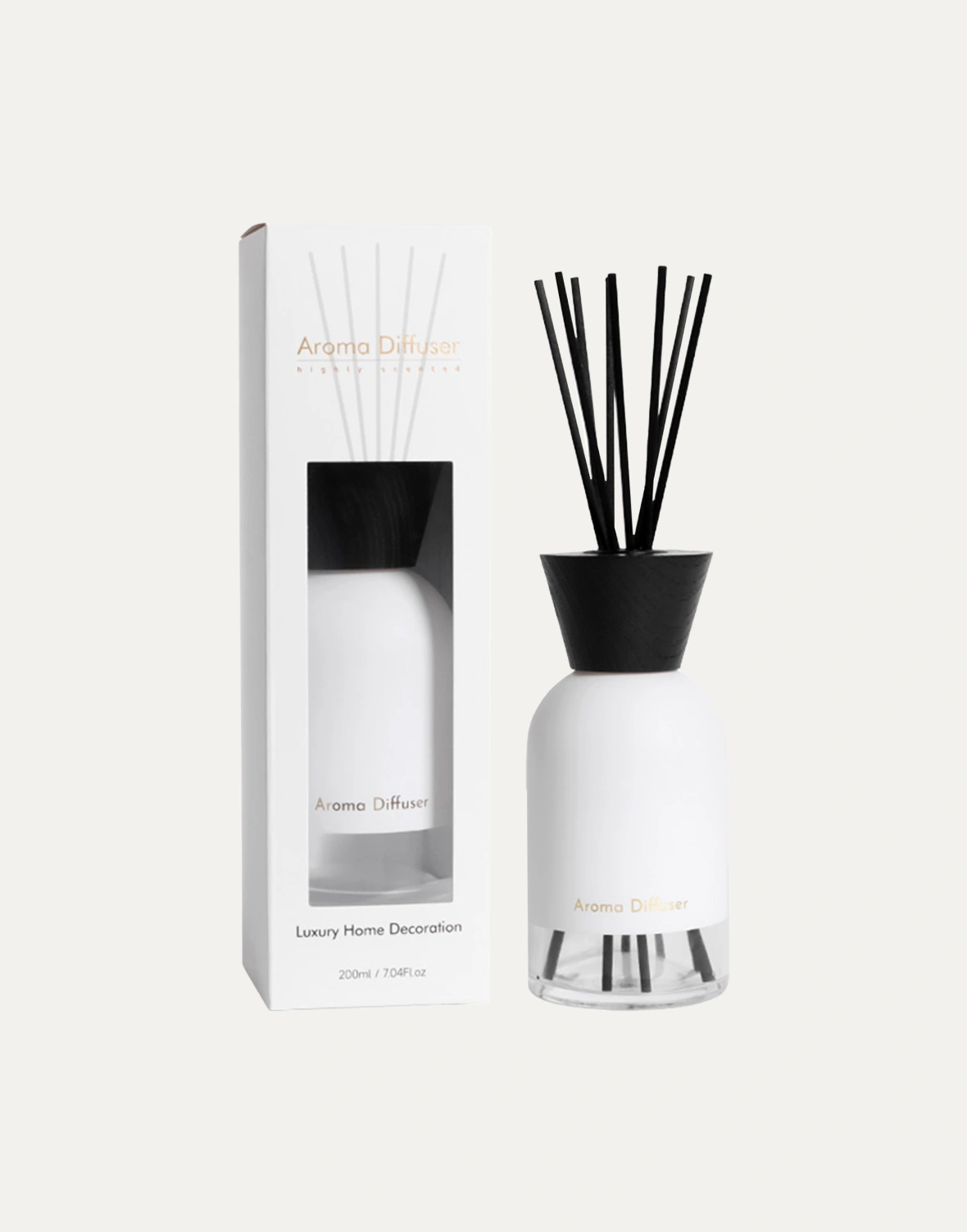
A beautifully composed fragrance is useless if it does not reach the customer’s nose evenly and consistently. The gap between a pleasant-smelling corner and a fully scented retail floor is where most installations fail, and it is almost always a hardware problem.
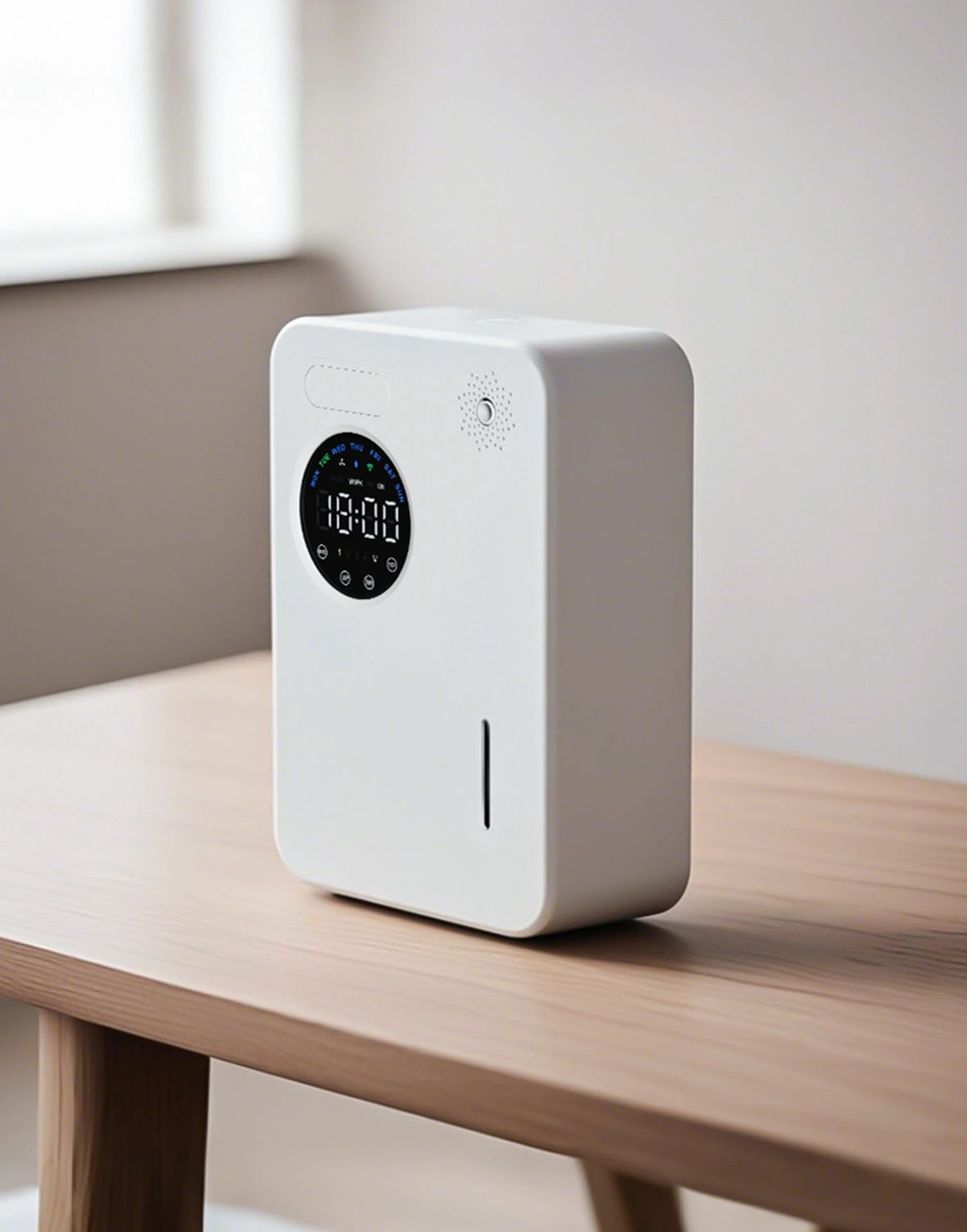
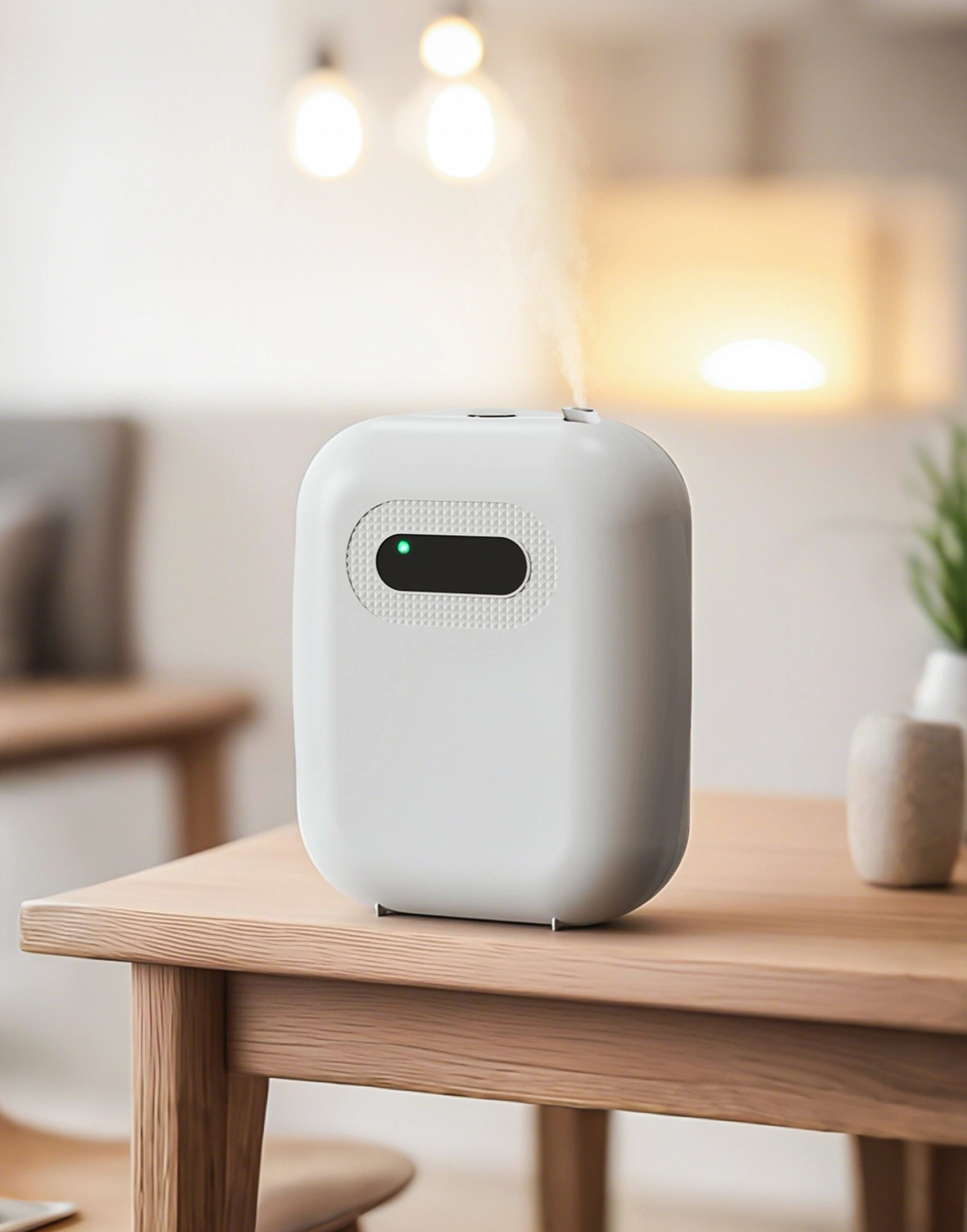
Standalone diffusers work well for enclosed areas under 300 square meters. The compact Bluetooth APP-controlled model we produce, for example, covers up to 300 cubic meters and suits boutique fitting rooms or jewelry corners. For a mid-sized clothing store with multiple rooms, wall-mounted or tower-style diffusers with 3,000 cubic meter coverage become necessary, often programmed in synchronized schedules to maintain a consistent scent level across zones. In large open-plan retail floors, malls, or stores with high ceilings, only an HVAC-integrated system delivers true uniformity. Our HVAC scent diffuser, which covers up to 8,000 cubic meters, injects fragrance directly into the air handling system so that every vent distributes the same concentration.
Inconsistent scent delivery breaks the immersion. When a shopper moves from a richly fragranced zone into an odor-neutral aisle, the contrast is jarring and signals an unfinished environment. The subconscious message is disorganization, and dwell time drops accordingly. We have seen this pattern repeatedly in stores that piece together consumer-grade plug-in diffusers across large footprints. The budget savings disappear in lost browsing minutes.
| Diffuser Model | Coverage | Best Application | Key Feature |
|---|---|---|---|
| Commercial HVAC Scent Diffuser | 8,000 m³ | Large retail floors, malls | HVAC integration, Bluetooth APP |
| Hotel Scent Oil Diffuser Tower | 3,000 m³ | Mid-size stores, lobbies | Touch-control, aluminum body |
| Commercial Scent Oil Diffuser (Bluetooth) | 300 m³ | Boutiques, fitting rooms | 24/7 operation, ultra-quiet |
If your space has high ceilings or an open-plan layout, standard standalone diffusers will not provide the consistent coverage needed to influence dwell time. Contact us at [email protected] to discuss HVAC-integrated solutions that deliver uniform scent distribution.
Strategic Scent Placement for Maximum Dwell Time
Where fragrance enters a space matters as much as which fragrance and how strongly. In our installation assessments, we map a retail environment into three functional scent zones: entry, core browsing, and depth areas. The entry zone should project the brand signature scent at a slightly higher intensity, grabbing attention within the first three seconds. The core browsing area settles into a steady, comfortable level that encourages unhurried exploration. Depth areas — fitting rooms, VIP lounges, back-of-store displays — benefit from a softer, more intimate variation of the same scent family, reinforcing privacy and personal attention.
Placement hardware determines whether this zoning actually works. Ceiling track-mount diffusers, for example, let us position scent points precisely along aisles without visible equipment, ideal for fashion retail where visual clutter is unacceptable. Wall-mounted units at entry points create an immediate scent threshold. For shops with seating areas or cafes, desktop or floor-standing diffusers add a touch of design while maintaining local intensity.
One practical lesson from multiple rollouts: the scent should never compete with ventilation. In a restaurant or food-inclusive retail space, placing a diffuser too close to an air return vent pulls fragrance away before it circulates, creating hot and cold spots. We run a site airflow analysis before any permanent installation, checking HVAC return paths, open doorways, and ceiling height variations. This step alone prevents the most common cause of uneven ambient scenting.
Measuring the Impact of Scent Marketing on Dwell Time
Quantifying dwell time improvement does not require complex neuroscience tools. The most reliable approach combines two simple data streams that most retailers already track: average transaction duration and foot traffic analytics. By comparing a two-week baseline before scent installation with a two-week post-installation period, the shift becomes measurable.
In a multi-brand department store project we supported, the introduction of a custom floral-ozonic fragrance across the women’s apparel floor coincided with an average twelve-second increase in time spent per visit, measured via Wi-Fi-based footfall sensors. While twelve seconds sounds small, across thousands of daily visits it represented over two hours of additional cumulative shopper exposure per day. Sales per square foot in that zone rose eleven percent over the same period.
Customer surveys add qualitative validation. A brief exit question such as “How did you feel about the atmosphere today?” before and after scent deployment often reveals a shift from neutral to positive descriptors like “welcoming,” “relaxing,” or “premium.” Tracking these adjectives over time confirms that the scent is doing its emotional work. The key is to resist tweaking the fragrance during the measurement window. Consistency is what generates reliable data.
Building a Scent Strategy That Keeps Customers Longer
Dwell time does not improve by chance. It improves because the fragrance, the hardware, and the placement work together to create an environment that feels complete. When a customer enters a store and the air carries a scent that fits the brand, the space, and the moment, their internal clock slows down. They browse more thoroughly. They try more products. They stay.
We have seen this play out across small boutiques and multi-floor department stores alike. The brands that see the strongest results are those that treat scent as an integral layer of store design rather than a marketing add-on. They involve fragrance selection in the same conversations as lighting and visual merchandising. They plan scent zoning alongside traffic flow. They measure dwell time alongside conversion rate.
If you are evaluating a scent marketing program for your retail space and want a partner who can handle fragrance development, diffusion equipment, and installation as a single coordinated process, send your floor plan and brand profile to [email protected] or reach our team at +86 185 6557 5758. We will recommend a tailored scenting solution designed to keep your customers where you want them: immersed in your brand, for longer.
Common Questions About Using Scent Marketing to Increase Dwell Time
How soon can we expect to see an increase in dwell time after installing a scent system?
Changes often become visible within the first two weeks of consistent operation. The shift is gradual because customer behavior adapts to the new atmospheric layer rather than reacting to a novelty. In most projects we have supported, the measurable dwell time lift stabilizes around the four-week mark, once the scent intensity has been fine-tuned and staff have stopped noticing the fragrance consciously. Rushing the process by increasing output too quickly usually backfires, so we recommend a slow start and a full month of data before drawing conclusions.
Is strong fragrance better for keeping people in the store?
No. The most effective commercial scents are those perceived as a background element, not a foreground statement. A fragrance that announces itself aggressively triggers avoidance behavior, especially in enclosed spaces. We calibrate intensity so that customers feel the atmosphere has changed without being able to pinpoint why. This threshold varies by ceiling height, ventilation, and the scent family itself. A heavier oriental blend, for instance, requires far less diffusion output than a light citrus to achieve the same perceived presence.
Can scent marketing work in open-plan spaces like department stores or malls?
It can, but it demands a different technical approach. Standalone diffusers cannot maintain consistency across thousands of square meters with varying ceiling heights and air currents. In these environments, an HVAC-integrated system that injects fragrance into the central air handling unit is the only reliable method. We have deployed dual-system HVAC scent diffusers covering up to 15,000 cubic meters for clients managing large retail floors, with independent control over two separate fragrance circuits to create distinct zones across the same floor.
What is the most common mistake businesses make when starting with scent marketing?
The most frequent error is matching the scent to personal preference rather than to brand identity and audience expectation. A manager who loves vanilla might select a warm gourmand fragrance for a tech-driven electronics store, where customers associate the brand with clean, modern minimalism. The scent then feels slightly off, and dwell time suffers because the subconscious environment does not align with the visual branding. Our fragrance consultation always starts with brand positioning and customer demographics before we open the scent library.
Do we need to keep changing the scent to keep customers interested?
A signature scent is meant to build long-term brand recognition, not chase novelty. Changing the core ambient fragrance too often erodes the memory association that makes scent marketing powerful. However, seasonal or campaign-based accent zones can work well as long as the base signature scent remains consistent throughout the main retail floor. We help clients design an anchor fragrance plus limited-edition variants that reinforce rather than replace the brand scent identity. If your program requires both consistency and flexibility in scent design, share your requirements at [email protected] and we will confirm the best approach for your specific floor plan and customer traffic patterns.
If you’re interested, check out these related articles: