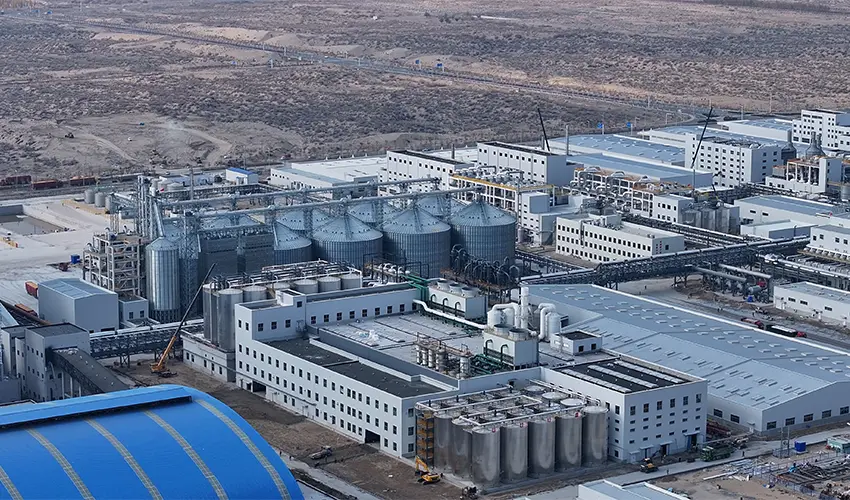

An ethanol plant that runs 24/7 yet still suffers unplanned downtime is a familiar frustration for plant managers. Ethanol plant maintenance is often treated as a reactive expense: fix it when it breaks. But preventive strategies can change that equation entirely. Over years of designing and commissioning integrated alcohol production facilities, I have seen that the most reliable plants are those where maintenance is viewed not as a repair function, but as a continuous practice embedded in both plant design and daily operation. This article outlines the preventive approaches that protect uptime and strengthen the overall circular economy of a modern ethanol facility.
Why Ethanol Plant Maintenance is the Linchpin of Profitability
Every hour of unplanned downtime in a fuel ethanol plant can cost thousands of dollars in lost production and contract penalties. When a distillation column goes offline, the entire grain-to-ethanol chain falters; fermentation tanks must idle, corn throughput drops, and co-product revenue streams like DDGS and CO₂ shrink. The industry often focuses on capital investment in processing equipment, but the ongoing expense of reactive maintenance and emergency repairs is where margins silently erode. A plant that runs at 95% uptime versus 85% can differ by millions in annual net returns, and that gap is frequently determined by how thoroughly maintenance is woven into daily operations rather than how quickly parts are replaced after a breakdown.
In ethanol facilities we have worked on, the trigger for a preventive overhaul is often the cumulative effect of overlooked minor faults—bearing vibrations in a hammer mill, gradual fouling in a rectification column, or slipping belts on a centrifuge. These issues rarely cause immediate stoppages, but they degrade efficiency and load downstream equipment. A preventive maintenance program that catches these degradations before they escalate transforms maintenance from a cost center to a profit protector.
Preventive Maintenance Starts with Integrated Plant Design
The most effective preventive maintenance is not a schedule hung on a wall after commissioning; it is engineered into the plant from the start. When an ethanol facility is designed as an integrated system—where corn handling, liquefaction, fermentation, distillation, dehydration, and byproduct recovery are linked in a single energy cascade—maintenance burdens drop sharply. For example, using waste heat from distillation to preheat incoming slurry reduces thermal cycling on the cooking system, extending the life of heat exchangers and piping. A grain handling line that minimizes long horizontal conveyors and uses enclosed, low-dust designs avoids frequent cleanouts and explosion-proof maintenance checks.
In AGRIFAM’s turnkey alcohol projects, we design the plant layout to simplify access to critical components such as centrifugal pumps, heat exchangers, and valve clusters. Service platforms, overhead hoists, and centralized lubrication points are not afterthoughts. We have learned that maintenance teams that can reach equipment without scaffolding or confined-space entry perform inspections far more often and catch issues sooner. This design-phase consideration directly correlates with higher first-year uptime after startup.
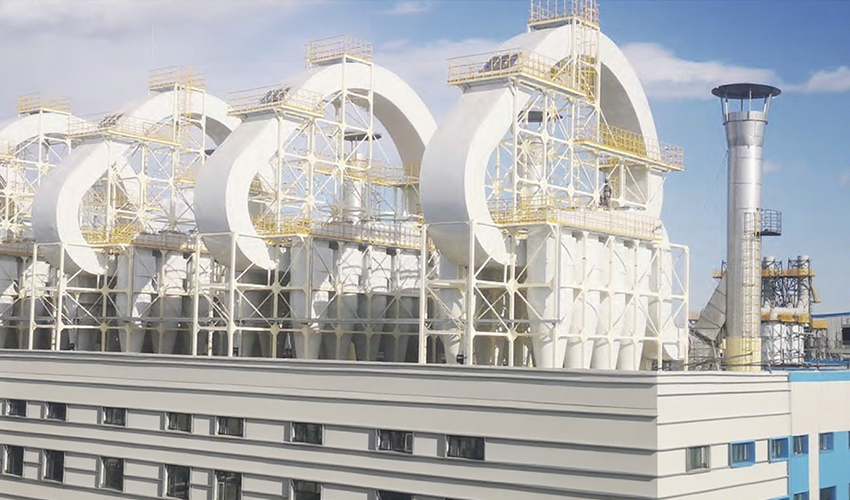
Monitoring Strategies That Keep an Ethanol Plant Running
Once a plant is operating, the difference between preventive and reactive maintenance comes down to data. Modern ethanol plants generate streams of sensor information—motor currents, vibration signatures, temperature trends, pressure differentials across column trays—that collectively form a real-time health report for every major asset. A condition-based maintenance program that uses vibration analysis on hammer mills, thermography on electrical distribution panels, and dissolved gas analysis on transformers can predict failures weeks before they cause a shutdown.
We encourage plant operators to integrate a computerized maintenance management system (CMMS) directly into the DCS architecture. This triggers work orders to be generated automatically when a vibration threshold is crossed on a decanter centrifuge, for instance, rather than relying on periodic manual rounds. When every maintenance action is logged, the CMMS also reveals patterns—such as a pump that requires seal replacement every three months—that may indicate a design mismatch or process upset. Addressing the root cause eliminates repetitive labor and reduces spare parts expenditure.
The following table suggests a starting point for inspection frequencies on common ethanol plant assets. Actual intervals should be tuned to your operating conditions and equipment specifications.
| Equipment | Inspection Focus | Suggested Frequency |
|---|---|---|
| Hammer mills | Bearing vibration, screen wear | Weekly |
| Fermentation vessels | Agitator seals, temperature probes | Monthly |
| Distillation columns | Tray fouling, pressure drop | Quarterly |
| Molecular sieve units | Valve leakage, adsorbent life | Monthly |
| Centrifuges | Bowl balance, wear liner | Weekly |
| Grain handling conveyors | Belt tension, bearing temperature | Weekly |
If your plant’s maintenance records show a recurring problem on a particular piece of equipment—a heat exchanger that consistently fouls, for instance—it may be time to look upstream for a design or integration fix. Discussing your operating data with an experienced EPC team can reveal whether a process adjustment, such as reconfiguring the energy cascade, can eliminate the repetitive repair loop.
Circular Economy Systems Lighten the Maintenance Burden
One overlooked aspect of ethanol plant maintenance is how tightly byproduct and energy recovery systems influence equipment reliability. A plant that sells dry distillers’ grains but dumps thin stillage on the ground creates corrosive runoff and environmental headaches. One that processes all stillage into marketable DDGS and captures CO₂ from fermentation reduces waste-handling equipment entirely. Similarly, an anaerobic digester treating wastewater and producing biogas not only cuts energy costs but also stabilizes the plant’s steam balance, reducing boiler cycling and attendant wear on burner controls and soot blowers.
In our integrated ethanol plant designs, we aim for a closed-loop model of “corn-food-energy-feed.” This approach means the heat generated in one stage is reused in another, and waste streams become revenue streams. The result for maintenance is fewer separate utility systems to maintain, less corrosion from uncontrolled wastewater, and more predictable thermal loading across the plant. When a plant manager asks how to extend maintenance intervals, I often suggest auditing the byproduct handling side first; plugging energy and material leaks there often reduces the strain on core process equipment.

What to Demand from Your EPC Partner for Long-Term Maintenance Support
An ethanol plant is a 30-year asset. The choice of engineering, procurement, and construction (EPC) partner determines not only the initial capital cost but the long-term maintainability of every system. When evaluating EPC providers, insist on a design that includes detailed maintenance access walkways, standardized equipment families (to minimize spare parts inventories), and a commissioning-phase training program that covers not just normal operations but troubleshooting and emergency procedures.
A partner that offers lifecycle support, from operator training through spare parts supply and periodic process audits, transfers maintenance knowledge continuously rather than handing over a binder and walking away. In AGRIFAM’s delivery model, we stay engaged through the first production year, monitoring key performance indicators and adjusting maintenance plans based on real operating data. This hands-on transition period is where uptime patterns are set for the following decades.
If your ethanol plant experiences recurring downtime or if you are planning a new facility where uptime is a priority, a custom preventive maintenance strategy integrated from design through operation can deliver measurable results. Share your project scope and production targets with our engineering team to start a conversation about maintenance-first plant design. Contact AGRIFAM at [email protected] or call 010-8591 2286 to discuss how an integrated approach can keep your ethanol plant running at peak availability.
Common Questions About Ethanol Plant Preventive Maintenance
How often should critical ethanol plant equipment be inspected?
In our experience, weekly inspections on high-speed rotating equipment such as hammer mills and centrifuges catch most developing issues, while monthly checks on distillation columns and fermentation vessels are sufficient for stable operations. Criticality drives frequency; a decanter centrifuge handling thin stillage requires more attention than a product storage tank. Using real-time condition monitoring allows extending intervals safely on steady-state equipment.
Does preventive maintenance actually lower total operating costs?
Yes, and the evidence is in unscheduled downtime records. Every plant we have supported that moved from reactive to planned maintenance saw a reduction in emergency spare parts purchases and a decrease in overtime labor. While preventive parts and labor have an upfront cost, they are dwarfed by the production losses from a single extended shutdown. Over a five-year window, preventive programs typically yield 2 to 3 times return through increased uptime and longer equipment life.
Can a turnkey EPC plant design reduce long-term maintenance needs?
Design approach matters immensely. A cookie-cutter plant that merely replicates generic layouts typically demands more hands-on corrective work, while a purpose-engineered facility with thoughtful equipment access and standardized component families can reduce annual maintenance labor hours by 15–20%. Our EPC projects consistently show lower maintenance loads because maintainability is engineered in from the start, not retrofitted after commissioning.
What role does operator training play in preventive maintenance?
Operators are the first line of defense. When they understand not just how to run the DCS screen but also recognize the early signs of process instability—a slight increase in column pressure drop, a change in agitator motor current—they can trigger maintenance before the equipment alarms. Effective training during commissioning, combined with clear standard operating procedures, is the most cost-effective preventive action a plant can take.
How do I get a maintenance plan tailored to my ethanol plant?
Start by benchmarking your current downtime and maintenance costs. Then share your production data and equipment list with a partner who understands the complete ethanol process chain. A plan built from your actual operating history, not generic checklists, will target the specific failure modes that cost you the most. For a detailed assessment, you can contact our technical team at [email protected] with your plant’s current throughput and main pain points.
If you’re interested, check out these related articles:
Driving Global Food Conservation Through Technological Innovation