When I first started designing scent systems for luxury hotels, I quickly realized that a signature fragrance does much more than make a lobby smell pleasant. It primes the guest’s emotional state before they even check in, setting expectations about the brand and shaping how they perceive every subsequent interaction. Scent marketing influences customer behavior through subconscious emotional conditioning, not just atmospheric enhancement. That distinction matters because it changes how a business should choose, deploy, and evaluate its fragrance investment. Rather than picking a scent that simply smells good, a brand needs a profile that triggers the right emotional memory and aligns with the experience it promises.
How Scent Triggers Emotional Associations in the Brain
The olfactory system is wired directly into the limbic system, which governs emotion and memory, without passing through the analytical thalamus. This makes smell a uniquely powerful trigger for emotional recall. A specific scent can evoke a childhood memory or a feeling of comfort before a customer consciously processes why.
From a marketing perspective, this means ambient scent isn’t evaluated rationally the way a logo or a price tag is. It sets an emotional baseline. When a retail space or hotel lobby introduces a consistent fragrance signature, customers begin to associate that emotional state with the brand itself. Over multiple visits, the scent becomes a psychological shortcut for the experience, reducing the cognitive load of decision-making. In my work formulating fragrances for global clients, I’ve found that the most effective commercial scents are those engineered to produce a specific feeling, warm, calm, energized, or clean, that directly complements the brand’s identity. A generic floral may smell pleasant, but it won’t build the same conditioned response as a carefully blended woody or citrus profile that reinforces a brand’s unique positioning.
Among the most common fragrance directions are woody orientals for luxury brands, fresh citrus for energetic retail environments, and soft white tea notes for high-end hospitality. 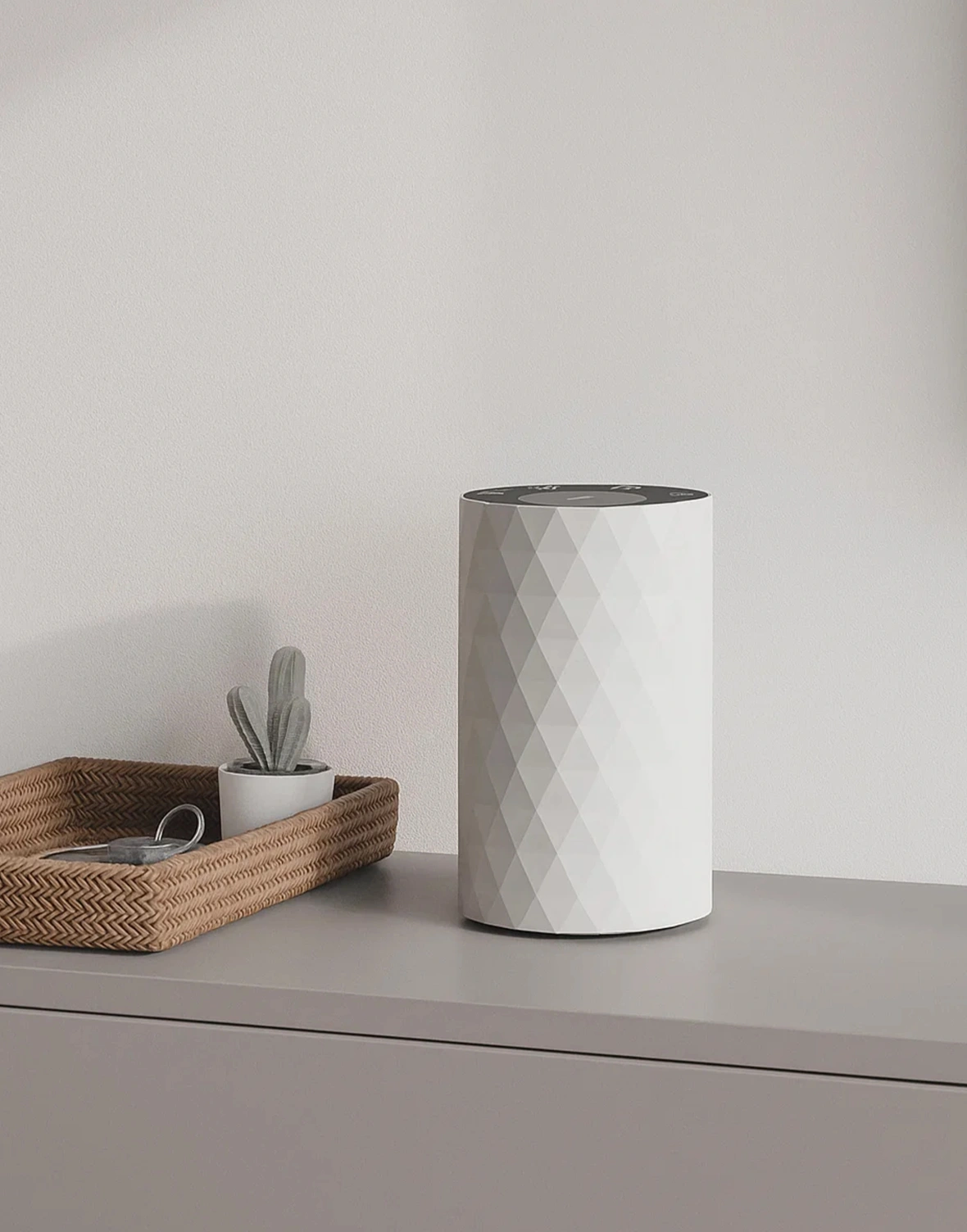
Designing a Signature Scent That Aligns with Brand Personality
Not every pleasant scent produces a positive customer response. If the aroma conflicts with the brand’s visual identity or product category, it creates cognitive dissonance that can actually reduce purchase intent. A high-end jewelry store diffusing a cheap synthetic vanilla, for instance, signals a mismatch that customers sense even if they can’t articulate it. Effective scent branding requires scent congruity: the fragrance must feel like a natural extension of the brand’s personality.
I work with a fragrance library of over 300 scent profiles, and selecting the right one always starts with the brand’s emotional target. Is the goal to soothe, energize, evoke nostalgia, or signal sophistication? Once we define that, we build a custom blend. Modern cold-air and nebulizing diffusion technology allows us to maintain consistent scent intensity without altering the character of the oil, which is critical for multi-location consistency.
For brands expanding internationally, cultural scent preferences also influence selection. A woody amber that reads as warm and luxurious in a Dubai hotel might feel heavy and old-fashioned to a Scandinavian consumer. We always sample in situ and adjust the concentration and top notes accordingly. The endpoint is a signature scent that customers come to recognize as the brand’s invisible signature, one they remember and seek out.
| Scent Family | Emotional Trigger | Typical Application |
|---|---|---|
| Citrus & Green | Energy, freshness, cleanliness | Retail, gyms, spas |
| Woody & Amber | Warmth, luxury, comfort | Hotels, lounges, jewelry stores |
| Floral & White Tea | Calm, elegance, softness | Boutiques, healthcare, offices |
| Herbaceous & Fougère | Freshness, nature, sophistication | Premium retail, lobbies |
How Ambient Scent Directly Shapes Purchase Decisions
The link between a pleasant environment and purchase behavior is well documented, but the mechanism is often misunderstood. It’s not that a good smell makes people happy and therefore they buy more. Rather, ambient scent changes time perception, reduces price sensitivity, and increases willingness to engage with products.
When a space smells good, customers linger longer. In a retail setting, longer dwell time correlates directly with higher average transaction value. In hospitality, a well-scented lobby elevates perceived service quality before a single staff interaction occurs. This shifts the customer’s frame of reference, they are already “sold” on the brand’s quality, making them more receptive to upselling and less likely to object to premium pricing.
I’ve observed this effect repeatedly during scent trials for luxury boutiques. The same store, same layout, same staff, introduces a signature woody oriental. Within the first month, the average customer dwell time increases by roughly 10–15%, and staff report that customers comment on the atmosphere more often. This isn’t merely anecdotal; sensory marketing research consistently shows that congruent ambient scent can lift purchase intent by up to 20% compared to unscented environments. The key is congruity. An incongruent scent can actually reduce dwell time and create discomfort. So the brand must commit to the scent as a strategic asset, not a decoration.
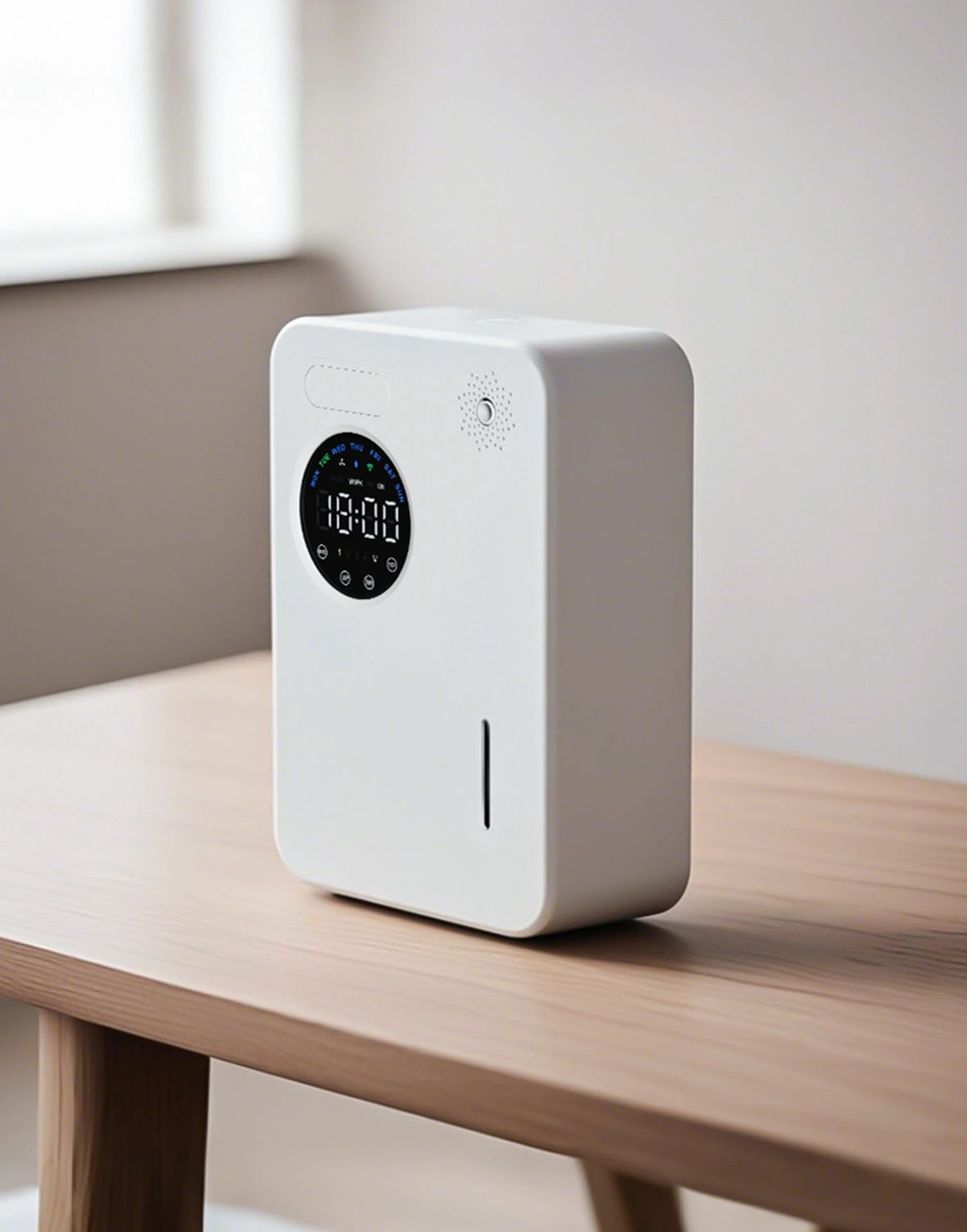 If you are managing a multi-location rollout and need to balance scent identity with local cultural preferences, getting the diffusion parameters right can avoid costly inconsistencies. Send your spatial specifications and brand moodboard to [email protected] and we’ll map a customized scent plan for each site.
Deploying Scent Marketing Across Multiple Locations
Scaling scent marketing introduces challenges that single-site operations never face. The same fragrance oil can smell different in a humid coastal climate versus an arid inland one, and HVAC system design dramatically affects diffusion throw and uniformity. We frequently see brands that invest in a beautiful signature scent, only to dilute the impact because the diffuser selection and placement weren’t calibrated per site.
A crucial decision is between standalone devices and HVAC-integrated systems. For a small boutique, a wall-mounted battery aroma oil dispenser covering 200 m³ might suffice, providing consistent fragrance without structural modifications. For a hotel chain or large retail flagship, an HVAC scent diffuser that can cover 8,000 m³ per unit is often more effective, distributing scent evenly through existing ductwork. The table below summarizes the coverage and power profiles of typical commercial diffusers in our product line.
| Diffuser Type | Coverage | Power Source | Control Method |
|---|---|---|---|
| Battery Wall-Mount Dispenser | 200 m³ | 3×D batteries or DC5V | Programmable settings |
| Desktop Bluetooth APP Diffuser | 300 m³ | DC12V‑1A | Bluetooth APP |
| Hotel Tower Diffuser | 3,000 m³ | DC12V‑2A | Bluetooth APP, touch |
| HVAC Scent Diffuser System | 8,000 m³ | DC12V‑3A | Bluetooth APP, WiFi |
| Dual-System HVAC Diffuser | 15,000 m³ | DC12V‑3A | Independent dual systems |
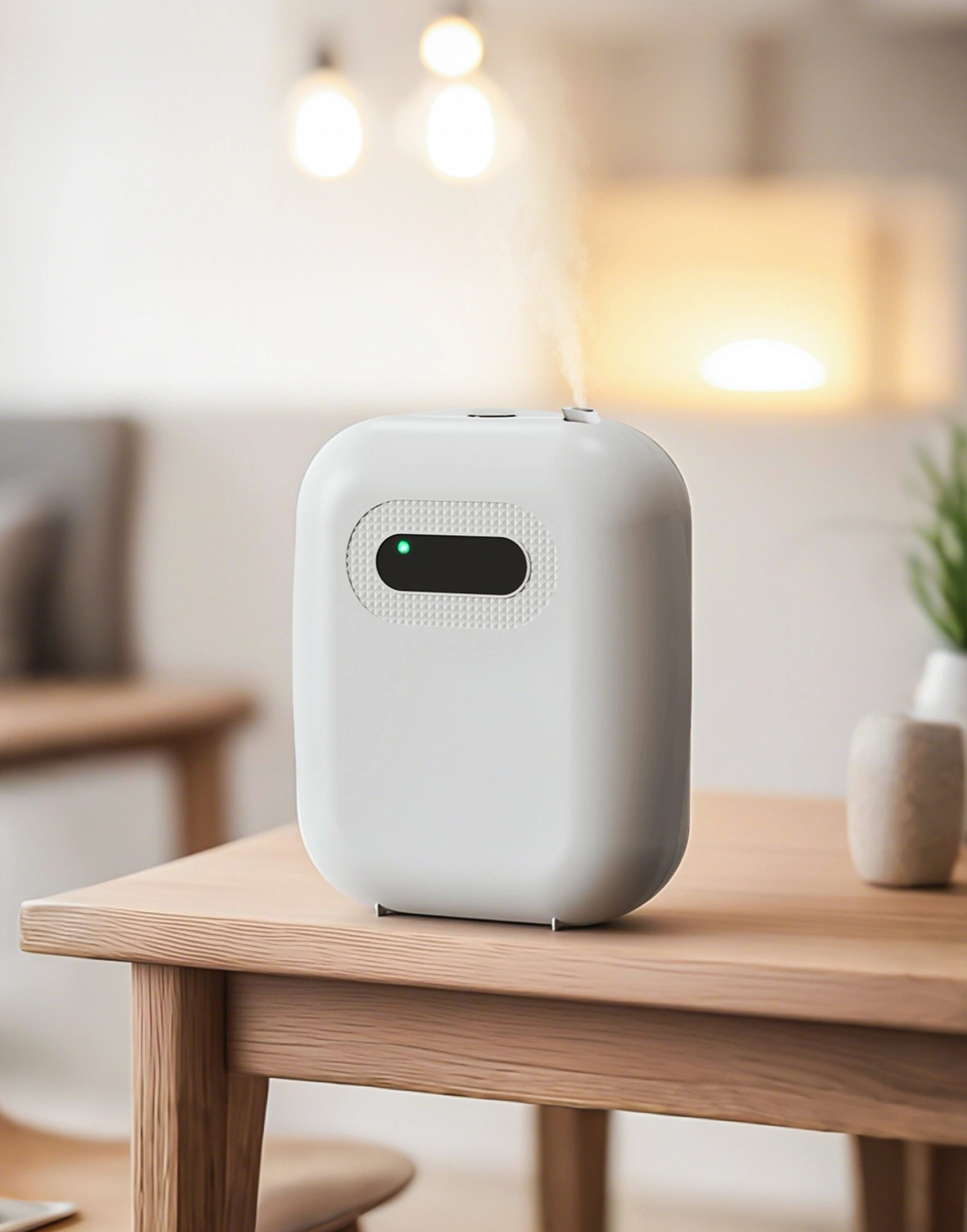
Beyond hardware, the oil formulation must be adjusted for each installation. We often blend the same scent theme at slightly different concentration levels depending on the space volume, ceiling height, and ambient temperature. A hotel lobby with a five-meter ceiling needs a very different atomization rate than a boutique fitting room. Ongoing monitoring is also essential. Smart diffusers with Bluetooth or WiFi control allow remote adjustment of intensity schedules, ensuring the scent experience never becomes too faint or overpowering. This level of control is especially important for brands expanding into new markets, where local air conditioning standards and store layouts vary significantly.
Evaluating the ROI of Scent Marketing Beyond Immediate Sales
Measuring the return on scent marketing purely by same-month sales misses the most valuable contribution: brand equity lift and customer retention. The emotional conditioning we discussed earlier builds cumulative brand associations that influence not just today’s purchase but future loyalty. A customer who associates a brand’s scent with a positive experience is more likely to return, even if they can’t consciously name the fragrance.
Practical metrics to track include repeat visit frequency, net promoter score (NPS) changes, and customer feedback that mentions atmosphere or feeling. In hospitality, we’ve seen that properties with a consistent signature scent command a higher perceived quality rating, which translates into improved online reviews and up to a 5-10% rate premium in competitive markets. The cost of the scent system and oils is typically less than 2% of the overall interior design or renovation budget, yet it’s one of the first things guests notice. When framed as a long-term brand investment rather than an operational expense, the value becomes clear.
For brands in the early stages, starting with a pilot program in a flagship location is the most prudent path. Document baseline metrics, deploy a tailored scent system with proper diffusion hardware, and track the emotional response through surveys and sales data for at least 90 days. This data not only justifies expansion but also refines the scent formula for even stronger results.
Common Questions About Scent Marketing and Customer Response
Does scent marketing work for all types of businesses?
It depends on the customer journey and the physical environment. Businesses where customers spend time, retail stores, hotels, spas, showrooms, benefit most because the scent has time to build emotional associations. Quick-service environments like fast-food counters or drive-thrus gain less from ambient scenting, though targeted point-of-sale diffusers can still enhance the immediate experience.
How long before customers start associating a scent with my brand?
The conditioning process typically takes four to eight weeks of consistent exposure. Customers need to encounter the scent multiple times in the same context for the emotional link to form. The key is unwavering consistency: changing the scent every month resets the conditioning and actually confuses the brand signal.
What if customers don’t like the scent I choose?
That’s a risk if the scent profile clashes with the brand or if intensity is too high. We run small-scale trials in a subset of locations and gather direct customer feedback before a full rollout. Modern smart diffusers allow immediate intensity adjustment, and if a scent truly misses the mark, the formula can be reformulated quickly. The 300+ profiles in our library make it possible to find an alternative that aligns better without starting from scratch.
Can scent marketing work for B2B companies?
Yes, if they have a physical showroom, trade show presence, or corporate lobby. The emotional effect is the same, but the brand message must be subtler. Instead of a bold retail fragrance, a clean, fresh, and understated profile conveys competence and trust without overwhelming. We’ve supported international clients in designing such subtle profiles for their demonstration centers and VIP lounges.
Many of the most common challenges, scent inconsistency, cultural mismatch, intensity drift, can be resolved through proper equipment selection and scent formulation. If you’re planning a new program or troubleshooting an existing one, share your site details and brand guidelines at [email protected] or call +86 185 6557 5758, and we’ll help map out a solution that fits your specific footprint.
If you’re interested, check out these related articles: