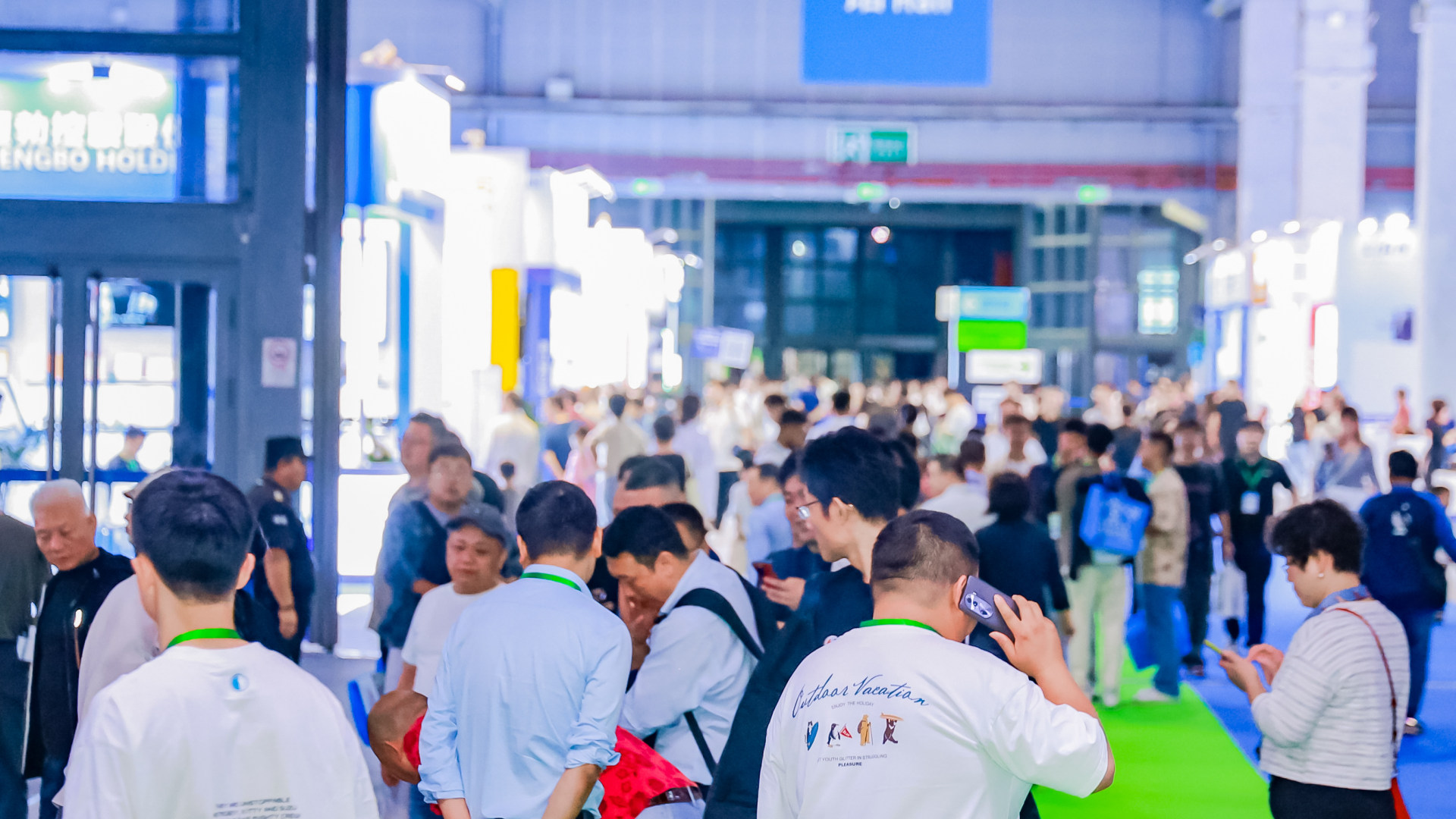

The decision to exhibit at an auto parts exhibition in China is not about having a bigger booth than the factory next door. It is about stepping into a sourcing ecosystem where 35,000 buyers from over 100 countries converge on a single trade floor, most of them carrying real purchase requirements rather than curiosity. In over a decade of organizing B2B automotive trade fairs across Shanghai, I have seen a brake pad manufacturer from Ruian walk away with forty qualified inquiries in three days because they brought one cutaway sample and a stack of factory audit reports. A China auto parts exhibition delivers that density of opportunity when you treat it as a structured sales channel rather than a brand display.
Why Exhibit at a China Auto Parts Exhibition
China now operates the most concentrated auto parts manufacturing clusters in the world. Yuhuan alone ships chassis components to more than 150 markets. Ruian supplies brake systems across Southeast Asia, the Middle East, and South America. Wenzhou electronics manufacturers fill automotive wire harness orders for European tier‑one programs. A trade show floor in Shanghai brings those clusters into a single hall where a procurement manager can physically compare the control arm a Yuhuan factory produces against the one a Changzhou manufacturer presents, on the same day, without flying across provinces. Exhibiting puts your company inside that comparison moment. Buyers who travel to a China auto parts show are actively screening suppliers and confirming specifications, not browsing. The time to close an export order starting from a show floor conversation is typically sixty to ninety days shorter than one that begins with a cold email.
Shell Scheme or Raw Space, Which Booth Type Serves Your Product
Stand construction decisions shape how a buyer perceives manufacturing capability before a single word of conversation. Shell scheme packages come with standard panels, fascia board, carpet, and basic lighting. They let a first‑time exhibitor show up and start connecting without managing a build crew. Raw space demands a custom stand design and local contractor coordination, but it allows a suspension parts manufacturer to mount a full control arm assembly on a display wall or a heavy‑duty filter supplier to position cutaway exhibits at standing eye level. The table below maps the choice to common exhibition goals.
| Booth Type | Best for | Typical Investment (USD) | Buyer Perception |
|---|---|---|---|
| Shell Scheme | First‑time exhibitors validating market interest | 3,500–5,500 per 9 sqm | Reliable producer testing the waters |
| Raw Space | Established exporters launching new product lines | 8,000–18,000 per 12 sqm | Category specialist with production depth |
A shell scheme does not signal less capability, but a raw space build allows the product to carry the conversation. If your component requires a buyer to see material thickness or weld quality up close, the budget shifts toward raw space almost automatically. The real work happens before the show opens, and that is where most exhibitors underspend. Draft a booth‑specific product roadmap covering no more than three hero parts, prepare technical data sheets with tolerance specifications and lead times, and trial the partner factory agreement that allows you to commit to pricing and sample turnaround on the spot.
What Buyers from 100+ Countries Actually Evaluate at Your Booth
Buyers arrive with a mental checklist that has almost nothing to do with the size of your display. The first check is sample quality under natural light and touch, not catalog photography. The second is whether the factory holds IATF 16949 certification. The third is whether the person staffing the booth can answer a technical question about material grade without stepping away to call the factory floor. After running international buyer programs across multiple editions of APES Auto Parts Expo Shanghai, I can say that the fastest way to lose a serious buyer is to respond to a specification question with “I will check and email you.” Bring the factory engineer, not just the sales manager. Bring the production first‑article inspection report. Show a two‑minute video of the assembly line running the same part number the buyer holds. That combination turns a walk‑by into a sourcing meeting.
If your product involves a performance parameter that is difficult to evaluate from a sample alone, such as the cycle life of an alternator or the noise‑vibration‑harshness profile of a rubber mount, then preparing a third‑party test summary becomes the difference between receiving a request for quotation and being forgotten by the time the buyer reaches the next hall. Send your part number and the specific test standard you need confirmed to [email protected] ahead of the event, and we will connect you with the right technical support to build a booth‑ready validation package.
How to Convert a Booth Conversation into an Export Order
The gap between an interested exchange and a purchase order is the follow‑up sequence. Most exhibitors collect business cards and send a generic email two weeks after the show, by which point the buyer has already shortlisted three other suppliers who acted faster. I have seen the sequence that works produce orders within sixty days. Within twenty‑four hours of the conversation, send a meeting recap that references the exact product the buyer examined, attach the spec sheet, and state the sample availability window. On day three, ship the sample with a detailed packing list and a pro‑forma invoice even if the buyer has not asked for it yet. On day ten, share the factory loading video or a new production batch report to keep the technical dialogue alive. The countries that generate the highest follow‑up conversion at China auto parts exhibitions consistently come from the Middle East, Southeast Asia, South America, and Eastern Europe, where buyers need reliable direct‑factory supply lanes. APES Auto Parts Expo Shanghai structures its buyer delegation program to bring procurement teams from those regions into pre‑scheduled matchmaking sessions, so the follow‑up runs on a timetable that the buyer has already committed to.
What It Costs to Exhibit and How to Plan the Budget
Exhibiting at a major China auto parts exhibition requires budgeting across four cost buckets: booth space and construction, travel and accommodation for a two‑person minimum team, sample shipping and customs clearance, and marketing collateral including translated technical documentation. A realistic entry budget for a shell scheme package with two team members from South Asia or the Middle East runs between 8,000 and 14,000 USD, while a raw space build for a three‑person team presenting five to eight SKUs pushes into the 20,000 to 35,000 USD range. The return depends less on total spend than on how thoroughly you pre‑qualify the buyer match before signing the booth contract. Ask the organizer for the previous edition’s buyer origin report and the top five most requested part categories. If your product falls outside those categories, you are paying for brand exposure, not transaction volume, and that is a different calculation. Most APES exhibitors who run a structured pre‑show outreach to the organizer’s hosted buyer list recover their full exhibition investment within the first two confirmed container orders.
Common Questions About Exhibiting at Auto Parts Exhibitions in China
The OEM quality question is usually the first one buyers test on site. Most mid‑tier and upper‑tier China auto parts manufacturers supplying international markets hold IATF 16949, and many maintain additional OEM‑specific process approvals. Request the audit summary and the approved supplier list, not just the certificate, and if the manufacturer hesitates to share them, that tells you more than any booth banner ever could.
Visa processing for a China business trip can be streamlined if you start the invitation letter process at least eight weeks before the event. The exhibition organizer issues an official invitation based on your confirmed booth booking, and that document is the primary supporting evidence for the M visa application. Plan for biometric submission and a processing window of ten to fifteen working days once all supporting documents are lodged.
Factory‑direct pricing at an exhibition is generally achievable because the exhibitor is the manufacturer, not a trading company intermediary. However, the price you hear on the show floor reflects spot market conditions and assumes standard packaging and payment terms, not necessarily a long‑term supply agreement. Use the booth quote as a starting reference, then negotiate annual volume contracts during the factory visit that follows the show, which many buyers schedule for the same trip.
Comparing APES Auto Parts Expo Shanghai with other regional shows comes down to buyer composition and industrial cluster density. APES draws heavily on manufacturing clusters in Zhejiang, Jiangsu, Hebei, and Hubei, bringing together over 35,000 buyers and structured matchmaking with procurement delegations from Southeast Asia, the Middle East, and South America. If your sourcing priority is direct factory access across multiple part categories within a single business trip, this concentration of exhibitors and hosted buyers shortens the qualification timeline substantially. Share your target part category and your expected annual volume, and we will confirm which exhibitor clusters match your sourcing program before you book travel: [email protected] or call +021-60280788.
If you’re interested, check out these related articles:
Tomorrow World: Innovation Achievement Exhibition and Industry Future Forum
APES 2026 to Redefine Global Sourcing Landscape as Automotive Industry Eyes Resilient Future