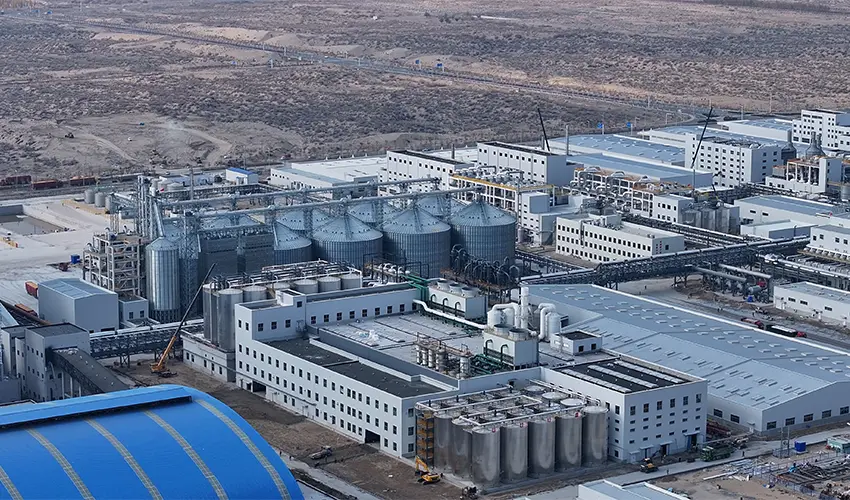

Many fuel ethanol projects limp past commissioning only to discover the licensed process package left critical gaps. The fermentation unit runs as specified, but the DDGS dryer cannot handle the spent grain volume, and the promised steam recovery never materialized. Ethanol technology licensing that stops at core distillation parameters misses three‑quarters of the plant’s value generation. True process know‑how must encompass the entire corn‑to‑co‑product chain – from grain cleaning and milling through anhydrous ethanol production, DDGS feed quality, CO₂ capture, and biogas utilization – all designed as an integrated energy and material loop. Without this integration, the plant extracts ethanol but leaves the rest of the profit on the table.
The Case for Integrated Corn Alcohol Plant Technology Licensing
In agricultural engineering projects across multiple regions, I have watched investors sign technology licenses on the strength of a high ethanol yield guarantee, only to find themselves retrofitting by‑product handling systems at a cost that eroded the first two years of margin. An ethanol plant is not a standalone distillery; it sits inside a grain processing ecosystem that spans corn input, co‑product output, and energy flows. When the technology license covers only fermentation and distillation, the project team must procure separate – and often incompatible – equipment for DDGS drying, CO₂ recovery, and biogas capture, creating integration gaps that compound during operation.
A coherent licensing package pre‑defines the interfaces between every subsystem. Corn cleaning and milling feed the mashing section with consistent particle size, which directly affects saccharification efficiency and ultimately ethanol yield. Downstream, the stillage handling route determines DDGS protein content and drying energy consumption. These interdependencies are why the most reliable ethanol technology packages treat the facility as a single thermodynamic and material stream, not a collection of unit operations assembled from different supplier catalogs.
Process Know‑How That Transforms Corn into Anhydrous Ethanol
The core of any ethanol technology license is the process engineering that converts corn starch into anhydrous alcohol. Six stages determine overall plant performance, and each one carries integration implications that extend beyond the immediate step.
| Process Stage | Key Technology | Integration Considerations |
|---|---|---|
| Corn Receiving and Cleaning | Rotary screens, magnetic separators, aspiration | Clean grain affects downstream milling efficiency and final DDGS quality; dust collection must tie into plant‑wide emissions control |
| Milling | Hammer mills or roller mills; dry or semi‑dry configuration | Particle size distribution governs starch accessibility and dewatering characteristics; energy consumption here directly impacts net plant energy balance |
| Liquefaction and Saccharification | Jet cookers, enzyme dosing systems, residence vessels | Enzyme selection and temperature‑pH profiles set the fermentable sugar spectrum; heat recovery from liquefaction feeds distillation pre‑heating |
| Fermentation | Continuous stirred‑tank reactors, yeast propagation and recycle | Sugar‑to‑ethanol conversion efficiency dictates stillage composition; CO₂ collection starts at fermenter gas headers |
| Distillation | Multi‑column system with rectifier, stripper, fusel oil separation | Steam demand must integrate with plant‑wide energy cascade; column operating pressure choices affect reboiler temperature and heat integration potential |
| Dehydration | Molecular sieve pressure‑swing adsorption or azeotropic distillation | Regeneration cycle heat loads should be met by waste energy from distillation or biogas combustion, not fresh steam |
A technology licensor who provides only the dehydration unit specification has answered ten percent of the plant’s engineering questions. When all six stages are designed as a single thermal and mass balance, the plant achieves its design ethanol yield while simultaneously minimizing steam, power, and cooling water consumption. That coordination is the process know‑how that separates a licensed technology package from a collection of equipment datasheets.
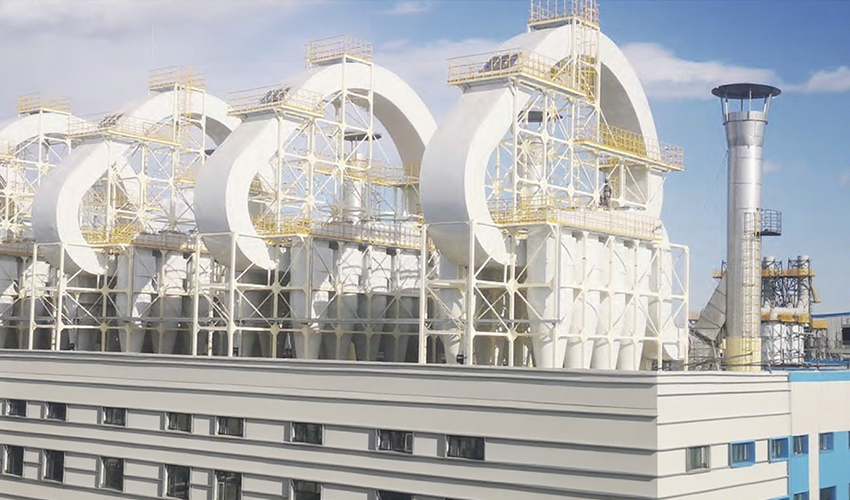
Monetizing By‑Products: DDGS, CO₂, and Biogas in Licensed Ethanol Technology
A corn ethanol plant produces roughly one ton of DDGS and 0.3 tons of CO₂ for every ton of ethanol, plus a methane‑rich biogas stream from anaerobic stillage digestion. Value from these three by‑products can equal 25–40% of total plant revenue, yet many technology licenses either ignore them or treat them as optional bolt‑ons. That approach converts revenue streams into cost centers.
DDGS quality – protein content, color, digestibility – depends on drying temperature, residence time, and whether solubles are added back upstream. A licensor that understands the feed market specifies a drying system that preserves amino acid profiles while hitting moisture targets, and integrates the dryer exhaust heat into the plant energy balance. CO₂ from fermentation can be scrubbed, compressed, and sold to food and beverage companies if the capture system is designed into the process from day one rather than added after tank installation. Biogas generated from stillage treatment can fire a boiler or combined heat and power unit, displacing fossil fuel at the plant. When these three systems are missing from the license scope, the operator must source them separately, and the interfaces between distillation, drying, and gas handling become permanent operational friction.
If your project scope stops at ethanol output without specifying CO₂ purification and biogas utilization during the technology evaluation, confirm the retrofit feasibility and upfront cost before finalizing a licensor. Send your target by‑product mix to [email protected] for an integration readiness review.
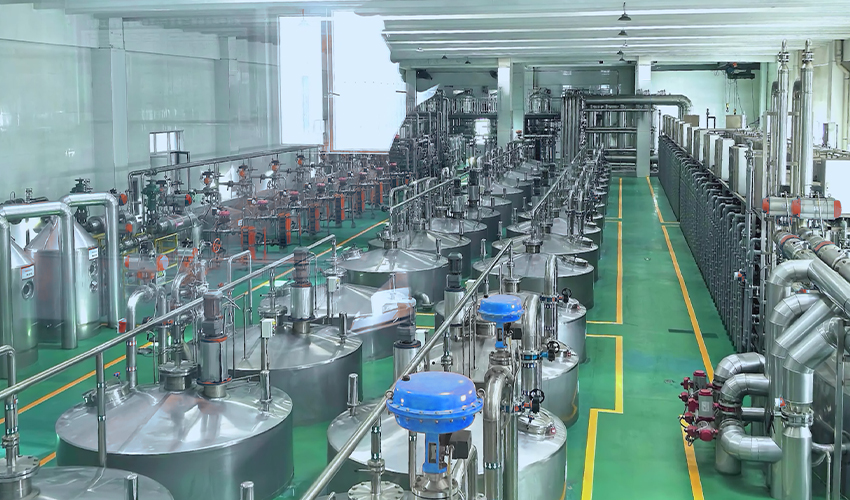
Energy Cascade Utilization: Cutting Consumption in Corn Ethanol Plants
Energy cost is the second‑largest operating line after feedstock. In a conventional plant, steam and electricity account for roughly 15–20% of production cost per liter. The difference between an energy‑intensive plant and an efficient one often lies in how the licensor applies cascade utilization. Rather than supplying each process consumer at its highest required temperature, a cascaded design matches heat sources to sinks in descending temperature order: distillation reboilers draw high‑pressure steam, flash vapors pre‑heat the mash, and low‑grade exhaust dries the DDGS.
Implemented correctly, this hierarchy cuts overall steam consumption by a quarter. The 25% energy reduction is not a theoretical ideal; it is achieved in ethanol plants where the technology package is engineered as an integrated thermal system. That means the molecular sieve regeneration load is satisfied by waste heat, not by live steam, and the cooling tower is sized to reject only the heat that genuinely cannot be recovered. A technology license that fails to specify the heat integration scheme leaves the energy optimization to the operator’s maintenance budget – where it rarely gets done.
Choosing an Ethanol Technology Licensing Partner for Full‑Chain Integration
A license agreement is not a checklist of equipment specifications. It is a transfer of operational capability. The right partner brings more than process flow diagrams; it brings an integrated design methodology that treats the corn alcohol plant as a single coherent system. Look for five capacities during evaluation.
First, the licensor must demonstrate full‑chain design competence, meaning the engineering team has delivered plants where grain handling, ethanol production, and by‑product processing were designed concurrently, not sequentially. Second, commissioning and startup support should include on‑site personnel who understand the interaction between subsystems. Third, capability to adapt the base design to local corn varieties and climate conditions is non‑negotiable, because starch content and ambient temperature shift mass and energy balances. Fourth, the technology should include digital control architecture that integrates all subsystems into a single operating platform rather than leaving operators to juggle separate SCADA screens. Fifth, evidence of circular economy design – water recycling, waste‑to‑energy, zero‑liquid‑discharge targets – signals that the licensor considers the entire life cycle, not just ethanol throughput.
Providers with a record of turnkey EPC delivery for grain‑based alcohol, such as AGRIFAM’s integrated alcohol solution, design fermentation, distillation, and dehydration alongside biogas utilization and wastewater treatment in one coordinated package. That level of integration is what converts a technology license from a process document into a profit‑generating plant.
Common Questions About Ethanol Technology Licensing
What components are typically included in an ethanol technology license?
Most comprehensive licenses cover process design package, basic and detailed engineering, equipment specifications, P&IDs, control philosophy, commissioning protocols, and operator training. The key distinction is whether the license limits itself to the ethanol production island or extends to corn handling, DDGS drying, CO₂ recovery, and biogas systems. Incomplete scope is the most frequent cause of post‑commissioning retrofits. Confirm the battery limit definition early in negotiations; a license that ends at the distillate stream leaves you to solve stillage, gas, and energy integration yourself.
How long does commissioning and full production ramp‑up take?
After mechanical completion, commissioning typically spans three to five months for a medium‑scale corn alcohol plant, with full capacity reached within six to nine months. The timeline depends heavily on whether the technology licensor provides dedicated commissioning engineers who remain on site through performance testing. Plants assembled from multiple equipment vendors routinely take longer because interface debugging consumes weeks that a single integrated design avoids.
Can the technology be customized for different corn varieties or moisture levels?
Yes, but the base process must be flexible enough to accommodate annual variation in starch content and kernel hardness. A robust license includes pre‑treatment adjustments – milling energy, steep water temperature, enzyme dose – calibrated to local corn supply. Ask the licensor to present operating data from plants running on corn with characteristics similar to your proposed feedstock; if that data does not exist, plan for a variability study during detailed engineering.
What are the most common pitfalls when licensing ethanol process technology?
Three pitfalls recur: accepting a license scope that excludes by‑product handling, failing to require integrated process simulation that validates the heat and mass balance across all units, and not verifying the licensor’s experience with plant‑wide energy cascade rather than individual equipment efficiency. Each pitfall compounds into higher operating cost that no amount of ethanol yield can offset.
Is technology licensing viable for a smaller‑scale plant, or is it only for mega‑projects?
Licensing is viable at capacities as low as 30,000 tons of ethanol per year if the licensor has done the engineering to scale the process down without losing energy efficiency. Smaller plants benefit even more from full‑chain integration because the fixed cost burden of separate by‑product and energy systems is proportionally heavier. The key is to select a partner that has delivered projects at your target scale and can demonstrate that the per‑liter processing cost remains competitive at that capacity. If your feasibility study does not include a sensitivity analysis on plant scale against integration scope, share your capacity target and feedstock data with [email protected] to confirm the economics before committing.
Fuel ethanol plant profitability depends on how well the licensed technology captures value from every ton of corn processed – not just the ethanol fraction. An integrated design that treats the facility as a single material and energy circuit prevents the margin erosion caused by retrofits and under‑utilized by‑product streams. AGRIFAM supports global grain‑based alcohol projects through complete EPC delivery that unites fermentation, distillation, dehydration, biogas, and wastewater treatment in one coordinated solution. Outline your project capacity, target product grades, and any specific co‑product requirements to [email protected] or call 010‑8591 2286 for a preliminary integration assessment.
If you’re interested, check out these related articles:
Driving Global Food Conservation Through Technological Innovation