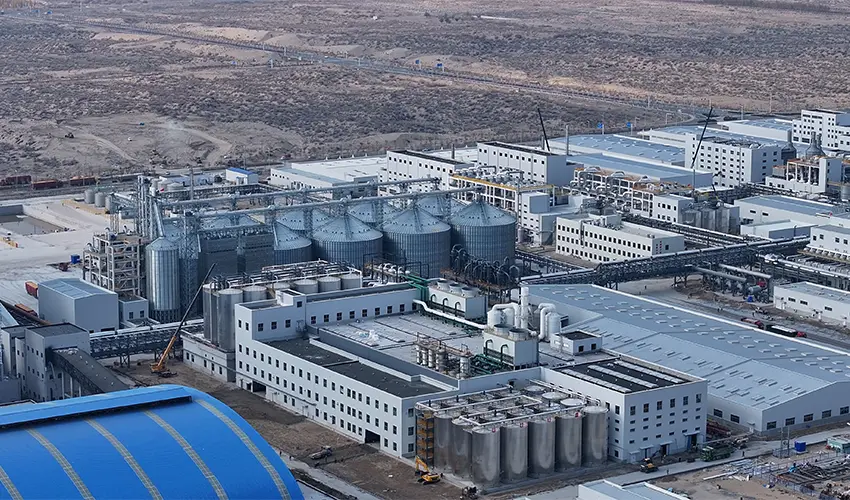

A custom ethanol solution that aligns production capacity, byproduct utilization, and energy integration with your specific feedstock and target markets delivers significantly higher long‑term profitability than a standard plant configuration. I have seen project proponents invest heavily in off‑the‑shelf designs only to discover that local corn moisture content, available utilities, or the desired product mix – fuel ethanol, medical alcohol, neutral spirit – forces costly retrofits before the plant even reaches steady state. The industry chain is shifting toward integrated, full‑lifecycle engineering and the companies that recognize this at the feasibility stage gain a structural advantage.
Why Standard Plant Designs Fall Short
Many process packages on the market assume a single feedstock specification and a single output grade. In practice, raw material varies. Corn protein and starch content shift by variety and season, and buyers increasingly need the flexibility to produce anhydrous fuel ethanol, medical‑grade alcohol, and industrial solvents on the same site, sometimes in the same campaign. A standardized liquefaction and saccharification section sized for one enzyme‑temperature profile will under‑perform when feedstock conditions change. Similarly, a distillation train optimized only for fuel ethanol may require extra rectification stages to meet pharmacopoeia purity limits.
The result is often a plant that operates but never meets its design economics. When we evaluate existing facilities, the two most common points of margin erosion are incomplete byproduct recovery and steam systems that were never configured for the actual process heat demand. These are not technology failures, they are integration failures that a tailored production line addresses at the design stage.
How a Tailored Alcohol Production Line Is Structured
A properly engineered custom line treats the whole kernel and the whole energy budget as a single system. This goes beyond selecting a mill or a fermenter, it means the mass and energy balance from grain receiving through to finished product dispatch is built around the specific client’s quality targets and site conditions.
Feedstock preparation and milling must be matched to both the grain supply and the downstream enzyme strategy. In a project where only local dent corn with variable starch was available, we sized the purification line with an extra rotary screen and magnetic separator to protect the grinders, then set the hammer‑mill screen aperture to produce a particle size distribution that ensured consistent gelatinization in the jet cooker, even when moisture content drifted above 16 percent. That level of integration cannot be added after commissioning.
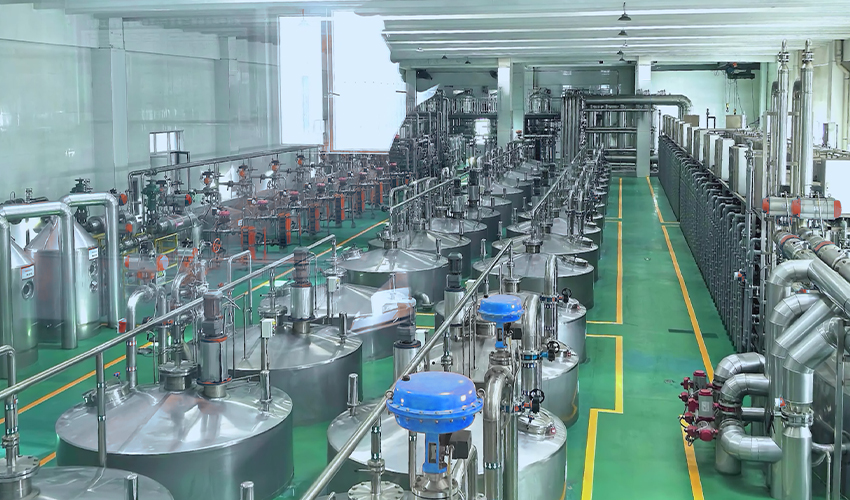
Liquefaction, saccharification, and fermentation are configured as a single kinetic chain. Continuous fermentation with yeast recycling reduces the fermenter volume by roughly thirty percent compared to batch, but it requires precise cooling and pH control that must be designed into the plant, not bolted on later. Enzyme dosing curves are developed around the expected starch‑to‑fermentable‑sugar conversion rate, and if the plant later transitions to a food‑grade neutral spirit, the distillation feed must contain minimal fusel oil precursors, which pushes the fermentation recipe toward a cleaner profile from the start.
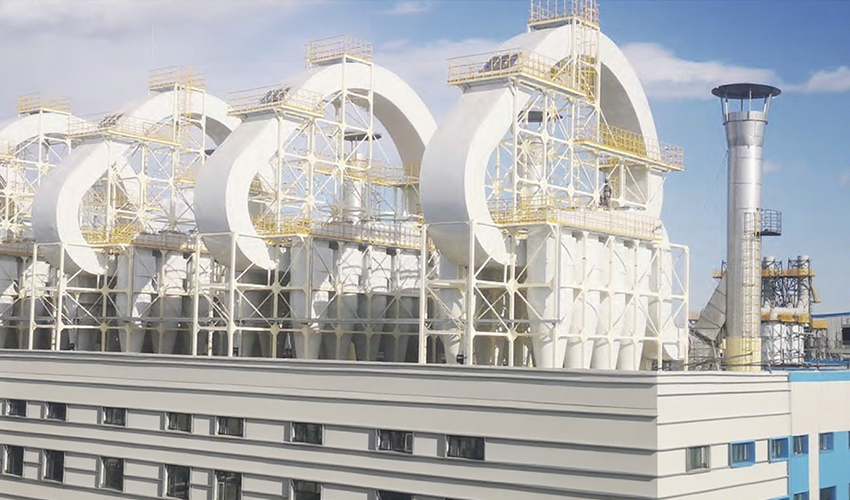
Distillation and dehydration determine the final product grade. A multi‑column system with a dedicated rectifier and a hydro‑selection section can strip impurities that a standard two‑column configuration cannot. For anhydrous ethanol, pressure‑swing molecular sieve adsorption remains the most energy‑efficient commercial path, but the regeneration loop must be thermally integrated with the plant’s overall steam‑condensate system. Designing that integration at the P&ID stage avoids separate utility circuits that waste low‑grade heat.
| Production Stage | Standard Plant Approach | Custom Line Advantage |
|---|---|---|
| Feedstock tolerance | Single-grade corn, fixed moisture | Adjustable purification and milling profile for local grain |
| Fermentation mode | Batch, fixed cycle | Continuous with yeast recycling, adaptable residence time |
| Distillation | Two‑column beer‑rectifier only | Multi‑column with hydro‑selection, built for multiple grades |
| Dehydration | Molecular sieve without heat recovery | Thermally integrated PSA with waste‑heat cascading |
| Byproduct stream | DDGS dryer only | DDGS plus CO2 capture ready, biogas from thin stillage |
Energy Cascade and Circular Economy Integration
The economic case for a custom ethanol plant rests heavily on energy cost. About sixty percent of the plant’s operating expenditure goes to thermal energy, and a standard design often vents low‑pressure steam that could drive a downstream evaporator or preheat incoming grain. Our engineering approach applies energy cascade principles at the equipment layout stage, routing 0.5‑0.8 bar(g) flash steam from the distillation reboilers to the DDGS dryer or to thin stillage evaporation, while high‑temperature condensate is looped back to the boiler feedwater system.
This systematic heat integration reduces total steam consumption by approximately 25 percent compared with a plant that treats each unit operation as an isolated consumer. The figure is not theoretical, it is measured in the design balance, and it requires zero additional fuel once the plant is running. Every ton of steam saved goes directly to the bottom line.
The same integration logic applies to the plant’s material balance. A tailored line is designed to capture all commercially viable co‑products from the first flow diagram. DDGS is the baseline, but the thin stillage stream also contains enough organic load to feed an anaerobic digester, producing biogas that can fire the boiler or a gas engine. Meanwhile, off‑gas from the fermenters contains 99‑percent CO₂, which, after compression, washing, and drying, becomes food‑grade liquid CO₂ sold to beverage or industrial gas customers. The plant’s wastewater treatment circuit can close the loop, returning treated water to the cooling tower make‑up, cutting fresh water intake by more than 50 percent.
For process‑intensive industries such as pharmaceutical contract manufacturing or reagent‑grade alcohol supply, this closed‑loop configuration is no longer a nice‑to‑have; it is a regulatory and commercial requirement in many jurisdictions. A blueprint built around “corn‑food‑energy‑feed” resource cycling provides the documentation and the operating data to support environmental permitting and green certification, which increasingly influence offtake agreements.
If your program involves both fuel‑grade ethanol and higher‑purity streams for medical or electronic use, the thermal integration and co‑product strategy must be evaluated side‑by‑side before the plot plan is fixed. Confirming these interactions early avoids a situation where the fuel line’s steam demand robs the clean‑in‑place system of the pressure it needs during a grade‑change cycle.
Intelligent Control and Digital Process Management
Modern ethanol plants handle several hundred control loops, and the interaction between sections is too tight to be managed by separate PLC islands. A unified DCS platform with SCADA oversight allows operators to see, in real time, the effect of a distillation reflux adjustment on the downstream molecular sieve cycle and on steam header pressure simultaneously. In a custom‑engineered line, the automation logic is developed alongside the P&IDs so that the control strategy is inherent to the design, not retro‑fitted after the instruments are installed.
The digital platform also becomes the foundation for long‑term optimization. Process historians collect years of fermentation batch data, and this data can be mined to identify the exact enzyme‑to‑starch ratio that shifts ethanol yield by half a percentage point, an increment that in a 200,000‑tonne‑per‑year plant is worth several hundred thousand dollars annually. Remote diagnostics and condition‑based maintenance modules, enabled by the same backbone, reduce unplanned downtime and keep the plant’s energy performance at the design curve.
Project Delivery That Moves From Feasibility to Commissioning
A custom ethanol project follows a clear delivery sequence with hard verification steps, and I want to emphasize that skipping the pre‑FEED (front‑end engineering design) phase to compress the schedule often adds six to eight months of rework later.
Feasibility and mass‑energy balance. The first deliverable is a consolidated mass and energy balance built around the client’s exact feedstock, product slate, and existing infrastructure. This document is the anchor for all subsequent CAPEX and OPEX estimates. It also confirms the byproduct streams and the steam‑electricity split, identifying whether a cogeneration unit makes sense.
Basic engineering and equipment specification. The PFDs, P&IDs, and equipment data sheets are issued and reviewed by process, mechanical, and automation engineers simultaneously, not sequentially. This concurrent workflow is only possible when the engineering team has cross‑discipline integration capability, and it trims weeks from the design phase while flushing out interface conflicts early.
Procurement, civil works, and installation. Long‑lead items such as the molecular sieve unit and the distillation columns are ordered immediately after basic engineering approval, while civil works proceed in parallel. The installation sequence is planned so that critical piping runs and cable trays are routed to avoid conflicts with later co‑product skids.
Commissioning and performance testing. We commission by system: utilities first, then grain handling, then fermentation, then distillation and dehydration. Water‑run and solvent‑run checks clear the lines before biomass is introduced. Performance testing verifies not just throughput but specific steam consumption, product purity, and recovery rates against the design balance. Only when all parameters meet the contractual guarantees is the plant handed over.
Extended Value From a Tailored Alcohol Production Line
Across fuel, medical, food, and industrial sectors, the plants that perform best over a twenty‑year asset life are those where process design, utility integration, and control architecture were developed as a unified system from the very beginning. Standard plant drawings can never anticipate every local variable – the available electrical duty, the cooling water temperature, the client’s exact by‑product revenue targets. A tailored engineering approach closes those gaps before concrete is poured, and the economic difference compounds every year the plant operates.
If you are evaluating an ethanol project, start with a detailed mass‑energy balance that reflects your actual raw material and target product grades. That single document will surface the integration points that separate a good plant from an underperforming one. When you are ready to move to basic engineering, send your feedstock data and capacity requirements to [email protected] or call 010‑8591 2286 to initiate a technical review.
Questions Decision Makers Ask When Planning a Custom Ethanol Line
What types of industries specifically require a custom production line rather than a standard ethanol plant?
Any operator that expects to serve more than one product market or that processes variable‑quality local grain will benefit from a custom design. This includes fuel ethanol producers who also supply pharmaceutical or beverage‑grade alcohol, integrated starch‑ethanol complexes that need to valorize all co‑products including CO₂ and biogas, and industrial solvent manufacturers whose purification specifications exceed standard ASTM D4806 limits. A standard plant locked to a single grade and feedstock leaves revenue on the table when market conditions shift.
How does a tailored plant actually reduce energy consumption beyond standard equipment?
Energy reduction comes from system‑level thermal integration, not from individual pieces of equipment. Flash steam recovery from distillation reboilers, multi‑effect evaporation of thin stillage, and condensate cascading reduce total steam demand by roughly one‑quarter. This is a design‑phase achievement; once the pipe routing and heat exchanger sizing are fixed, the savings repeat every operating hour without incremental fuel input.
What determines the cost and payback period of a custom ethanol project?
Capital cost is driven by plant capacity, product grade requirements, and the depth of co‑product recovery. A simple DDGS‑only plant has lower upfront cost but a longer marginal payback because it is exposed to single‑commodity price cycles. An integrated plant producing fuel ethanol, food‑grade CO₂, and biogas typically sees a faster return, often under six years, because multiple revenue streams smooth cash flow. The exact timeline requires a site‑specific feasibility model, and I always recommend running sensitivity cases on corn price and ethanol offtake price before fixing the financial plan.
Is digital process control genuinely necessary for a smaller ethanol plant?
Yes, because the economics of small plants make process stability even more critical. A single fermentation temperature excursion or distillation pressure upset washes through the entire plant, and without a unified DCS, operators spend their shift catching up rather than optimizing. The payback on automation for a 60,000‑tonne‑per‑year plant frequently comes from reduced downtime and tighter quality variance alone, well within the first two years.
What after‑commissioning support should a project owner expect from a reliable engineering partner?
At minimum, the partner should provide process performance verification for six to twelve months, remote troubleshooting access, a priced spare‑parts list for all rotating equipment and specialized instrumentation, and operator‑training modules that cover shift‑handover procedures and normal‑start‑up versus emergency‑shutdown logic. Projects that tie co‑product output guarantees to regular remote performance audits tend to maintain their design margins longer. If your plan includes future expansion to anhydrous or reagent‑grade output, confirm that the partner can develop a retrofit engineering package using the original P&ID baseline; send your long‑term production profile to [email protected] and we will assess the phased‑capacity pathway.
If you’re interested, check out these related articles:
Driving Global Food Conservation Through Technological Innovation