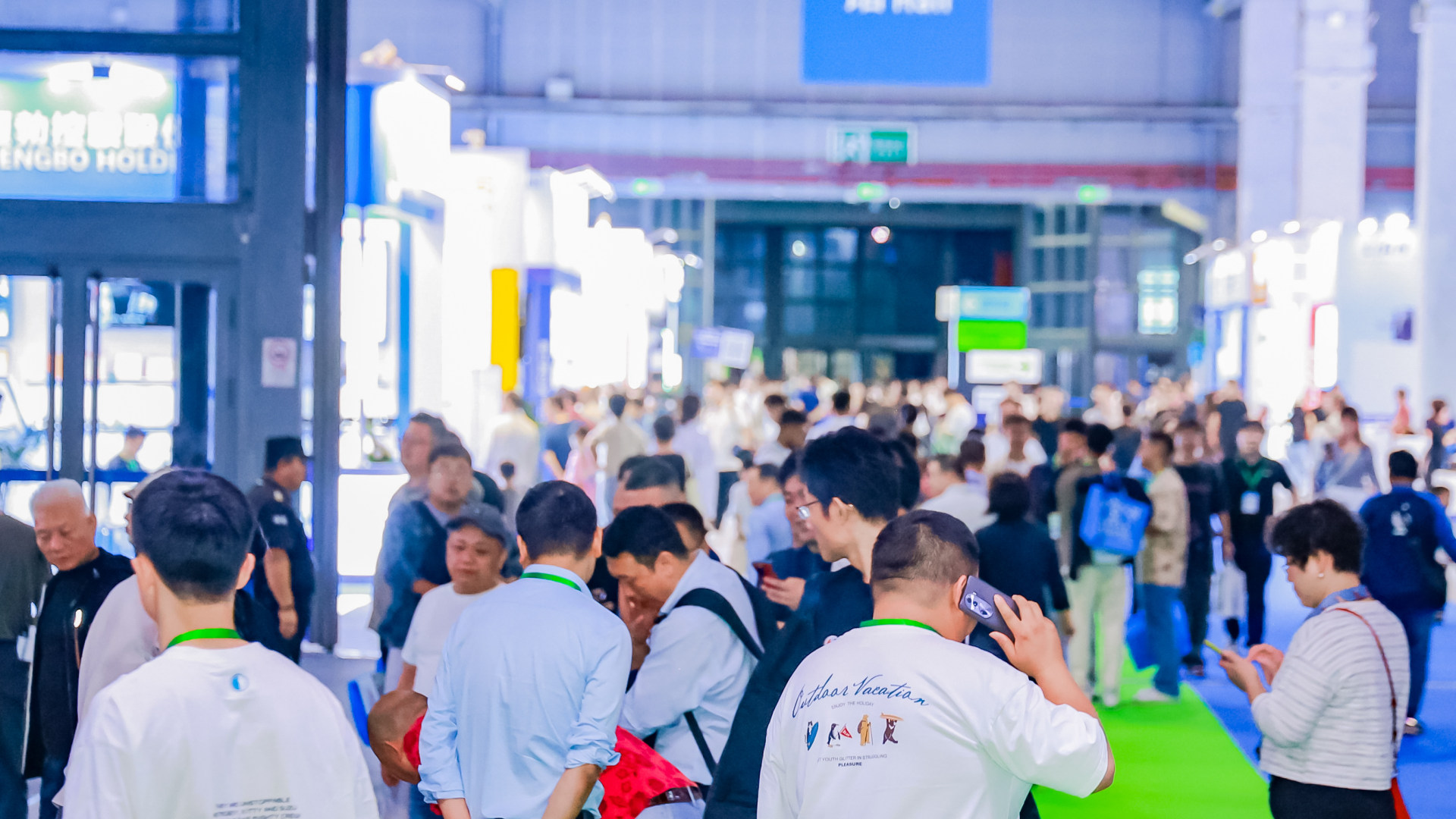

Securing genuine new energy vehicle parts without middlemen markups remains a persistent challenge for global procurement teams. The NEV parts sourcing fair model solves this by putting you face to face with factory engineers and production managers from China’s most concentrated manufacturing clusters. Over a decade of organizing these events has shown me that two days on the show floor can replace months of back‑and‑forth online vetting, simply because you see the production environment and certifications firsthand. This guide lays out exactly how to make that trip count.
Why a Physical Fair Still Wins for NEV Parts Sourcing
Online B2B platforms offer an endless stream of supplier profiles, but for NEV components the gap between a polished listing and a capable factory is often dangerously wide. A product photo cannot tell you whether a wiring harness meets voltage creepage standards or if a battery structural component was pressed on a tool with micron‑level repeatability. Walking a trade fair floor changes that. You pick up the part, scan the production line video playing on a booth screen, and ask the engineer directly about process control. I have repeatedly seen buyers who spent months exchanging emails and samples revert to a single fair visit after realizing the inbox route only filtered for marketing skill, not manufacturing depth. The fair compresses discovery into hours: you compare five suppliers of the same motor shaft in one aisle, gauge their technical fluency, and note who has IATF 16949 displayed without prompting.
What You’ll Find: Product Zones and China’s Industrial Clusters
NEV parts sourcing fairs today are structured around the vehicle’s electrical architecture, not traditional aftermarket categories. That means you walk into defined zones for high‑voltage harnesses, thermal management modules, charging guns and sockets, electric drive axles, and battery pack structural enclosures. Beneath each product category lies a concentrated network of regional industrial clusters that supply the global EV industry.
| Region | Key NEV Component Specialties | Example Parts |
|---|---|---|
| Zhejiang (Ruian, Wenzhou) | Automotive electronics, sensors, switches | EV control modules, brake by wire |
| Guangdong (Shenzhen, Guangzhou) | Charging infrastructure, LED lighting | Charging guns, LED headlamps |
| Changzhou (Menghe) | Auto lighting and interior electronics | Dashboard displays, ambient lighting |
| Hebei (Qinghe) | Filtration and air intake systems | EV battery air filters |
| Shiyan (Hubei) | Commercial vehicle and heavy-duty NEV components | High‑voltage cables, connectors |
How China’s Auto Parts Clusters Feed the NEV Supply Chain
These clusters did not appear because of a government decree. They grew organically around anchor manufacturers that trained the local workforce, attracted raw material suppliers, and built testing infrastructure. Zhejiang’s electronics ecosystem, for example, can turn a custom EV motor controller from tooling to pilot in roughly half the time of a standalone facility, because every subcontract process exists within a one‑hour drive. When you walk a fair featuring exhibitors from these clusters, you tap into that compressed supply chain. You are not merely sourcing a component; you are plugging into a production ecosystem that already serves tier‑one assemblers.
If your procurement list includes high‑voltage connectors or battery tray assemblies, confirming the supplier’s IATF 16949 certification status and cluster base before traveling can save a full day at the show. Reach out at [email protected] for a pre‑vetted exhibitor directory organized by certification and industrial region.
Factory-Direct Pricing and How to Negotiate at the Fair
Exhibitors at a focused NEV parts fair are overwhelmingly manufacturers rather than trading companies. There is a simple reason: the cost of renting shell‑scheme space and transporting prototype parts to Shanghai makes no financial sense for a middleman who operates on margin alone. That factory presence translates directly into pricing. You negotiate against ex‑works cost structures, not a distribution markup. Even so, price discipline at a fair requires a plan.
Spotting the Real Manufacturer: Three Quick Checks
First, ask to see the production line video or live feed — a real factory will have it on a tablet next to the sample. Second, check the business license displayed at the booth; the scope of business must include manufacturing, not just import/export. Third, pose a technical question about surface finish, tolerance stack, or raw material grade. A trader will deflect to a catalog; a factory engineer will explain the process choice and might note a recent design improvement. I have seen buyers walk away from a booth within two minutes when the answers stayed generic, and they were right to do so.
IATF 16949 and Other Certifications That Lower Risk
IATF 16949 certification is the global quality management benchmark for automotive series production. A valid certificate, ideally with the latest surveillance audit date shown, signals that the supplier has passed on‑site process audits. For EV‑specific components, also look for UL, CE, or ECE R100 markings on high‑voltage parts. Do not accept a scanned certificate file alone; ask the exhibitor to log into the certifying body’s public verification portal on screen. If they hesitate, treat it as a red flag. Those extra thirty seconds at the booth can prevent a container of components arriving with undocumented material change later.
Your Step‑by‑Step Plan for a Successful Fair Visit
Buyers who treat a fair as a sightseeing trip return with a stack of brochures and no actionable intelligence. Those who treat it as a structured procurement mission leave with shortlisted suppliers and a follow‑up calendar.
Pre‑Fair Prep: Documents, Samples, and a Must‑Meet List
Start by securing a copy of the exhibitor list from the organizer. Cross‑reference it against your bill of materials and mark every booth that falls within your component categories. If you are evaluating electric oil pumps for a thermal system, filter the list to Zhejiang exhibitors with pump and motor capabilities, because that cluster has the highest concentration. Send a brief inquiry to the top five booths before you travel indicating the part number, annual volume, and target certification level. Prepare a simple quality checklist: bring the relevant pages of your drawing, a calibrated micrometer for sample checks if you carry samples, and a list of questions covering process capability, lead time, and minimum order quantity under tooling‑transfer scenarios. On‑site, scan the exhibitor QR code to capture the digital brochure and immediately attach a photo of the sample you handled, so the follow‑up email has a visual anchor.
From Booth Conversation to Long‑Term Supply Contract
The biggest mistake I see importers make is waiting a week to follow up. They lose the warmth of the conversation and risk the supplier forgetting which version of the drawing was discussed. Send a summary email within 24 hours, referencing the specific sample you handled, the contact person’s name, and the agreed next action (formal quotation, factory visit date, or sample shipment). That email also serves as a written record of any verbal commitments made on the floor. If the supplier’s quotation includes tooling amortization, ask for a separate line item; that way you can compare the tooling cost across multiple suppliers and negotiate ownership terms. Once you have narrowed to a final two or three, schedule a separate post‑fair factory visit. The supplier who hosted you well at the booth should welcome it. If they resist, you just uncovered a potential broker.
Navigating the NEV supply chain from overseas can feel like a second full‑time job. The APES Auto Parts Expo Shanghai compresses that effort into a focused, two‑day sourcing experience where factories bring their production capability directly to the aisles. Taking the next step with a structured visitor plan or an exhibitor inquiry turns a fair visit into a genuine pipeline. Secure your badge or discuss exhibiting: [email protected] or +021‑60280788.
Common Questions From NEV Parts Buyers
What NEV parts can I find at this fair?
The floor covers the full EV powertrain spectrum: high‑voltage wiring harnesses, battery structural enclosures, electric motor shafts and rotors, thermal management components, onboard chargers, DC‑DC converters, and charging connectors. Beyond the core driveline, you will find body‑in‑white panels, lighting, interior electronics, and sealing products designed for the reduced‑noise environment of electric vehicles. The product zones mirror the vehicle’s systems, so finding suppliers for an entire sub‑assembly rather than piece‑part shopping becomes practical.
How can I tell a genuine manufacturer from a trading company?
Look for three signals at the booth. A manufacturer will display their production line photos or videos prominently, often alongside a live feed. Their business license, usually posted at the counter, will include “manufacturing” in the scope. When you ask a process question, the person you speak with can drill into injection pressure parameters, tool steel selection, or test rig calibration without deferring to someone else. If you cannot break through a sales script in ninety seconds, move on.
Do I get better pricing at a fair than online?
Yes, because you are negotiating against the factory’s ex‑works cost rather than platform commission plus distribution margin. However, pricing still depends on order volume and tooling status. At a fair, suppliers often show flexibility on minimum order quantity to secure a long‑term customer relationship. The key is to compare quotes from the same industrial cluster; that keeps the underlying cost base comparable and lets you spot any supplier trying to recover booth expenses through inflated unit pricing.
Is it worth exhibiting as a supplier?
If your goal is direct exposure to importers, sourcing agents, and OEM representatives from over 100 countries, then exhibiting at a structured event with a targeted buyer matchmaking program yields a far higher return than email outreach. APES fairs regularly attract procurement directors who are authorized to issue letters of intent on the spot. The face‑to‑face format shortens the trust‑building cycle from months to days.
How do I register as a visitor or secure a booth?
Visitor registration opens online three months before the fair. Fill out the form on the official site or contact the organizing team for group registration and hotel assistance. Booth applications require a company profile and intended product zone selection. For any questions about the registration process or to request an exhibitor information pack, email [email protected] — our team responds within one working day.
If you’re interested, check out these related articles:
Tomorrow World: Innovation Achievement Exhibition and Industry Future Forum
APES 2026 to Redefine Global Sourcing Landscape as Automotive Industry Eyes Resilient Future