
Smell works faster than sight. Before customers register your logo or notice the decor, they’ve already formed an impression based on what they breathe. That split-second reaction happens because olfactory signals bypass the rational brain and land directly in the limbic system, where emotion and memory live. I’ve watched retail managers obsess over lighting and music for months, then see a single fragrance change shift customer behavior more dramatically than any visual redesign. Scent-Share offers over 300 commercial fragrance options precisely because this kind of impact demands precision—the wrong note can repel as effectively as the right one attracts.
Why Ambient Scenting Changes How People Experience Commercial Spaces
The connection between smell and memory isn’t marketing folklore. Neuroscience confirms that olfactory input reaches the amygdala and hippocampus without first passing through the thalamus, the brain’s usual sensory relay station. This direct pathway explains why a particular aroma can instantly transport someone to a childhood kitchen or a past vacation. For businesses, this neurological shortcut represents an opportunity that visual and auditory branding simply cannot match.
Research on scent marketing consistently demonstrates measurable effects on consumer behavior. Dwell time increases when ambient scenting aligns with customer expectations. Purchase intent rises when the olfactory environment reinforces product positioning. Brand recall strengthens when a signature aroma creates a distinctive sensory anchor. These outcomes stem from olfactory branding’s ability to engage customers at an emotional level before conscious evaluation begins.
The practical applications span nearly every commercial context. A hotel lobby that smells like clean linen and subtle citrus communicates care and attention. A fitness center with fresh, energizing notes signals vitality. A luxury boutique with sophisticated woody undertones suggests exclusivity. Each of these environments uses ambient scenting to shape customer experience enhancement in ways that complement rather than compete with other design elements. The transformation from ordinary space to memorable destination often hinges on getting this invisible element right.
Making Sense of 300 Commercial Fragrance Options
Three hundred choices can feel overwhelming until you understand the underlying structure. Our scent library organizes commercial fragrance options into distinct fragrance families, each carrying specific emotional associations and practical applications. This categorization simplifies selection by matching aromatic profiles to business objectives.
| Fragrance Family | Characteristics | Typical Commercial Applications |
|---|---|---|
| Citrus | Uplifting, clean, energetic | Retail, spas, fitness centers |
| Floral | Romantic, elegant, soothing | Hotels, boutiques, salons |
| Woody | Earthy, warm, sophisticated | Luxury retail, offices, lounges |
| Fresh/Aquatic | Crisp, airy, revitalizing | Healthcare, gyms, modern offices |
| Oriental | Rich, spicy, exotic | High-end restaurants, exclusive venues |
The distinction between fragrance oil types and essential oil blends matters for both performance and perception. Fragrance oils offer consistency and longevity, making them practical for commercial environments where scent must remain stable throughout operating hours. Essential oil blends appeal to businesses emphasizing natural positioning, though they require more frequent replenishment. Custom scent development bridges these categories, allowing businesses to create proprietary formulations that balance practical requirements with brand-specific olfactory signatures.
Matching Commercial Fragrance Options to Business Identity
Selecting the right scent starts with honest assessment of what your brand actually represents, not what you wish it represented. A budget-friendly retail chain shouldn’t smell like a five-star hotel lobby. The disconnect would confuse customers rather than elevate their perception.
Begin by articulating the emotional response you want to trigger. Relaxation? Energy? Sophistication? Trust? Each objective points toward different aromatic directions. A wellness center seeking calm might explore lavender-forward floral blends or soft woody bases. A tech startup wanting to project innovation might lean toward clean, fresh notes that suggest clarity and forward thinking.
Target audience matters as much as brand positioning. Demographic research on scent preferences reveals meaningful variations across age groups, cultural backgrounds, and even gender. These differences don’t dictate choices, but they inform them. A scent that resonates with one customer segment might feel alienating to another.
Physical space characteristics also influence selection. Retail scenting in a large department store requires different considerations than a hotel fragrance in an intimate lobby. Ceiling height, ventilation patterns, and traffic flow all affect how scent disperses and how intensely customers perceive it. Our team works with businesses on office scent solutions and other tailored approaches that account for these environmental factors.
Scent Diffusion Technology That Actually Delivers
Even the perfect commercial fragrance fails if the delivery system can’t distribute it effectively. Scent diffusion systems vary dramatically in coverage capacity, installation requirements, and operational characteristics. Matching technology to space requirements determines whether ambient scenting succeeds or disappoints.
Our R&D investments focus on consistent, controllable scent delivery across diverse commercial environments. The Commercial Scent Oil Diffuser (Bluetooth APP) handles spaces up to 1,000 square feet with programmable scheduling and remote management. For locations where hardwiring isn’t practical, the Scent-Share Battery Aroma Oil Dispenser Wall Mount Diffuser offers flexible placement without sacrificing performance. Large-scale properties benefit from the Scent-Share Commercial Scent Diffuser HVAC Aroma Dispenser System, which integrates directly with existing air conditioning infrastructure for seamless building-wide coverage.
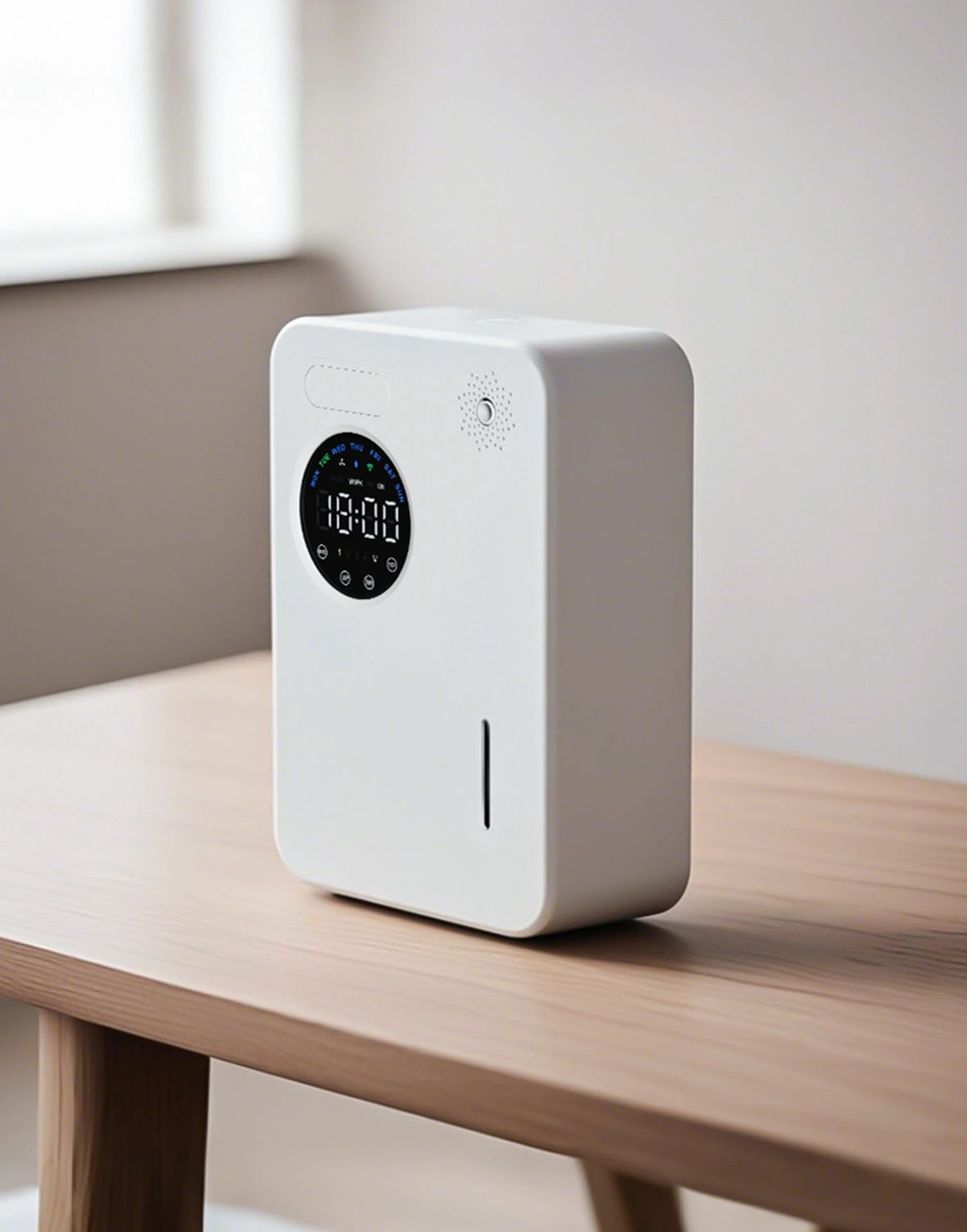
| Diffuser Type | Coverage Area | Key Features | Ideal Application |
|---|---|---|---|
| Wall Mount | Up to 200 m³ | Battery or DC powered, programmable settings | Small retail shops, offices |
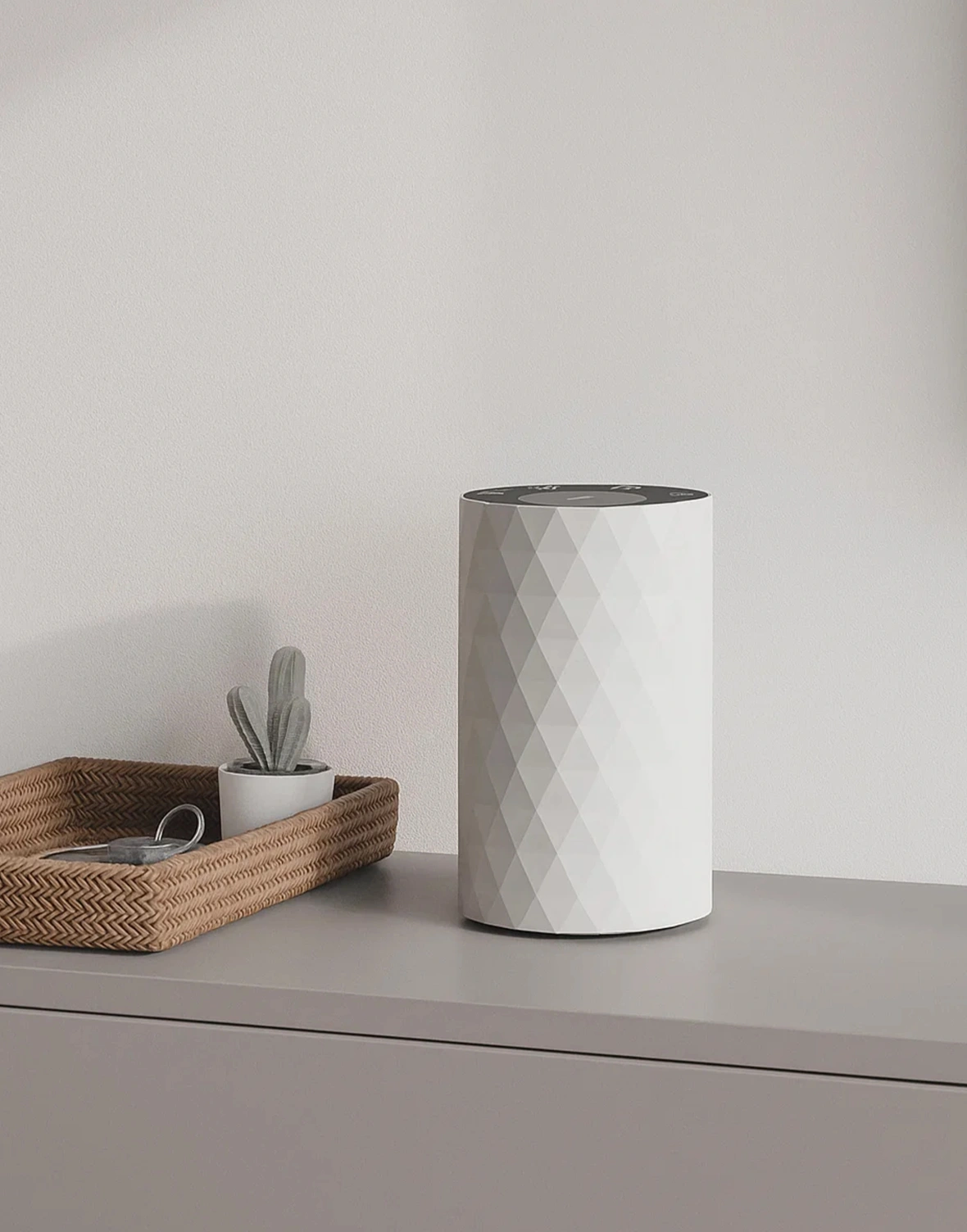
| Desktop | Up to 300 m³ | Bluetooth app control, ultra-quiet operation | Small offices, hotel rooms |
| Commercial (App-Controlled) | Up to 1,000 sq ft | Long-life pump, continuous 24/7 operation | Boutiques, waiting areas |
| HVAC System | Up to 8,000 m³ | Direct HVAC integration, high-capacity output | Hotels, shopping malls |
| Ceiling Mount | Up to 600 m³ | Track-mounted, discreet design | Galleries, open-plan environments |
Properties requiring extensive coverage often turn to the Scent-Share Hotel Air Scenting Machine HVAC Scent Diffuser or the Scent-Share Commercial Aroma Diffuser HVAC Scent System. Both integrate with HVAC scent delivery infrastructure to maintain consistent ambient scenting across thousands of square meters. The Scent-Share Ceiling Aroma Diffuser Track Mount Scent Machine serves environments where visible equipment would detract from aesthetics, mounting discreetly overhead while delivering effective coverage.
Scent machine maintenance deserves attention regardless of which system you choose. Regular cleaning prevents residue buildup that can alter fragrance character or reduce output efficiency. Oil replenishment schedules depend on usage intensity and coverage demands. Proper care extends equipment life and ensures the scent experience remains consistent over time.
The Business Case for Professional Scent Marketing
Scent marketing benefits translate into measurable business outcomes when implementation aligns with strategic objectives. The return on investment extends beyond the immediate sensory experience to influence metrics that matter to operations and finance teams.
Increased dwell time represents one of the most consistently documented effects. When customers find an environment pleasant, they stay longer. In retail contexts, extended browsing correlates directly with higher transaction values. The relationship isn’t mysterious—more time means more exposure to merchandise and more opportunities for purchase decisions.
Perceived value shifts when ambient scenting reinforces quality positioning. Customers in pleasantly scented environments rate products and services more favorably than those in neutral or unpleasant olfactory conditions. This perception gap affects willingness to pay, complaint rates, and overall satisfaction scores. Hotels that invest in signature scents often see improvements in guest reviews that mention ambiance and atmosphere.
Brand differentiation becomes tangible through olfactory branding. Visual identity and messaging can be copied or closely imitated. A proprietary scent creates a sensory signature that competitors cannot replicate without obvious imitation. This distinctiveness strengthens brand recall and builds emotional associations that persist long after customers leave the physical space.
The consumer psychology of scent explains why these effects occur. Smell bypasses rational evaluation and triggers emotional responses before conscious processing begins. This sequence means that scent influences mood and perception in ways that feel natural rather than manipulative to customers. The experience registers as authentic rather than constructed, even when it results from deliberate strategic choices.
Safety and Sustainability in Commercial Scenting
Effective ambient scenting must also be responsible ambient scenting. Fragrance safety standards exist for good reasons, and regulatory compliance isn’t optional for businesses that value customer wellbeing and legal protection.
All commercial fragrance options in our catalog meet international safety guidelines established by organizations like IFRA (International Fragrance Association). These standards limit or prohibit ingredients with known sensitization risks and require disclosure of allergen content. Compliance protects both customers and businesses from adverse reactions and liability exposure.
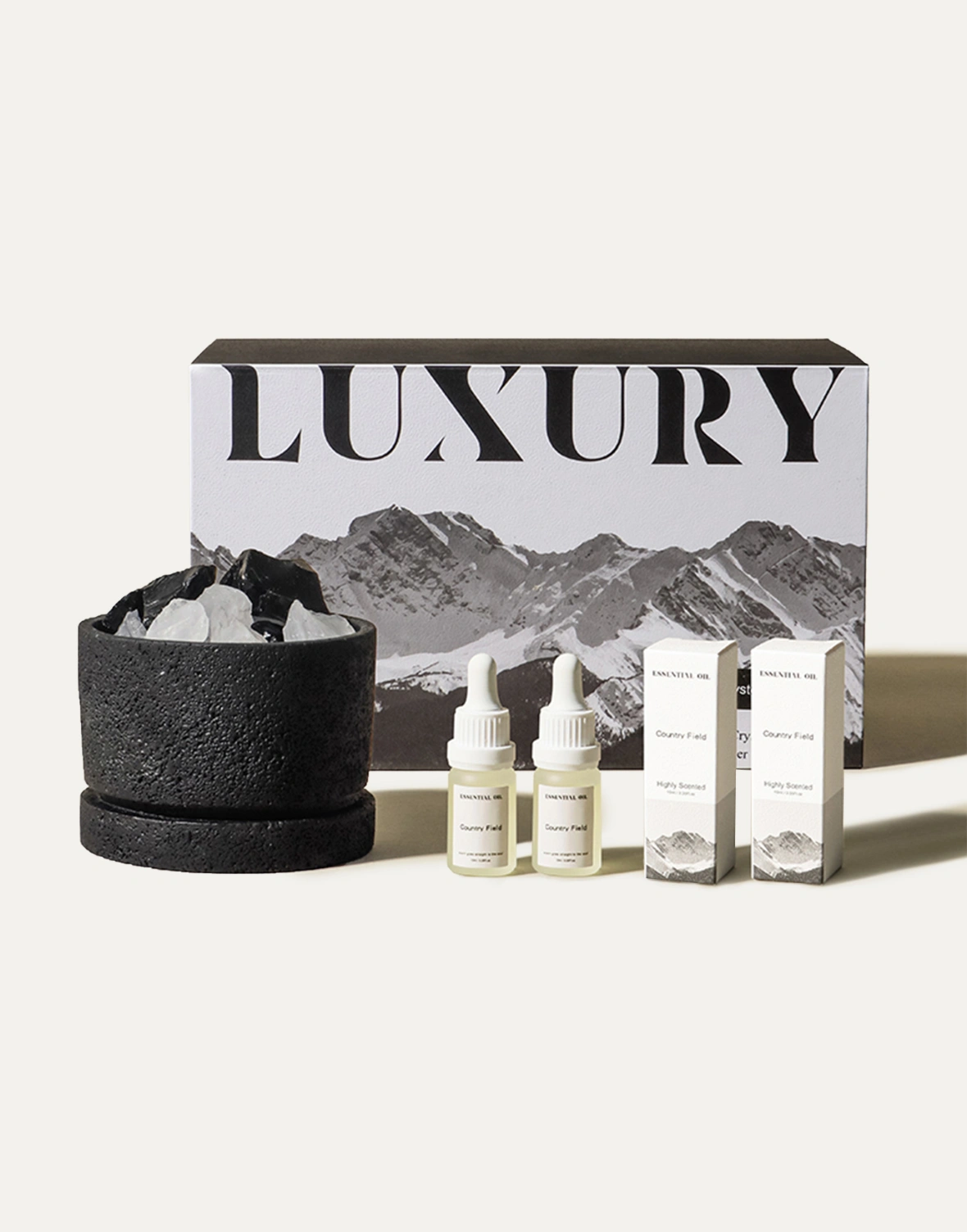
 Sustainable fragrance options reflect growing awareness that environmental responsibility matters to customers and stakeholders. Ingredient sourcing affects ecosystems and communities in producing regions. Manufacturing processes consume energy and generate waste. Packaging decisions influence landfill contributions. Eco-friendly scenting practices address these concerns through responsible supply chain management and operational choices.
Health and wellness in scenting goes beyond avoiding harm to actively contributing to indoor air quality. Some fragrance formulations include components with documented mood-enhancing or stress-reducing properties. Others prioritize hypoallergenic profiles for healthcare environments where patient sensitivity requires extra caution. The goal is scent experiences that enhance wellbeing rather than compromise it.
FAQs
Q1: How do commercial fragrances impact customer behavior?
Commercial fragrances influence behavior through direct neurological pathways connecting smell to emotion and memory. Customers in well-scented environments typically stay longer, report better moods, and evaluate products more favorably. The effect operates below conscious awareness, making it feel natural rather than manipulative. Specific outcomes depend on fragrance selection, intensity calibration, and alignment with overall brand positioning.
Q2: Can I get a custom fragrance for my brand?
Custom scent development is available for businesses seeking proprietary olfactory signatures. The process involves defining brand attributes, target emotional responses, and practical requirements like longevity and intensity. Our team translates these inputs into fragrance formulations that undergo refinement based on client feedback. The result is a unique scent that competitors cannot replicate and customers associate exclusively with your brand.
Q3: What types of scent diffusers are available for commercial spaces?
Commercial scent diffusion systems range from compact standalone units covering small offices to HVAC-integrated solutions for large properties. Wall-mounted, desktop, and ceiling-mounted options address different installation constraints and aesthetic requirements. Coverage capacity varies from 200 cubic meters to over 8,000 cubic meters depending on the system. Selection depends on space characteristics, budget, and operational preferences.
Q4: Are your commercial fragrances safe and environmentally friendly?
All commercial fragrance options comply with international safety standards governing ingredient selection and allergen disclosure. Sustainable sourcing practices minimize environmental impact throughout the supply chain. Formulations avoid ingredients with known sensitization risks while maintaining performance characteristics required for commercial applications. Safety documentation is available for businesses requiring verification for compliance or certification purposes.
Q5: How do I maintain a commercial scent diffuser?
Maintenance requirements vary by system type but generally include periodic cleaning of reservoirs and atomization components, timely oil replenishment, and occasional inspection of mechanical parts. Most units require attention every few weeks under normal operating conditions. Detailed maintenance guidelines accompany each system, and support resources are available for troubleshooting or questions about optimal care practices.
Discover Your Brand’s Signature Scent
The right commercial fragrance transforms how customers experience your space and remember your brand. With over 300 commercial fragrance options and diffusion technologies scaled for any environment, the path to effective ambient scenting starts with understanding your specific needs. Our team helps businesses navigate selection, implementation, and ongoing optimization.
Email: [email protected]
Phone: +86 185 6557 5758 / +86 134 2048 5758
