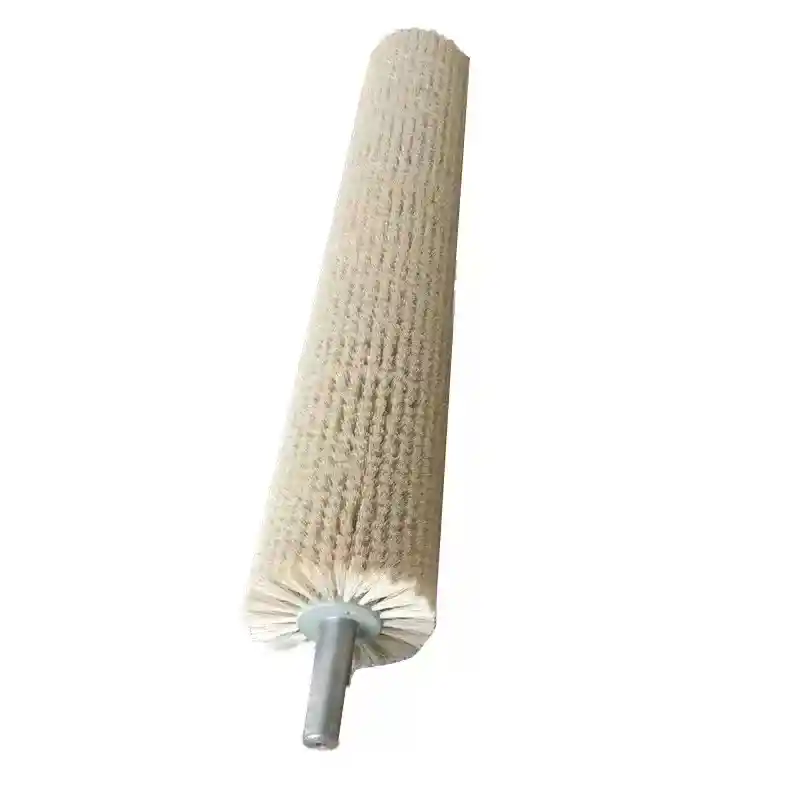

A solar panel cleaning brush is more than a simple scrubbing tool. The right brush material and design directly affect how much power your photovoltaic system generates over its lifespan. Dust, pollen, and industrial fallout reduce panel efficiency by blocking sunlight. Manual cleaning with an inappropriate brush can cause more harm than good, leaving micro-scratches that worsen long-term output. For maintenance teams managing utility-scale solar farms or commercial rooftop arrays, brush selection is an engineering decision, not a commodity purchase. Liu Jian, an industrial brush engineer with over fifteen years of experience, explains the critical specifications to consider.
How Does Dirt Reduce Solar Panel Power Output?
Soiling on solar panels is not just an aesthetic problem. Deposits of dust, bird droppings, and atmospheric pollutants form a layer that reflects and absorbs photons before they reach the photovoltaic cells. In dry and dusty regions, it is common to see output reductions of 10 to 20 percent within weeks if panels are not cleaned. The shadow effect of even a small layer can cause hot spots and localized efficiency loss that degrades the module over time.
A solar panel cleaning brush that restores the glass surface to near-original clarity without abrading it is essential. However, many off-the-shelf brushes use filaments that are too stiff or uneven, which can create fine scratches. Once the anti-reflective coating is damaged, panel performance declines permanently. This is why industrial brush engineers focus on filament selection and tip finishing.
What Bristle Materials Work Best for Solar Panel Cleaning?
The filament material determines both cleaning aggressiveness and the risk of surface damage. For most solar installations, nylon 6.12 is the preferred material because it offers a balance of flexibility, water absorption, and chemical resistance. The filament diameter is the critical variable.
| Bristle Material | Typical Filament Diameter (mm) | Cleaning Level | Best Application |
|---|---|---|---|
| Nylon 6.12 | 0.30 – 0.45 | Low | Light dust, frequent cleaning cycles |
| Nylon 6.12 | 0.50 – 0.70 | Medium | Moderate soiling, including pollen and fine sand |
| Polypropylene | 0.40 – 0.60 | Medium-Low | Cost-sensitive projects, but shorter lifespan |
| Nylon 6.6 (abrasive) | 0.50 – 0.80 | High | Heavy soiling with anti-reflective coating hardened surfaces only; requires testing |
I have seen projects where operators used nylon 6.6 abrasive filaments on standard glass panels, and after a few hundred cycles, the coating showed visible wear under side lighting. That small damage reduced annual energy output by about 2 percent, which over a multi-megawatt farm adds up quickly. Therefore, unless you are working with hardened or textured glass, stick with nylon 6.12 and keep the filament diameter below 0.50 mm for routine cleaning.
How Does Brush Density Impact Cleaning and Panel Safety?
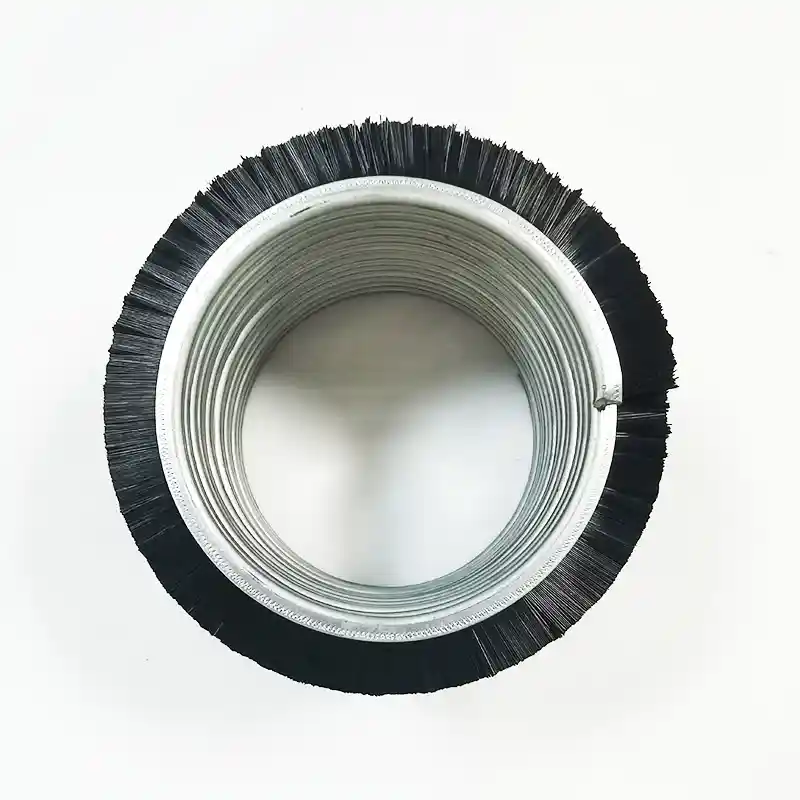
Brush density, measured by the number of filament tufts per hole and the total fill factor, influences how much surface contact the brush makes and how much water and debris it holds. A brush that is too dense can cause a squeezing effect that traps abrasive particles against the glass, while a brush that is too sparse may miss spots.
For automated rotary brush systems used on solar trackers, a density of 50 to 60 percent fill factor generally provides good cleaning action without creating excessive drag. The tuft pattern also matters: staggered rows help release debris and reduce water retention compared to inline patterns. If you are designing a cleaning robot, request a brush sample with your target density and test it on a small array before full deployment. This upfront testing prevents unexpected surface issues later.
Why Use a Custom Brush for Automated Solar Cleaning Systems?
Automated cleaning systems on large solar farms rely on brush rollers that must fit specific mounting hardware, rotation speeds, and panel widths. An off-the-shelf brush often cannot meet the length tolerance or balance requirements. When we at Huixi Brush work with cleaning equipment manufacturers, we start with the core dimensions, then select the filament material and density based on the expected soiling conditions and cleaning frequency.
A custom brush also allows you to integrate features like detectable wear indicators or easy snap-on replacement ends. These small engineering details reduce downtime and maintenance cost over the life of the system. If your program involves different panel models or cleaning robots from multiple suppliers, a one-size-fits-all brush can lead to inconsistent results. Share your cleaning torque, panel surface type, and target cycle life, and we can design a brush that matches your system parameters.
What Maintenance Factors Extend Cleaning Brush Lifespan?
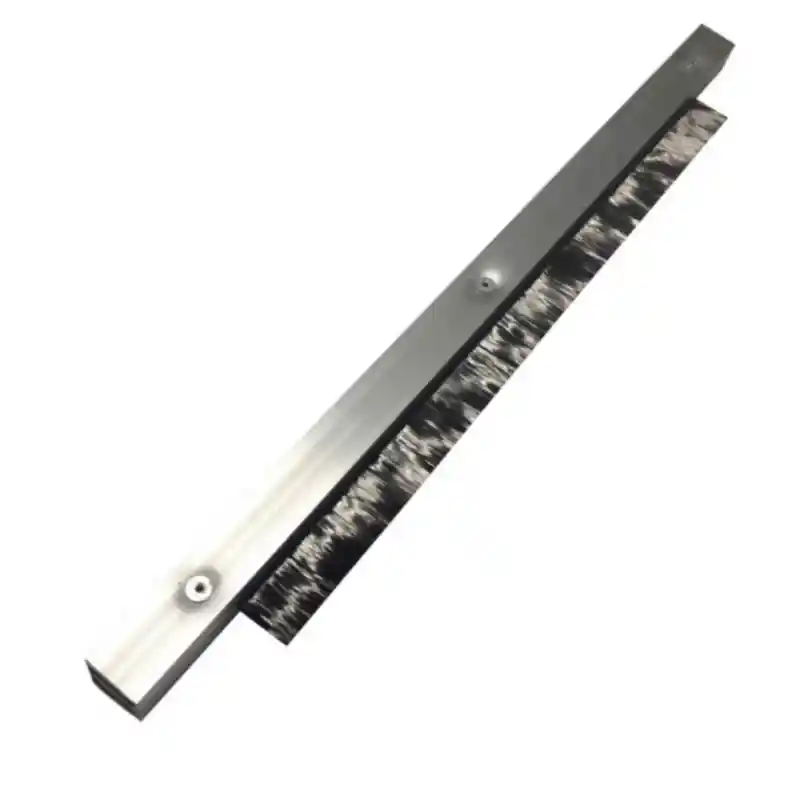
A cleaning brush is a wear part, but its service life can be extended by monitoring a few key indicators. Check bristle length monthly during the dry season. When filaments have shortened by more than 20 percent from original length, cleaning coverage drops noticeably. Replace brushes before they reach that point to maintain consistent panel output.
Also inspect for bent or permanently deformed filaments, which often result from excessive brush pressure or misaligned mounting brackets. Correcting the mechanical installation extends brush life more than any filament upgrade. Store spare brushes in a dry, cool area away from direct sunlight to prevent premature nylon degradation.
Common Questions About Solar Panel Cleaning Brushes
How often should solar panels be cleaned with a brush?
Cleaning frequency depends on local dust levels, rainfall, and panel tilt. In deserts or near construction sites, panels may require cleaning every two weeks. In areas with regular rain, monthly or quarterly cleaning often suffices. The key is to monitor output data and schedule cleaning when a performance drop exceeds 3 to 5 percent of expected.
Can a stiff brush scratch the glass surface?
Yes, if the filament material and diameter are not matched to the panel’s coating. A brush with a filament diameter over 0.60 mm in nylon 6.12 or any abrasive filament used on delicate anti-reflective glass can cause micro-scratches. These scratches accumulate dirt more readily and reduce light transmission over time.
Is a water-fed brush better than dry cleaning?
Water-fed brushing reduces the risk of scratching because water acts as a lubricant and rinse agent. In heavily soiling conditions, a water-fed system with a soft brush is more effective. However, in water-scarce regions, a well-designed dry cleaning brush with anti-static filaments can perform adequately if cleaning frequency is maintained.
Do I need a different brush for rooftop vs ground-mount panels?
Not necessarily, but rooftop panels often require lighter, handheld brushes with shorter handles, while ground-mount systems can use larger, motorized brush rollers. The filament specification, however, remains similar; what changes is the brush holder and actuation method. If you are outfitting both types, a modular brush design that allows swapping of handle attachments can reduce inventory.
If your site conditions require a specialized brush material or you are developing an automated cleaning robot, sharing your project details can help identify the right specification. Our team at Huixi Brush has supplied custom cleaning brushes to solar maintenance providers across several continents, and we are happy to discuss your requirements.
Do you need a custom solar panel cleaning brush for your maintenance fleet? Huixi Brush designs and manufactures industrial cleaning brushes tailored to your panel specifications. For a free consultation and quote, contact us at +86 1580 0932 713 or email [email protected].
If you’re interested, check out these related articles:
brushes for steel wire industries cleaning descaling derusting polishing
abrasive disc brush an excellent industrial surface treatment tool
honing brush a magic tool for flexible burr removal