Co-working space scent marketing succeeds when fragrance is zoned by function, because open hot desks, call booths, and meeting rooms have different air volumes, occupancy patterns, and member expectations. A single blanket scent creates the same two failures every time: the lounge smells pleasant while the phone booths feel heavy, and members cannot find a neutral spot when they need one. That tension is not an argument against scenting. It is the reason to plan zones first, choose diffusers by coverage and noise level, and match intensity to how each area is actually used.
The Case for Zone-Based Scenting in Co-Working Spaces
Most scent marketing advice copied from hotel and retail projects treats one signature scent as the goal. A coworking floor does not work that way. Members stay four to eight hours, not twenty minutes. They move between hot desks, conference rooms, kitchen areas, and call booths, often in the same day. A scent that reads as a pleasant arrival cue at the front desk becomes background noise by early afternoon, then returns as an irritant when a member closes a phone booth door for a call.
I have reviewed coworking floors where the same diffusion intensity ran in a 40 m² lounge and a 2 m² booth. The complaints were not about the fragrance itself. They were about being trapped with it. The operator concluded scenting was too risky, but the real problem was that one zone setting cannot serve spaces with a twentyfold volume difference.
Operators also face a member mix that hotels and retail stores do not. One monthly pass holder may want a lively citrus note; the next may have a fragrance sensitivity that makes any persistent scent unwelcome. That means the strategy is not to scent everything. The strategy is to build a neutral base in shared areas, add a stronger signature only at arrival and lounge points, and leave at least some zones deliberately quiet.
Scent Zone Mapping for Co-Working Spaces
Zone mapping starts with volume, dwell time, and function, not with fragrance choice. The entry is the only space where scent should be noticed immediately. Set a signature at the door, and keep it short because most people pass through in under a minute. The lounge and cafe can carry a warmer, more social note, but it should sit below the coffee and food smells. Open desks need the most restrained background. Meeting rooms need near-neutral scent because they are enclosed, recirculated, and often occupied by non-members who cannot be expected to tolerate a brand fragrance. Call booths are the smallest air volume and should be treated as passive or very low output zones.
A medium coworking floor usually needs four to six scent zones: entry, lounge, open desk, meeting room, phone booth, and amenity or restroom zone. Smaller floors can merge entry and lounge. Larger multi-floor sites repeat the same map floor by floor, but the equipment choice changes with ceiling height and HVAC access.
Why Open Desks and Meeting Rooms Need Different Levels
Open desks sit in a large air volume with constant movement, so fragrance dissipates quickly and needs a low but continuous background. Meeting rooms are smaller, closed for long periods, and occupied by guests who did not choose the building’s scent. Set meeting room output to the lowest setting or run scent only between bookings.
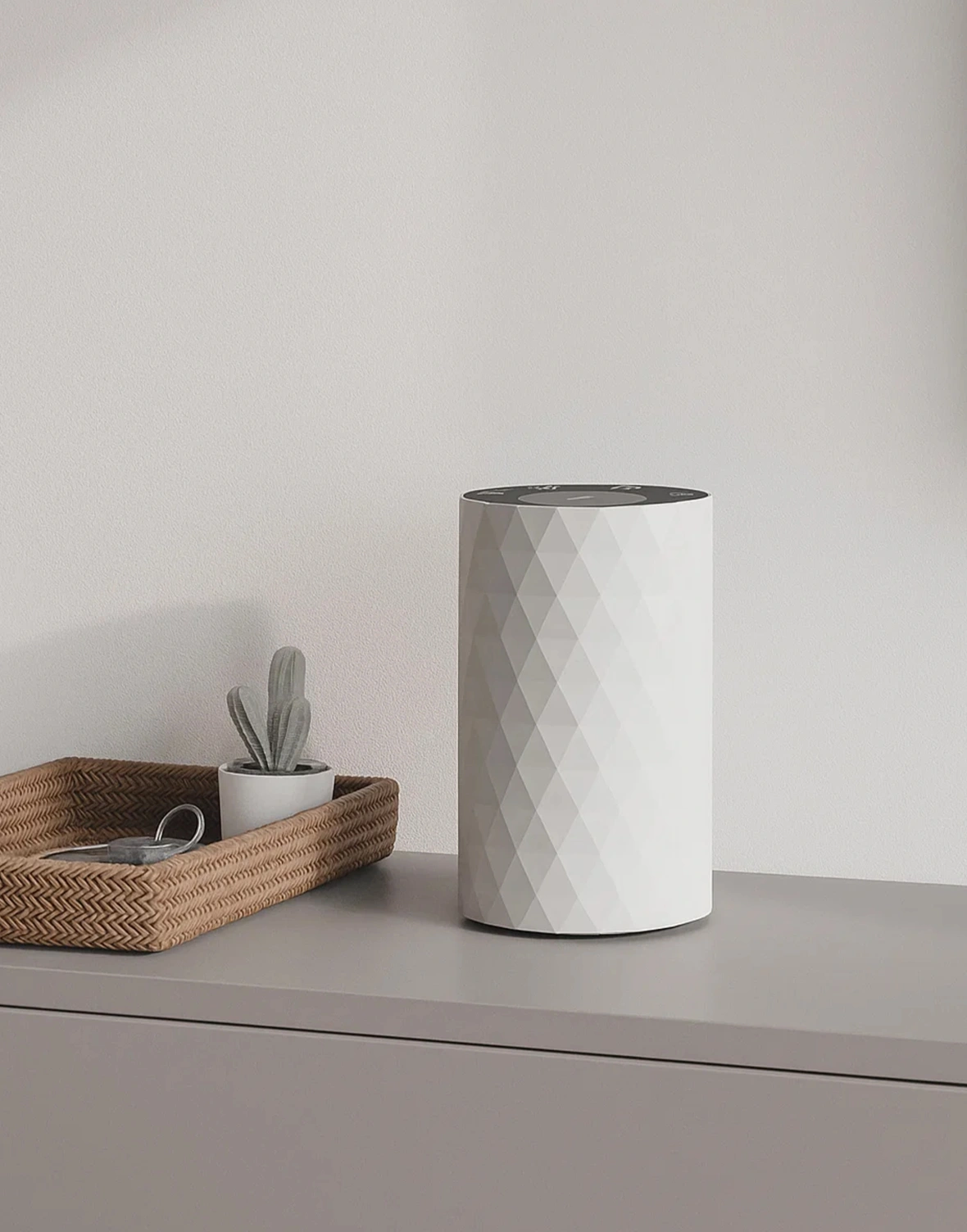
For phone booths and small focus rooms, a low-output mini diffuser on a timer works better than a stronger commercial unit. The Home Aroma Air Diffuser Scent Machine (Mini) produces under 35 dBa and can run from battery, which matters when you do not want to add wiring inside a glass booth.
Diffusion Equipment Selection for Co-Working Spaces
Equipment decisions in a co-working space follow zone volume and installation limits. Waterless cold-air diffusers are the practical default because they do not add moisture to already crowded air. The unit should also run quietly. Anything above 40 dBa in an open desk area becomes a separate noise complaint. Control matters more than a fragrance library at this stage: you want a schedule that cuts scent after hours and during member-free periods.
| Zone | Scent-Share Diffuser Type | Coverage | Note |
|---|---|---|---|
| Entry or lounge | Commercial Scent Oil Diffuser (Bluetooth APP) | 300 m³ (1,000 sq ft) | Bluetooth APP schedule, 150 ml bottle, 24/7 pump |
| Phone booth or small focus room | Home Aroma Air Diffuser Scent Machine (Mini) | 80 m³ (300 sq ft) | Under 35 dBa, battery up to 50 hours |
| Open desk floorplate | Ceiling Diffuser Commercial Scent Machine (Round) | 600 m³ (2,000 sq ft) | Track-mounted, built-in fan, black or white |
| Multi-floor or HVAC-linked space | Commercial HVAC Scent Diffuser Aroma Dispenser System | 8,000 m³ (30,000 sq ft) | 1L, 2.5L, or 5L bottle options |
| Event hall or large lounge | Hotel Scent Oil Diffuser Tower (Commercial) | 3,000 m³ (11,000 sq ft) | Tower design, touch-control |
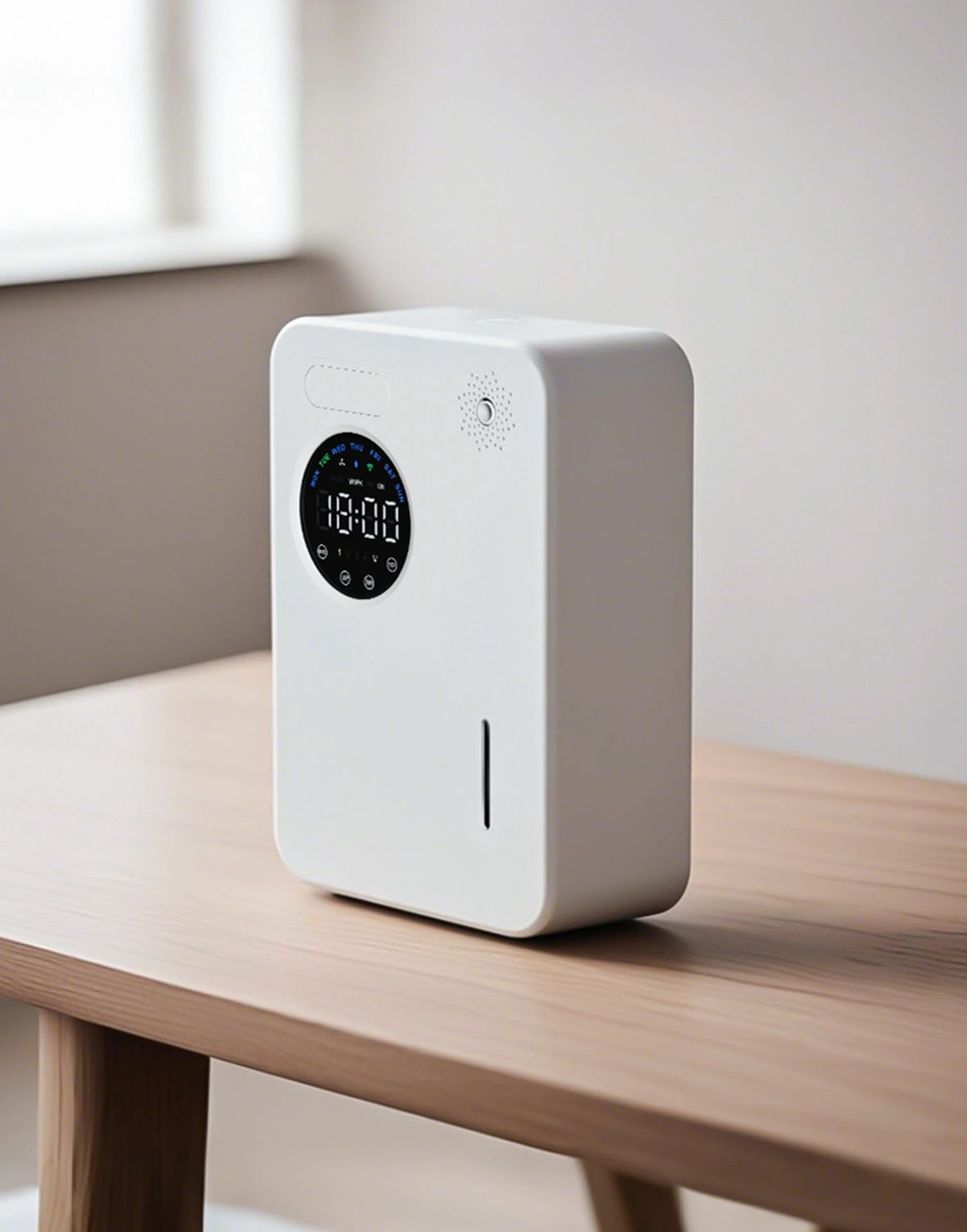 The key selection error is buying the strongest unit for every zone. A 3,000 m³ tower in a 100 m² cafe will push scent into the hallway and build fatigue within a week. Match the device to the actual volume, not to the marketing promise of the largest space. Where a small space has a closed door, use the mini unit or no active diffusion at all.
If your coworking space uses a central HVAC system, confirm integration before finalizing the equipment list. Share your floor area and zone count at [email protected] and we will confirm whether a standalone or HVAC diffuser fits your air handling.
Intensity Control and Member Tolerance in Shared Workspaces
Intensity is controlled by three things: oil concentration, run time, and airflow pattern. Fragrance oil concentration is set by the supplier; run time and airflow are set by the operator. In most coworking floors I have configured, the entry zone runs 30 seconds every 5 minutes, open desks run 15 seconds every 10 minutes, and meeting rooms run 10 seconds every 15 minutes. These are starting points, not fixed rules, because partition layout and air changes per hour shift how quickly fragrance accumulates.
A good control pattern gives every zone a quiet period. Run the desk scent in the morning, lower it after lunch, and switch it off two hours before close. If the building recirculates air, scent from the lounge will find its way back through the return plenum and into meeting rooms, which is why the meeting room setting should sit near the floor.
What Should an Operator Do When Members Complain About Scent
Switch to scent-free hours first, then check for overfilling or a blocked intake. Most complaints come from a mechanical issue or an intensity setting, not the fragrance chemistry. After lowering runtime, ask the member whether the change resolved the irritation before adjusting further.
Member tolerance is the real constraint. We treat scent as a comfort feature, not a medical benefit. If a member reports headache or irritation, the fastest correction is to cut the runtime in that zone and check whether a nearby bottle is overfilled. Do not defend the fragrance. The same logic applies to cultural preference: a lightly sweet floral note that reads as clean in one market can read as heavy in another, so test in one zone before committing to a full floor.
Scent Partner Selection for Multi-Location Workspaces
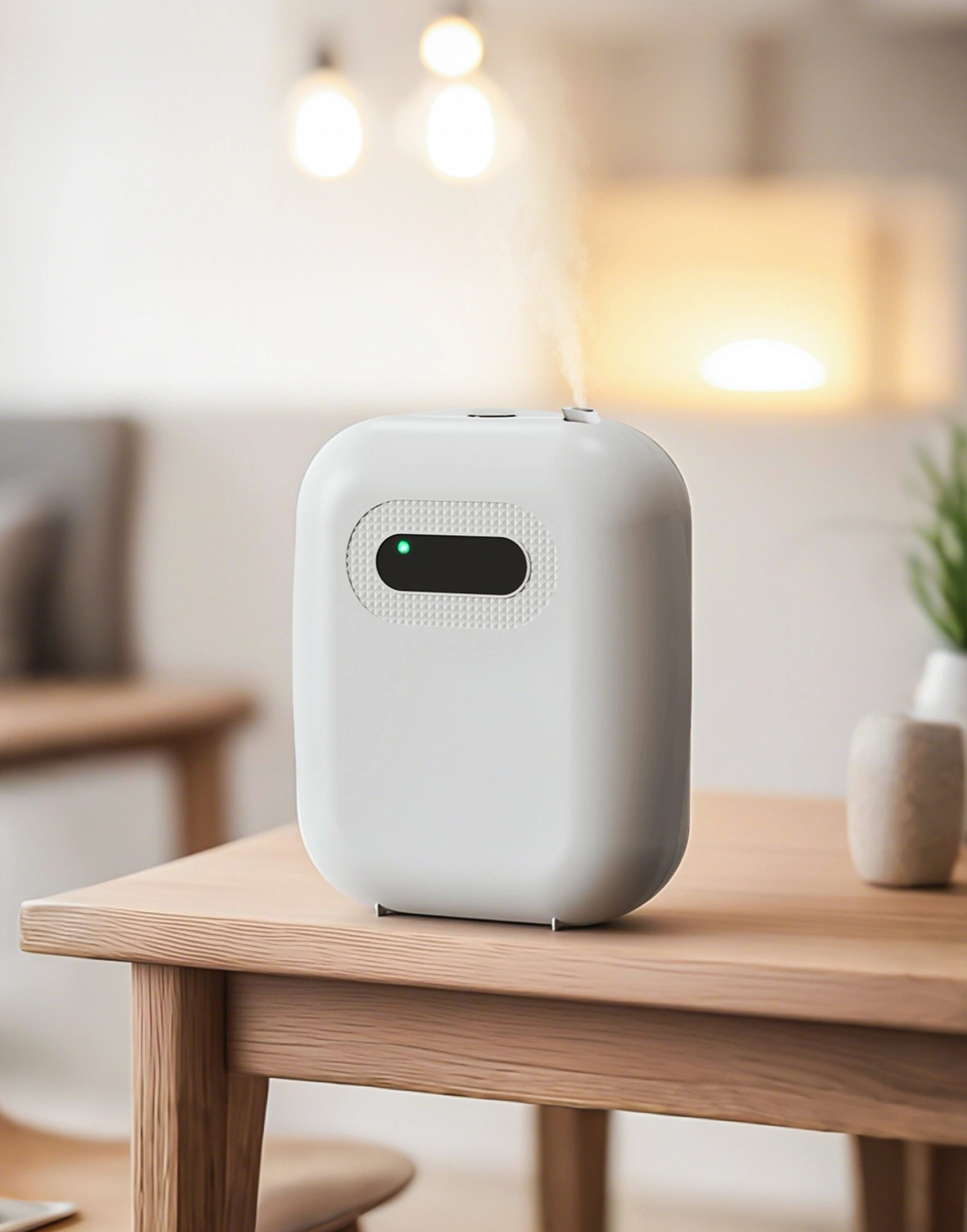
Multi-location coworking brands need consistency with local adjustment. A signature scent in Shanghai may need a lighter concentration in Berlin or Dubai, even when the same fragrance formula is used. The partner should offer repeated sampling, zone-specific device mixes, and a refill schedule that matches member density. A provider that only sells diffusers without fragrance support leaves the operator to solve intensity problems alone.
Scent-Share works this way: 300+ scent types, ten years of commercial scenting, and a device line that ranges from 80 m³ mini units to 8,000 m³ HVAC systems. We prefer to start with one floor plan at a time. Send your floor plan and the square footage of each zone to [email protected], or call +86 185 6557 5758 / +86 134 2048 5758, and we will return a zone-by-zone diffuser and fragrance schedule rather than a one-size list.
Common Questions About Co-Working Space Scent Marketing
Can co-working space scent marketing work without overwhelming members
Yes, when the system is zoned and scheduled. An overpowering scent almost always comes from using one large diffuser for the entire floor or running a single broad fragrance at retail strength. In a zoned setup, the entry and lounge receive the strongest output, open desks get a neutral background, and meeting rooms run at the lowest setting or only between bookings. Members should never be aware of the desk fragrance after the first few minutes. A properly zoned program improves the space without becoming the topic of the member Slack channel.
How many scent diffusers does a co-working space need
It depends on floor area and zone count. A 500 m² floor with entry, lounge, open desks, two meeting rooms, and four phone booths may need three to six devices: a commercial unit for the main floor, a smaller unit for the lounge, mini units for enclosed rooms, and perhaps passive diffusers for booths. The wrong question is how many diffusers the provider sells. The right question is whether each zone has a device matched to its volume, because one oversized unit creates more complaints than five correctly sized units.
What fragrances are safe for shared workspaces
Many operators assume that any natural oil is automatically safe because it is natural. That is not a reliable rule. In a shared workspace, light citrus, green tea, white tea, and clean woody notes are safer starting points than dense floral or gourmand scents, because they read as neutral across a wider range of members. The carrier and formula matter as much as the fragrance, which is why we select low-irritation formulations for continuous diffusion and adjust concentration before installation.
How do I stop scent from spreading into meeting rooms
In coworking floors we have configured, the main cause of meeting room contamination is return air pulling lounge scent back through the HVAC system. The fix is mechanical first: lower the lounge output, close or redirect the nearest return, and set meeting room diffusers to the minimum run time. Door sweeps also reduce direct transfer. Scent will still move through open air, so the practical target is not zero transfer. It is keeping meeting rooms below the threshold where non-members notice the scent. If your floor uses central air, share your floor plan at [email protected] and we will confirm a zoned schedule that keeps meeting rooms below that threshold.
If you’re interested, check out these related articles: