Corporate scent branding starts with an uncomfortable truth: scent follows air, not the brand manual. Programs do not fail because the fragrance smells wrong. They fail in the first month because the scent disappears in high traffic corridors, overwhelms small meeting rooms, or gets scrubbed out by fresh air dampers. After ten years of fragrance work across 68 countries, I would start any office project with airflow mapping before choosing a single oil. The right approach ties scent chemistry, diffuser hardware, and HVAC behavior to one operating rule: the fragrance should be noticeable in the right zones and absent where it does not belong.
Corporate Scent Branding Before the Fragrance Brief
A signature fragrance cannot repair bad delivery. When a client selects a hotel style white tea accord and orders diffusers for six floors before anyone checks return air paths, the result is predictable. Lobby and elevator corridors smell correct, but north facing meeting rooms go void and the break room becomes saturated. The oil stays the same. The delivery changes with duct pressure and ceiling height.
Corporate scent branding works backward from those conditions. Map each zone by ceiling height, square meters, fresh air ratio, and occupancy pattern before any fragrance brief is written. A 300 m³ meeting room and an 8,000 m³ open floor do not need the same oil concentration. They need different diffusion reach. Over specifying fragrance for a closed room costs more than adjusting a diffuser schedule.
Zone by Zone Signature Scent Selection
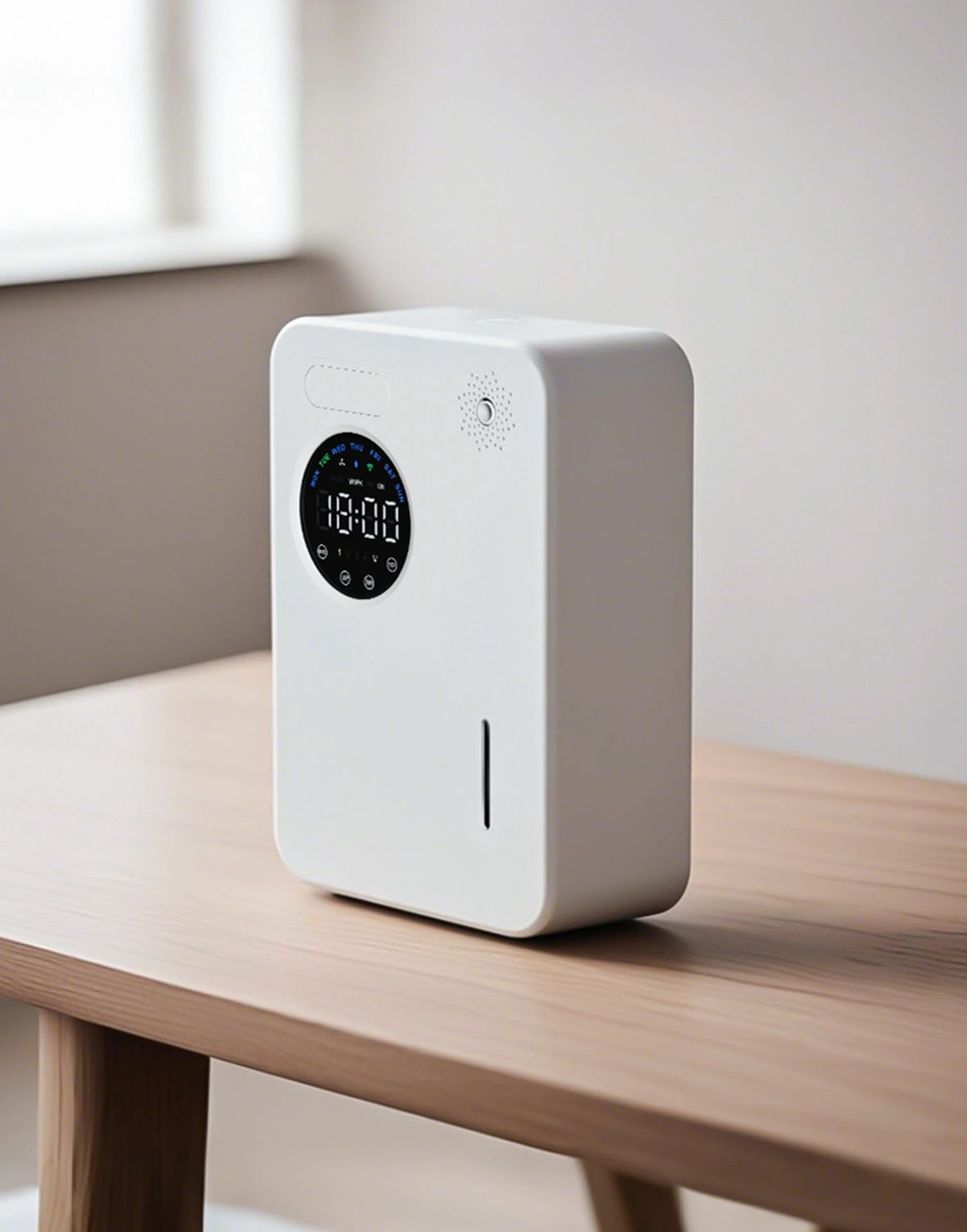
One signature scent does not mean one dosage everywhere. Corporate scent branding still works best with a recognizable base accord, but the concentration changes by zone. The reception can carry a bolder bergamot and amber blend because people pass through it in under two minutes. An open workspace needs a lighter citrus or green tea accord that stays below the threshold where employees notice it all day. Meeting rooms work with low throw floral or wood notes that read as clean rather than aggressive. We often keep one base accord and adjust concentration by zone. That preserves brand recognition without turning the office into a perfume counter.
Start with two to four candidate oils from a supplier with 300 plus fragrance types and compare them on site, not from blotter cards. Blotters hide what air handling does to the drydown. I have watched a fragrance pass its blotter test and then disappear inside a north facing boardroom with high solar gain from afternoon sun.
Diffuser Hardware That Fits the Space
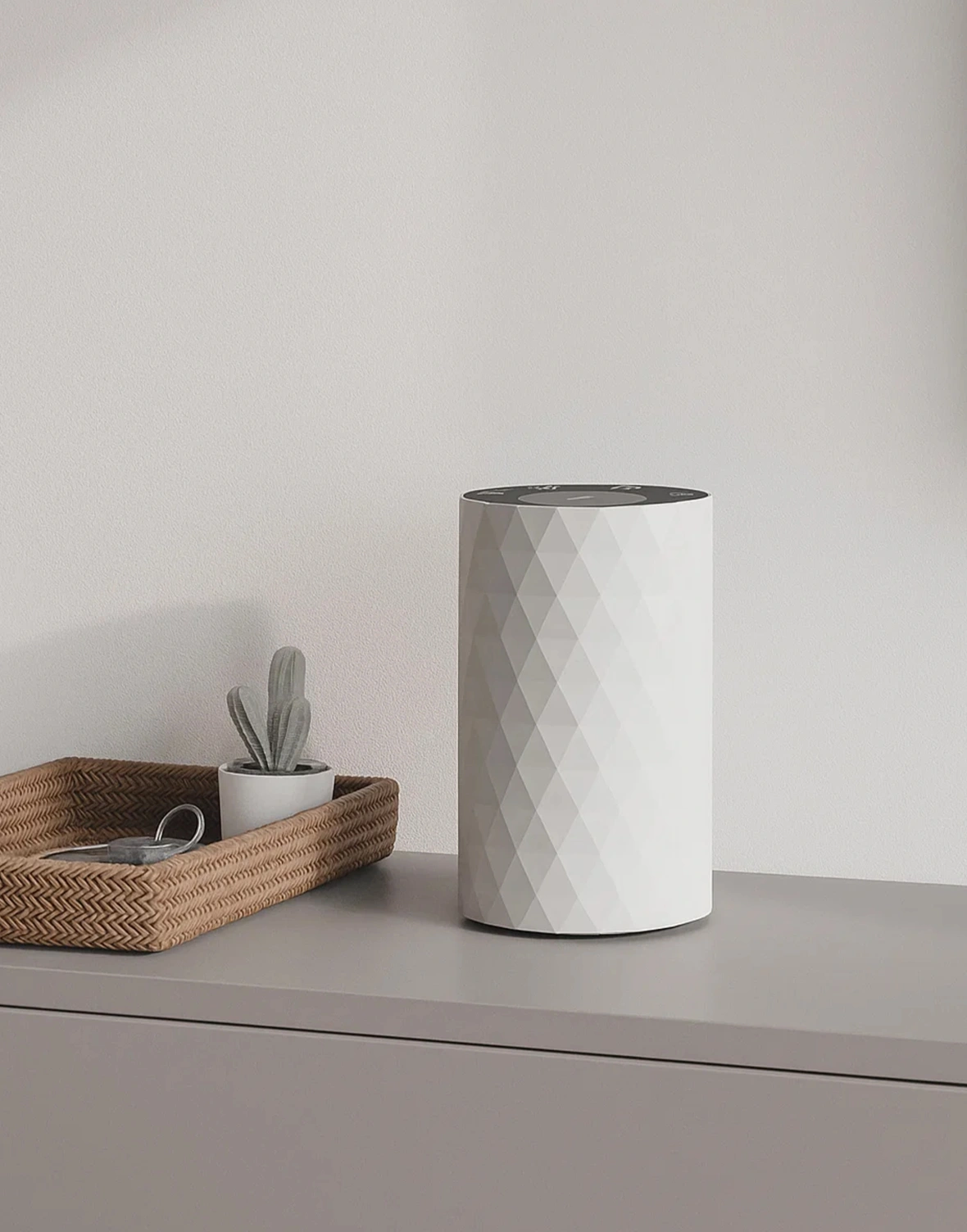
Hardware choice changes the operating rule for every zone. The table below uses our current catalog specifications as a starting point, not a final design.
| Zone type | Diffuser format | Coverage | Placement note |
|---|---|---|---|
| Reception or showroom | Commercial Scent Oil Diffuser (Bluetooth APP) | 300 m³ (1,000 sq ft) | Desktop or shelf; Bluetooth schedule |
| Meeting room | Home Aroma Air Diffuser Scent Machine (Mini) | 80 m³ (300 sq ft) | Ultra quiet below 35 dBa |
| Small office suite | Battery Aroma Oil Dispenser Wall Mount Diffuser | 200 m³ (750 sq ft) | Wall mount or standalone; battery backup |
| Full floor | Wall Mount Aroma Diffuser HVAC System | 3,000 m³ (10,000 sq ft) | Wall mount or HVAC tie in |
| Large multi floor site | Commercial HVAC Scent Diffuser | 8,000 m³ (30,000 sq ft) | HVAC integration; 1 L to 5 L bottle |
| Campus or dual zone | Dual-System HVAC Scent Diffuser | 5,000 to 15,000 m³ | Independent pumps for separate scent schedules |
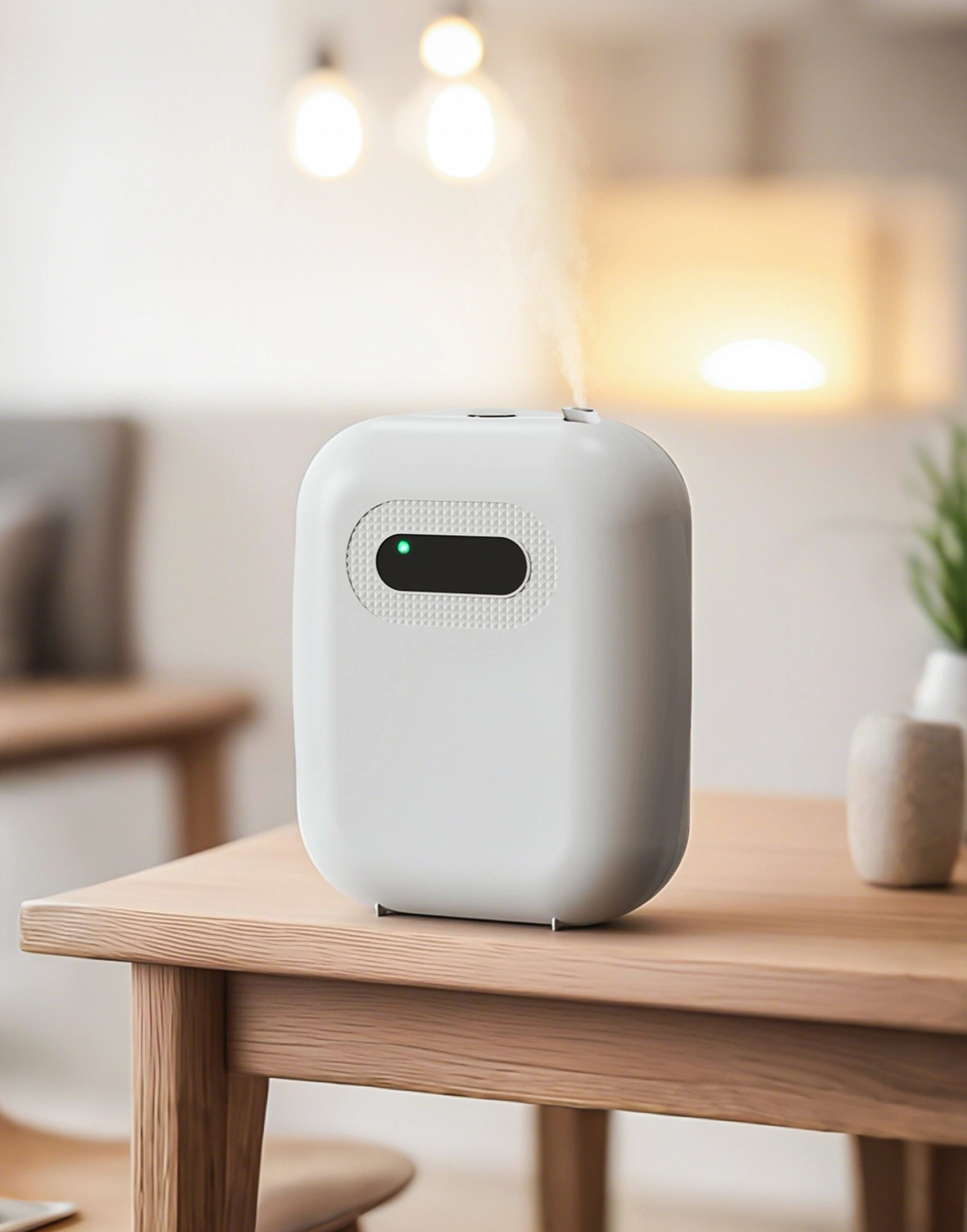
A quiet diffuser matters more than the data sheet suggests. The mini unit runs below 35 dBa in meeting rooms, which keeps the hardware from becoming part of the conversation. HVAC units carry larger bottles to cut refill visits. A wall mount with battery backup protects scent in visitor areas during power interruptions.
If your office program involves multiple HVAC zones or variable fresh air dampers, it is worth confirming diffuser placement and dosage before finalizing the bill of materials. Share your floor plan and air handling schedule with us at [email protected].
Dosage Rules That Keep the Scent Consistent
Consistency fails when the schedule treats an office like a hotel lobby. In office environments, occupancy shifts change the perceived scent even when the bottle output stays the same. A space that reads subtle at 9:00 can read loud at 15:00 as heat gain and body count climb.
We set daypart profiles instead of a single 24 hour intensity. The morning profile starts low and ramps before arrival. The afternoon profile drops slightly because employees have adapted to the base note. Weekend mode cuts output to a maintenance level, which reduces waste and prevents Monday morning over saturation. The Bluetooth program on Scent-Share commercial units stores these profiles, and the dual system HVAC unit runs independent schedules for two different building zones.
Nose fatigue is real in corporate scent branding. The person managing the program loses sensitivity to the scent after six weeks and may push intensity upward without realizing it. That is why dosage changes should be logged, not made from memory. We record the profile, the square meter reading, and the walkthrough time for every adjustment. If three people on the same floor independently ask whether the diffuser is still working, the issue is usually adaptation, not low output.
What a Corporate Scent Branding Pilot Should Prove
Most buyers commission a full building rollout because a pilot feels slower. In practice, the pilot is where corporate scent branding becomes less expensive. A six week test on one floor exposes three variables that no fragrance brief catches: return air dilution, after hours air turnover, and nose fatigue among office staff. We run these pilots with two diffuser positions and three dosage settings, then walk the floor with facility managers at different times. The data from those walkthroughs decides the final refill schedule and bottle size. Without that step, buyers pay for scent that only works in the stairwell.
If your office project is moving from idea to supplier shortlist, send your floor plan, air handling schedule, and square meter totals to [email protected] or call +86 185 6557 5758. We will confirm coverage and dosage before you order diffusers.
Common Questions From Corporate Scent Branding Buyers
Does corporate scent branding work in open offices with strong HVAC?
Yes, but the density and schedule matter more than the fragrance family. Open floors dilute scent quickly, so the system should sit close to primary supply air or use HVAC integration. A wall mount unit placed near a return grille will lose much of the oil before it reaches the seating area. The stronger outcome comes from daypart scheduling and zone based dosage rather than increasing oil concentration.
The six month timeline is mostly a misconception, right?
The six month timeline is mostly a misconception. A signature office scent does not need six months. Most of the delay comes from indecision, not formulation. We can narrow a brief to two or three candidates within two weeks when the buyer shares facility data and a reference scent. The longer timeline only appears when the project skips the pilot and then has to correct dosage across multiple floors.
Can we use one fragrance across all floors?
It depends on floor plate geometry and air handling. One base accord can work across floors, but the concentration and diffuser positions usually change. A double loaded corridor needs different throw than an executive wing with closed offices. We often keep the same recognition scent and vary the dose by floor, because that preserves brand continuity without making every room feel identical.
In multi tenant buildings I have assessed, what drives most employee complaints?
In multi tenant buildings I have assessed, the complaint almost always starts with over delivery, not the fragrance itself. A shared floor can receive scent from two systems or from a neighboring tenant. We respond by cutting the dose first and checking the sensor and schedule second. Take a floor plan to your supplier before finalizing the order. Share your floor plate and occupancy profile at [email protected] and we will confirm a starting dose.
If you’re interested, check out these related articles: