In Uzbekistan, a deal is rarely won in the meeting room. It is won afterward, when your pitch moves through a short but real chain of approval, from the manager who hosted you to the director who signs. Understand that hierarchy early, and your CAIHE meetings convert into orders far more often.
That hierarchy sits on top of one of Central Asia’s fastest-moving hardware stories. Uzbekistan’s national programs target more than 750 large-scale investment projects and over 1 million new homes by 2030 [1]. Those projects need power tools, fasteners, hand tools, and safety equipment, and the people who buy them report upward, not sideways.
The good news is that reaching these decision-makers is easier than most buyers assume. Citizens of more than 60 countries, including China and key Gulf, European, and Asian markets, can enter Uzbekistan for up to 30 days without a visa [2]. That means less friction before the real work begins: sitting with the right people in Tashkent.
The Director Sets the Frame
In most Uzbek companies, authority is not distributed. The director, often called the general director, usually owns the final yes, even when two or three specialists join the conversation. If you want a decision, you respect the chair and read the room.
Address the most senior person first. Use surnames and titles until invited to switch to first names. If the director is older, that respect doubles: age and rank are closely linked in Uzbek business culture. We coach visiting buyers to greet the senior person first, look them in the eye, and avoid any public disagreement. A point made lightly to the director in front of their team can end a relationship before it begins.
That does not mean the junior staff are decoration. A young engineer in the meeting may not decide, but the director often trusts their technical judgment. Share clear specifications with everyone, and let the hierarchy do the deciding.
The First Meeting Runs on Tea, Not Agenda
When you sit down for a first meeting in Tashkent, expect a slower opening than in Guangzhou or Frankfurt. Tea appears. Questions about your flight, your country, and your impression of Uzbekistan come first. Rushing to the price list signals that you see the person as a transaction, not a partner.
Use that time productively: listen for the structure of the room. The person who pours the tea may know the product lines; the person who stays quiet may be the technical filter. Let the host set the pace.
Language is workable but uneven. Russian remains the dominant business language among older managers and regional traders. Uzbek is the state language and increasingly common among younger staff. English is strongest in export-facing firms, import agencies, and international teams. We tell first-time buyers to bring a bilingual business card, one side English and the other Russian or Uzbek, and a patient translator when the numbers start.
Why “Yes” Often Means “We Will Review”
Refresh your listening for the polite no. In many Central Asian negotiations, a direct refusal can feel rude, so partners say “we will consider it,” “let’s discuss next time,” or “send the documents first.” None of these is a rejection. Most often it means the room cannot decide without the director, or the director needs one more internal conversation.
Decisions are rarely made in real time. The pattern we see again and again is that technical staff approve the product, the commercial manager approves the numbers, and the director approves the relationship. Each step happens separately, often by phone, over the days after your meeting.
That is why follow-up matters as much as the pitch. Send a clean written summary, including specs, prices, and lead times, the day after the meeting. Give the hierarchy a document it can circulate. When the director finally says yes, the process that felt slow can move quickly.
Map the Decision Chain, Not Just the Pitch
Before you walk into the hall, know which role each person likely plays. In a typical hardware import decision in Uzbekistan, three people matter: the introducer, the evaluator, and the budget holder.
The introducer is the person who opens the door, whether a colleague from a partner association, a distributor, or a contact met at an event. Warm introductions shorten everything, because hierarchy runs partly on trust in known names. At CAIHE, the organizing partners include the China Chamber of Commerce for Machinery and Electronic Products and the Chamber of Commerce and Industry of Uzbekistan, and both networks are exactly the kind of doors that matter for first-time buyers.
The evaluator is usually technical: they check quality, certification, material or voltage specifications, and whether the product fits the market. The budget holder is the director or owner, the person who signs. Bring spec sheets for the evaluator and a one-page business case for the budget holder.
Don’t ask the technical manager to commit on the spot if the director is absent. Instead, ask: “Who else needs to see this before we move to a trial order?” The answer tells you the route.
Negotiation Moves Slower, and Then Faster
First meetings build the relationship; second and third meetings build the deal. Do not be surprised if the first conversation contains no price at all. In our experience, buyers who accept this rhythm earn better terms than those who push for a number on day one.
The sequence that works is to present generally, listen carefully, leave documents, follow up, and let the partner return with a counterproposal. Once trust forms, the pace accelerates. In regional trade, what begins slowly often becomes a fast annual contract, because Central Asian buyers reward reliable partners with loyalty.
If the slower cadence makes planning feel uncertain, start the conversation before you fly. Email [email protected] with your product categories, and we will help you build a shortlist so your on-site meetings reach the right decision-makers, not just the closest booth.
CAIHE as the Shortcut to the Decision Room
This is where a first edition works in your favor. The Central Asia International Hardware Expo opens 24–26 November 2026 at Uzexpocentre in Tashkent, across Pavilions 3 and 4 [3]. It brings more than 200 international exhibitors into the same city as the region’s directors, distributors, and project buyers, in one neutral, time-efficient venue.
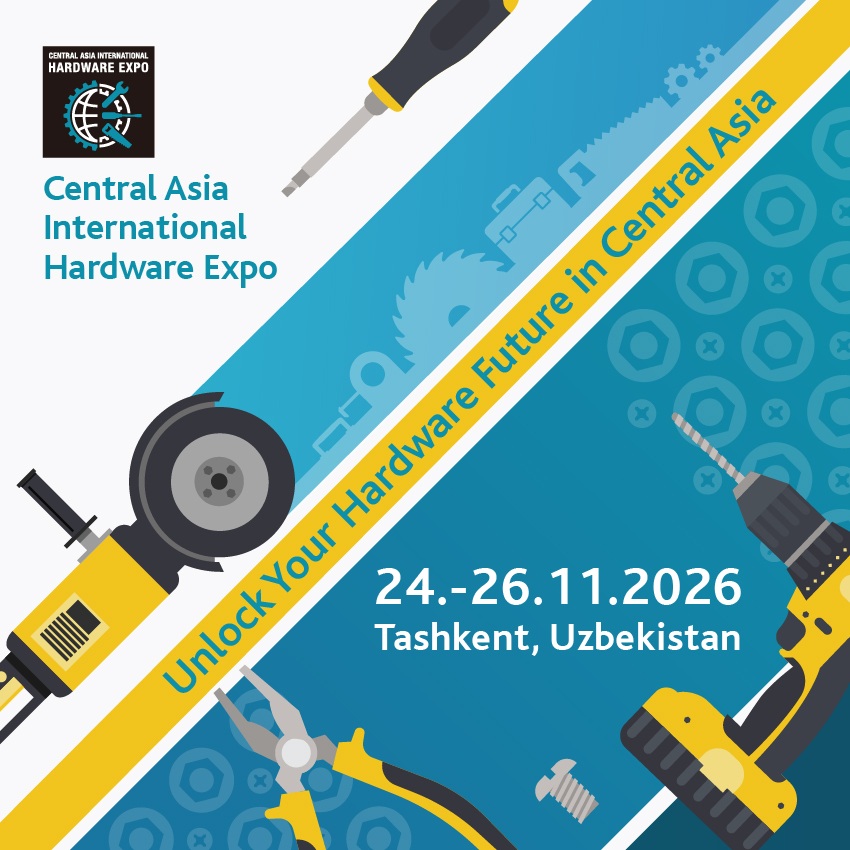
Organized by Koelnmesse and Inter Dialog, with CCCME and CCI Uzbekistan as partners, the fair is designed for buyers who have never sourced from Central Asia before. Because it is the first edition, there are no old visitor metrics to lean on. Instead, the early-buyer logic is simple: the supplier relationships being formed now are the ones that will carry the region’s hardware growth for the next decade. Meeting decision-makers at the start of that cycle costs less than trying to enter later.
Understanding local market culture matters most when it changes who you talk to and when. You do not need to master every custom before you arrive. You need to know the shape of the decision chain, bring the right documents, and let the fair’s matchmaking put you in front of the people who decide.
Plan Your CAIHE 2026 Visit
Cultural fluency helps, but the highest-value step is simpler: pre-register for CAIHE 2026 before you fly.
When you pre-register, you also gain access to the fair’s buyer services, including matchmaking support that puts you in rooms with the directors and technical staff who actually decide. We can help you prepare the documents, the shortlist, and the follow-up rhythm before the doors open, so your trip converts into a relationship rather than a stack of business cards.
Start with one action: pre-register for CAIHE 2026 in Tashkent, 24–26 November.
Frequently Asked Questions
Who usually leads the first business meeting in Uzbekistan?
The host leads. In most Uzbek business settings, the senior person on the hosting side sets the agenda and the pace. As a visitor, follow that lead rather than forcing your own agenda onto the room.
What does “we will consider it” usually mean?
It is usually a polite way to say the group cannot decide yet, either because the director is absent or because the company needs internal discussion. Treat it as “the decision chain is still moving,” not as a rejection. Follow up with documentation.
Is English enough for trade meetings in Tashkent?
In many export-facing and international firms, yes. But Russian remains common among senior managers, and Uzbek is the state language. For complex hardware negotiations, a translator removes costly misunderstandings.
Should I bring a translator to CAIHE?
For high-value or technical conversations, yes. For routine booth visits, young staff often speak English, but a translator or at least bilingual material protects you on specifications, certifications, and terms.
Do decisions happen at the fair, or after?
Serious commitments usually happen after the fair, once the director has reviewed your documents. The fair’s job is to move the meeting forward in person and shorten the follow-up cycle.
What is the fastest way to reach the right decision-makers?
Use a warm introduction and the fair’s matchmaking. Combined with a clear one-page offer and patient follow-up, that route reaches evaluators and budget holders faster than sending cold emails.
References
[1] Government of Uzbekistan. “New Uzbekistan Development Strategy for 2022–2026.” Tashkent, 2022.
[2] Ministry of Foreign Affairs of the Republic of Uzbekistan. “Visa-Free Regime for Foreign Citizens.” Tashkent.
[3] Central Asia International Hardware Expo (CAIHE). “Official Event Information 2026.” Koelnmesse, 2026.