
Fuel ethanol denaturant compliance is a procurement and plant design issue more than a blending afterthought. A fuel ethanol plant may produce anhydrous ethanol that meets every distillation and dehydration specification, yet fail a fuel shipment because the denaturant package was wrong or poorly documented. We approach denaturant selection as part of the fuel ethanol plant system: feedstock, distillation, storage, logistics, and final fuel specification all interact. The regulatory logic, common additives, and control points below determine whether fuel ethanol moves through customs and blend terminals without delay.
What Does Fuel Ethanol Denaturant Compliance Actually Cover?
Denaturant turns fuel ethanol into a product that tax authorities and safety regulators can distinguish from beverage alcohol. In the United States, the Alcohol and Tobacco Tax and Trade Bureau governs denatured ethanol formulas, and fuel ethanol shipped for gasoline blending is normally denatured with an approved hydrocarbon stream before it leaves the plant or terminal. European markets apply excise rules alongside fuel ethanol specifications such as EN 15376, and the denaturing step is part of the proof that the ethanol has left the duty suspension chain. For a producer, this means three things: the denaturant type must be approved for the destination market; the addition rate must meet the minimum requirement; and the blending event must appear in shipment records.
Compliance is not a single global rule. A fuel ethanol plant that sells domestically may face a different denaturant menu than one exporting into EU or Asian blending programs. We treat denaturant selection as a plant design parameter rather than a terminal afterthought because storage, metering, and documentation all depend on the approved formula.
Why Do Fuel Ethanol Denaturant Rules Vary By Market?
The variation comes from tax enforcement and fuel quality policy. A market that blends fuel ethanol at refineries or terminals wants a denaturant that behaves like a gasoline component. A market that uses fuel ethanol mostly as an oxygenate may still require a distinct marker to prevent diversion into beverage channels. Some regulators require denaturant to be a hydrocarbon with established fuel testing methods; others accept a wider set of approved compounds if the final blend meets volatility and sulfur limits. This is why two fuel ethanol shipments can carry the same anhydrous ethanol quality but not be interchangeable across borders.
| Denaturant | Typical Use | Key Compliance Factor |
|---|---|---|
| Natural gasoline | US fuel ethanol and export cargoes | Approved hydrocarbon; low sulfur; RVP contribution |
| Unleaded gasoline blendstock | Regional fuel ethanol blending | Must meet gasoline sulfur, benzene, and distillation limits |
| Denatonium benzoate | Fully denatured alcohol for solvents and reagents | Bitterant marker; not a bulk fuel denaturant |
| Isopropanol or tert-butyl alcohol | Specialty and industrial denatured formulas | Formula approval and end-use limit review |

Which Denaturants Fit Fuel Ethanol Blending Requirements?
From an engineering standpoint, the main factors are vapor pressure, sulfur, gum, and water tolerance. Natural gasoline remains the workhorse in many fuel ethanol chains because it mixes readily with ethanol and gasoline, but its RVP contribution can push a summer gasoline blend off specification if the addition rate is not controlled. Unleaded gasoline blendstock offers a familiar refinery chemistry but imports the sulfur and benzene constraints of the base fuel. A denaturant with the wrong volatility profile creates downstream blending problems that no amount of ethanol purity can correct.
For E10 and E15 programs, the denaturant should be treated as part of the final gasoline blending recipe, not as an isolated stream. For E85, the ethanol volume is high enough that denaturant quality still matters but the final blend has more room to absorb volatility shifts. The decision should follow the destination specification, not just the lowest-cost approved option.
If your fuel ethanol program involves export or multiple blend markets, it is worth confirming the approved denaturant list and blending point before finalizing the plant design. Send your destination market and denaturant options to [email protected] and we will check the compliance path against the relevant fuel ethanol specification.
How Should Fuel Ethanol Denaturant Handling Be Designed Into a Plant?
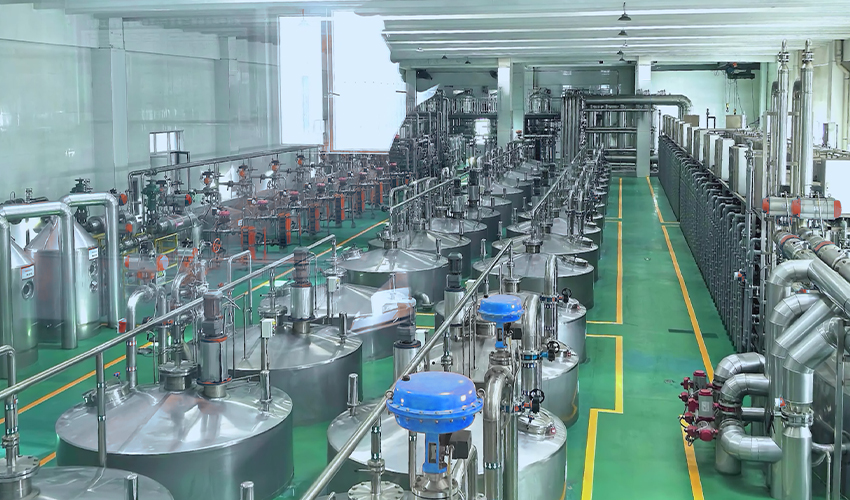
Denaturant injection should sit inside the same control system as dehydration and product transfer. We design the denaturant stream with dedicated storage, positive-displacement metering, and flow verification so the addition rate becomes a controlled variable rather than a manual adjustment. In fuel ethanol plants, the injection point is usually after dehydration and before final product storage, but the exact location depends on whether the customer ships denatured ethanol directly from storage or denatures at a later terminal step.
Metering accuracy matters because an underdose could leave the product below the minimum denaturant concentration, while an overdose adds cost and changes final fuel properties. The plant control system should record each batch, including denaturant type, lot, addition rate, and destination. That record set is what customs and tax authorities review when a shipment changes hands. AGRIFAM treats denaturant handling as part of the larger fuel ethanol and alcohol production line, alongside energy cascade utilization and byproduct integration.
How Do You Confirm Fuel Ethanol Denaturant Requirements for Your Program?
Denaturant requirements are easier to correct during feasibility than after commissioning. If the plant is configured for one approved denaturant and a new market requires another, storage, metering, and documentation may all need retrofitting. We review denaturant selection as part of fuel ethanol plant design because the destination market drives the control requirement.
Send your target market, ethanol grade, and denaturant preference to [email protected] or call 010-8591 2286. We will check the denaturant package against the applicable fuel ethanol specification and confirm the plant control steps before you finalize equipment selection.
What Do Buyers Ask About Fuel Ethanol Denaturant Requirements?
What is the difference between fuel ethanol denaturant and completely denatured alcohol?
Fuel ethanol denaturant is chosen for fuel blending compatibility, while completely denatured alcohol formulas are aimed at solvent and industrial use. A fuel ethanol plant typically uses a hydrocarbon denaturant that will not harm gasoline engines or fuel handling systems. Completely denatured alcohol may contain bitterants or other compounds that are appropriate for cleaning fluids but not for a fuel pipeline. The approval path is different, and the two product classes should not be treated as interchangeable.
Can a fuel ethanol plant switch denaturants after commissioning?
It depends on how the plant was designed and where the fuel ethanol is sold. The storage and metering system may need new materials, flow ranges, or documentation if the replacement denaturant has different viscosity, vapor pressure, or approval status. In plants we have planned, the simplest path is to design denaturant storage with more than one approved option from the start. A late switch is possible, but it usually costs more in revalidation and control changes than a front-end review.
Does the denaturant change the final fuel ethanol specification?
A common misconception is that denaturant only affects tax status and not product quality. The denaturant adds volume, volatility, and possibly sulfur or gum to the shipment. Even when the denaturant is an approved hydrocarbon, the addition rate can move the final product away from a buyer’s ethanol specification. That is why denaturant type and concentration belong in the fuel ethanol spec review, not just in the excise filing.
What documentation do buyers require for fuel ethanol denaturant approval?
In fuel ethanol projects we have planned, the denaturant certificate travels with the same shipment file as the anhydrous ethanol certificate of analysis. Buyers typically want the denaturant name, addition rate, blend date, and the regulatory approval reference for the destination market. Missing documentation can hold a cargo at the terminal even when laboratory results are clean. Share your destination market and denaturant specification at [email protected] and we will confirm the documentation set and plant control design before delivery.
If you’re interested, check out these related articles:
Driving Global Food Conservation Through Technological Innovation