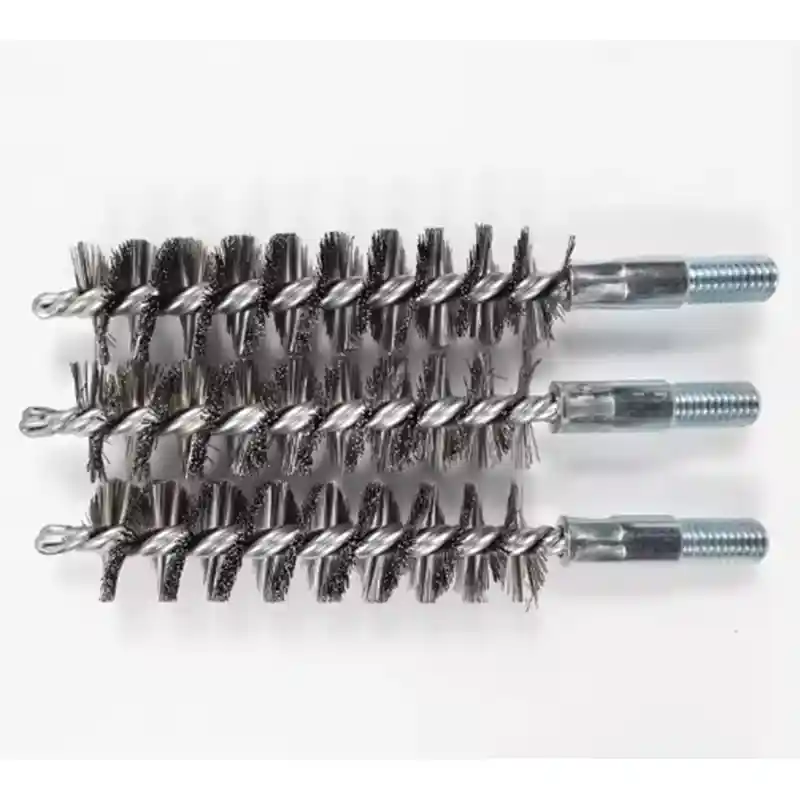

Why CPAP Hose Maintenance Matters
A CPAP hose carries pressurized air from the machine to the mask every night. Warm, humidified air and exhaled moisture can leave a thin, damp film on the inner wall, a place where biofilm and microbial growth can develop if the hose is not cleaned regularly. Most device manufacturers recommend routine manual cleaning with warm water and a mild, fragrance-free detergent [1], [2]. A soft-bristle CPAP tube cleaning brush is designed to pass through the full hose length and loosen that film without scratching or tearing the inner surface. The U.S. FDA has separately warned that some ozone- or UV-based CPAP cleaners were not cleared for safety and should not replace manual cleaning [3].
What Makes a Good CPAP Tube Cleaning Brush
Not every long brush is suited to a breathing hose. A good CPAP tube cleaning brush combines several design details.
- Soft nylon bristles: dense enough to scrub residue, but soft enough to avoid scratching thin-walled tubing.
- Flexible core: a twisted wire or polymer stem that follows hose bends without kinking.
- Protected tips: rounded or looped ends so the brush does not catch or puncture the hose wall.
- Full-length reach: the working section should be long enough to pass through a standard 1.8 m (6 ft) hose in a single pull.
- Hygienic materials: bristles and core that tolerate warm water and mild detergent and dry quickly.
Matching Brush Size to Your CPAP Hose
Hose diameters are not all identical. Standard heated and non-heated CPAP hoses commonly have an internal diameter around 19 mm, while slimline hoses are closer to 15 mm [4]. The brush diameter should be slightly larger than the hose inner diameter so the bristles make light contact with the inner wall, and the stem must remain flexible enough to follow the hose routing. Most machine-side and mask-side connections use standard conical connectors [5].
| Hose Type | Typical Inner Diameter | Suggested Brush Diameter | Suggested Brush Length |
|---|---|---|---|
| Standard CPAP hose | 19 mm (3/4 in) | 20–22 mm | 180 cm or longer |
| Slimline hose | 15 mm | 16–18 mm | 180 cm or longer |
| Short connector tubing | 19 mm or 22 mm | 20–24 mm | 30–60 cm |
Cleaning the inner wall of any round passage depends on matched diameter and gentle bristle contact. <brass brushes work perfectly for pipe cleaning> covers how bristle type and diameter affect pipe interior cleaning results.
Need a tube brush cut to your exact hose inner diameter and length? Send your hose inner diameter, hose length, and bristle material preference to [email protected], or submit a direct inquiry and our application engineers will confirm the matched specification before sampling.
Step-by-Step CPAP Hose Cleaning Routine
- Fill a clean sink with warm water and a small amount of mild, fragrance-free detergent [1].
- Draw the brush through the hose once or twice in each direction, using a slow, steady motion.
- Rinse the hose thoroughly with clean warm water until no detergent remains.
- Check the brush after each pass; rinse and air-dry the brush itself.
- Hang the hose to air-dry completely before reconnecting it to the machine.
Weekly manual cleaning is the routine most manufacturers recommend, with more frequent attention when the user is ill or when visible moisture collects [1], [2].
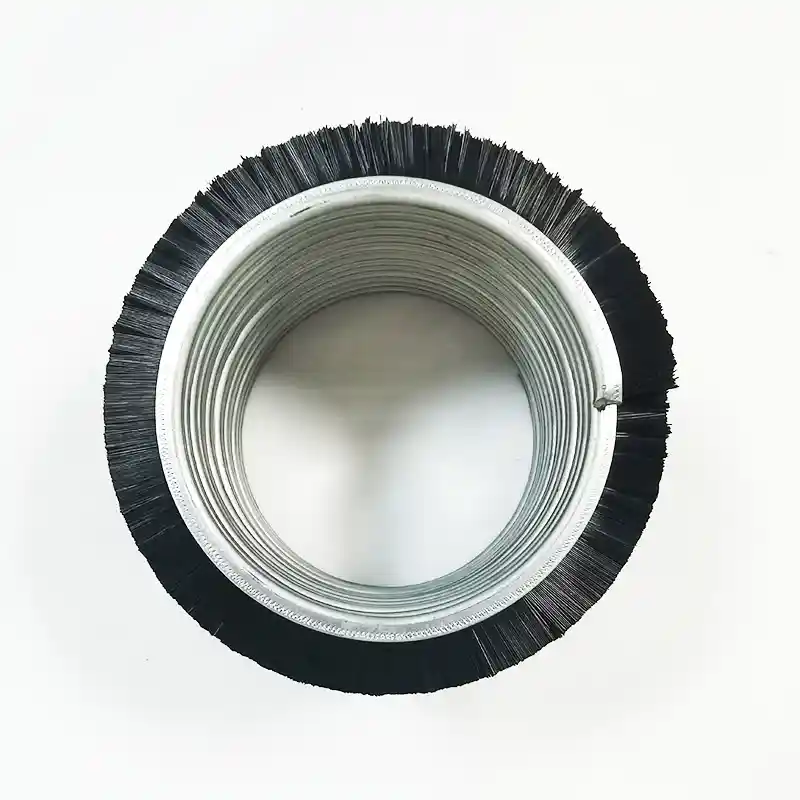
The same principle of drawing a flexible brush through an inner bore applies to industrial tube and pipe work. <where stainless wire spiral brush can be used> covers spiral-brush cleaning across different round bore sizes and working positions.
Key Buying Considerations
- Bristle material: soft nylon is the usual choice for CPAP hoses; wire bristles are not recommended because they can damage thin tubing.
- Core flexibility: a twisted-wire or polymer core should bend through U-shaped hose routing without breaking.
- Tip design: looped or plastic-tipped ends protect the inner wall.
- Replacement: the hose itself is typically replaced every 3–6 months, and brushes should be inspected for loose bristles or rust on the core [6].
- Custom sizing: if you stock multiple hose sizes, a matched set in several diameters reduces the risk of using the wrong brush.
Huixi Brush manufactures soft-bristle CPAP tube cleaning brushes with flexible stems, protected tips, and customizable overall length and brush diameter to match standard or slimline hoses. Production supports OEM/ODM requests, low minimum orders, and free samples for evaluation.
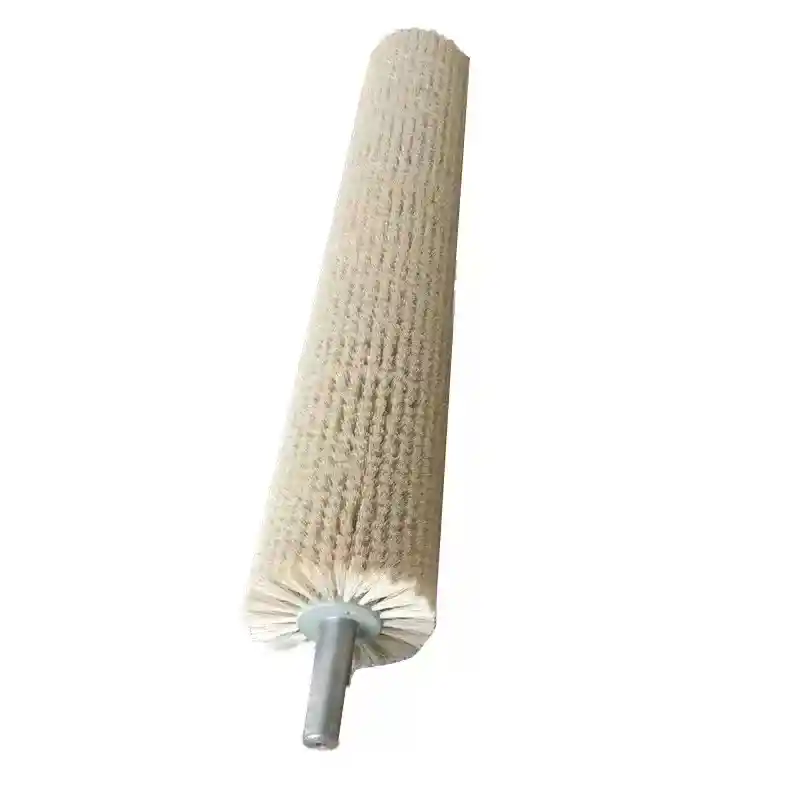
Before a tube reaches final cleaning, inner-edge burrs can trap moisture and residue. <how do you know about deburring brushes> covers how deburring brushes prepare internal surfaces for easier cleaning and finishing.
Find the Right CPAP Tube Cleaning Brush
Choose a soft-bristle brush matched to your hose diameter, then confirm the details with our engineers:
- Hose inner diameter and hose length
- Bristle material and softness required
- Brush diameter and working length
- Quantity and packaging
- Replacement cycle or OEM/ODM requirements
Email [email protected] with the above details, or send a direct inquiry through the Huixi Brush contact page. We confirm the specification, provide a sample for testing, and keep the brush specification consistent for repeat orders.
Frequently Asked Questions
How often should a CPAP hose be cleaned?
Most device makers recommend weekly manual cleaning with warm water and mild detergent, followed by complete air drying [1], [2]. Clean more often if you have been ill or if condensation is visible inside the hose.
Can I use a wire-bristle brush on a CPAP hose?
No. Wire bristles can scratch or puncture thin CPAP tubing. A soft nylon bristle brush with a protected tip is the safer choice for the inner wall.
What brush diameter do I need for a standard CPAP hose?
A standard hose around 19 mm in inner diameter usually pairs with a brush about 20–22 mm in diameter [4]. Slimline hoses around 15 mm generally need a 16–18 mm brush.
How should I dry the hose after brushing?
Rinse thoroughly, then hang the hose so air can circulate through the full length. Reconnect it only after the inner wall is dry to prevent trapped moisture.
References
[1] ResMed, “How to clean your CPAP equipment.” [Online]. Available: https://www.resmed.com/en-us/sleep-apnea/cpap-parts-support/cleaning-cpap-equipment/
[2] Philips Respironics, “Cleaning instructions for sleep therapy equipment.” [Online]. Available: https://www.usa.philips.com/healthcare/solutions/sleep-and-respiratory-care
[3] U.S. Food and Drug Administration, “Safety Communication: Certain CPAP cleaning devices containing ozone gas or UV light…” Feb. 2020. [Online]. Available: https://www.fda.gov/medical-devices/safety-communications/
[4] ResMed, “CPAP tubing: standard vs. SlimLine hose diameter.” [Online]. Available: https://www.resmed.com/
[5] ISO 5356-1:2015, Anaesthetic and respiratory equipment — Conical connectors — Part 1: Cones and sockets. Geneva, Switzerland: ISO, 2015.
[6] American Academy of Sleep Medicine, “CPAP cleaning and maintenance tips.” [Online]. Available: https://aasm.org/
If you’re interested, check out these related articles:
advantage of hx cylindrical sanding brushes
the differences between inward and outward spiral brush
brass brushes work perfectly for pipe cleaning
