Hotel scent marketing ROI is real, but most hotel teams measure it too late. They approve a fragrance, install a diffuser, and then wait for guest feedback that never arrives in a usable form. The return on this investment comes from coverage consistency, refill control and zone-level operating data before it ever shows up as an emotional brand win. I’ve spent more than ten years working on fragrance development and scenting programs across global hotel projects, and the properties that treat scent as an engineered amenity rather than a one-time purchase are the ones that can defend the budget in the next financial year.
What Should Hotel Scent Marketing ROI Actually Measure?
Hotel scent marketing ROI starts with a baseline that most properties skip. Before choosing a fragrance, confirm the three numbers a general manager will ask for later: monthly fragrance consumption per zone, scheduled refill frequency, and the number of square meters actually covered by each diffuser. These are the operating costs and service points that determine whether scent becomes a controllable amenity or a recurring surprise. In hotel projects we’ve audited, the properties that could not show zone-level consumption struggled to justify even a modest expansion, because the request read as decoration rather than operations.
What Does Hotel Scent Marketing Really Cost?
Hotel scent marketing ROI calculations break into three parts, and most budgets only see the first one. The equipment cost is visible, but it is not the largest long-term line item. Fragrance oil consumption and refill labor are the costs that compound, especially in a property that runs diffusers 24 hours a day across lobby, corridors and back-of-house zones.
Equipment and installation
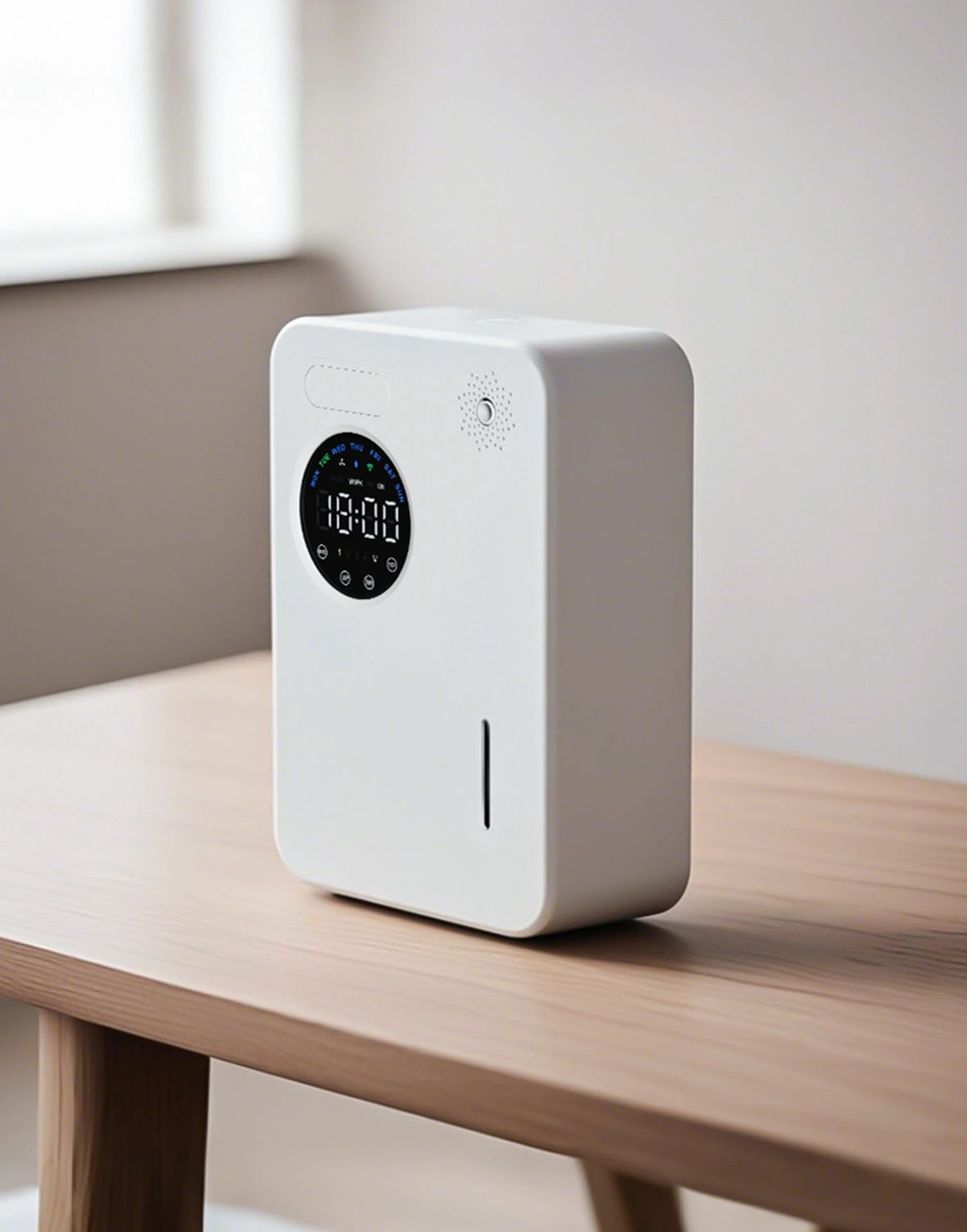
The upfront system cost scales with coverage. A hotel lobby up to 3,000 cubic meters, or about 11,000 square feet, can be served by a tower diffuser with a 500ml or 1L aluminum bottle. A central HVAC property covering 8,000 cubic meters, about 30,000 square feet, needs an HVAC scent system rather than multiple small room units. Choosing the wrong equipment category is the fastest way to raise the cost per square meter.
Fragrance oil consumption
Fragrance oil is the recurring line most hotels underestimate. The refill interval depends on diffuser output settings, zone airflow, and whether the system runs continuously or only during guest-facing hours. A lobby that runs at full intensity overnight will consume more oil and produce little return during empty hours. Scheduling intensity by time of day is often the simplest cost reduction available before any negotiation.
Service and maintenance
Maintenance is where ROI quietly leaks. Bottles left to run dry damage the pump, and an unserviced HVAC unit can deliver inconsistent scent to different floors. We recommend a monthly visual check of bottle level, atomizer condition and fan operation, with a six-month deep clean for systems in high-traffic zones.
If your property spans mixed zones, from a double-height lobby to low-ceiling meeting rooms, it is worth confirming the diffuser type and bottle size before you lock the budget. Email your zone square footage to [email protected] and we can confirm which system class fits each area without oversizing.
How Do You Match Diffusers to Hotel Zones?
Hotel zones do not share the same airflow, so they should not share the same default system. The lobby needs consistent throw across a large volume. Corridors need lower intensity over a long run. HVAC-connected common areas can follow the building’s air handling, which reduces the number of standalone devices and keeps scent even.
| Hotel Zone | Typical System | Coverage |
|---|---|---|
| Lobby and lift lobby | Hotel Scent Oil Diffuser Tower | 3,000 m³ (11,000 sq ft) |
| Meeting rooms and corridors | Ceiling Diffuser Commercial Scent Machine | 600 m³ (2,000 sq ft) |
| HVAC-connected common areas | Commercial HVAC Scent Diffuser Aroma Dispenser System | 8,000 m³ (30,000 sq ft) |
| Resorts or large dual zones | Dual-System HVAC Scent Diffuser | 15,000 m³ (55,000 sq ft) |
One error I see frequently is placing a single strong diffuser at the lobby entrance and expecting it to carry scent to the second floor. Airflow does not work that way. Scent follows conditioned air and pressure differences, so a lobby unit only covers the lobby volume if doors and atriums are open. For connected floors, an HVAC system or ceiling-mounted coverage points are required. This is a core ROI decision, because a system that does not cover the intended zone is not underperforming. It is simply not delivering.
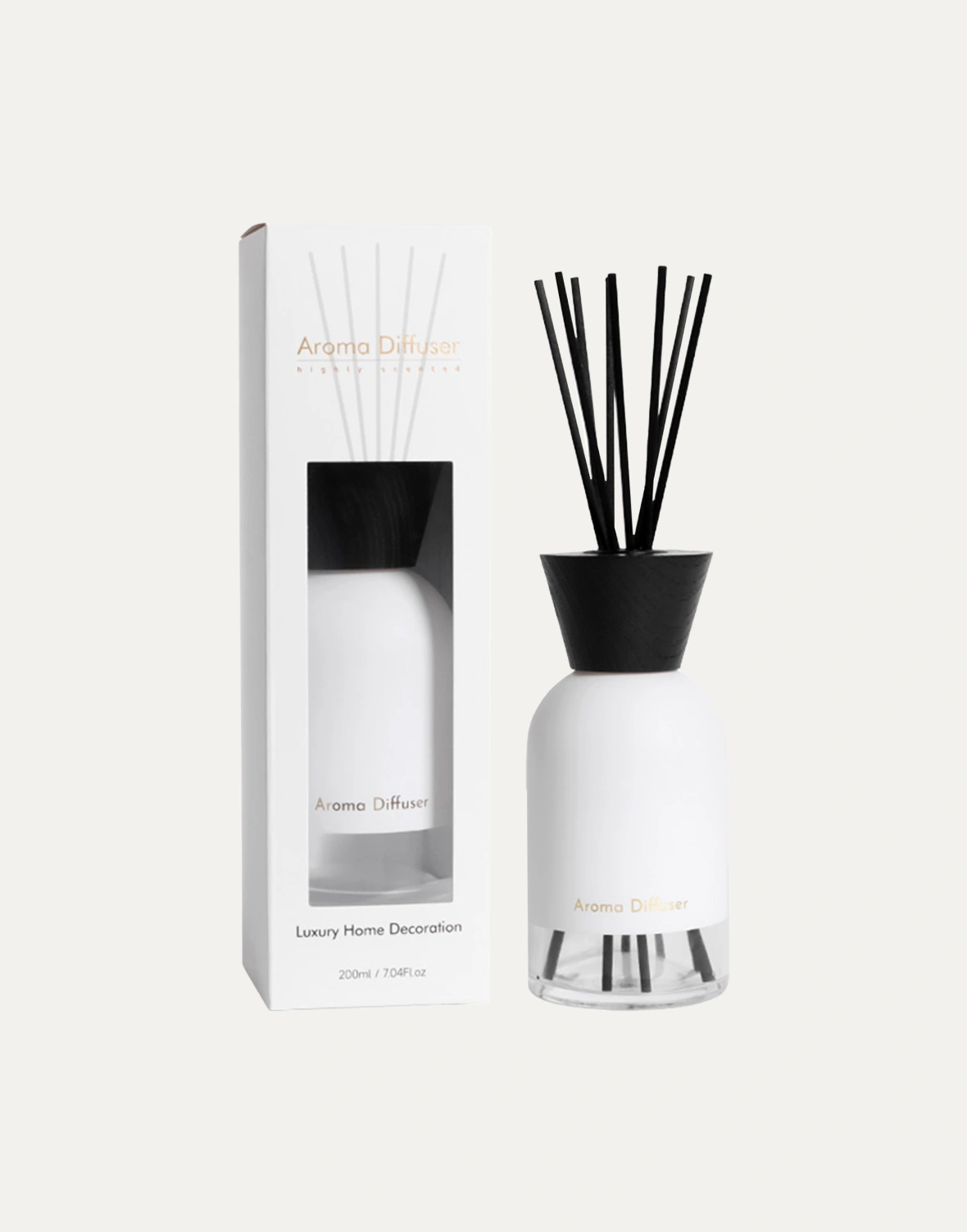
For small wellness corners or suite niches, a decorative reed diffuser can supplement a powered system without adding another device. Put that choice at the end of the plan, not at the beginning, so the primary zones receive the engineering attention first.
How Do You Track Guest Response Without Overcounting?
A hotel scent marketing ROI log only works if guest response data is tied to a period, a zone, and a specific change. A general comment like “the hotel smelled nice” tells you nothing about return. The metrics that hold up are repeat stays, front desk mentions tied to the lobby scent, amenity engagement, and complaint logs related to odor. The metrics that mislead are social media tags without context, one-off praise at check-in, and review scores that have not been isolated from other renovations or service changes.
Metrics that hold up
Repeat booking intent and front desk mentions are stronger than broad sentiment. If a property tracks scent mentions at check-in by week and overlays that with occupancy, it can see whether the amenity is registering beyond the honeymoon period. This also gives operations a reason to maintain the system instead of treating it as a launch event.
Metrics that mislead
Social posts about a hotel smelling good are easy to collect, but they move through algorithms that do not isolate scent from lighting, design, or service. Overweighting them leads to spending on a fragrance that photographs well rather than one that performs in a busy lobby. I’ve seen teams share a beautiful review quote about the lobby scent and then ask for a bigger system, while the operations manager was still ordering replacement oil by guesswork.
How Do You Turn the ROI Case Into a Specific Quote?
A hotel scent marketing ROI conversation stalls when the budget request is based on a mood board instead of a zone plan. The fix is to bring the same operating detail a sourcing manager would bring to HVAC or linen procurement. List each area to be scented, estimate the square footage and ceiling height, note whether HVAC integration is possible, and define the operating hours and refill schedule you expect. That turns scent from a creative line item into a measurable amenity.
Scent-Share supplies commercial diffusers, fragrance oils and service guidance for hotels in 68 countries, with more than 300 fragrance types and ten years of scent experience. To move from ROI estimates to a specific quote, send your zone list, floor area and HVAC type to [email protected] or call +86 185 6557 5758 or +86 134 2048 5758. We can confirm the right system class, bottle size and refill interval for each area before you set next year’s budget.
What Do Hotel Teams Ask About Scent Marketing ROI?
Can hotel scent marketing pay for itself in the first year?
It can, but only if the property measures it against the right baseline. The return typically appears as fewer complaints about stale air, longer lobby dwell time, and a stronger first impression in review scores, not as a direct line item on the P&L. In practical terms, a well-specified lobby system with controlled refill scheduling often costs less per occupied room per month than a dining amenity, while touching every arriving guest. Set the metrics before installation so the comparison is possible.
What floor area should one diffuser cover in a hotel?
There is no single number, and any quote that promises one number for every zone should be questioned. A lobby volume up to 3,000 cubic meters can be served by a tower diffuser, while an HVAC-connected common area may need a system rated for 8,000 cubic meters or more. Ceiling track units are better for meeting rooms around 600 cubic meters. Coverage depends on airflow, ceiling height and door openings, so confirm the target zone, not just the square footage, before comparing equipment.
Is HVAC scenting always better than standalone diffusers?
It depends on the building and the zone. HVAC integration is usually better for large connected common areas because it uses existing air handling to distribute scent evenly and reduces the number of visible devices. Standalone diffusers are often more practical for lobbies with high ceilings, temporary spaces, or buildings where duct access is limited. The decision should follow the airflow, not the device count. If the central system serves both kitchen exhaust and guest corridors, the design needs a careful zone review before committing.
How much fragrance oil should a mid-size hotel plan to keep in stock?
In the programs I’ve designed, hotels do best when they keep one full refill cycle on hand per zone, not a large speculative stock. That means enough oil to cover the next scheduled refill plus a short buffer for delivery, without tying up cash in fragrance that can oxidize or lose character over time. The exact volume follows the diffuser bottle size and intensity setting, so a 500ml lobby bottle and a 1L HVAC bottle create different needs. Reorder when the safety buffer is reached, not when bottles run dry. Share your zone list with [email protected] and we’ll confirm the right refill quantities for each diffuser.
If you’re interested, check out these related articles: