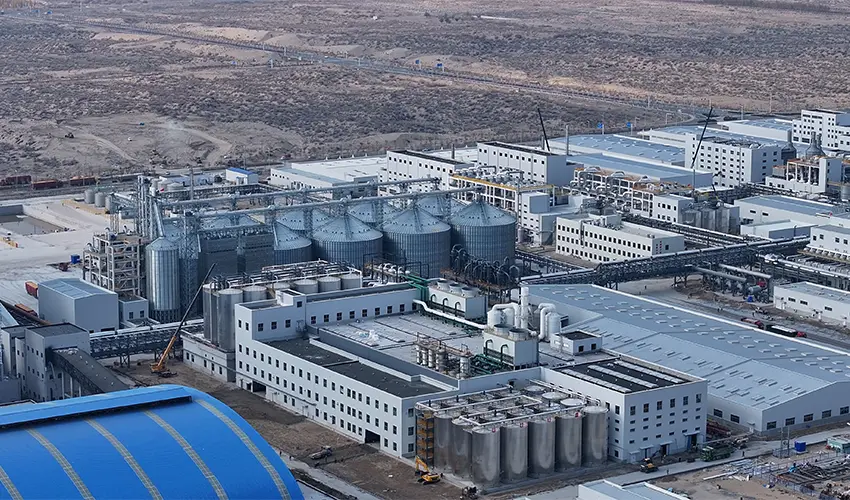

Ethanol plant steam system design usually decides whether a corn processing facility meets its energy budget or runs above it. Boiler selection and steam distribution are one thermodynamic chain from grain receiving through cooking, distillation, and molecular sieve dehydration. In our project work, we size steam loads before choosing fuel type, because a well-matched steam system cuts operating cost without shrinking process capacity. This article maps load profiles, boiler criteria, steam distribution, heat recovery, and commissioning checks for corn ethanol plants.
What Steam Loads Define an Ethanol Plant Steam System?
Steam demand in a corn ethanol plant concentrates in a few process blocks. Distillation reboilers usually take the largest share, followed by molecular sieve regeneration, evaporation, cooking, and liquefaction. The proportions shift with plant design. A dry mill plant producing fuel ethanol sends considerable steam to distillation and dehydration, while a plant recovering corn oil and distillers grains adds evaporation load. We sum each block at design rate and at turndown, then add start-up demand. The result is a load duration curve, not a single number. That curve sets boiler capacity and header pressure.
How Do You Select Boilers for an Ethanol Plant?
Boiler selection starts with the steam load curve, then fuel availability. Corn ethanol plants often burn natural gas, biomass, or a mix of biogas from anaerobic digestion and purchased fuel. The boiler must follow load swings without losing pressure stability. A firetube packaged unit suits smaller plants and retrofits because it is simple, but it reaches practical pressure and capacity limits. Field-erected watertube boilers suit large plants and fuels with variable combustion behaviour. We look at turndown ratio, allowed pressure drop, boiler feedwater quality, and future expansion before confirming a configuration.
| Configuration | Typical fit | Pressure range | Fuel flexibility |
|---|---|---|---|
| Packaged firetube | Small plants, retrofits | Up to 2.1 MPa | Natural gas, light oil |
| Field-erected watertube | Large corn ethanol plants | Above 4.0 MPa | Coal, biomass, biogas blends |
| Biogas capable watertube | Plants with anaerobic digestion | Matches process header | Biogas plus natural gas backup |
| Electric steam generator | Pilot, low steam demand | 0.8 to 1.0 MPa | Grid power |
Biogas from wastewater treatment changes boiler selection. If a plant generates biogas at low pressure and variable methane content, the burner and controls need a wider air fuel band. We specify a dual fuel or co-firing arrangement so the plant does not lose steam when digester output drops. Boiler feedwater chemistry also shifts when condensate return increases, because fewer minerals enter the make-up stream.
How Does Steam Distribution Design Affect Energy Use?
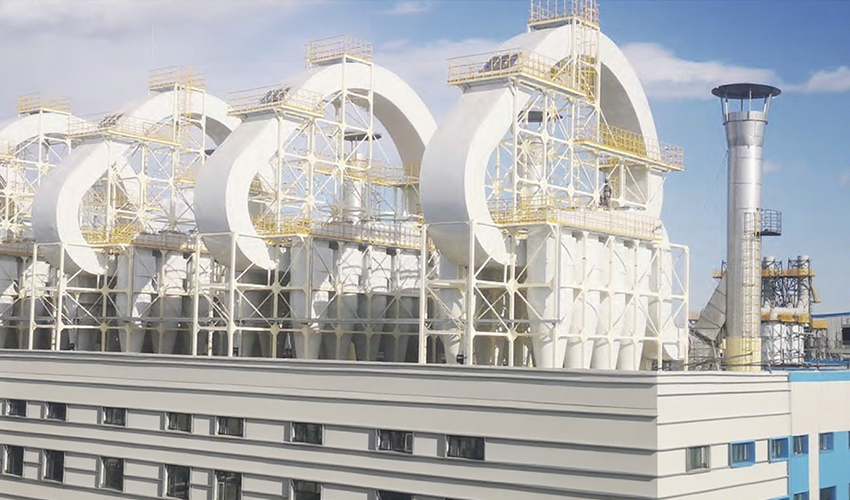
Steam distribution is where pressure energy becomes either useful work or loss. In a corn ethanol plant, high pressure steam can pass through a backpressure turbine to generate power or drive a pump before entering the medium pressure header. The exhaust condition must match the reboiler requirement. We map each pressure level and letdown path, including start-up vents and bypasses. Pipe sizing matters more than boiler size after a point. An oversized steam line increases heat loss and condensate formation. An undersized line creates pressure drop that forces the boiler to run at a higher setpoint. We calculate line sizes at maximum continuous load and at low turndown, because the governing case is often partial capacity.
If your plant combines process steam with power generation, confirm the extraction pressure and backpressure volume against the distillation reboiler requirement before finalizing the boiler specification. Share your steam balance and we will check turndown, header sizing, and letdown station placement. Send the data to [email protected] or call 010-8591 2286.
How Do Condensate Recovery and Heat Integration Reduce Boiler Fuel Use?
Condensate carries heat already paid for. Returning it to the deaerator raises feedwater temperature and reduces fuel input, water treatment, and blowdown. We design closed condensate collection so steam traps and branch lines return hot liquid instead of dumping it. In alcohol projects, energy cascade utilization is the larger opportunity. Vapor from evaporation can preheat process streams, and distillation overhead heat can be recovered for molecular sieve regeneration feed or other low temperature duties. The point is to match heat sources with the right temperature lift instead of using boiler steam for every task. AGRIFAM’s alcohol production line applies energy cascade use, biogas utilization, and wastewater treatment in one connected system.
Water chemistry is part of heat recovery. Higher condensate return reduces make-up water but concentrates any ingress from corn oil or process leaks. We sample condensate and adjust deaerator operation before raising return rates, because a leak can carry organic acids into the boiler and shorten tube life.
How Do You Commission an Ethanol Plant Steam System?
Commissioning verifies that the installed system behaves like the design. We start with steam blowing and hydrostatic tests, then confirm safety valve setpoints and control loop response. The deaerator must reach dissolved oxygen targets before the boiler accepts load. We run the plant at low turndown first, because steam trap failures, water hammer, and header displacement often appear when flow rates are low. Once load increases, we compare measured pressure drops and stack temperature against design. These checks catch insulation defects, undersized drips, and poor boiler turndown before they become operating cost.
If your team is planning a new corn ethanol line or retrofitting an existing steam system, we can review the steam balance, boiler specification, and distribution layout against the actual process loads. Send your utility diagram and capacity targets to [email protected] or call 010-8591 2286, and we will confirm what needs to change before procurement.
What Questions Do Plant Teams Ask About Ethanol Plant Steam Systems?
How much steam pressure does a corn ethanol plant require?
Most corn ethanol plants we work with run a high pressure header between 4.0 and 6.3 MPa for backpressure power or letdown, with process headers at 1.0 to 1.6 MPa and lower. The exact setpoint follows distillation reboiler duty and molecular sieve design, not an industry rule. A plant that only distills without power generation can operate at lower pressure, so boiler cost and piping class should be matched to actual load.
Can biogas from wastewater treatment run the main boiler?
It can, but not as a standalone fuel without careful gas train design. Digester gas has variable methane content and arrives at low pressure, so the burner needs a wider turndown and a stable pilot fuel. Most plants we review co-fire biogas with natural gas or another purchased fuel. That approach keeps steam pressure stable when digester output falls. The boiler specification should state the minimum methane concentration and delivery pressure at the burner inlet, not just the average biogas volume.
Should a plant recover condensate even when natural gas is cheap?
In the alcohol projects we review, yes, because condensate return reduces both fuel use and water treatment load. The deaerator sees hotter feedwater, so less steam raises the water to its saturation point. The plant also buys less make-up water and disposes of less blowdown. Those savings continue even when fuel prices fall. We still check for process contamination before pushing return rates higher, because a heat exchanger leak can introduce organic acids into the boiler circuit.
When should a project team finalize boiler selection?
The better question is whether the steam balance has been fixed at turndown, not at maximum capacity only. Many teams lock the boiler size after the full load calculation, then discover that start-up and part load operation force excessive cycling. We recommend confirming the low load case and the planned number of operating hours in each band before procurement. If your team is doing this work, send the steam balance and part load data to [email protected] and we will confirm the right boiler configuration for your plant.
If you’re interested, check out these related articles:
Driving Global Food Conservation Through Technological Innovation