

If you have one free day around CIHS, spend the morning in a walkable central district, the afternoon along the Bund, and the evening on the Huangpu River. You do not need to see the entire city. You need one break that resets your attention before another day of negotiations.
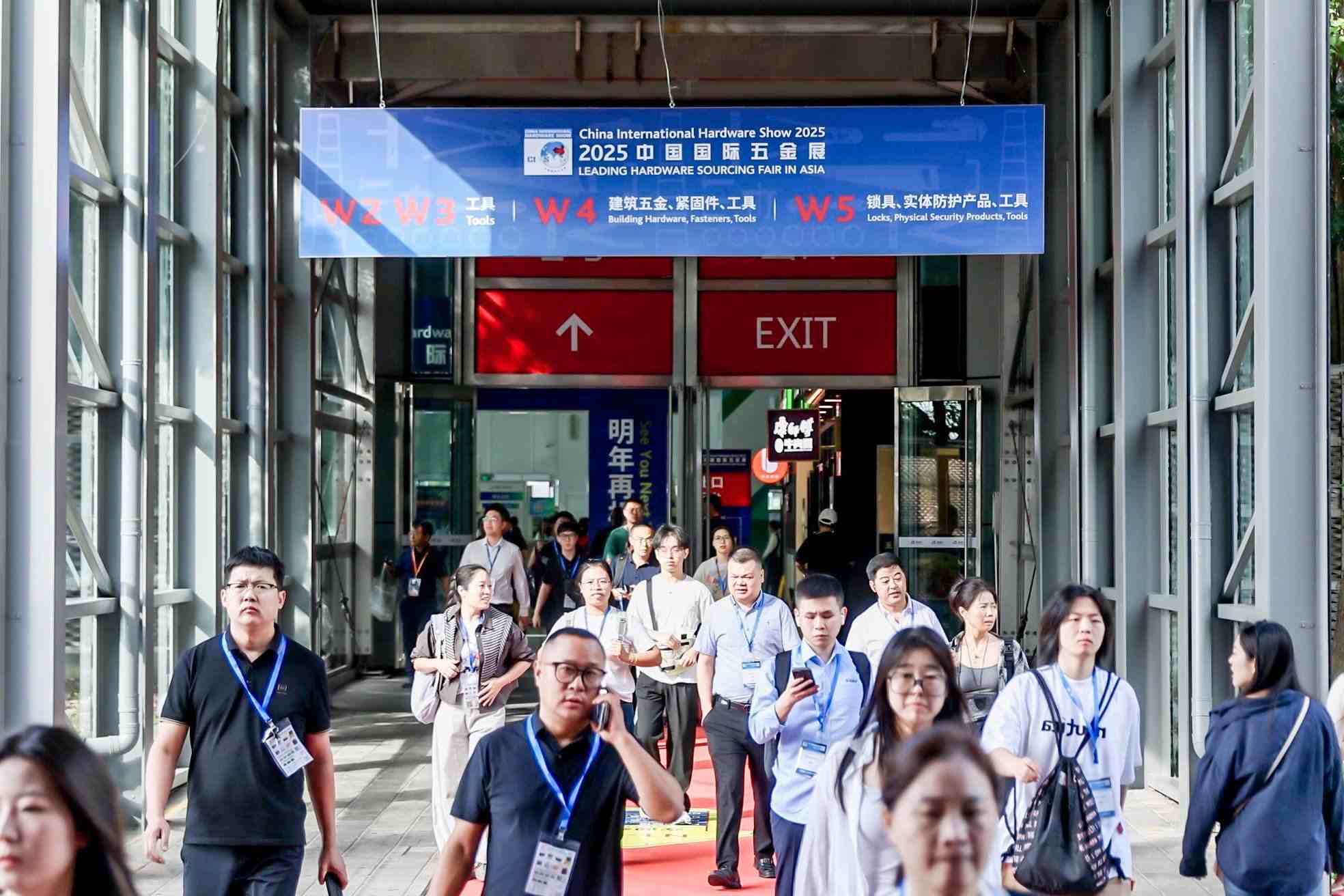
Around the fair, Shanghai can fill a weekend without emptying your energy. The official CIHS floor spans 120,000 sqm, and 77,016 buyers from 123 countries and regions attended the 2025 edition [4]. That scale is exactly why a rest day matters. The fair rewards focus. A good weekend plan protects that focus instead of competing with it.

Weekend Ideas Around the Fair: Three Plans That Work
Plan A: One Full Day in Central Shanghai
Start at Xintiandi or the former French Concession around 9:00 AM. The streets are walkable, shaded, and dense with cafés and small shops. Walk north through Fuxing Park, then cut east toward the Bund. The Bund and the former French Concession sit inside the city’s central visitor corridor [3].
By 4:30 PM, position yourself on the Bund. The riverfront offers clear sightlines to Lujiazui across the Huangpu. After sunset, take a public ferry from Jinling East Road or a short Huangpu River cruise. The crossing costs less than a taxi ride and gives you open-air views of both sides.
End the day at a dumpling restaurant in Huangpu or Jing’an. Use the early line at Nanxiang or find a local branch with a shorter queue. Vendors that are busy with local families tend to move faster and serve fresher food.
Plan B: A Half-Day Reset Near SNIEC
If meetings end late or begin early, stay in Pudong. Go to Century Park, rent a green path bicycle, or walk through Lujiazui’s elevated ring and skywalk. This avoids a long Metro ride but still gets you outside the exhibition halls.
A half-day option: start at the Shanghai Science and Technology Museum area, then take Metro Line 2 one stop to Lujiazui. Walk the riverside promenade. You will be back near the fair within 40 minutes.
This plan works when you have only a free afternoon. It also works for the Sunday before CIHS opens, when you want to adjust to the time zone without spending half the day in transit.
Plan C: Day Trip to Zhujiajiao or Suzhou
For a true weekend day, choose Zhujiajiao Water Town or Suzhou.
Zhujiajiao is accessible by Metro Line 17 and a short walk or bus. Expect narrow lanes, stone bridges, and canal boats. Go early, leave by mid-afternoon, and avoid weekends if possible.
Suzhou is faster by high-speed train from Shanghai Hongqiao or Shanghai Station. Classical gardens such as the Humble Administrator’s Garden and the Lingering Garden deserve a half day. The city also gives buyers a useful look at precision manufacturing and garden-tool culture in the Yangtze River Delta, but the main benefit is a cleaner mental break.
If you only have one day, pick Zhujiajiao. If you have two days and already know central Shanghai, Suzhou is the better return on time.

Getting Around Shanghai Without Losing Fair Time
Shanghai’s Metro is the most predictable way to move. Line 2 crosses the city east to west and connects Hongqiao Airport, People’s Square, Lujiazui, and Longyang Road. Line 7 stops at Huamu Road, close to the Shanghai New International Expo Centre [1][2]. Transfer between the two lines at Longyang Road or Century Avenue.
The Shanghai Maglev runs from Pudong International Airport to Longyang Road in about 8 minutes [2]. From Longyang Road, Line 7 can bring you toward the exhibition halls. The Maglev is useful on arrival day, but the Metro is usually the better choice once you are settled.
Use Alipay or WeChat Pay. Both apps support foreign bank cards for transport and retail payments in most cases. Set up one app before arrival. Keep a small amount of cash as backup, but you will likely use it less than you expect.
Taxis and ride-hailing work well. Use Didi’s English interface or ask hotel staff to enter the destination in Chinese. Carry the hotel’s business card with the address in Chinese characters. Traffic slows during morning and evening rush hours, so the Metro is often faster for central routes.
When you leave the fair, avoid the 5:30 PM exit wave. Wait 30 minutes, recharge your phone, answer one email, and take a later train. The platform will be calmer and the extra time will cost you less energy than standing in a packed carriage.
What to Eat Without Losing the Afternoon
Shanghai dining is fast when you know what to order.
Eat where local queues are long but moving. Xiaolongbao, shengjianbao, scallion oil noodles, and wonton soup are quick, cheap, and unlikely to derail your schedule. Larger restaurants around People’s Square and Jing’an offer English menus. Small lanes often do not, but pictures and payment QR codes make ordering straightforward.
For business meals, reserve ahead. A quiet table in a mid-range Jiangnan or Shanghainese restaurant works better than a long wait at a tourist landmark. Ask your hotel concierge for a current recommendation near your next meeting.
Carry bottled water, especially in the exhibition halls. Drink more than you think you need. Shanghai summers are humid, and a full day of walking plus air-conditioned halls can dehydrate you before you notice.
If you have one celebratory meal, save it for after your last meeting. It becomes a useful reward rather than a scheduling risk.
Weather, Payment, and Other Practical Notes
Check the forecast each morning. Shanghai’s weather can shift between hot, wet, and cool within the same fair week. Lightweight rain gear belongs in your bag even when the sky is clear.
Wear shoes that work on polished hall floors and uneven pavement. A single pair of broken-in walking shoes beats new dress shoes or thin-soled flats. Your back and feet will determine how much of the fair you actually absorb.
Keep a portable power bank. You will use maps, translation, payments, and the show app more than you expect. An offline map or downloaded route helps when the network slows inside crowded halls.
Language is manageable in central areas, less so in small restaurants and taxis. Have key phrases or addresses written in Chinese. If you use a translation app, download the offline Chinese pack before you travel.
Money and documents: do not carry your passport around the fair. Keep it in the hotel safe. Carry a passport copy and a separate photo ID. Use a money belt or zipped inner pocket for backup cards.
Turn One Rest Day into a Sourcing Advantage
A rest day in Shanghai is not lost time. It is observation time.
As you walk through renovated lanes, note the hardware in use: smart locks on shop doors, hinge systems on glass panels, power tools at renovation sites, and garden tools in the city parks. You will see consumer behavior that can sharpen your next supplier conversation.
Write down three observations each evening. Which products appear repeatedly? Which finishes are worn or damaged? Which brands do local installers carry? These notes make your fair meetings more specific. Instead of asking “what brings up quality?” you can ask a supplier “I saw this lock format in several stores; is the cylinder here imported, local, or licensed?”
Do not turn your rest day into an inspection tour. Pick one neighborhood, walk slowly, and let the market show itself. The fair will give you the catalog. The city can give you the commercial context.
Next Step: Register for CIHS 2026 Before You Plan the Weekend
The weekend will only matter if your fair week is arranged first.
Start with visitor registration and confirm your badge before booking day trips. That single step locks in your access to CIHS and gives you a firm schedule to build around.
Register for CIHS 2026 through the official visitor registration portal, then add one rest day to your itinerary. Plan the weekend as carefully as you plan your shortest supplier meeting. A buyer who arrives organized and stays rested makes better sourcing decisions.
Frequently Asked Questions
How far is the Bund from SNIEC?
The Bund is about 40–60 minutes from the Shanghai New International Expo Centre by Metro, depending on transfers and walking distance [1][2]. You can take Line 7 toward Longyang Road and change to Line 2, or take a taxi outside rush hour.
Do I need cash in Shanghai during CIHS?
Not much. Alipay and WeChat Pay work for most transport, meals, and shops, and both can be linked to foreign cards in most cases. Carry a small amount of RMB for backups, especially if you plan to visit small street vendors.
Is one weekend enough to see Shanghai?
No single weekend can cover the entire city. But one full day plus a half day is enough to see the Bund, the former French Concession, and one water town or museum. The point is to reset, not to complete a checklist.
What is the easiest day trip from Shanghai?
Zhujiajiao Water Town is the easiest day trip. Metro Line 17 reaches the area, and a half day there provides a strong contrast to the exhibition halls. Suzhou is the better choice if you have a full day and prefer gardens and history.
Can I visit Suzhou while CIHS is running?
Yes, but schedule it before or after your main meeting days. High-speed trains connect Shanghai Hongqiao or Shanghai Station to Suzhou frequently. A mid-fair day trip is possible, but it works best when you have no afternoon meetings and an early return train.
References
[1] Shanghai New International Expo Centre, “Venue location and transport,” Shanghai, China. [Online]. Available: http://www.sniec.net
[2] Shanghai Metro, “Metro network map and line information,” Shanghai, China. [Online]. Available: http://www.shmetro.com
[3] Shanghai Municipal Government, “Shanghai travel and culture guide,” Shanghai, China. [Online]. Available: https://www.shanghai.gov.cn
[4] China International Hardware Show, “Visitor and exhibition data,” Koelnmesse (Beijing) Co., Ltd. and China National Hardware Association, 2026.