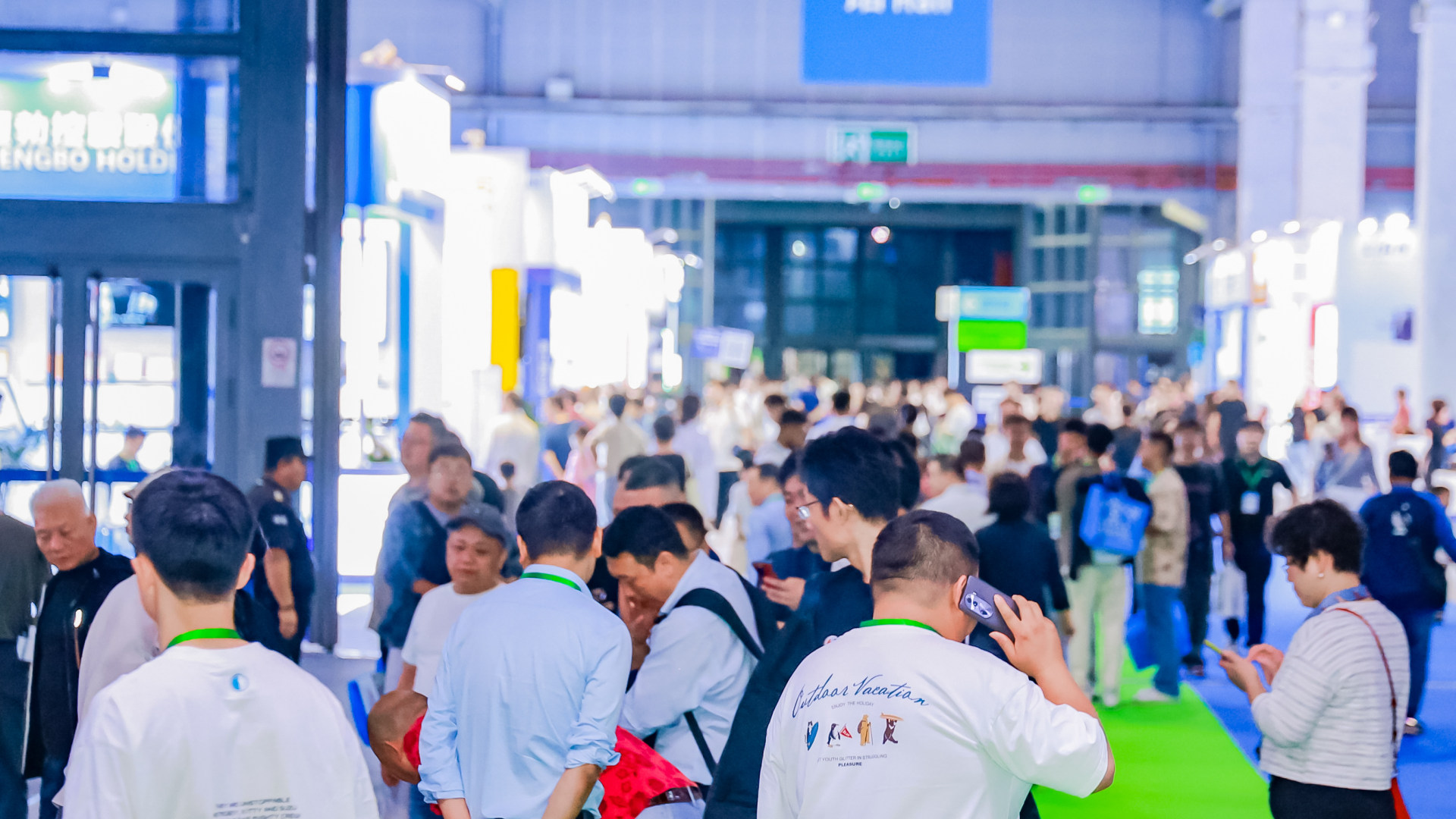

For an auto parts exporter weighing APES vs Automechanika Shanghai, the decision comes down to how each show turns booth traffic into qualified buyer conversations. APES runs an Internet plus exhibition model with industrial cluster sourcing and factory-direct matching. Automechanika Shanghai operates as a long-running global trade fair with broad aftermarket reach. The more useful question is not which event posts bigger attendance, but which one aligns with your product category, export stage, and follow-up capacity. The comparison below gives you a practical view built around buyer access, cost structure, and order conversion.
What Is the Real Difference in Exhibitor Experience?
APES has spent more than a decade organizing exhibitions and now operates in more than 60 major Chinese cities. Its model links online sourcing behavior with physical booth meetings, so an exhibitor can reach buyers before, during, and after the event through digital channels. The company runs four industry chain exhibitions across home goods, machinery, food, and automotive, but the auto show is built around structured sourcing rather than a passive display floor.
Automechanika Shanghai is part of the international Automechanika network and has a long record as a destination for automotive aftermarket suppliers and buyers in Asia. Its exhibitor experience tends to reward established brands with broad product lines and high-volume buyer traffic. The show floor is dense and international, but exhibitors need strong pre-show planning to turn that traffic into useful meetings.
The practical difference is orientation. That model structures the experience around industrial clusters, factory-direct meetings, and cross-border buyer matching. The international fair offers scale and brand exposure. If the goal is predictable lead qualification, the first approach often saves time. If the goal is brand visibility across a broad global audience, the second may serve better.
Where Does APES vs Automechanika Shanghai Deliver Better Buyer Access?
Buyer access is not only about how many people walk through the hall. It is about what those buyers come to do.
| Dimension | APES | Automechanika Shanghai |
|---|---|---|
| Visitor focus | Targeted global sourcing buyers from digital channels and industrial clusters | Broad aftermarket distributors, importers, and brand buyers |
| Exhibitor mix | Factory-direct manufacturers and cluster-based suppliers | Large brands, regional distributors, and component groups |
| Sourcing style | One-stop procurement across product zones | Wide category coverage with strong brand representation |
| Lead type | Direct manufacturer-to-buyer conversations | Higher volume but more filtering required |
| Best fit | OEM and ODM suppliers, cluster exporters, emerging suppliers | Established brands seeking distribution coverage |
| Follow-up path | Shorter handoff from booth to factory visit | Longer qualification path through distributors |
The table does not mean one event is universally better. It means an exhibitor should match the buyer profile to their lead conversion process. A factory with short production runs and OEM flexibility tends to value the direct conversations the cluster model builds. A distributor seeking regional coverage often values the wider floor plan of the international fair.
Which APES vs Automechanika Shanghai Model Works for Factory-Direct Sourcing?
Factory-direct sourcing works when a buyer can get past catalog listings and talk directly with engineering or sales leadership. APES puts industrial clusters at the center. Yuhuan chassis manufacturers, Ruian brake suppliers, Wenzhou automotive electronics producers, Changzhou lighting makers, and Qinghe filter plants are not presented as anonymous booths. They are grouped by production capability and sourcing category, which makes it easier for a buyer to compare processes rather than only prices.
Automechanika Shanghai also brings manufacturers, but the booth environment is more brand-driven. A buyer may need to filter through regional distributors, trading companies, and large brands before reaching a factory decision-maker. That filtering adds time, and time matters when a sourcing team is visiting multiple halls in one day.
For an exhibitor, the model changes what you prepare. In a factory-direct show, the booth should lead with production process, tolerance control, IATF 16949 status, and lead time. In a broad trade fair, the booth may need to carry a stronger brand story before the technical conversation starts. The same supplier can succeed in both, but the first conversation in each room is different.
If your product line includes NEV high-voltage wiring harnesses or thermal management components, it is worth confirming the qualification path before finalizing your booth. Reach out at [email protected] with your product category and target market.
What Should an Exhibitor Budget for a Booth?
Booth cost varies by shell scheme or raw space, plus build, electrical, booth staffing, sample freight, and lead capture tools. We do not publish a flat price here because two exhibitors with the same square meters can end with different total cost once furniture, rigging, and interpretation are added. APES booth applications include a detailed cost breakdown matched to the selected hall and zone. Automechanika Shanghai operates a separate rate card for raw space and shell scheme.
The more important budgeting question is not the square meter price alone. It is the cost per qualified conversation. A lower base price with weak buyer matching can leave a supplier paying for badge traffic that never converts. A stronger match may cost more per square meter but less per meeting. For a first-time exhibitor, the safer approach is to request the full participation estimate, including registration, booth construction, logistics, and two staff members, before comparing events.
How Do Exhibitors Convert a Booth into Orders at APES or Automechanika Shanghai?
Order conversion starts before the hall opens. In both shows, exhibitors who send product-specific invitations and pre-schedule meetings produce better outcomes than those who wait for walk-in traffic. The difference is how much of that pre-show work the organizer handles. The first model uses digital sourcing channels to surface buyer interest before the event, which gives an exhibitor a warmer list to invite. Automechanika Shanghai gives you a large platform, but exhibitor-side outreach remains largely your responsibility.
During the show, qualify quickly. Ask each visitor which product, which market, and which order volume they represent. Keep notes that can be acted on later. If a visitor asks about factory capabilities, push for a factory visit while the decision is still warm. That is where the order actually forms, not at the booth.
After the show, speed wins. Follow up within 48 hours, send the exact quotation discussed, and attach production line photos or sample test results. In our work with automotive aftermarket suppliers, I have found that a structured follow-up list separates closed orders from a pile of collected business cards. Buyers visiting multiple booths in a week remember the supplier who returned with a clear next step, not the one who sent a generic follow-up.
Whichever event fits your export stage, the practical next step is to get a booth proposal and buyer profile matched to your product category. For APES booth applications and factory-direct sourcing placement, send your product list and target market to [email protected] or call +021-60280788. We can confirm the hall zone, buyer mix, and quote structure before you commit.
What Else Should Exhibitors Ask Before Booking?
Is APES only for Chinese suppliers?
That is a common misreading. APES is designed for suppliers and buyers who want structured cross-border trade, so booth space is not limited to Chinese manufacturers. International exhibitors can use the platform when their products fit the automotive aftermarket or industrial chain coverage. The main requirement is that the product category aligns with the show’s buyer mix. If you are an overseas supplier targeting Chinese buyers or a regional distributor looking for factory partners, confirm which zone places you nearest to the right traffic before booking.
How much advance planning does an exhibitor need?
Plan at least three to four months before the event. A booth needs design approval, sample logistics, buyer invitation, and staff training. Waiting until the month before turns the event into a display exercise rather than a sales pipeline. The exact lead time depends on whether you take a shell scheme or raw space, because custom builds need more time for drawings and approval. Start with product data and target buyer list before choosing booth location. If your team is new to China trade shows, add at least two extra weeks for document preparation and travel planning.
Which event is less risky for a first-time exhibitor?
It depends on the goal. If the goal is to test factory-direct buyer response for an OEM or ODM product, a cluster-focused event often carries less risk because the audience is closer to a procurement decision. If the goal is brand exposure across many country markets with a larger booth budget, Automechanika Shanghai may be worth the extra investment. Risk also comes from underprepared booth staff and slow follow-up, not from the venue. Choose the event that matches the conversation you are ready to run, then commit to pre-show invitations and a 48-hour follow-up process.
Can an exhibitor confirm factory audits at the event?
In our experience, factory audit requests are a good signal but they usually get scheduled after the show, not during it. A buyer who asks for an audit is already past the comparison stage. The exhibitor’s job at that point is to record the audit scope, acceptance standards, and the buyer’s target dates, then send the factory capability pack within 48 hours. For exhibitors in that model, the cluster-based location can make post-show factory visits easier because many buyers already plan to visit nearby production areas. If your booth conversation turns into an audit request, share the audit scope and product category with [email protected] and we will confirm the most practical factory visit route.
If you’re interested, check out these related articles:
Tomorrow World: Innovation Achievement Exhibition and Industry Future Forum
APES 2026 to Redefine Global Sourcing Landscape as Automotive Industry Eyes Resilient Future
