Smart commercial scent diffusers are not a single category. They are a controls decision, a coverage decision, and a fragrance scheduling decision that changes how a space performs hours after the spec sheet is filed. I have seen buyers choose a unit with full app control and then discover the mounting position fights the airflow. The better path is to specify the system around the room, not the feature list. The questions below walk through the specification process I use when preparing commercial projects, from interface limits to maintenance data, so the scent stays consistent without constant adjustment.
What Makes Smart Commercial Scent Diffusers Worth Specifying?
Scent diffusion in commercial spaces differs from residential aromatherapy because the outcome is measured in consistency across operating hours. A smart commercial diffuser adds three practical layers to that baseline. First, it schedules run intervals and intensity so the scent does not fade after the first hour. Second, it reports fluid level and atomizer status rather than leaving you to guess when a bottle is empty. Third, it lets facility staff adjust settings from a phone instead of opening a ceiling unit. Those three layers reduce the most common failure mode I see on site: a good fragrance installed badly.
I treat the smart label as a reminder to inspect the control path before the fragrance. In one project, a buyer compared only bottle size and coverage. The unit we supplied had Bluetooth control, but the mounting point blocked the signal from the front desk. The staff could not change the schedule without using a ladder. That failure had nothing to do with scent quality and everything to do with not verifying where the controls would be used. For me, this is the threshold question: a smart diffuser is worth specifying only when the control interface actually fits the operator’s daily route.
Which Control Interfaces Actually Matter Daily?
A diffuser can offer app control, WiFi control, physical buttons, or some mix. Buyers often ask which is best. The answer changes with staffing and access. In a hotel lobby, Bluetooth app control works well when the operations manager is within 10 meters and carrying the same phone. In a multi-floor office, WiFi or a wall panel is easier because the maintenance team may never stand under the ceiling unit. We have supplied both Bluetooth APP and physical/WiFi models, and the recurring call after installation is rarely about hardware failure. It is usually about someone not being able to reach the schedule quickly.
| Model | Coverage | Power | Control Method | Typical Placement |
|---|---|---|---|---|
| Commercial Scent Oil Diffuser (Bluetooth APP) | 300 m³ | DC12V-1A | Bluetooth APP | Boutique retail, small lobby |
| Battery Aroma Oil Dispenser Wall Mount | 200 m³ | 3×D batteries or DC5V | Programmable settings | Fitout without low-voltage wiring |
| Hotel Scent Oil Diffuser Tower | 3,000 m³ | DC12V-2A | Bluetooth APP, touch | Lobby or double-height entry |
| Commercial HVAC Scent Diffuser | 8,000 m³ | DC12V-3A | Bluetooth APP | Building-wide HVAC integration |
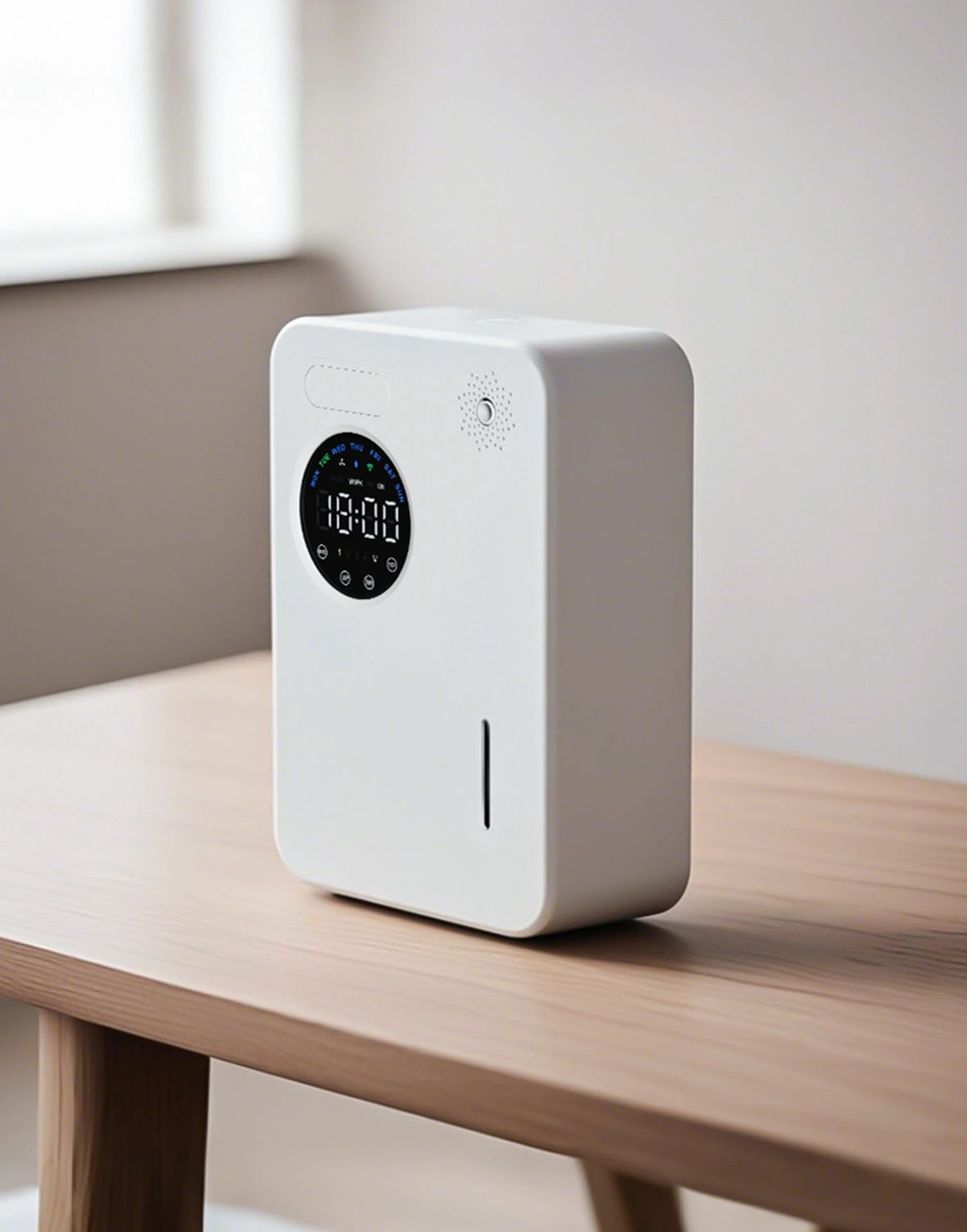 The comparison that matters is not app versus button. It is whether the person who adjusts the schedule can reach the interface without disrupting the space. If a unit needs Bluetooth but the front desk is 15 meters away through a concrete wall, specify a model with physical backup or a wall mount. This detail shows up during commissioning, not in the brochure.
How Do Smart Commercial Diffusers Handle Coverage and Mounting?
Coverage ratings use cubic meters and remain the fastest way to narrow the list. A 300 m³ Bluetooth unit may cover a fitting room but not a double-height lobby. The spec sheet of a hotel tower rated at 3,000 m³ looks different from a 200 m³ wall mount, and the difference comes down to pump and fan design. Mounting decides whether the rated coverage is real. A wall mount placed near a return air grille will pull scent out of the breathing zone before guests notice it. A ceiling track mount placed above a strong supply diffuser can push fragrance across a wider area, but it can also create hot spots near the vent.
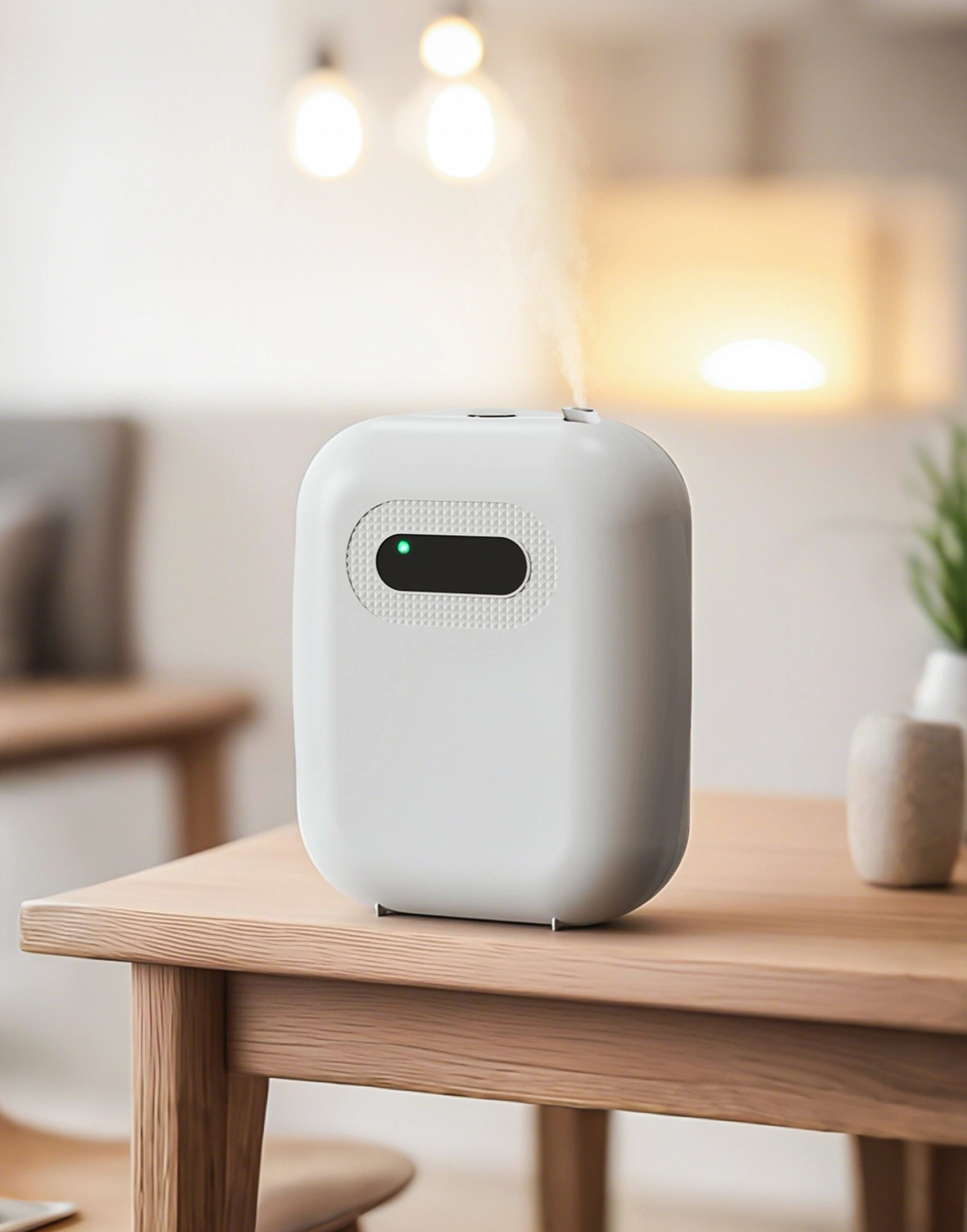
In a 4,000 m³ showroom I walked, the fragrance had been installed at the rear corner because that was the only power point. The scent reached the first 20 meters and vanished. The supplier had quoted correct coverage, but the placement defeated the airflow calculation. That is why I ask clients for a floor plan and the HVAC supply layout before recommending a mounting position. It is not a paperwork step. It is the difference between a scent that reads as intentional and one that reads as a failed air freshener.
If your space has ceiling heights above four meters, an existing HVAC system, or a lobby glass wall, it is worth confirming the atomizer pressure and scent concentration before your BOM is done. Send the floor plan and air changes per hour to [email protected].
What Does Fragrance Scheduling Prevent in Real Spaces?
Fragrance scheduling prevents the most common complaint in commercial scenting: the first hour smells too strong and the fourth hour smells like nothing. A diffuser without scheduling runs the pump continuously or at a fixed interval. The oil evaporates early, and staff turn the unit off. A smart schedule with intensity levels lets you set a softer morning ramp and a reduced overnight hold. For a hotel lobby, we often set a lower intensity from 11 pm to 6 am and a higher burst during check-in. The schedule changes the oil consumption curve. That change is what keeps the monthly refill predictable instead of a surprise.
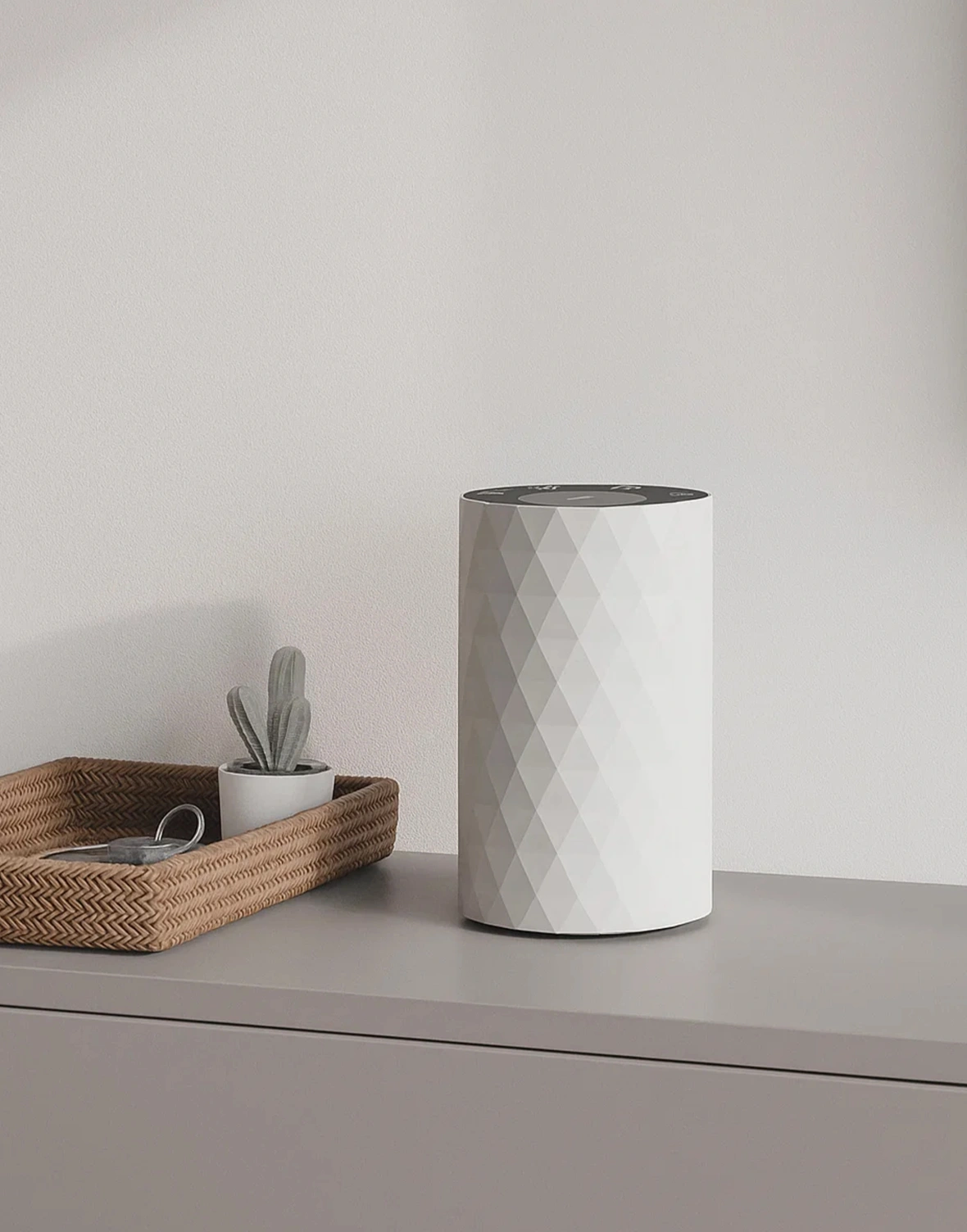 Scheduling also reduces the number of service calls. I have seen a retail store run a strong floral scent during a rainy week and then wonder why the space felt heavy. The issue was not the fragrance. It was the schedule not compensating for humidity. A diffuser with adjustable intervals can be dialed back without waiting for the supplier to visit. That control lives in the app, not in the tank, and it matters far more than the bottle shape.
Which Next Step Moves Your Specification Forward?
Most smart diffuser delays come from unclear room data, not from the hardware. If your team is stuck comparing models, the fastest way out is to confirm three numbers: the cubic volume of each zone, the HVAC air changes per hour, and the hours the scent must run. Send those three numbers with your fragrance direction to [email protected]. Our team will return a coverage calculation, a recommended mounting type, and the expected oil consumption before you commit to a purchase order. You can also call +86 185 6557 5758 or +86 134 2048 5758 to talk through the layout directly.
What Should Buyers Ask Before Choosing a Smart Diffuser?
How much fragrance oil does a smart diffuser use per month?
Oil use depends on the pump output, run schedule, and the bottle feed, not on the diffuser alone. A small 300 m³ Bluetooth unit with a 150ml bottle may run several weeks on a low intensity schedule, while a 3,000 m³ tower can consume a 500ml or 1L bottle much faster when run continuously. To estimate your monthly consumption, start with the planned daily run hours and intensity level, not the tank size. We calculate this from the same three numbers used for coverage: volume, air changes, and schedule. The correct figure matters because it changes refill logistics and per-location operating cost.
Is WiFi control more reliable than Bluetooth for commercial diffusers?
It is a common assumption that WiFi is always more reliable, but that depends on the building network. Bluetooth works well for a single unit within 10 meters and avoids firewall issues. WiFi makes sense when multiple floors or remote sites need central management, because it lets a facilities team adjust schedules without walking to each device. The real reliability question is whether the unit stores its schedule locally. A model that continues running its last program after losing network access will behave better in a hotel or retail space than one that depends on constant connectivity.
Can one smart diffuser cover multiple connected rooms?
It depends on the airflow path, not the square footage. If a lobby opens into adjacent corridors with shared HVAC return, one high-capacity HVAC unit can often carry scent through the connected zones. If the rooms have separate doors and separate air handling, one diffuser will create an uneven experience and you should plan one unit per discrete air volume. Ceiling height matters too. A space above four meters needs a different atomizer than a standard office ceiling. Before adding units, check the return air path. That single check usually settles whether the coverage is continuous or broken.
How do I know when maintenance is due on a smart diffuser?
Across project sites I have reviewed, the first sign is rarely a breakdown. It is usually an oil level alert or a change in scent intensity right before the schedule shifts. Many of our commercial models send fluid level and atomizer status through the app, which gives maintenance staff a warning before the lobby goes quiet. The routine itself is simple: clean the atomizer head, confirm the bottle feed, and check the fan inlet for dust every 30 days in high-traffic spaces. If the same refill runs out faster month over month, share your consumption log with [email protected] and we will confirm whether the change comes from the schedule or the pump.
If you’re interested, check out these related articles: