Most diffuser comparisons treat a cold air diffuser and an ultrasonic diffuser as two ways to reach the same result. They are not. One moves undiluted fragrance oil through a dry, heat free airstream; the other turns diluted oil and water into visible mist. For a hotel lobby, retail floor, or office, that difference changes scent intensity, oil consumption, and maintenance. My position after ten years of fragrance projects is direct: commercial scenting favors dry diffusion, and ultrasonic remains a small space tool. That distinction should shape your specification before you compare prices.
How Does a Cold Air Diffuser Move Fragrance Oil?
A cold air diffuser uses a small air pump to draw undiluted fragrance oil from a bottle and atomize it into fine droplets. There is no heating element and no water reservoir. The result is a dry mist with particles small enough to stay suspended in moving air. In a commercial unit, the pump runs on a duty cycle: it activates at set intervals, pushes fragrance into the airstream, then pauses so the scent does not become saturated. That is why a hotel tower unit rated for 3,000 m3 uses a 500 ml or 1 L aluminum bottle, while a desk unit rated for 300 m3 uses a 150 ml bottle.
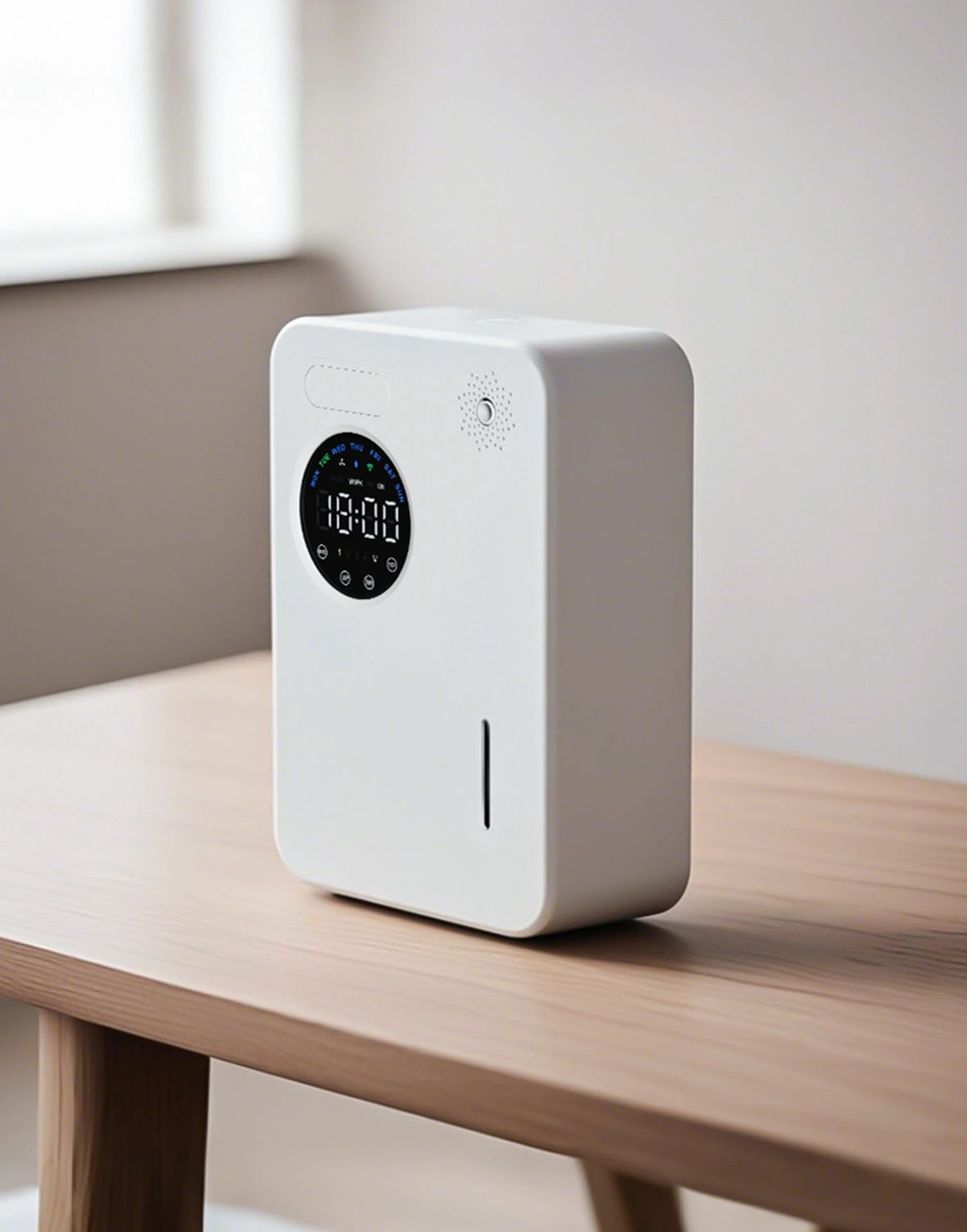 Because the oil is not diluted, the fragrance keeps its top notes. Citrus and green notes are more volatile; when they are exposed to heat or water, they fade first. Dry diffusion releases those notes intact. The tradeoff is that cold air systems depend on consistent oil quality and correct nozzle placement, so installation matters as much as the device.
What Happens Inside an Ultrasonic Diffuser?
An ultrasonic diffuser uses a vibrating diaphragm to break a water and fragrance oil mixture into visible mist. The diaphragm oscillates at high frequency, but the mechanism only works because water is present. Without water, most home ultrasonic units cannot produce mist. That means every scent session adds humidity to the room and dilutes the fragrance oil.
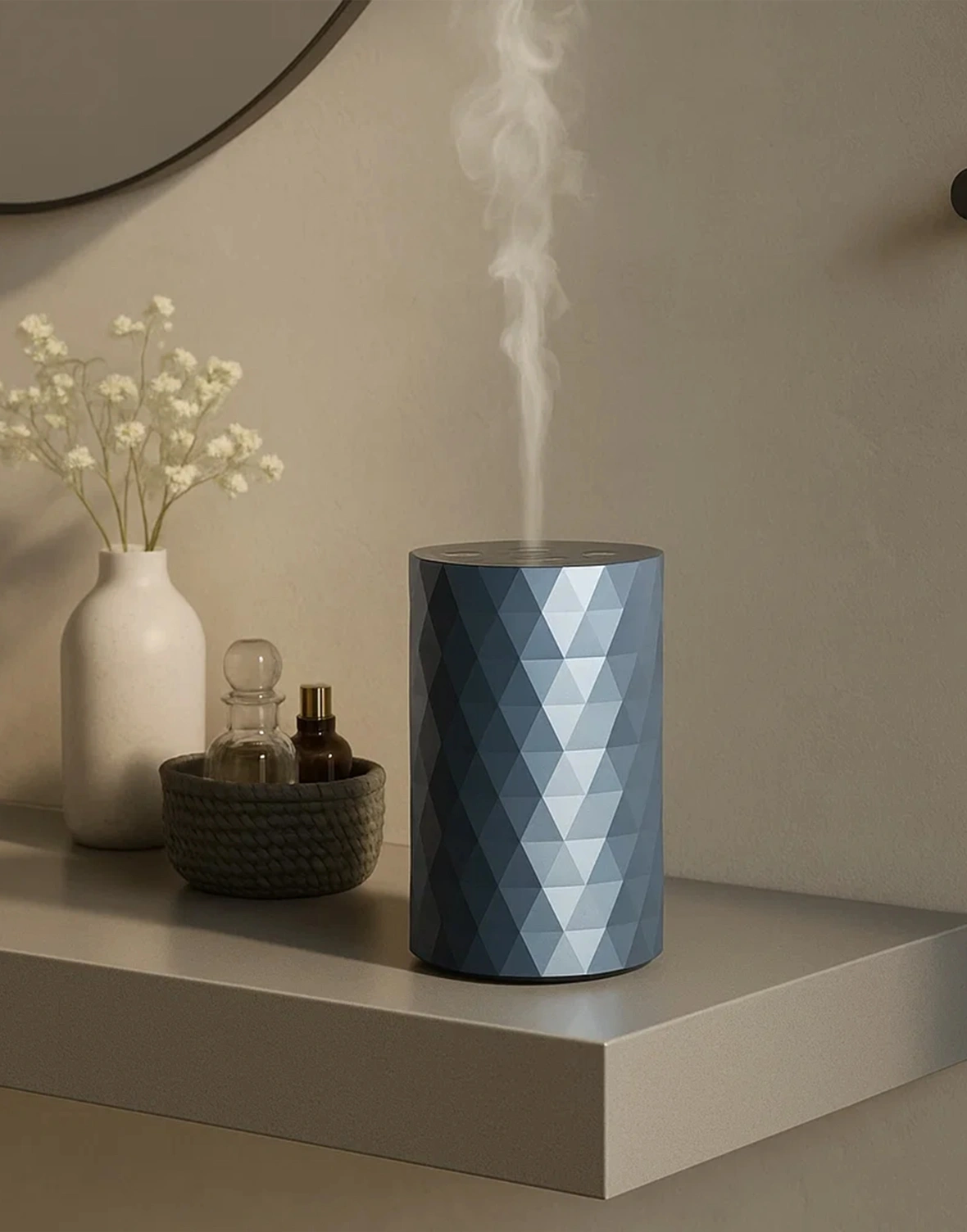
The spec difference shows up quickly. A compact home ultrasonic diffuser in our catalog covers about 80 m3 (300 sq ft) and runs under 35 dBa, which is quiet enough for a desk or small office. The same technology is rarely used for commercial spaces because the mist falls out of the air more quickly than dry mist, and the water tank needs cleaning to prevent residue or mold. For a spa or wellness room, the visible mist and added humidity can be a benefit. For a retail floor, it becomes a maintenance and coverage problem.
Why Does a Cold Air Diffuser Hold Scent Integrity Better?
Scent integrity is the degree to which the fragrance you selected arrives in the room unchanged. Cold air diffusion protects that because it keeps the oil undiluted and heat free. Ultrasonic diffusion changes the scent environment by adding water, which shifts evaporation. It also encourages oxidation once the oil sits in a tank. In practice, a citrus top note can disappear within a few days in an ultrasonic tank, while the same note remains recognizable in a dry bottle.
This is not a marginal difference for buyers. If a hotel chain wants the same signature scent across properties, the delivery system has to be consistent. Water quality, tank cleanliness, and fill level all change how an ultrasonic unit performs. A cold air diffuser removes those variables. The following table puts the main differences side by side.
| Factor | Cold Air Diffuser | Ultrasonic Diffuser |
|---|---|---|
| Oil state | Undiluted fragrance oil | Fragrance oil diluted in water |
| Output | Dry, nearly invisible mist | Visible water mist |
| Coverage in our catalog | 200 to 3,000 m3 depending on model | 80 to 300 m3 for compact units |
| Humidity added | None | Yes |
| Main maintenance | Bottle replacement, nozzle checks | Water tank cleaning, residue control |
If your space exceeds 300 m3, confirm air changes per hour and oil consumption before finalizing your bill of materials. Send the room dimensions and operating hours to [email protected].
Where Does an Ultrasonic Diffuser Still Make Sense?
An ultrasonic diffuser fits a small room where you want visible mist, added humidity, or a low cost entry point. A 10 ml portable unit is useful for an office desk or a car. A spa treatment room benefits from light humidity and a short scent cycle. The unit can also be moved easily because it needs no permanent installation.
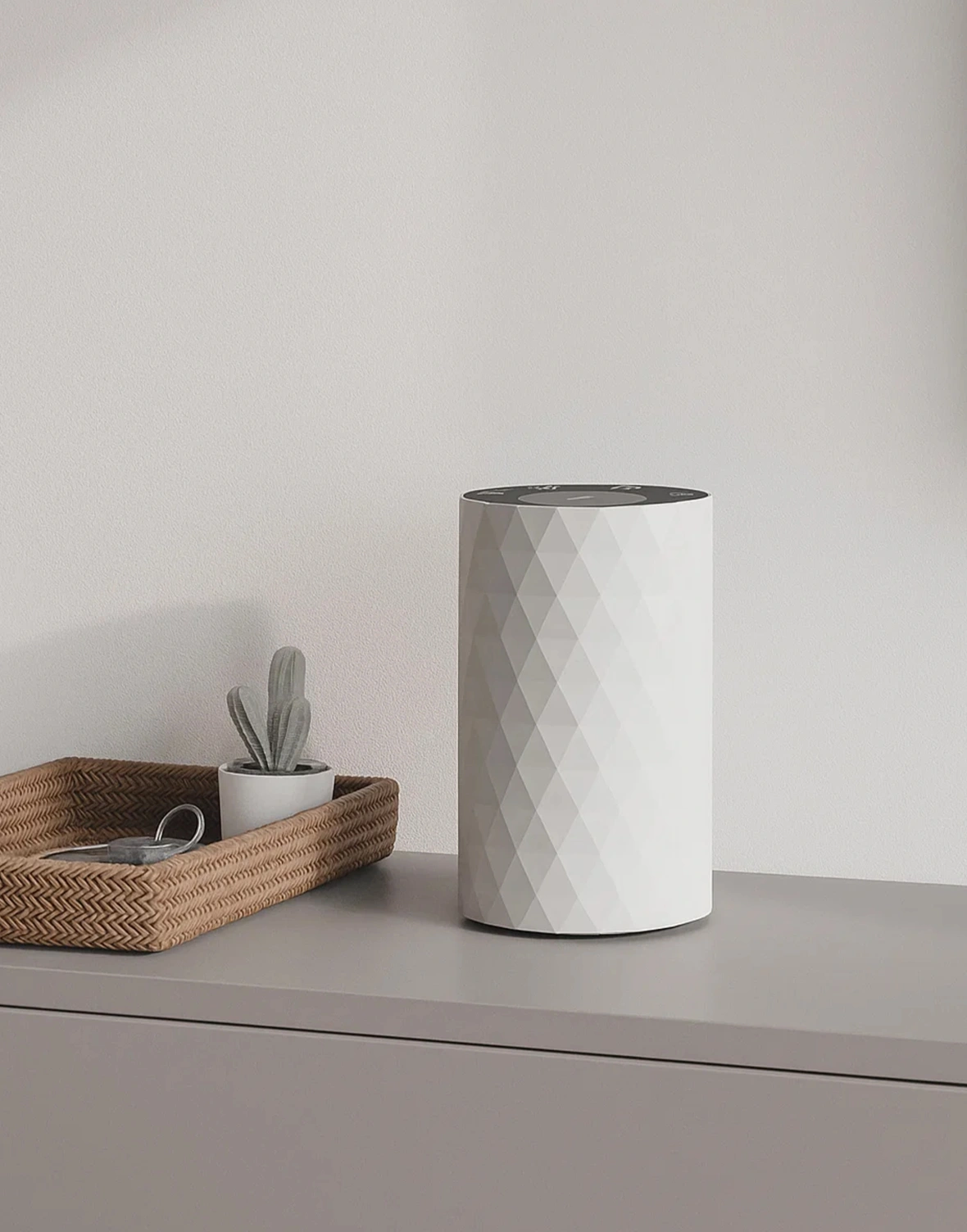 The limit appears when you scale up. Three or four ultrasonic units cannot deliver even coverage in a hotel lobby because the mist drops quickly and the tanks require frequent refilling. Our commercial clients rarely ask for ultrasonic in public areas once they see the coverage numbers. They ask for dry diffusion, or they start with a small ultrasonic pilot in a back office.
How Do You Specify the Right Cold Air Diffuser for Your Space?
If you have already narrowed the choice to dry diffusion, the next risk is picking a device too small. We see this when a buyer selects a 300 m3 desktop unit for a 600 m3 retail area and then runs it continuously. The pump overheats, the oil consumption rises, and the scent becomes uneven. A better starting point is to measure the actual air volume and match it to the diffuser coverage, leaving headroom for air changes per hour.
For spaces larger than 300 m3, a wrong diffuser choice shows up in the first 30 days: the scent fades near the entrance, or the oil disappears faster than planned. Send your floor area, ceiling height, and daily operating hours to [email protected] or call +86 185 6557 5758. We will confirm the smallest model that covers your air volume without pushing the pump beyond its duty cycle.
What Do Buyers Ask About Cold Air and Ultrasonic Diffusers?
Which one is stronger?
For most commercial spaces, a cold air diffuser produces stronger perceived scent because it releases undiluted fragrance oil over a larger area. Ultrasonic mist is mostly water, so it can feel heavier near the device but drops off faster. The coverage numbers make the difference clear: our dry diffusion models range from 200 to 3,000 m3, while compact ultrasonic units stay under 300 m3.
Is ultrasonic diffusion safer because it uses water?
Many buyers assume water makes the process gentler. In practice, a water tank creates more maintenance risk, not more safety. Standing water can grow residue or mold, and the oil sits diluted in that environment. A cold air diffuser keeps the fragrance sealed in the bottle and only atomizes it during the run cycle.
Is cold air diffusion worth the higher price?
It depends on the room volume and how long the scent runs. In a small 80 m3 office used a few hours a day, a home ultrasonic unit can be enough. In a retail store over 300 m3 running 10 hours a day, dry diffusion uses less oil per hour because it does not need water and delivers more consistent coverage.
Can we test cold air diffusion in one store first?
In pilot programs we have run, the most common mistake is placing the diffuser too close to an open door or an HVAC return. The scent gets pulled out before it reaches the seating area. A one store test works if you keep the diffuser away from high airflow edges and record oil consumption for two weeks. Send us your floor plan and operating hours to [email protected] and we will confirm the right model for the air volume.
If you’re interested, check out these related articles: