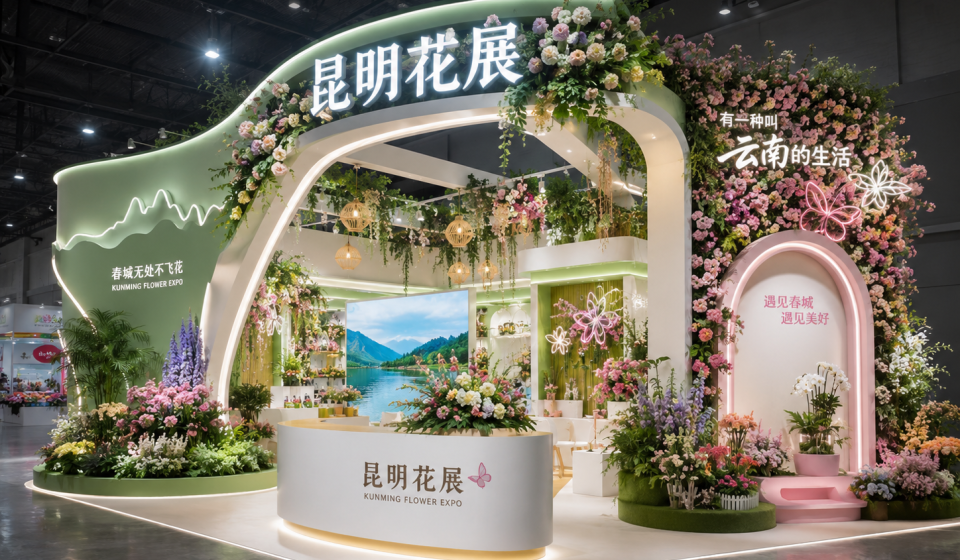

The China flower market is large, fragmented, and difficult to read from a screen. Buyers who rely only on supplier directories or email introductions miss the comparison quality that comes from seeing flower types, handling samples, and matching faces to production lines in one place. I have spent more than fifteen years working on international exhibition planning and trade promotion, and the pattern is consistent: the fastest way into this market is not a spreadsheet of contacts. It is a structured entry point where the supply chain is physically present. IFEX Kunming serves that role for global flower buyers and importers.
The Scale of China’s Flower Market and Where Kunming Sits
Kunming is the biggest cut flower production and distribution center in China. That position matters more than variety lists alone because it concentrates growers, packers, logistics companies, and technical input suppliers in one region. For an international buyer, this means the supply chain is not abstract. You can move from a breeder’s display to a cold chain conversation to a packing material supplier in the same visit.
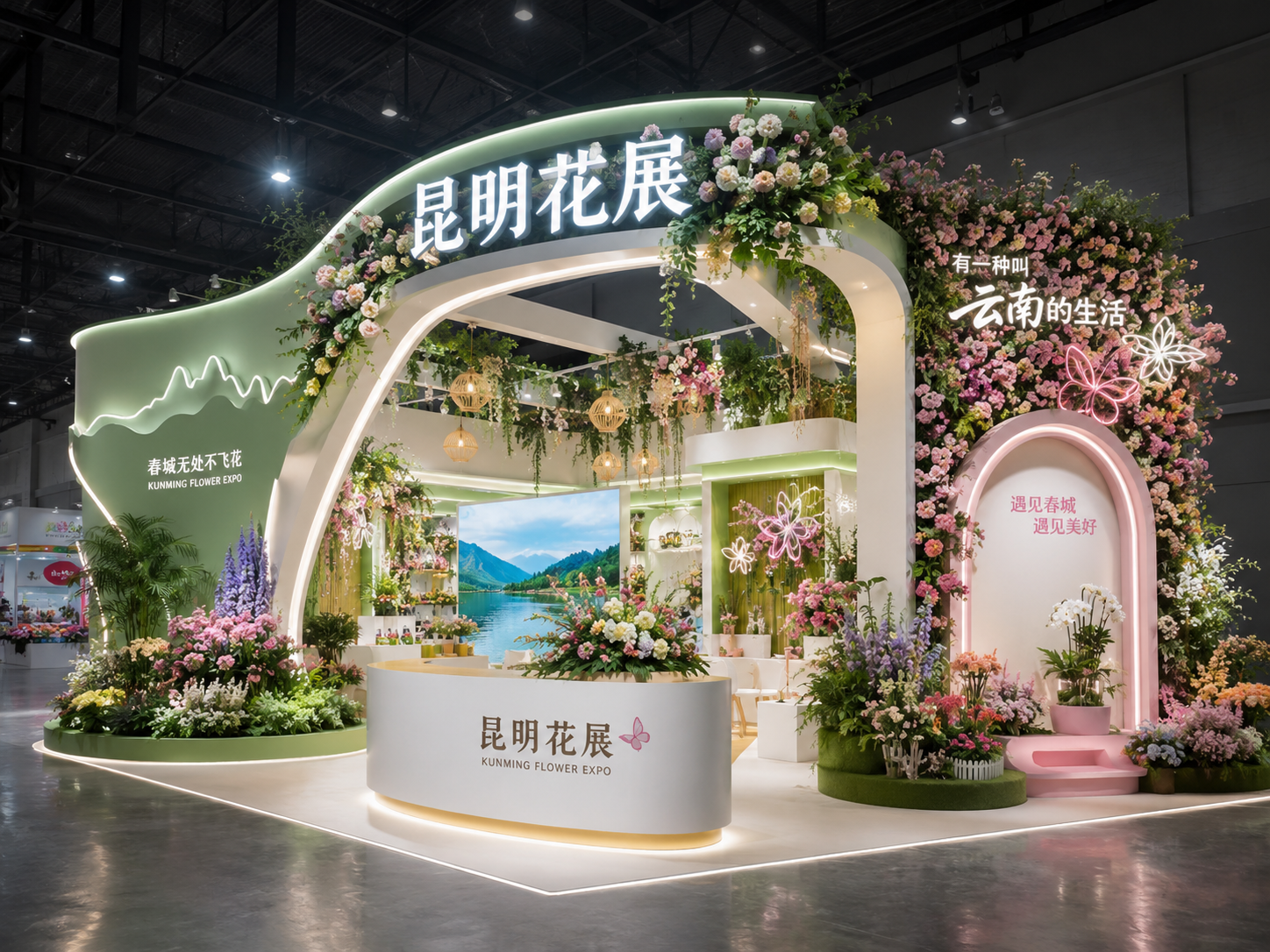
IFEX, the Kunming International Flowers and Plants Expo, occupies 50,000 square meters and is expected to draw more than 30,000 distributors, wholesalers, traders, floral retailers, and online flower sellers. The event covers the full floral industry chain, from propagation material and greenhouse equipment to finished cut flowers and processed floral products. I have walked enough trade floors to know that the concentration itself is the information. When you can compare a Yunnan grower, a logistics vendor, and a packaging supplier within hours, the sourcing decisions become much easier to rank.
What a China Flower Market Entry Point Actually Solves for Buyers
Most sourcing problems in China’s flower trade do not start with poor product. They start with someone buying from the wrong supplier because they could not compare enough options quickly. A useful entry point solves three things at once. It gives you a large enough supplier pool to make meaningful comparisons. You can inspect flowers, plants, or equipment with your own hands. It also puts the technical people in front of you, so you can ask how a grower handles grading, cold storage, and export paperwork.
A spreadsheet cannot show that a rose breeder’s sample bench has better humidity control than the farm two rows away. A factory video cannot tell you how fast a packer responds when a shipment window tightens. A single farm visit gives you depth on one grower but no benchmark. At IFEX, the conversation and the physical sample happen together. That is the core reason I recommend a structured show visit over weeks of remote email threads and isolated farm tours.
If your sourcing plan involves mixed volumes, cold chain requirements, or retail packaging standards, it is worth confirming how a supplier handles your specific order profile before you commit to a shortlist. Send your product category and expected volume to [email protected], and someone can direct you to the relevant hall and supplier types before you travel.
How IFEX Kunming Connects the Full Floral Supply Chain
A flower order seems simple until you map every step between a Kunming greenhouse and a retail shelf in another country. Propagation stock, growing media, cold storage, phytosanitary inspection, carton design, freight routing, and customs documentation all affect whether the flowers arrive in saleable condition. The value of this event is that these links are present in one venue, not described in separate supplier catalogs.
The event also carries a strong knowledge program. Sessions and forums during the show focus on supply development, varietal trends, and the technical conditions that determine flower quality. For a buyer, this is as important as walking the aisles. It means you can hear what breeders and growers are prioritizing before you decide which product categories deserve your order budget.
| Sourcing route | What you can verify in person | Main blind spot |
|---|---|---|
| Online supplier directories | Price lists, photos, email response | Flower quality, production consistency, real export capability |
| Single farm visits around Kunming | One grower’s crop, process, and people | Limited variety and little supplier comparison |
| The show floor | Samples, supply chain partners, contracts across halls | Requires planned time and clear sourcing targets |
In that comparison, the show does not replace a farm audit. It replaces the blind first contact. Buyers who arrive with a defined product profile and a clear list of questions can move faster because the comparison is built into the layout.
Practical Steps to Enter the China Flower Market at IFEX
Approach the show as a decision process, not a catalog walk. These steps keep the visit focused.
- Define your product profile before you travel. Include flower type, stem length or pot size, target market, annual volume, and cold chain constraints.
- Map the halls by category and mark the exhibitors that match your sourcing list. Do not let booth aesthetics decide your route.
- Set a question list for each supplier meeting. Ask about export licenses, phytosanitary history, minimum order quantities, and lead times.
- Inspect samples and compare the same product class across at least three suppliers. Take photos with a reference label so the samples do not blur together later.
- Before leaving the stand, agree on the next step: a written quotation, a farm visit, or a sample shipment. A clear follow up converts the meeting into an order.
Entering the China Flower Market Through IFEX Starts With One Conversation
Most sourcing failures in China flower supply chains do not come from a lack of growers. They come from entering the market without a clear comparison point, a defined product specification, or a reliable logistics path. That is the problem a structured show visit is designed to reduce. The show puts planters, breeders, cold chain specialists, packaging suppliers, and buyers in the same venue for direct conversation.
If you are planning your first cut flower or potted plant sourcing trip, send your product categories, order volume, and target markets to [email protected] or call +86 10 5933 9349. A specific inquiry about your sourcing plan will get a more useful response than a general request for information.
Common Questions About Entering the China Flower Market
Is IFEX only for large importers and wholesalers?
Some buyers assume a large international show is only for big wholesalers. That is not accurate. The exhibitor mix includes growers, breeders, equipment makers, packaging suppliers, and service companies, so the useful conversation depends on your sourcing scope. A florist chain buyer and a supermarket category manager will use the same floor differently, but both can find relevant partners. The main requirement is a clear product brief. Without one, any large exhibition feels like it is built for someone else. Bring your categories, volume range, and quality standard, and the floor becomes a practical sourcing tool.
Can I actually compare enough growers in one visit?
In the trade promotion work I have done, yes. The number of exhibitors matters less than the density of comparable options in one hall. When rose growers, lily specialists, and carnation exporters sit within walking distance, you can check stem length, bud size, vase life claims, and export references in consecutive meetings. This is far more productive than scheduling three farm tours across Yunnan over several days. You still need to verify the most promising supplier later, but you can build a shortlist faster and with better evidence than remote sampling alone.
Do I need to speak Chinese to source effectively at IFEX?
It depends on the depth of the conversation. Price lists, product codes, and many international sales teams operate in English. Factory floor details, phytosanitary experience, and cold chain exceptions sometimes require a Chinese speaker. If your visit is focused on a narrow product range from exporters with established documentation, you can manage with English and prepared questions. If you plan to negotiate complex potted plant sourcing or horticulture equipment, book a translator or attend with someone who knows the local supply chain. The show itself attracts trade visitors from multiple markets, so English is more common than at a provincial wholesale market.
What should I bring to avoid wasting time on unqualified suppliers?
A better question is what proof of export capability you need before spending time with a supplier. Bring your product specification, target market import requirements, annual volume, and preferred logistics terms. Ask each supplier for export licenses, recent phytosanitary certificates, and a clear statement of minimum order quantity. If a stand cannot answer these basics, move on. If the answers match, schedule a follow up conversation or farm visit before you leave Kunming. If you have a defined cold chain route or retail specification, share it with the IFEX team at [email protected] before you travel, and they can confirm which exhibitor categories and forum sessions fit your plan.