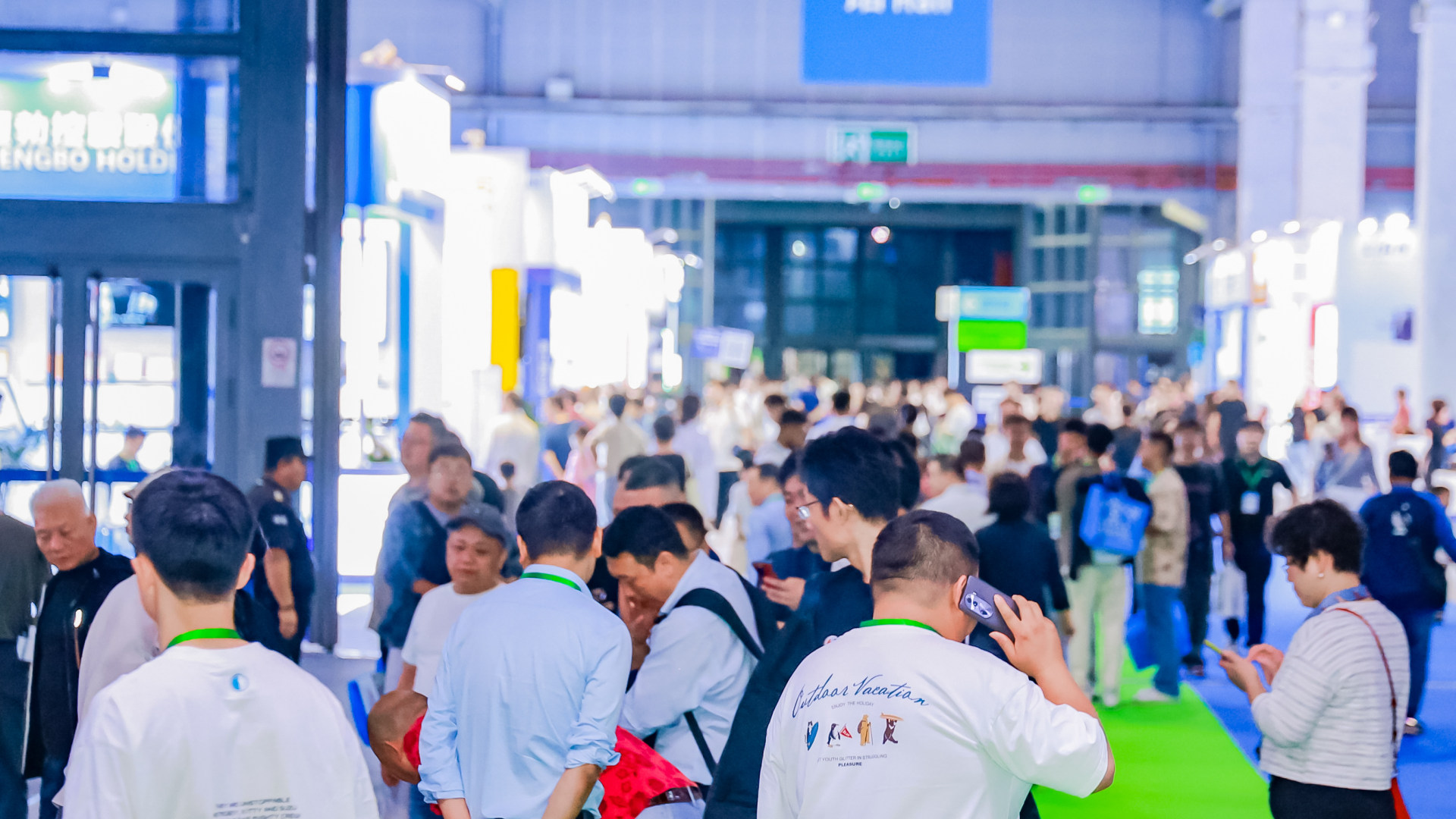

Most sourcing teams understand Shanghai as a trade gateway, but the higher value for engine parts buyers sits in the production belt behind the show floor. Taizhou engine parts manufacturers work across cylinder heads, crankshafts, fuel pumps, timing systems, and OEM replacement lines. At the Shanghai auto show, a buyer can move from cluster overview to supplier meeting in the same afternoon. My work in exhibition marketing has shown that the buyers who prepare a sourcing list before arrival leave with a far shorter supplier audit path. This article maps the Taizhou engine parts offering, the booth qualification points that matter, and the follow up steps that turn meetings into quotations.
Why Does the Taizhou Engine Parts Cluster Matter for Global Sourcing?
Taizhou is not a single factory town. It is a layered manufacturing base where casting, forging, precision machining, pump and valve production, polymer sealing, and mold making sit within short delivery loops. For an engine parts buyer, that matters because a cylinder head supplier, a gasket maker, and a fuel pump manufacturer can often use shared testing and secondary processing resources.
In supplier mapping work, I look for that overlap. It reduces the biggest hidden cost in engine sourcing: coordinating three different vendors with three different inspection standards. The Shanghai show is useful precisely because the Taizhou engine parts cluster is too spread out to cover efficiently by car. One hall gives you the cluster pattern without losing days on factory access roads.
Which Engine Parts Can You Source at the Shanghai Auto Show?
Buyers should not treat Taizhou engine parts as one narrow line. The registered exhibitor base usually covers both structural and flow side components.
| Category | Typical Taizhou offering | Booth verification point |
|---|---|---|
| Rotating assembly | Crankshafts, camshafts, connecting rods, flywheels | Forging process, balancing tolerance, material certificates |
| Cylinder heads and blocks | Cast iron and aluminum cylinder heads, blocks, liners | Porosity testing, machining tolerance, pressure test reports |
| Fuel and cooling | Fuel pumps, water pumps, oil pumps, thermostat housings | Flow curves, OEM fitment, seal material |
| Timing and drive | Timing chains, sprockets, tensioners, belt kits | Link design, coating specification, fatigue test data |
| Engine management | Sensors, actuators, wiring connectors, glow plugs | Signal range, IATF 16949 records |
Structural and Rotating Engine Parts
Cylinder heads, crankshafts, camshafts, and connecting rods sit at the center of the Taizhou machining range. These are not low value commodity castings. A buyer should ask about raw material source, rough machining location, and final inspection equipment. The booth display usually shows the finished part, but the serious conversation starts when the supplier can walk through the processing route without flipping through a brochure. I use one simple test: if the booth engineer can explain the balancing tolerance on a crankshaft in under two minutes, he is more likely to be the person who would handle a corrective action request later.
Flow, Timing, and Control Components
Fuel pumps, water pumps, oil pumps, timing chains, and engine sensors complete the second half of the sourcing map. These components involve more materials integration: seals, bearings, electronic connectors, and sometimes motor windings. For importers, the important distinction is whether the exhibitor manufactures the core pump body in Taizhou or assembles a finished unit from purchased subcomponents. Both routes can work, but they create different pricing and warranty responsibilities. At the Shanghai show, ask for the production routing and the origin of the two highest value subcomponents.
How Do You Shortlist Taizhou Engine Parts Manufacturers at the Event?
Most booths are designed to attract attention. The shortlisting process has to go beneath that. The following points separate a supplier worth a follow up visit from a trading company with a polished display.
- Ask for the plant address and the number of CNC machining centers on the engine parts line. A manufacturer can answer this without checking.
- Request the IATF 16949 or ISO 9001 certificate and, for structural parts, material test procedures for heat lot traceability.
- Check export history by product line, not by company. A supplier may have strong chassis exports but thin engine parts experience.
- Ask for the internal rejection rate and the process for nonconforming material. If the booth staff cannot explain the corrective action loop, move on.
- Confirm whether the booth is the factory, an authorized export arm, or an independent trading company.
This last question matters most. Taizhou has many small and medium manufacturers that do not staff their own export departments. Trading companies are not automatically a problem, but they change the pricing structure and the speed of technical response. In my exhibition work, I have seen buyers confuse a polished booth for direct factory access, only to find after the show that engineering changes had to pass through an intermediary. Settle that detail before you hand over a target price list.
What Makes the Shanghai Show a Practical Sourcing Channel for Engine Parts?
Online catalogs and video factory tours work for initial screening, but they do not replace the physical comparison step. Engine parts are tolerance driven. A buyer can compare a Taizhou crankshaft against a sample from another production basin on the same day without traveling across provinces. The Shanghai platform also concentrates the service layer around the manufacturers: inspection agencies, logistics providers, and trade finance desks are present in the same event ecosystem.
APES Auto Parts Expo Shanghai has applied its Internet plus Exhibition model to this problem for more than ten years. The organizer runs four industry chain exhibitions across more than 60 cities, so the engine parts hall does not sit in isolation from adjacent automotive sourcing categories. That structure puts one component category in a wider supply chain view.
If your program mixes engine parts families with new energy vehicle components or complex sealing requirements, it is worth confirming whether the same Taizhou supplier can handle both conventional and NEV lines before you finalize the bill of materials. Send your commodity list to [email protected] and the team will check which registered exhibitors match it.
How Do You Move from Booth Meetings to Verified Orders?
Leaving the show with a stack of catalogs is not the same as leaving with a qualified supplier base. The gap appears after the event: contact data goes cold, quotation requests are too generic, and no one has matched the part number to the right production line. The practical move is to convert booth notes into a structured sourcing brief before you leave Shanghai. Write down the part number family, annual volume, required material standard, target price, and certification needs. Then put that brief in front of the event matching team rather than sending it to twenty separate sales inboxes.
Send your engine parts list and monthly or annual volumes to [email protected] or call +021-60280788. The APES sourcing team can confirm which Taizhou engine parts manufacturers are registered, arrange a focused walk through schedule, and keep the follow up tied to your qualification criteria instead of a generic mailing list.
Common Questions About Sourcing Taizhou Engine Parts
Is Taizhou a reliable base for engine parts, or is it mainly chassis components?
Taizhou is not a single product label. The city and its surrounding industrial belt span precision machining, pumps and valves, molds, rubber seals, and engine component lines, while nearby Yuhuan and Ruian are better known for chassis and brake parts. For engine parts, look for suppliers whose core production routing includes casting or forging, CNC machining, and pressure testing.
Can I get factory prices at the Shanghai show?
It depends on volume, product family, and whether the booth is the factory, its export arm, or a trading company. If the booth is direct factory staff, you can often negotiate based on raw material cost, machining time, and packaging. If the booth is an intermediary, the quoted price may include coordination margin, and technical changes will take longer to resolve.
Do serious Taizhou engine parts suppliers hold ISO 9001 or IATF 16949?
Many buyers assume that any ISO 9001 certificate is enough for engine parts. For automotive applications, IATF 16949 is the more relevant standard because it covers defect prevention, traceability, and process control. ISO 9001 alone does not demonstrate automotive process capability. Ask for the certificate scope and, for structural parts, the material test report trail.
How do I compare Taizhou suppliers without making separate factory trips?
In trade event programs, I use a three point booth test: direct answers on plant location and machine count, a production routing or process flow on the table, and clear ownership of corrective action. If the supplier passes all three, a later factory visit becomes confirmation rather than discovery. If the supplier cannot pass, do not schedule the visit until the gap is explained.
Is the Shanghai show worth attending for a first time engine parts buyer?
The better question is not whether the show is worth it, but whether you have done enough supplier narrowing to make the visit efficient. A first time buyer often assumes that one show covers all of China. The Shanghai show is most valuable when you arrive with a narrowed supplier list and a part number based brief. If your bill of materials includes several engine part families, share the part numbers and quantities, and we can confirm which registered Taizhou manufacturers can quote against them.
If you’re interested, check out these related articles:
APES 2026 to Redefine Global Sourcing Landscape as Automotive Industry Eyes Resilient Future
Tomorrow World: Innovation Achievement Exhibition and Industry Future Forum
