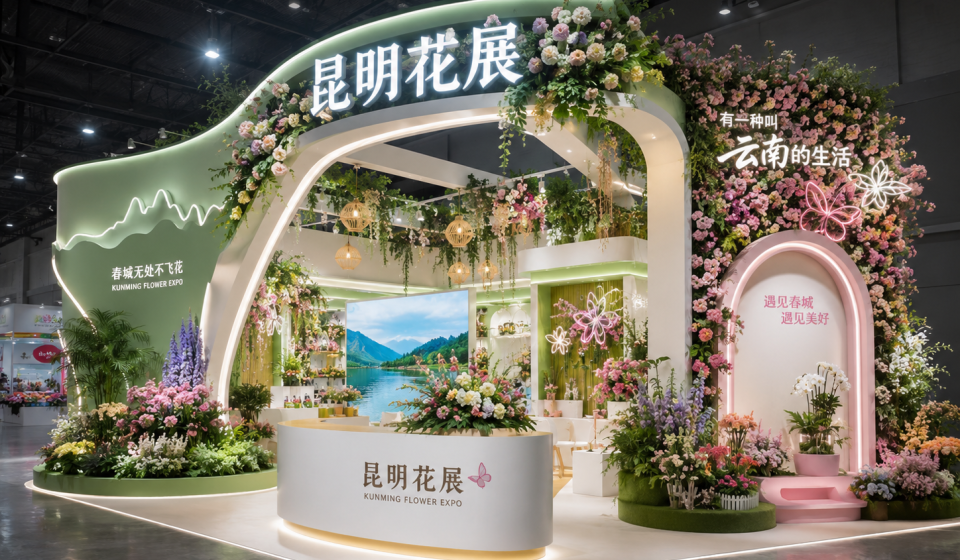

China’s flower consumption shift is no longer a niche story about online startups selling roses on Valentine’s Day. In my work with IFEX Kunming and floriculture supply chains across Asia, I see the change more clearly in sourcing inquiries: buyers now ask for compact mixed bunches, single-stem sleeves, potted orchids, and everyday foliage, not just holiday volumes. The shift from gift-led buying to daily ritual use is changing product formats, variety selection, and replenishment logic. International buyers who wait for holiday spikes will misread the market. The practical next step is to build a product mix and supplier base around frequent everyday demand, then use Kunming’s supply base and IFEX to validate it.
Why Is China’s Flower Consumption Shift Moving From Gifts to Daily Rituals?
For years, China’s cut flower demand concentrated around gift occasions: Valentine’s Day, Mother’s Day, Chinese New Year, store openings, and ceremonial events. Those peaks still exist. What has changed is the volume moving to ordinary weekdays. I hear this in buyer conversations at IFEX Kunming. A distributor who once talked only about holiday campaigns now asks whether a grower can ship compact mixed bunches every week. That is a sourcing signal, not just a consumer story.
What Is Driving Self-Purchase Flower Demand?
Self-purchase now comes from home decoration, office desks, and small personal rituals. Urban consumers with smaller living spaces still buy flowers, but they buy fewer stems at a time. Online platforms and neighborhood florists shortened the purchase path. Fast delivery and mobile payment removed friction. The strongest driver is convenience. A consumer who buys three times a month with a smaller basket creates a different demand pattern than someone who buys once for a gift.
Which Consumer Segments Are Leading the Daily Ritual Shift?
Young urban professionals, office workers, and young families set the pace. Tier-1 and tier-2 cities lead, while lower-tier cities follow through e-commerce channels. In the buyer meetings I have sat in, the shared observation is that self-purchase no longer belongs to a narrow group. Women account for a large share of home flower buying, but men buy for workspaces and apartments as well. For sourcing teams, that means the customer base is wider than the old gift audience.
What Does Daily Ritual Buying Change About Product Mix and Variety?
The product shift is concrete. Gift demand rewards large statement bouquets, premium wraps, and classic roses, lilies, and carnations. Daily ritual demand rewards smaller units, broader variety, and lower waste per transaction. That changes what buyers should put in a sourcing brief.
| Sourcing variable | Gift-led model | Daily ritual model |
|---|---|---|
| Demand shape | Holiday spikes | Frequent replenishment |
| Product format | Large bouquets, premium wraps | Compact mixed bunches, single stems |
| Variety mix | Classic gift varieties | Broad range, foliage, potted plants |
| Packaging | High-decoration gift wrap | Low-cost protective sleeves, stackable cartons |
| Order logic | Campaign-driven volume | SKU rotation and repeat orders |
Which Varieties Fit Daily Self-Purchase Rather Than Holiday Gifting?
Mixed bunches of spray roses, lisianthus, alstroemeria, carnations, and seasonal fillers work well. Potted orchids, succulents, anthurium, and foliage also fit the everyday shelf. In daily ritual buying, vase life and uniformity matter more than rare exclusivity. If a variety cannot handle seven to ten days in a home vase without specialist care, it creates repeat purchase failure. That failure is worse for daily demand than for holiday demand because the next order is only days away.
How Does Packaging Change for Everyday Flower Buying?
Everyday packaging has to be cheaper, protective, and stackable. Gift wraps inflate cost. Daily bunches need sleeves, hydration packs, and carton formats that fit last-mile delivery. Suppliers who only have gift packaging struggle to serve frequent replenishment. At IFEX, I look for growers who show both the stem and the pack format, because packaging often determines whether a daily ritual order can survive the final delivery leg.
If your product brief still assumes holiday peaks, it is worth confirming the SKU split and package format before finalizing your supplier list. Share your target weekly volume and packaging requirements with [email protected].
How Is Yunnan’s Supply Base Adapting to Frequent Replenishment?
Kunming is China’s largest cut flower production and distribution center, and the surrounding Yunnan growing zones from Kunming to Yuxi and Tonghai supply much of the country’s fresh-cut volume. The adjustment to daily ritual demand shows up in collection, pre-cooling, and transport. Growers who used to prepare large holiday shipments now run smaller batches through humidified cold chain more often. That is a different rhythm, and it changes the questions buyers need to ask about post-harvest handling.
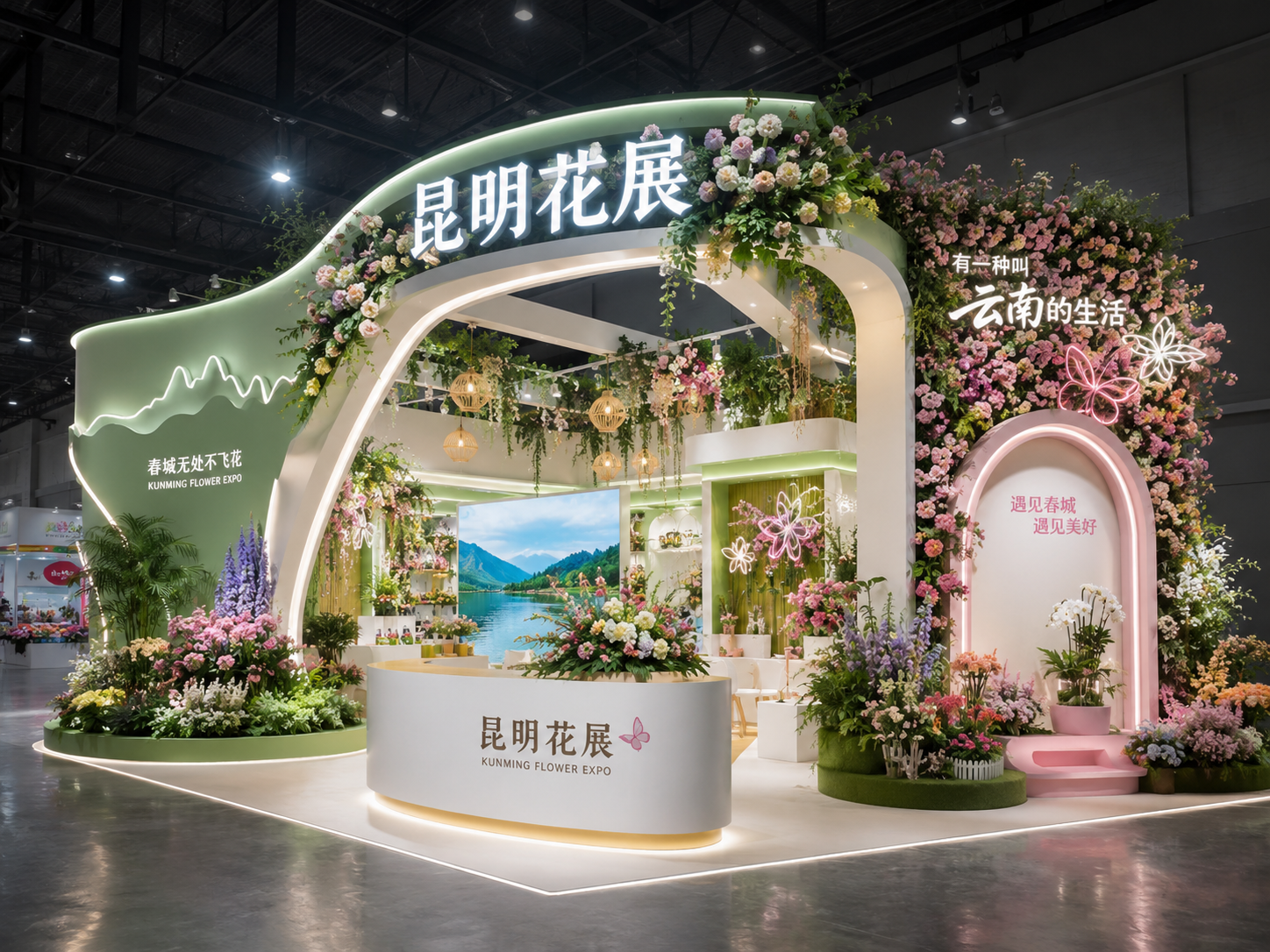
Dounan Flower Market in Kunming acts as Asia’s largest fresh-cut flower trading hub. Its consolidation role matters because daily ritual demand is fragmented. A retailer may need many small lots from different growers in one shipment. Consolidators and export packers sort that complexity before cartons leave Yunnan. IFEX Kunming puts buyers in front of these supply chain partners. The show covers 50,000 square meters and expects over 30,000 distributors, wholesalers, traders, floral retailers, and floral e-commerce players, which makes it a concentrated place to check who can handle frequent, smaller consolidations.
What Should International Buyers Source Differently for Daily Ritual Demand?
The old sourcing logic treats flowers as campaign inventory. Daily ritual demand treats flowers as recurring retail inventory. That changes order structure, supplier selection, and quality checks.
How Should Buyers Rethink Order Structure for Frequent Replenishment?
Place smaller trial orders first, then build repeat purchase schedules around stock turn rather than single festival spikes. Source a stable core of everyday SKUs and leave a smaller share for seasonal rotation. Compare suppliers on consistency across three or four cuts, not only on a single show sample. During inspection, look at stem length, uniformity, dehydration, and packaging integrity under stacked cartons. A supplier that can maintain those factors over weekly shipments is more valuable than one that only delivers a perfect holiday batch.
If your program spans multiple retail channels with different vase life expectations, confirm cold chain handoff points before locking your supplier list. Send the channel mix and target order cadence to [email protected], and the IFEX team can match you with exhibitors who already serve daily replenishment accounts.
Why Does IFEX Kunming Matter for Validating the Daily Ritual Shift?
You cannot validate this shift from market reports alone. A report can tell you that self-purchase is rising. It cannot show you whether a specific grower’s mixed bunch will arrive intact in your climate. IFEX Kunming covers the whole floral industry chain and gives buyers face-to-face access to planters, trade visitors, experts, and floral masters. The forums and activities also share insights from people who set floral trends.
For sourcing managers, the floor visit is a test environment. You can compare product formats side by side, ask about weekly replenishment packaging, and check whether a supplier’s daily-ritual claims match its physical samples. That is the difference between reading the shift and buying against it.
If your current sourcing plan still anchors to holiday peaks, the daily ritual shift will erode your product mix before you notice it. Kunming’s supply base and the expo’s exhibitor pool are where that risk turns into a concrete sourcing brief. Send your target varieties, weekly volume assumptions, and package type to [email protected], or call +86 10 5933 9349, and request a list of exhibitors matched to your daily-ritual product requirements.
What Do Buyers Ask About China’s Flower Consumption Shift?
How Durable Is the Daily Ritual Shift, or Will Gifting Return to Dominate?
Daily ritual buying is not replacing gifting. It is adding a second demand layer that changes replenishment. Holiday spikes still matter, but their share of the growth opportunity is narrower than before. A buyer who ignores the everyday layer is choosing to leave the fastest-moving inventory on the table. The stronger position is to build a core daily-ritual range and keep holiday programs as campaigns layered on top.
Does This Shift Apply Outside Top-Tier Cities?
It depends on logistics density and retail format. In tier-1 and tier-2 cities, cold chain and last-mile networks make daily flower buying practical. In lower-tier markets, adoption moves through e-commerce and tends toward longer-lasting potted plants and preserved or dried options first. If your customer base is concentrated outside major cities, start with shelf-stable formats before building a fresh-cut daily program.
Which Supplier Capability Matters Most for Daily Ritual Orders?
Many buyers assume variety availability matters most. In practice, vase life consistency and packaging for last-mile delivery matter earlier. A wide catalog is not enough if stems arrive dehydrated or sleeves crush in transit. Ask suppliers to walk through their pre-cooling steps and show the actual pack format, not just the flower. That separates growers with daily-order capability from those with holiday capacity.
Can a Buyer Validate Daily Ritual Demand Without Visiting Kunming?
In programs I have followed, sampling from catalogs misses the practical details that decide whether a SKU works in weekly replenishment. A visit to the expo lets you check stem uniformity, hydration packs, and carton formats before you commit. It also lets you compare suppliers in one trip instead of through months of slow correspondence. Share your weekly volume assumptions and package requirements with [email protected], and the team can confirm which exhibitor categories fit your daily-ritual product mix.