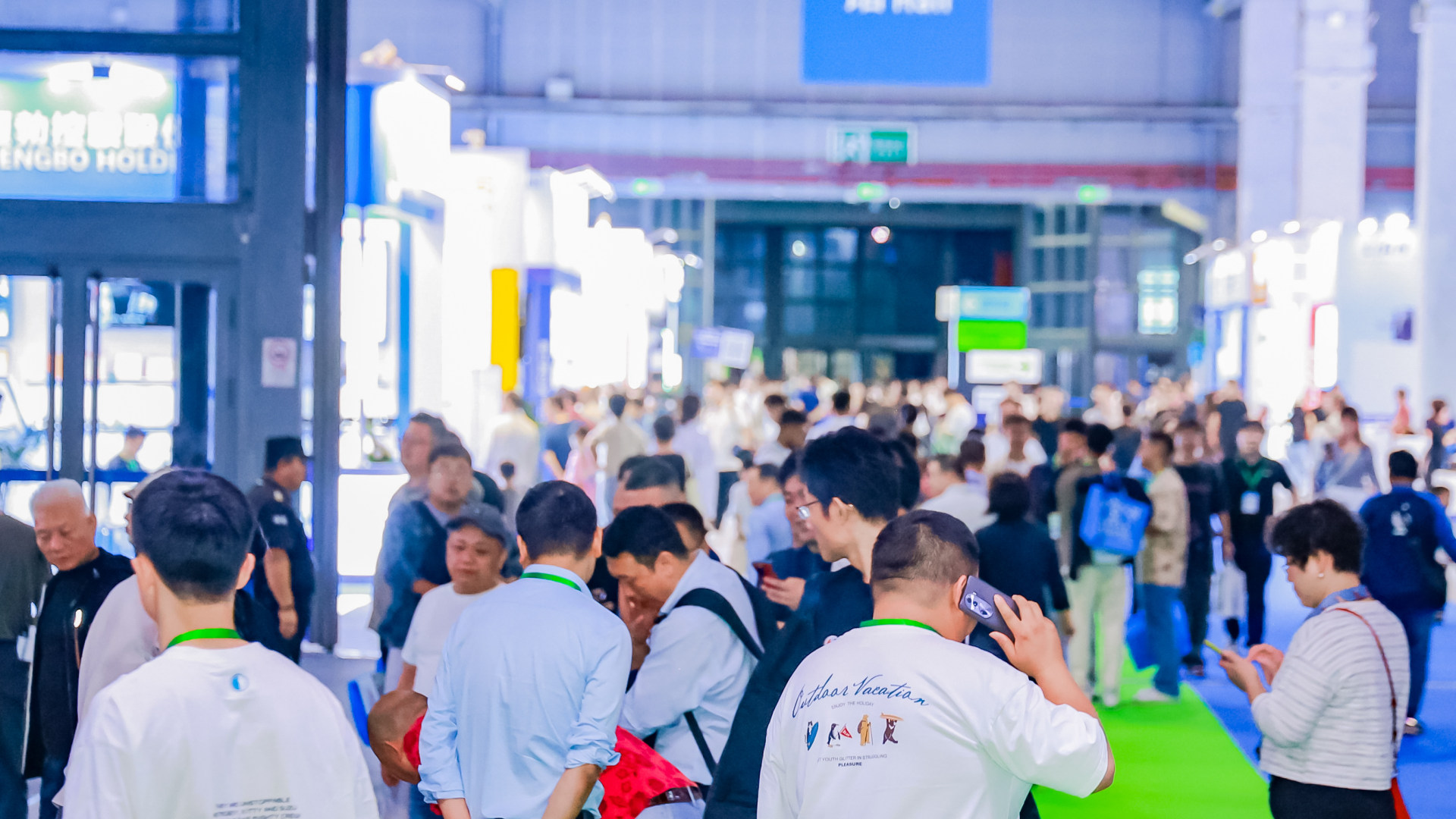

Zhejiang NEV parts manufacturers do not lack production capability. They lack a buyer qualification environment that separates serious export programs from individual RFQs. When a Shanghai show is used correctly, it functions as that filter: engineers, procurement teams, and aftermarket buyers walk the aisles with category checklists, and the suppliers who match those checklists leave with structured follow ups. After ten years of planning automotive trade exhibitions, I would treat Shanghai not as another local booth opportunity but as the fastest way to test whether a Zhejiang line can hold a global conversation.
Why Should Zhejiang NEV Parts Manufacturers Exhibit in Shanghai?
Zhejiang runs on dense industrial clusters. Ningbo, Taizhou, Wenzhou, Ruian, and Yuhuan produce overlapping capability in casting, machining, stamping, electronics, and plastic injection. That density keeps cost and response time competitive, but it also means local trade events often turn into regional supplier gatherings where the same companies meet the same buyers. Shanghai changes the composition of the aisle. International sourcing teams route their China trips through Shanghai because it compresses hotel, visa, and logistics planning into one city.
APES Auto Parts Expo Shanghai adds an online plus offline exhibition layer to that concentration. The organizer runs internet based exhibition operations across more than 60 cities and brings structured buyer matching to the floor. For a Zhejiang NEV parts manufacturer, the value is not the booth itself. It is the chance to place a high voltage connector, battery structural part, or electric motor shaft next to a documented process and a person who can answer tolerance questions on the spot.
Which NEV Product Categories Should Zhejiang Suppliers Put in Front of Buyers?
Buyers do not compare suppliers at the company level first. They compare at the part level. A Zhejiang NEV parts manufacturer should arrive with a short list of components that match the region’s actual process base, not a broad catalog of everything the factory can try.
Which NEV components can Zhejiang suppliers realistically sell into export programs?
High voltage wiring harnesses, battery structural parts, thermal management components, electric motor shafts, charging guns, and power electronics housings are the categories I see generating the most specific buyer questions at Shanghai. These parts share a common requirement: material traceability, insulation or sealing evidence, and tolerance control under load. Zhejiang clusters are strong here because the processes already exist across multiple sub suppliers within 200 kilometers.
Should a supplier bring prototypes or production samples to Shanghai?
Production samples win more serious conversations. Prototypes show capability, but buyers writing an export program need to see the process that produced the part. Bring one production part, one cutaway or sectioned sample, and the measurement report. If the product is high voltage, add the insulation resistance or partial discharge test summary. That turns a booth visit into a qualification discussion instead of a price exchange.
How Does a Shanghai Booth Plan Differ for Zhejiang Cluster Suppliers?
Most booth mistakes in this segment come from treating Shanghai like a domestic district show. A Zhejiang cluster supplier often fills the back wall with factory photos and lists every product code. International NEV buyers walk past that because it asks them to do the sorting work. A better booth works like a test bench. Start with one working assembly, then document the process steps, then place the quality evidence where the buyer can read it without asking.
If your program involves high voltage connectors or battery structural parts, it is worth confirming aisle power supply, safety clearance, and rigging limits before finalizing the booth layout. Share your product category and target buyer region with [email protected] and we can check those parameters against the Shanghai floor plan.
Also, reduce the number of takeaways. One A4 supplier profile sheet with cluster location, in house processes, export markets, and the contact person works better than three catalogs. Buyers at a Shanghai NEV sourcing show collect a large number of documents in a day. A compact sheet that answers the qualification questions in the first twenty seconds has a much higher chance of surviving the evening review.
What Booth Packages and Costs Should a Zhejiang NEV Supplier Compare?
Cost comparison cannot stop at the square meter rate. Shell scheme booths include basic walls, fascia, lighting, and furniture, which suits first time exhibitors who arrive with samples and documentation rather than a large machine. Raw space gives more control over the structure but brings separate costs for electricity, rigging, flooring, and stand construction. The right choice depends on what the buyer needs to see in the aisle.
| Package type | What you get | Best for |
|---|---|---|
| Standard shell | Walls, fascia, lighting, basic furniture, exhibitor listing | First time exhibitors with samples and one meeting table |
| Enhanced shell | Upgraded fascia, stronger lighting, cabinet, additional graphic area | Suppliers that need a more finished brand presentation |
| Raw space | Floor area only | Established exhibitors with custom structures, product displays, or live demonstrations |
| Shared pavilion | Clustered space with regional or category partners | Smaller factories joining a Zhejiang cluster group |
Should a first time Zhejiang exhibitor choose shell scheme or raw space?
Shell scheme is the safer default. It lowers the logistics and construction burden and keeps the team focused on buyer conversations. Move to raw space only when the product cannot be shown properly inside a standard booth or when you already have a repeat Shanghai plan and a contractor you trust.
How Do You Turn Shanghai Exhibition Conversations Into Qualified Export Leads?
Lead conversion at a Shanghai show fails long before the quote stage. A supplier collects thirty business cards, sends the same PDF to everyone, and then cannot explain why only three replies came back. The miss happens at qualification. For every visitor, record the product category, target market, certification status, annual volume band, and decision stage. If two of those five are missing, the lead is not warm yet.
After the show, respond in 48 hours with a short email that restates the part, attaches the sample photo and measurement summary, and lists the next technical question. Buyers who attended a Shanghai NEV sourcing show are usually comparing several suppliers from the same region. The suppliers who follow up with technical continuity, not price pressure, are the ones who stay in the short list.
That is the point of the exercise. A Zhejiang NEV parts manufacturer should not book a Shanghai stand to be seen. Book it to run a qualification cycle against global buyers and then follow up on evidence. Send your preliminary part list, target buyer region, and booth size requirement to [email protected] or call +021-60280788. We can confirm the floor options and pre show buyer matching steps before you commit to a booking.
What Do First-Time Zhejiang NEV Exhibitors Ask Before Booking?
How early should a Zhejiang NEV parts manufacturer reserve Shanghai space?
Twelve months out is the practical window for a first time exhibitor, especially if the booth needs raw space or a corner location. Smaller shell schemes can sometimes be secured six months before the show, but the best aisle positions and cluster pavilion slots go earlier. The reservation date matters because Shanghai trade show logistics, visa letters, and hotel blocks all move faster than local events. A late booking often leaves a supplier with a booth that is technically available but placed far from the buyer flow.
Do buyers at a Shanghai auto parts show visit Zhejiang cluster suppliers specifically?
Buyers do not usually ask for Zhejiang by name, but they recognize the cluster names once they appear on a supplier profile. Ruian, Yuhuan, Wenzhou, Taizhou, and Ningbo trigger associations with brake parts, chassis components, electronics, lighting, and precision machining. The region matters because it shortens the buyer’s audit logic: multiple processes within close distance reduce logistics and quality coordination risk. A supplier should therefore make the cluster origin visible in the booth header and the supplier profile sheet, not only in the company name.
Can a first-time exhibitor get factory price conversations without a local middleman?
It depends on the buyer type. Aftermarket importers want factory direct pricing and often prefer a supplier who can quote ex works quickly. OEM and tier one sourcing teams care less about the word middleman and more about process control, documentation, and audit readiness. A Shanghai show gives both groups face to face access, which is what makes the conversation different from an inquiry on a marketplace. The supplier still needs to decide before the show which buyer type it can actually serve.
Is Shanghai better than Ningbo for NEV parts sourcing exposure?
In the programs I have worked on, Shanghai has usually been better for first contact with international NEV buyers because the audience is broader and the trip planning is simpler for overseas visitors. Ningbo works well for regional aftermarket and domestic chain contacts, but it does not always pull the same cross border sourcing teams. If the goal is to test a high voltage or battery structural line against export expectations, Shanghai offers the more direct reading. Share your part list and we can confirm which buyer groups will be present before you commit to a booth.
If you’re interested, check out these related articles:
Tomorrow World: Innovation Achievement Exhibition and Industry Future Forum
APES 2026 to Redefine Global Sourcing Landscape as Automotive Industry Eyes Resilient Future
