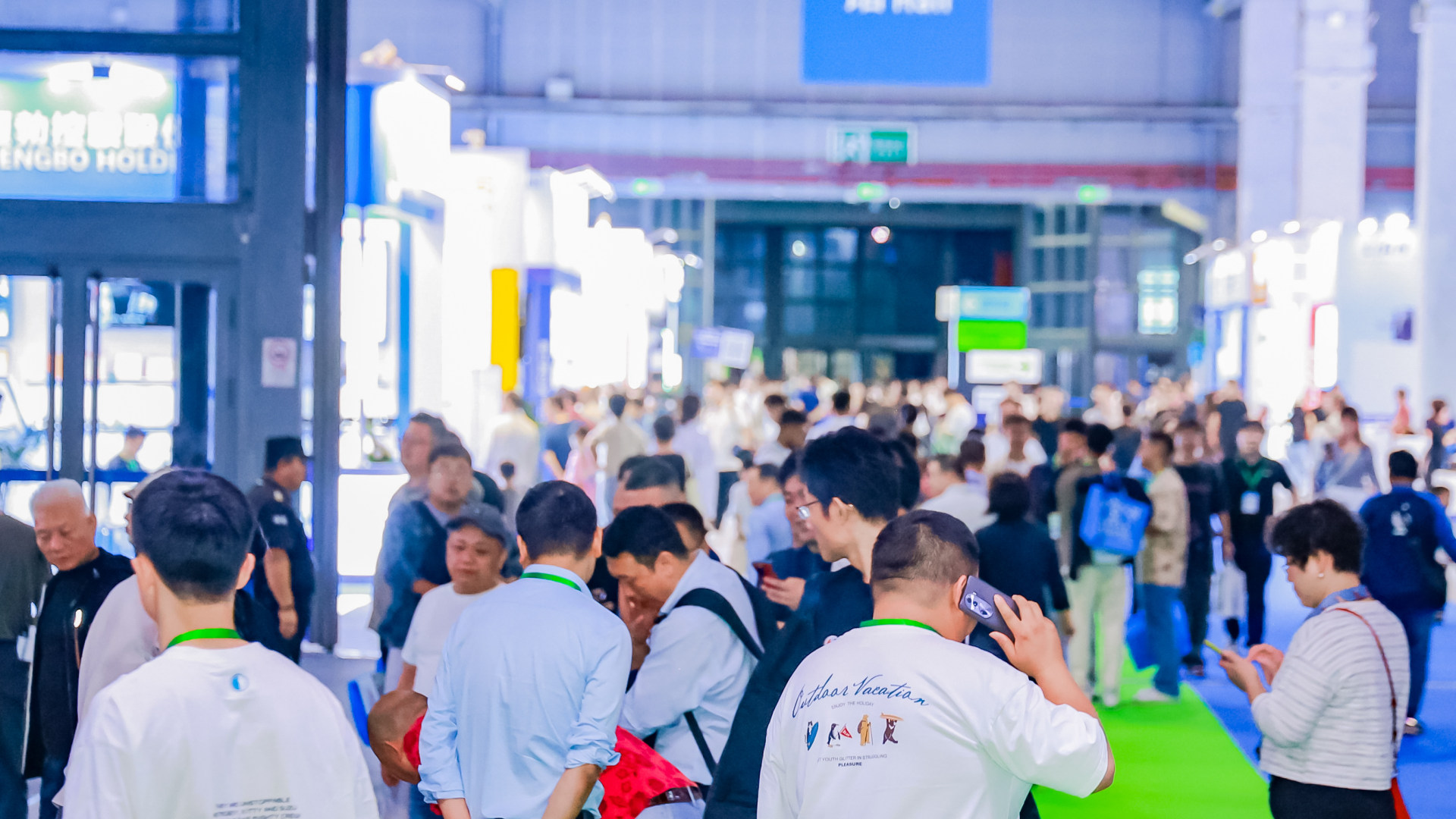

Most auto parts manufacturers do not lose export orders because of product quality. They lose them because buyers cannot verify that quality in a first conversation. A China auto parts exhibition compresses that verification into one working week, provided the exhibitor arrives with the right documentation, the right booth format, and a clear route from handshake to quote. I have spent more than a decade in automotive aftermarket trade fairs, and the difference between a contact list and an order book is almost always preparation, not product. This article maps the practical decisions that turn exhibition floor time into export pipeline.
Why Does a China Auto Parts Exhibition Still Beat Online Sourcing?
Online platforms solve price discovery, but they do not solve qualification. A buyer comparing a crankshaft photo on a screen can verify price, dimension, and lead time only if the supplier has already built enough confidence to send technical documents. The moment tolerances, material composition, or coating standards matter, the conversation shifts from unit cost to engineering review. That review is faster when the buyer can hold a sample, watch a supplier open a drawing, and question an engineer across a table.
At a China auto parts exhibition, the floor is arranged around industrial clusters. Yuhuan chassis manufacturers, Ruian brake component producers, and Wenzhou electronics suppliers are not scattered randomly. They sit by product logic, which means a buyer walking one hall can evaluate several suppliers for the same part family in a single morning. That density does not exist in a search result page, and it may not exist in a three-city factory visit. The compressed comparison is the real value.
I have watched the same dynamic repeat across multiple show cycles. An overseas buyer enters with a list and wants to know whether a supplier can hold position after position. The suppliers that answer with tolerance sheets and batch inspection records move to shortlist. The suppliers that answer with generic capability statements do not. Online sourcing filters for price. The exhibition filters for production discipline.
What Do Auto Parts Manufacturers Gain by Exhibiting in China?
Exhibiting at a China auto parts exhibition puts a manufacturer in front of buyers who are already in sourcing mode. The same buyer may later check Alibaba for reference prices, but the exhibition conversation starts from component category, target market, and certification status. That is a different starting point, and it changes the negotiation.
Manufacturers in the aftermarket and OEM channels gain outcomes that catalog listings rarely produce. Buyers who need to see physical parts before issuing a trial order can complete that inspection in minutes. Specification questions from multiple markets arrive in one week, which sharpens product development and technical documentation. A supplier also learns which differentiation signals matter. The buyer may ignore a glossy brochure and ask for the coating process, the packaging logic, or the capacity behind a particular part family.
If your program involves EV components, braking systems, or chassis parts with certification requirements across multiple markets, it is worth confirming which buyer delegations and product zones match your component category before you commit to booth space. Send your target buyer region and part category to [email protected] and the team can check zone placement against current registration data.
Which Industrial Clusters and Product Categories Matter Most at a China Auto Parts Exhibition?
China’s auto parts supply base is not one undifferentiated factory. It is a set of regional clusters, each with a specialized component focus. A buyer who understands this map will spend less time walking and more time evaluating. A manufacturer who understands it will position a booth where the strongest buyers for its category already expect to look.
| Cluster | Typical product categories | Buyer conversation focus |
|---|---|---|
| Yuhuan | Chassis parts, control arms, steering knuckles | Tolerance stability and batch consistency |
| Ruian | Brake pads, discs, calipers, ABS sensors | Material compliance and certification |
| Wenzhou | Auto electronics, switches, wiring harnesses | OEM/OES compatibility and design flexibility |
| Changzhou | Lighting, bumpers, LED modules | Photometric compliance and thermal performance |
| Qinghe | Oil, air, and cabin filters | Filtration efficiency and replacement intervals |
| Shiyan | Commercial vehicle and truck components | Load ratings and fleet service life |
These clusters matter because buyers organize their supplier visits by component family. A Southeast Asian distributor looking for brake parts will ask to see Ruian suppliers first, then compare. A European aftermarket buyer may focus on Wenzhou electronics and Changzhou lighting. The cluster structure means the exhibition is searchable by trade logic, not just by booth number.
New energy vehicle parts now cut across several of these clusters. High voltage wiring harnesses, EV charging gun components, battery structural parts, thermal management modules, and electric motor shafts often come from different regions than their internal combustion equivalents. A manufacturer entering the NEV export segment should not assume the old cluster map still applies. It is worth checking which hall sections carry NEV components and which buyer programs focus on that segment.
How Should You Plan Booth Format and Budget at a China Auto Parts Exhibition?
Booth format is an export strategy decision, not a decoration decision. Shell scheme booths include walls, fascia, lighting, and basic furniture. They suit first-time exhibitors who need a controlled, low-variable setup. Raw space costs less per square meter, but the exhibitor manages stand construction, power, flooring, storage, and compliance. That difference affects not only budget but also how much time the team spends on stand operations instead of buyer conversations.
Budget planning should start from the buyer outcome, not from the square meter price. A manufacturer with a complex product line and technical documentation may need meeting space, sample display, and a private table for drawings. A manufacturer with one high-volume part family may need a simpler booth and more time walking the hall. I have seen companies over-invest in stand design and under-invest in staff training. The booth stops visitors. The staff qualifies them. The second failure is more expensive.
Before signing a booth contract, ask for a floor plan with zone placement, aisle position, and adjacent categories. Ask which buyer delegations are confirmed for your product category. Ask what documentation the organizer needs for the directory listing, because that listing often reaches buyers before the show opens. If the answer is vague, treat that as a sourcing risk.
Where Do You Take the Next Step at APES Auto Parts Expo Shanghai?
A China auto parts exhibition becomes an order pipeline when you treat it as a qualification meeting rather than a display. The manufacturers who leave with quotes are the ones who arrived with documentation, a clear component category, and a target buyer profile. If you are weighing a first booth or expanding into a new component category, send your part category, target buyer region, and current certification list to [email protected], or call +021-60280788. The APES team will confirm zone placement, available booth formats, and whether your product line fits the buyer delegations already registered. The next step is not a sales call. It is a floor plan review.
What Do First-Time Exhibitors Ask Before Booking Space?
Is a China auto parts exhibition worth it if we already sell through Alibaba or established distributors?
Yes, because an exhibition solves a different problem. Online platforms lower discovery cost, but they rarely close a technical qualification for high-value or safety-relevant components. A booth lets a buyer inspect part geometry, material documentation, and the sales engineer’s competence in one meeting. Distributors may protect existing lines and hesitate to push a new supplier. Exhibition buyers are more likely to be actively comparing suppliers for a specific need. If your margins disappear in price-only online channels, use the show to convert technical buyers into direct accounts.
Do buyers really visit first-time exhibitors, or do they stay with established suppliers?
That concern is common, but it misreads how exhibition buyers walk the floor. A buyer who needs a new source for a brake component or a chassis part will check the cluster zone, not the badge. First-time exhibitors gain attention when they show a clearly defined product category, a technical sample, and pricing logic that fits the target market. A polished booth matters less than immediate clarity, but buyers must identify what you sell within seconds. If you hide behind a broad company statement, they walk past. If your booth says what you make and the markets you serve, discovery happens quickly.
How much does a booth cost at a China auto parts exhibition?
It depends on whether you choose shell scheme or raw space, and on the hall position, floor area, and included services. Shell scheme packages bundle walls, fascia, lighting, and furniture, which reduces separate vendor coordination. Raw space costs less per square meter but requires construction, power, flooring, and stand management. Additional budget goes to samples, printed technical documents, and staff. The practical question is not the square meter price alone. It is the total cost to have a qualified buyer conversation at your booth. Confirm what the organizer includes before comparing packages.
What first-year mistake should a manufacturer avoid at APES Auto Parts Expo Shanghai?
In pre-show briefings with first-time exhibitors, the mistake we see most often is collecting business cards but not buyer context. The team records names without the buyer’s component need, target region, certification requirement, or next-step commitment. Follow-up becomes generic. We ask exhibitors to write one structured note per conversation: part, region, technical concern, and action. Suppliers who do this convert more show conversations into post-show quotes. Share your requirements with [email protected] and we will confirm which product zones and buyer programs match your component category.
If you’re interested, check out these related articles:
APES 2026 to Redefine Global Sourcing Landscape as Automotive Industry Eyes Resilient Future
Tomorrow World: Innovation Achievement Exhibition and Industry Future Forum
