
Electronic grade ethanol specifications define the purity window a batch must meet before it can touch a wafer line, and the limits that matter most are not the ethanol assay alone. In fuel ethanol work we measure concentration and water. In semiconductor cleaning, the specification shifts to nonvolatile residue, metals, aldehydes, and particulate behavior after drying. The gap between industrial alcohol and electronic grade is a purification and handling problem, not a feedstock problem. That upstream control perspective is what this article covers, with the impurity classes and release criteria that matter for fab qualification.
Electronic Grade Ethanol Purity Requirements
Electronic grade ethanol is not fuel ethanol with a higher assay. It is a low-residue cleaning solvent for wafer drying, photoresist processing, and precision parts cleaning. The release specification is application driven. A front-end cleaning step may tolerate trace water differently than a final rinse before drying, and a supplier cannot resolve that choice with a single generic certificate.
| Parameter | Typical electronic grade release window |
| Ethanol assay | 99.5% minimum, with high-purity grades commonly 99.9% or higher |
| Water | Below 0.1% in most electronic grade datasheets |
| Nonvolatile residue | Single-digit ppm after evaporation |
| Specified metals | Low ppb per element for sodium, potassium, iron, calcium |
| Acidity and aldehydes | Application-specific ceilings, tight for acid-sensitive cleaning |
These values are not a universal standard. They reflect the release windows that appear in electronic grade solvent specifications, and fabs routinely hold tighter limits for front-end cleaning. The assay number receives the most attention, but in a cleaning application the failure that matters is what remains after the ethanol evaporates.
Impurity Classes That Drive Semiconductor Cleaning Risk
Water is the easiest impurity to understand and the hardest to keep out. Electronic grade ethanol is hygroscopic, and moisture absorbed during transfer or storage can leave drying defects on hydrophilic wafer surfaces. Nonvolatile residue is more dangerous in practice. Even a single-digit ppm residue level can form a thin organic film after evaporation, which is why fabs test residue, not just composition.
Metals behave differently from organic residue. Sodium and potassium are mobile in an electric field, iron and copper can shift electrical characteristics, and calcium can remain as a particulate. The limits are expressed per element in ppb, not as a single total metals number, because a few ppb of sodium may be unacceptable while a similar level of a less mobile species is tolerable.
Aldehydes and ketones are a separate class because they can react with photoresist or leave carbonyl residues. Particulates are controlled by submicron filtration and clean packaging, but they require a different supply chain discipline than distillation alone. Water and residue are the two parameters that qualify a batch for fab use, but they fail for different reasons. Water defects show up immediately in drying. Residue defects show up later as yield drift. Most datasheets list both, and a buyer who only compares assay is comparing the wrong column.
Feedstock, Distillation, and Purification for Electronic Grade Ethanol

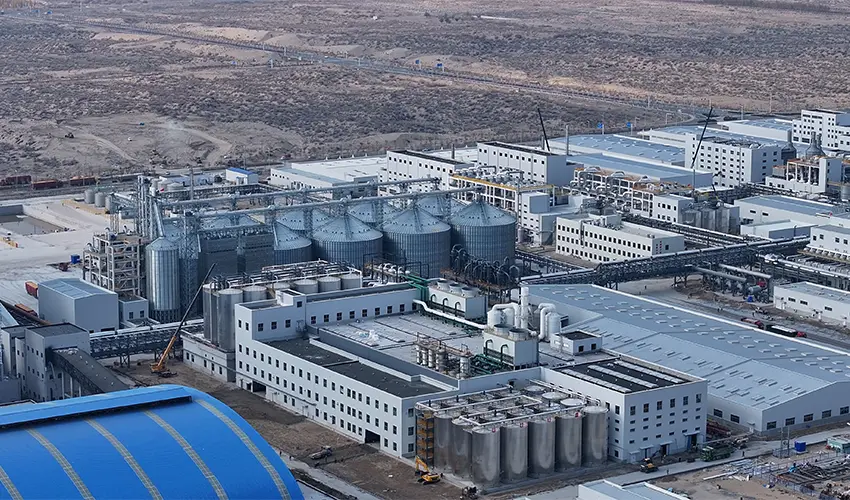
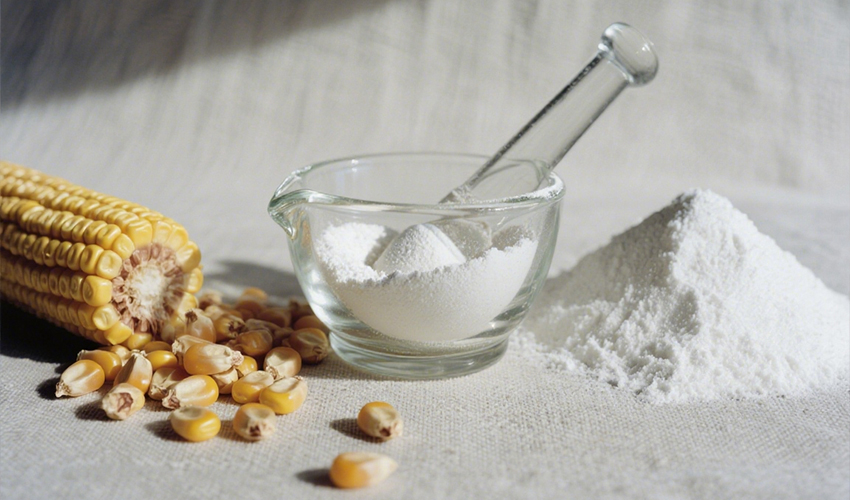
Grain-based ethanol begins with corn receiving, milling, liquefaction, saccharification, fermentation, distillation, and dehydration. For electronic grade ethanol, the front end looks familiar. The difference is what happens after the rectification column. The product must pass through additional purification steps that reduce polar and ionic impurities, followed by clean packaging.
In the alcohol projects we have evaluated, the same corn receiving and fermentation block can serve fuel ethanol or high-purity industrial alcohol. The purification train and clean handling systems are what separate the two. A fuel ethanol plant configured for high recovery will not automatically meet electronic grade limits, but the upgrade path is clearer than starting from a synthetic route. For water removal, molecular sieve dehydration is common. For ionic and residue control, ion exchange, activated carbon, and submicron filtration follow. That same integration matters because waste streams from purification must not reintroduce impurities.
Qualification and Batch Release Documentation
Supplier qualification for electronic grade ethanol should not begin with a brochure. It begins with a lot-specific certificate of analysis that includes GC purity, water content, nonvolatile residue, acidity, aldehyde and ketone content, and per-element metals by ICP-MS. The certificate is only meaningful if the packaging environment and transfer path are also documented.
Ask for change control on packaging materials, filtration media, and storage conditions. A supplier that changes bottle resin or transfer line material without notice can change the impurity profile without changing the product specification. If your program specifies wafer cleaning with low sodium and potassium limits, it is worth confirming the packaging environment and submicron filtration before finalizing the BOM. Send your target impurity profile to [email protected].
Sourcing Electronic Grade Ethanol With Full Traceability
Choosing a supplier from a datasheet does not answer whether that ethanol stays clean through packaging and transfer. Supplier qualification should require lot-specific CoA, packaging material controls, and change notification. At AGRIFAM, our alcohol engineering work focuses on grain-based ethanol trains with controlled purification and clean transfer paths. If you are qualifying electronic grade ethanol for wafer cleaning, send your target impurity profile and packaging requirements to [email protected], or call 010-8591 2286, and we will confirm whether our integrated alcohol line can meet the release window.
Common Questions About Electronic Grade Ethanol
Is electronic grade ethanol the same as 200 proof ethanol?
No. 200 proof refers to high ethanol concentration with low water, but it says nothing about residue, metals, or particulates. Electronic grade ethanol adds clean packaging, submicron filtration, and per-element metal limits. A 200 proof solvent can still leave nonvolatile residue after evaporation, which is disqualifying for wafer cleaning. The two terms overlap only in water content. A buyer should compare the certificate of analysis, not the proof label.
How much water can electronic grade ethanol contain?
Water limits are often read backwards. The real question is not whether water is low, but whether the drying step tolerates the remaining moisture. Many electronic grade ethanol datasheets set water below 0.1%, and a final rinse before drying may need tighter control. Ethanol is hygroscopic, so the value on the certificate is only as good as the transfer and storage conditions.
Which metals matter most in semiconductor cleaning?
It depends on the cleaning step and the layer exposed. Sodium and potassium are usually the tightest because they are mobile under electric fields. Iron, copper, and calcium also matter for yield and particulate control. Instead of asking for total metals, request per-element limits that match the sensitivity of the process step. A front-end cleaning step may require single-digit ppb for sodium. A less sensitive packaging rinse may accept higher levels.
Can a fuel ethanol plant be converted to produce electronic grade ethanol?
In alcohol projects we have evaluated, the fermentation and distillation blocks can be reused, but the purification train and clean transfer systems are the binding constraint. A fuel ethanol plant rarely has the ion exchange, carbon polishing, submicron filtration, and clean packaging required for electronic grade. The conversion is possible, but it is a capital and process control problem more than a feedstock problem. Share your current specification and we can map the purification gap.
If you’re interested, check out these related articles:
Driving Global Food Conservation Through Technological Innovation