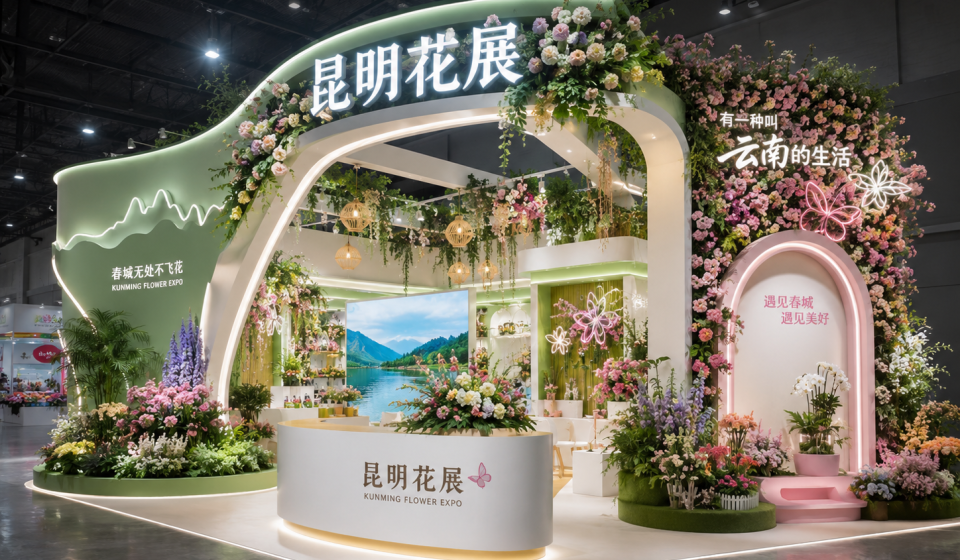

For flower breeders and propagation material buyers, access to new genetics and disease-free stock defines competitive advantage. IFEX flower propagation material sourcing delivers that advantage in a single trip, bringing together Yunnan’s top breeders, tissue culture labs, and bulb suppliers under one roof. Rather than chasing fragmented supplier contacts across Asia, you can compare varieties, negotiate trial agreements, and inspect plant material face-to-face — the kind of evaluation that no website can replace. This guide draws on fifteen years of exhibition and floriculture trade analysis to help you navigate IFEX specifically for breeding and propagation inputs.
Why Yunnan Is the Epicenter of Flower Breeding and Propagation
Yunnan province supplies roughly 70% of China’s cut flowers, but its role in global propagation material is equally significant. The combination of high-altitude microclimates, long growing seasons, and concentrated research infrastructure has turned Kunming into a natural hub for new variety development. Dozens of breeding companies, government‑backed research institutes, and specialized propagation farms operate within a few hours’ drive of the exhibition venue, many of which exhibit at IFEX. For an international buyer, the event is the most efficient way to meet this ecosystem in one place. I have watched the propagation material segment grow steadily at IFEX, moving from a handful of seed sellers to dedicated pavilions featuring tissue‑culture orchids, patented rose rootstocks, and pre‑screened lily bulbs ready for export.
What Propagation Materials Can You Source at IFEX?
IFEX covers the full range of commercial propagation inputs. The table below summarizes the main categories you can expect to find.
| Material Type | Typical Exhibitor Profile | What You Can Evaluate On‑Site |
|---|---|---|
| Seeds | Hybrid seed producers, breeding startups | Germination rates, variety catalogues, trial history |
| Bulbs & Corms | Lily, tulip, gladiolus specialists | Sizing grades, storage condition data, disease‑testing certificates |
| Cuttings | Rose, chrysanthemum, carnation nurseries | Uniformity, rooting performance, mother‑stock health documentation |
| Tissue‑Culture Plants | Orchid, anthurium, banana labs | Contamination-free packaging, stage‑II to stage‑IV availability |
| Rootstocks & Grafted Plants | Fruit‑tree and rose nurseries | Graft‑union quality, vigour, field trial field reports |
| Tubers & Rhizomes | Peony, dahlia, iris growers | Size consistency, dormancy status, phytosanitary history |
New this year are dedicated “New Variety Pavilion” sections, where breeders unveil pre‑commercial releases and seek propagation partners. This is where a breeder can spot market‑first genetics before they appear in competitor catalogues.
How to Identify Quality Breeders and Propagation Suppliers
The sheer number of exhibitors makes prescreening essential. I have seen too many buyers walk the halls without a filter and leave with a stack of catalogues but no actionable leads. A productive visit starts before you land in Kunming.
A credible propagation supplier at IFEX should be able to show three things immediately: verified phytosanitary records for the previous two export seasons, third‑party virus‑indexing or ELISA‑test results for the material they are offering, and a clear chain‑of‑custody for protected varieties. If a booth displays “new” varieties without any breeder‑rights documentation, proceed with caution (the variety may not be legally exportable). I also recommend asking for contact details of at least one existing international client — most serious exporters have reference growers.
IFEX’s buyer matchmaking program makes this filtering faster. Pre‑registered buyers receive an exhibitor list filtered by product category weeks before the show, and the platform allows you to request meetings directly. Use it.
If your sourcing program involves protected genetics, it is worth confirming phytosanitary and IP documentation before finalizing your list of target suppliers — reach out at [email protected] for guidance on exhibitor compliance status.
Navigating Trade: Phytosanitary Certificates, Contracts, and Plant Breeders’ Rights
Moving propagation material across borders introduces more regulatory friction than shipping cut flowers. Two documents are non‑negotiable for most destination countries: the phytosanitary certificate issued by China’s General Administration of Customs and an import permit from the buyer’s country that explicitly lists the genera and material type. Do not assume that a permit covering “lily bulbs” automatically covers tissue‑culture lily explants; many national plant protection organizations treat them as distinct categories.
Contracts for propagation material also differ from standard floriculture purchase orders. I normally advise covering at minimum the following: (1) delivery stage (stage‑III in agar, hardened plug, or bare‑root), (2) tolerance for off‑types and virus incidence, (3) trial‑period clauses that allow return or credit if propagation performance falls below an agreed benchmark, and (4) intellectual‑property terms — specifically whether the buyer is acquiring a production license, exclusive multiplication rights for a territory, or simply a limited trial quantity.
Plant breeders’ rights in China have strengthened significantly, and many local breeders now register new varieties with UPOV‑compliant certification. When you find a candidate variety, ask whether the breeder holds a Chinese PBR certificate. If yes, any export propagation agreement should reference that certificate number and clarify whether the buyer may apply for PBR registration in their home market. Without that clarity, you risk being unable to commercialize the variety later.
Trip Planning: Maximizing Your Time at the IFEX Exhibition
Kunming Dianchi International Exhibition Centre is compact enough to cover on foot, but a breeding‑focused trip still benefits from a structured schedule. I recommend the following rhythm: reserve the first morning to walk the specialist propagation halls without appointments (you will spot booths that fall below your standards within seconds); book your pre‑confirmed meetings for the early afternoon of day one and all of day two; and leave the third morning for follow‑up conversations and sample collection.
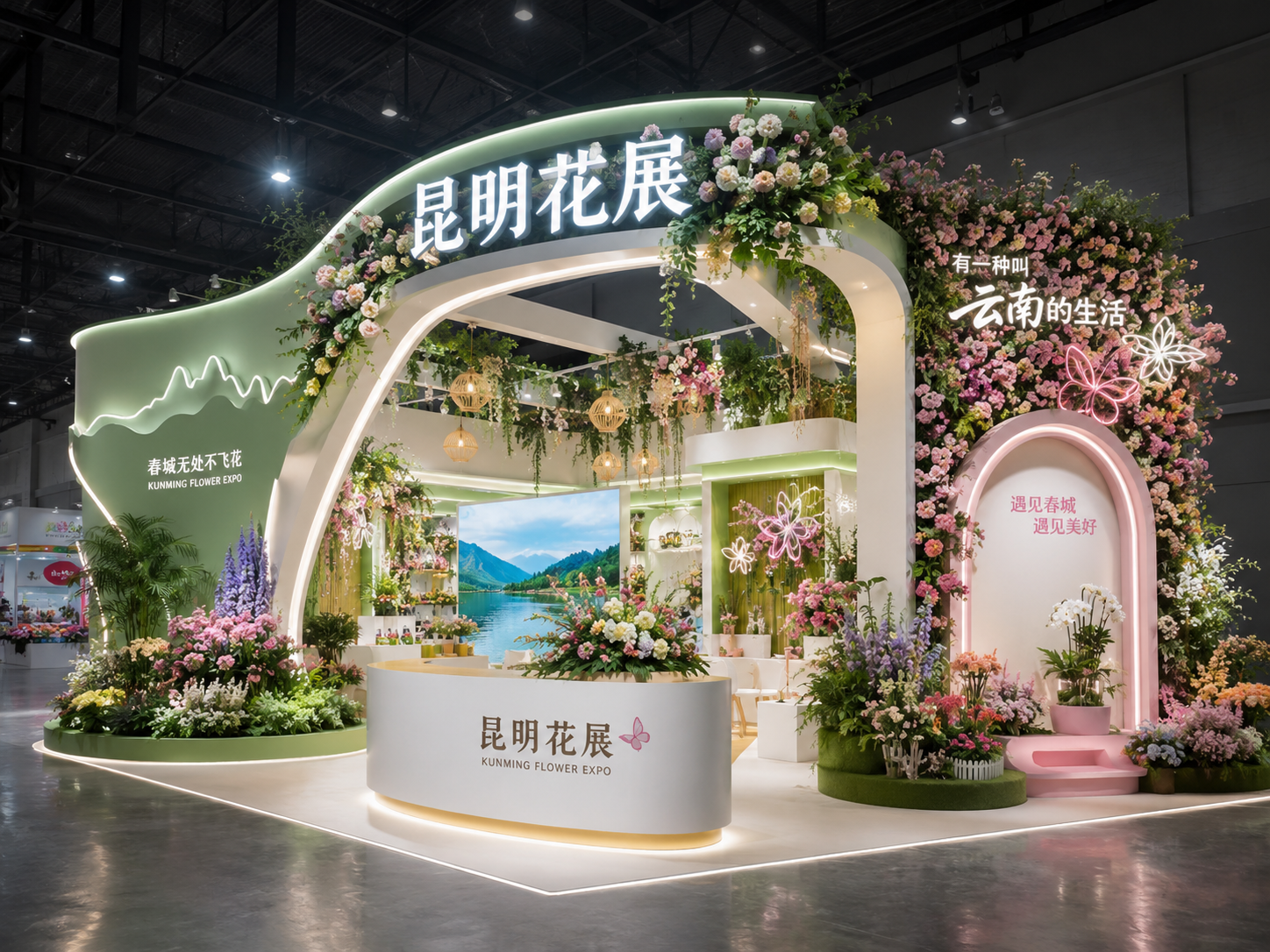
Practical items often overlooked: bring a portable moisture meter if you are reviewing soil‑packed material, carry a USB‑C‑powered macro lens for detailed root‑zone photos, and download the IFEX floor‑plan app before you arrive to mark booth locations offline. Translation support is available through the buyer lounge, but having key terms (genera names, specific disease names) on a laminated card in both English and Chinese speeds up technical conversations.
After the Show: Turning Leads into Long‑Term Supply Partnerships
The gap between a promising meeting and a stable supply relationship is where most propagation sourcing trips stall. After IFEX, the supplier you engaged will likely send commercial samples within four to eight weeks. I have observed that buyers who define trial‑success criteria before the samples arrive make decisions three times faster than those who wait to see how the material “performs.” Set explicit benchmarks: minimum rooting percentage, acceptable virus incidence, plug weight uniformity, and target shipping‑ready weeks.
Secure a trial agreement in writing during the show, not over email later. A simple one‑page document covering variety name, quantity, trial‑period length, and exclusive‑first‑look option is usually enough. Breeders who are reluctant to sign even a non‑binding trial memo often hesitate later when commercial volumes are discussed. File the document with your internal sourcing team and set a calendar reminder for the day the trial period ends. Follow‑up that lands exactly on schedule signals professionalism and builds the trust that propagation partnerships run on.
Common Questions About Sourcing Propagation Material at IFEX
What types of propagation materials are typically exhibited at IFEX?
Seeds, bulbs, cuttings, tissue‑culture plants, tubers, rootstocks, and grafted liners. The variety catalogue expands each year. In recent editions, demand has pushed exhibitors to bring earlier‑stage material such as stage‑II tissue‑culture flasks, which gives international breeders more flexibility in acclimatization and finishing protocols.
Do I need to bring phytosanitary documents when sourcing propagation material at IFEX?
You do not need to bring documents to walk the show, but carrying a copy of your country’s import permit for the genera you intend to source transforms a general inquiry into a concrete discussion. Suppliers can immediately confirm whether their material matches your permit conditions, saving days of back‑and‑forth later.
Can I negotiate exclusive propagation rights directly at the show?
It is possible, but realistic only when the breeder sees a clear commercial pathway. I advise buyers to come prepared with territory size estimates, projected first‑year volume, and capability to execute a trial within a defined window. If a variety is already released in multiple markets, exclusivity is rare, but a first‑right‑of‑refusal or a regional exclusivity for a new mutation is achievable.
How do I arrange meetings with specific breeders before the event?
IFEX’s online buyer platform goes live roughly six weeks before opening day. After registering, you can filter exhibitors by product category (“propagation material” or “breeding stock”) and send meeting requests through the system. The buyer‑lounge staff on site can also help with last‑minute scheduling, but pre‑booking gets you priority slots with the most sought‑after breeders.
Is there an advantage to sourcing propagation material from Yunnan over other regions?
Yunnan’s altitude‑differentiated production zones allow a single province to deliver everything from cool‑climate bulb crops to tropical tissue‑culture plants, with fewer climate‑induced quality fluctuations than many competing regions. Consolidating a multi‑genus propagation portfolio through Yunnan suppliers also simplifies logistics and phytosanitary coordination. If you are building or rebalancing a propagation pipeline, it is worth reviewing your import permit list against Yunnan’s available genera. Share your requirements with the IFEX buyer team at [email protected] or call +86 10 5933 9349 and they can confirm which exhibitors match your sourcing plan.