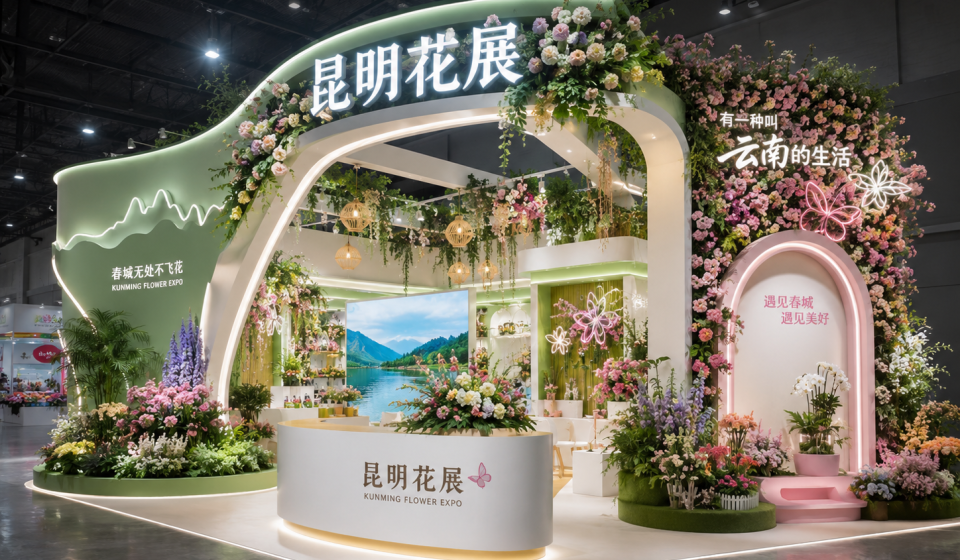

For florists and retail flower buyers looking to differentiate their shop with fresh, unique blooms, discovering direct sources is not a luxury; it is a necessity. The IFEX Kunming International Flowers & Plants Expo provides a concentrated opportunity to meet Yunnan’s top growers face-to-face, bypassing traditional supply chains. Yet many small buyers attend without a clear sourcing strategy and leave empty-handed. This IFEX florist sourcing guide delivers a practitioner-level roadmap for navigating the show, evaluating flower quality, negotiating small-volume orders, and building long-term grower relationships that transform a single trip into a year-round supply advantage.
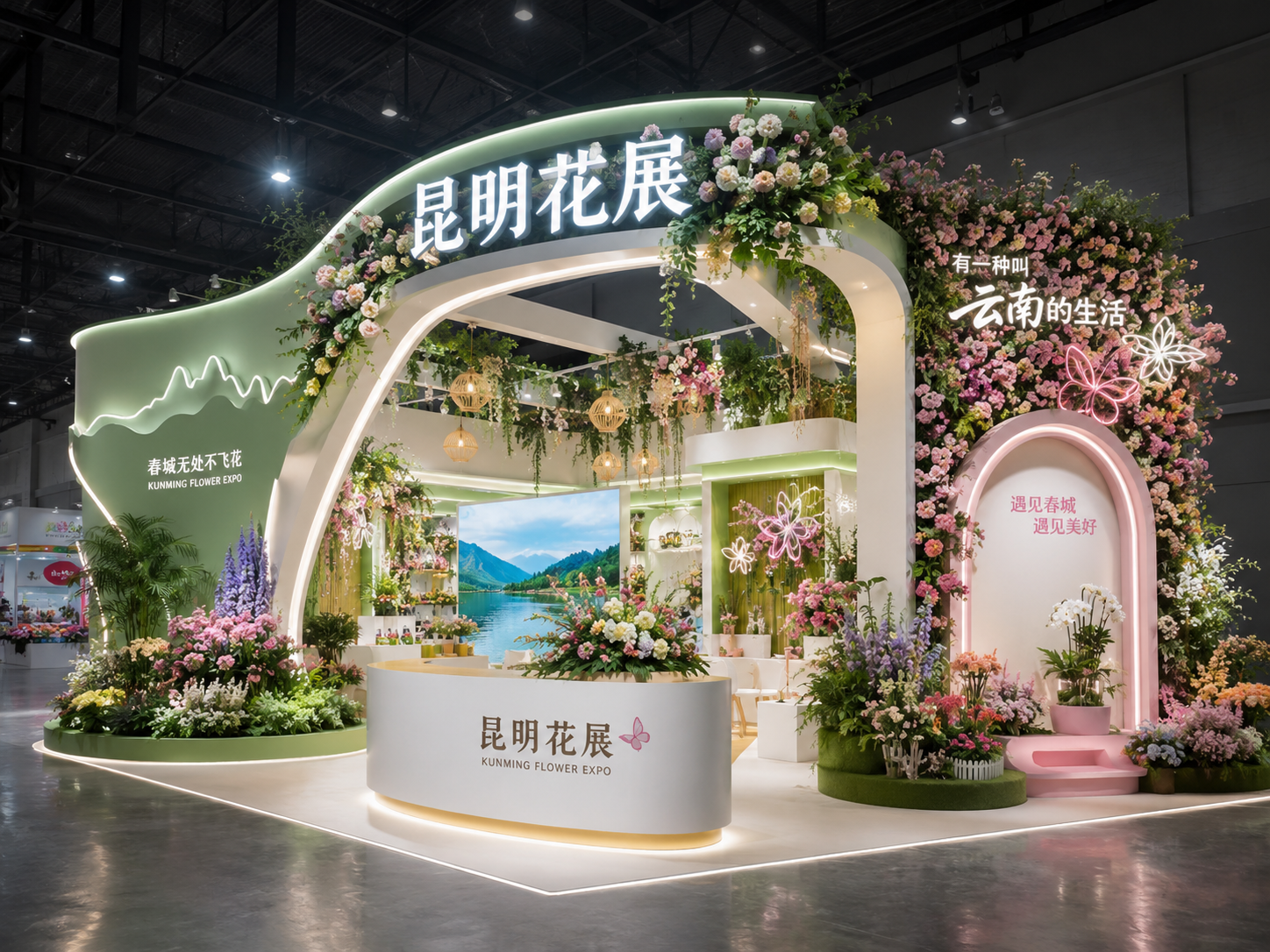
Why IFEX Matters for Florists and Retail Buyers
Yunnan Province supplies roughly 70 percent of China’s cut flowers by volume, and Kunming functions as the central hub where growers, breeders, and logistics providers converge. IFEX, held annually in Kunming, is the largest floriculture trade show in Asia tailored to the entire supply chain. For florists and retail buyers, it is a direct pipeline to the source. Unlike online catalogs or third-party distributors, walking the show floor lets you inspect actual flower stems, smell the fragrance, and evaluate post-harvest treatment in person. I have seen florists uncover rose varieties that later became the signature item in their shop simply because they invested the time to walk every aisle.
Preparing Your IFEX Sourcing Trip: A Florist’s Checklist
A successful buying trip starts long before you step into the exhibition hall. First, register for your buyer badge early through the official IFEX website; international visitors often need a formal invitation letter for visa applications. Then, map out the exhibitor list by category: cut flowers, potted plants, dried and preserved materials, and horticulture supplies. I recommend setting three clear goals: identify two or three new flower varieties you want to test, find at least one new grower partnership for a staple item, and gather pricing data on a seasonal line you already carry. Pack business cards, a notebook, and a smartphone with a good camera for documenting samples. You will also want a translation app and the venue map; the exhibition spans multiple halls, and a planned route saves hours.
Evaluating Flower Quality at IFEX: What Florists Need to Look For
Inspecting flowers at a trade show differs from receiving a shipment in your shop. You are seeing conditioned, display-ready stems that may not represent the average farm output. Ask to see the cut stem base: a clean, white cut without browning signals recent harvest. Squeeze the stem gently near the flower head; firmness indicates proper hydration and sugar levels. For roses, check the guard petals and look for any sign of botrytis. For lilies, examine the bud stages — too many open blooms suggests short vase-life potential. I once watched a florist from Tokyo spend twenty minutes examining each stem of a new garden rose variety before placing a modest order; that careful approach built a supplier relationship that now ships a full container every month. I always advise florists to request a small bunch to sit in water for a few hours and come back to check wilting or petal drop. A supplier willing to let you do that is one worth talking to.
Meeting Suppliers: Questions Every Florist Should Ask
When you sit down with a grower or export company, the conversation should quickly move beyond variety catalogs. Ask directly: “What is your typical minimum order quantity for export, and can you accommodate a trial order of 20 to 30 boxes?” Most Yunnan growers are accustomed to large wholesale volumes, but an increasing number now welcome smaller buyers who show serious long-term intent. Next, inquire about their quality grading standards — do they follow China national grades or an internal system? Request a written specification sheet including stem length, bud size, and vase life guarantee. Also ask: “How do you handle reclamations if a shipment arrives with quality issues?” A clear, prompt answer in English usually means the supplier has export experience.
If your shop specializes in wedding or event designs, confirming cold-chain details and specific packing requirements with suppliers is critical before placing an order. For assistance identifying growers with strengths in these areas, reach out to [email protected].
Negotiating and Placing Orders: Strategies for Florists
Negotiating as a small buyer at IFEX requires a different approach than for bulk importers. Instead of pushing for the lowest per-stem price, focus on terms that matter to a retail operation: the ability to mix varieties in one shipment, flexible delivery schedules aligned to your high season, and the option to increase volume later at the same price. Many Yunnan growers propose FOB Kunming pricing; you will then arrange freight and insurance. If you are new to importing, consider asking for EXW terms and work with a freight forwarder experienced in flower logistics. I have observed that florists who place a small trial order at the show and then follow up with a larger pre-season order often secure the best long-term pricing.
After the Show: Logistics, Payment, and Building Lasting Relationships
Turning a handshake at IFEX into a reliable supply line requires disciplined follow-up. Within a week of the show, send a recap email summarizing the agreed varieties, approximate volumes, and target shipping window. Attach photos you took of their samples as a reference. For payment, many Chinese flower suppliers accept T/T (telegraphic transfer) with a 30 percent deposit and the balance before shipment; newer relationships may start with a Letter of Credit. Work with your bank to understand the fees and documentation required. Also, clarify Incoterms in writing: FOB, CIF, or DDP each shift cost and risk differently. Post-show, keep communication regular — quarterly check-ins and sharing market feedback strengthen your position as a preferred customer. A florist who demonstrates reliable demand and fair negotiation will find growers willing to hold capacity for them year after year.
How Florists Can Build a Multi-Supplier Flower Portfolio
Sourcing from a single supplier may simplify logistics, but retail buyers need variety and seasonality that no single farm can deliver. At IFEX, you can identify complementary growers: one specializing in roses, another in tropicals, a third in preserved greens. During the show, note which suppliers cover different color palettes or stem lengths. I recommend building a spreadsheet with columns for variety, grower, MOQ, price per stem, and shipment lead time. Having three to five trusted suppliers gives you resilience against crop failures, shipping delays, and price fluctuations. Each year at IFEX, you can refresh this portfolio by adding one new grower and retiring one that underperformed — a simple discipline that keeps your sourcing competitive.
A Florist’s FAQ on Sourcing at IFEX
Can I really place small-volume orders at IFEX, or is it only for large importers?
In the past, IFEX catered mostly to bulk buyers, but the landscape has shifted. Many Yunnan growers now welcome orders as small as 10 to 15 boxes per variety, especially from florists who demonstrate long-term potential. During the show, be upfront about your volume needs; a supplier who cannot accommodate you will often refer you to a colleague who can. The key is communicating your growth plan — growers respond to buyers who show they intend to scale, even if starting small.
How do I know a supplier’s flower quality will be consistent after the show?
Consistency is the biggest risk when sourcing from a new grower. At the show, ask for their “farm batch” sample rather than the best display stems. Request photos of their packing facility and cold storage. After IFEX, place a small trial order during a normal production week — not a holiday — to see typical quality. If the supplier also ships to markets with strict phytosanitary standards like Japan or the European Union, that is a good signal of reliable quality control.
What if I cannot speak Chinese? Will I be able to communicate with growers?
While not all growers speak English, most export-oriented companies have English-speaking sales staff. IFEX also provides business lounges with translation services on-site. Bringing a simple list of key terms in Chinese — such as “stem length,” “vase life,” “MOQ,” and “cold chain” — helps bridge gaps. Many exhibitors use translation apps themselves. In my experience, showing genuine interest in their product overcomes language barriers far more effectively than perfect Mandarin.
Should I visit Dounan Flower Market before or after IFEX?
Dounan, Asia’s largest fresh-cut flower trading hub, is a 40-minute drive from the IFEX venue. I suggest visiting Dounan after the show, not before. The auction and trading floors will give you a real-time view of daily pricing and volume trends, which you can use to benchmark the contract offers you collected at IFEX. Spend the early morning hours there to see the full range of domestic market dynamics, then finalize your orders with the added context.
I’m a small florist shop — is the trip really worth the investment?
Yes, if you treat it as a strategic investment in differentiation. The cost of a four-day trip to Kunming, including flights and accommodation, often recoups within the first few mixed shipments when you compare landed costs to wholesale prices in your home market. The real payoff, however, is discovering varieties and suppliers your local competitors do not have access to. That product uniqueness drives foot traffic and repeat sales. Share your sourcing goals with our team and we will help connect you with growers that match your shop’s niche.
Turn Your Sourcing Trip into a Competitive Edge
Sourcing flowers directly from Yunnan can feel daunting for a florist accustomed to local wholesalers. But the growers you meet at IFEX are looking for committed retail buyers who understand flowers and build collections people love. The show offers a rare chance to inspect quality, negotiate terms, and establish trust — all in one location. To begin planning your IFEX sourcing trip, send your business profile and target flower categories to [email protected] or call +86 10 5933 9349. Our team will assist with pre-registration and connect you with growers suited to your shop’s volume and style.