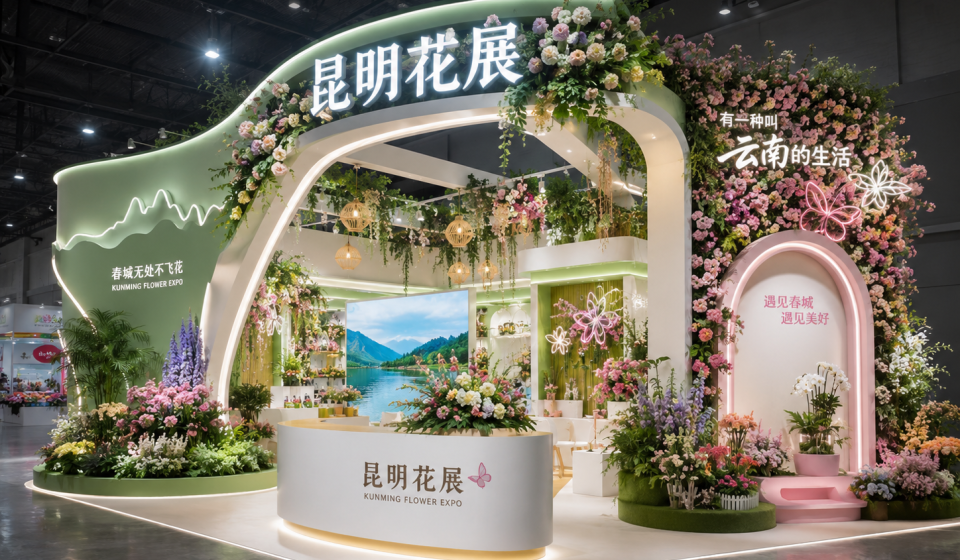

For international flower importers and wholesalers, Kunming’s IFEX represents Asia’s most concentrated opportunity to connect with growers, but the IFEX flower importers guide is not simply about walking the show floor. In over a decade of exhibition planning, I have observed that the buyers who build the most resilient supply chains are those who use IFEX to personally audit multiple suppliers across Yunnan’s distinct growing regions, verify quality on the spot, and construct a diversified portfolio that no single farm can replicate. This guide outlines the practical steps from pre-show preparation through on-site qualification to post-exhibition logistics, so that a trade fair visit becomes a long-term sourcing advantage.
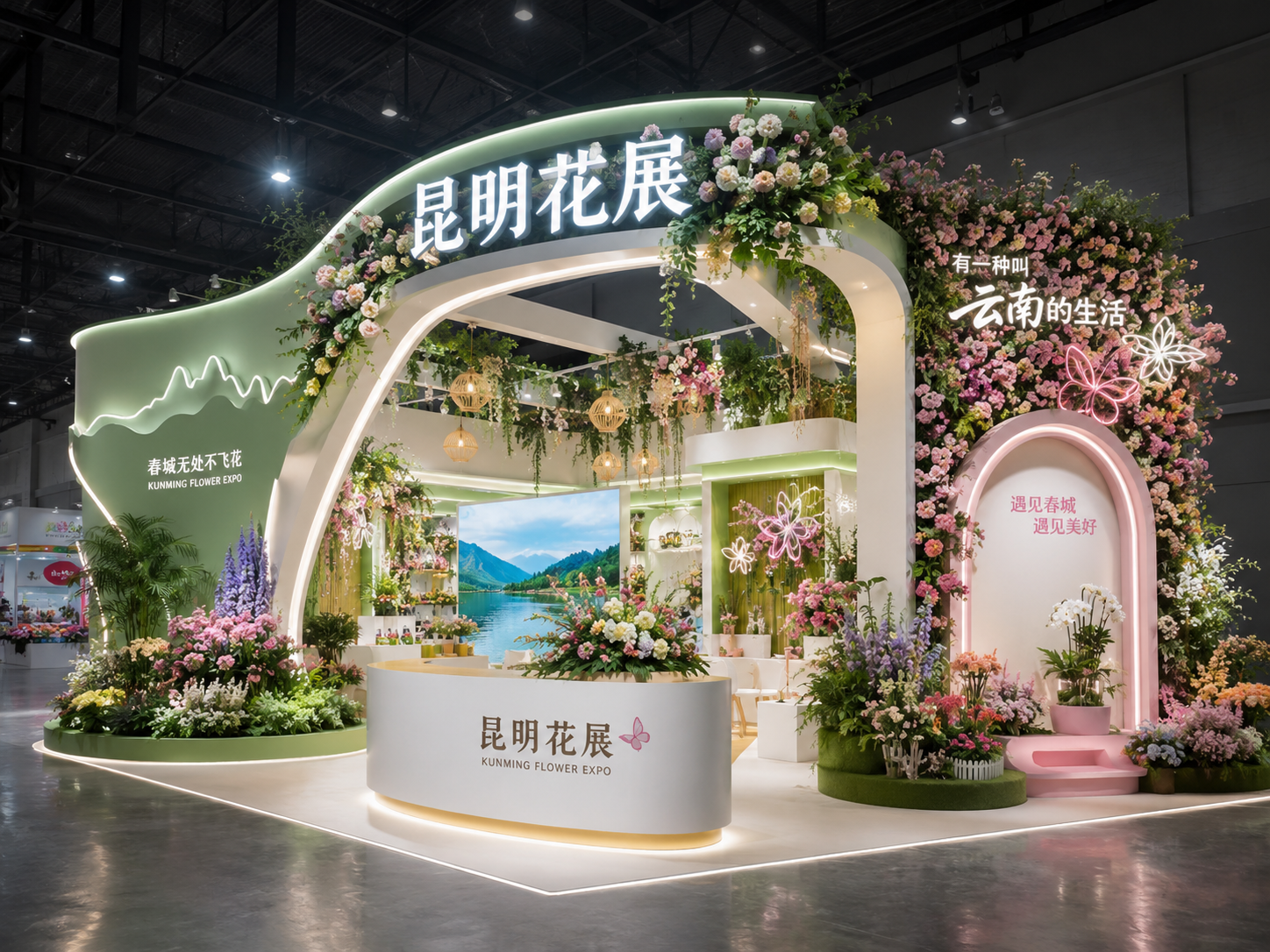
Pre-Show Preparation Begins with Registration and Local Logistics
Before boarding a flight to Kunming, registration for a buyer pass on the official IFEX website opens access to the matchmaking platform and exhibitor directory. International buyers should allow at least two weeks for pass approval and visa processing if required. Booking hotels near the Dianchi International Convention and Exhibition Center early reduces morning transit time and avoids the sold-out situation that happens as the event nears.
Essential Documents for Your IFEX Trip
A valid passport with at least six months of remaining validity, a printed IFEX buyer confirmation, business cards printed in both English and Chinese, and a letter of introduction from your company are the core documents. If your sourcing involves multiple product categories such as cut flowers and potted plants, prepare a prioritized list with variety specifications and target price ranges in advance. This list becomes your reference when comparing suppliers.
Using IFEX Matchmaking to Identify the Right Growers
With over 1,000 exhibitors covering the full supply chain, walking the aisles without a plan wastes time. The IFEX buyer matchmaking platform lets importers filter by product category, region, and export experience before the show. I have seen buyers who pre-schedule 12 to 15 meetings on the first day alone, then use the second day for follow-up and walk-through discovery. The exhibition layout groups cut flower growers, potted plant producers, equipment suppliers, and cold chain providers in dedicated zones, so mapping your route in advance increases meeting yield.
On-Site Supplier Evaluation: Checking Quality and Capability
Experienced importers know that a well-decorated booth does not guarantee reliable supply. When you sit down with a Yunnan grower, ask to see recent production records, cold storage photos, and a sample packing list from a recent export shipment. Examine cut flower samples for stem length consistency, petal damage, and hydration. For potted plants, check root health and uniformity. The growers who answer technical questions about their growing altitude, harvest window, and post-harvest treatment directly are the ones with genuine farm control.
Key Questions to Ask a Kunming Grower
What is your total planted area for this variety and your monthly harvest volume during peak seasons? Which international markets do you currently supply, and can you provide a reference from a buyer in my region? What is your standard cold chain protocol from farm to Kunming airport or sea port? Do you hold GlobalG.A.P. or other certifications, and can you show the certificates here? These questions reveal depth beyond the sales pitch.
Placing Your First Order: Negotiation, MOQs, and Contracts
Once you identify two or three preferred suppliers, move to order discussion. Minimum order quantities in Yunnan often start at 100 to 300 boxes per variety per week for air freight, but quantities shift when you commit to a full container for sea freight. Negotiate lead times based on your market’s peak holiday windows, not the grower’s default schedule. Payment terms commonly start with 30 percent deposit by T/T and the balance against shipping documents, though new relationships may require an LC at sight. Request a bilingual proforma invoice that lists variety codes, stem lengths, packing specifications, and the agreed Incoterm clearly.
If your import program involves multiple flower categories or requires year-round supply, it is worth confirming a grower’s seasonal capacity before finalizing your supplier list, reach out to the IFEX team at [email protected] or +86 10 5933 9349.
Post-Show Logistics: Shipping, Phytosanitary Certificates, and Payments
Moving fresh flowers from Kunming to a destination market requires coordination across air or sea freight, cold chain, and plant quarantine. Most importers shipping to Europe or the Middle East choose air freight because transit time to major hubs ranges from 36 to 72 hours, while sea freight works for longer-life items and large volumes. The Chinese phytosanitary certificate is issued by the local CIQ office after inspection, and it must be obtained before export clearance. Confirm with your local import authority which additional treatment certifications are required for your country.
| Freight Method | Transit Time (to EU) | Typical Flower Types | Cost per Kg (approx.) |
|---|---|---|---|
| Air freight | 36-72 hours | Roses, lilies, mixed bouquets | $2.50-$4.00 |
| Sea freight | 18-25 days | Dried, preserved, potted plants | $0.30-$0.80 |
From First Order to a Multi-Supplier Sourcing Network
The most successful IFEX participants return annually because one supplier cannot cover every variety at every price point. Use each edition to add one or two new growers, especially from less-visited regions like Yuxi, Tonghai, and Honghe, where microclimates produce unique color intensities or earlier harvests. Combining three to four growers across different altitudes builds a buffer against weather-related shortages. I have watched Middle Eastern and Japanese buyers double their import volumes within three years simply by layering new IFEX-discovered suppliers into their existing portfolio each cycle.
Your Next Steps: Turning IFEX Contacts into Orders
After the exhibition, a structured follow-up within the first week sets professional expectations. Send a concise recap email with the product codes, pricing discussed, and next-step questions. Request lab test reports or additional photos if quality verification was incomplete on site. The transition from a handshake at IFEX to a regular shipment depends less on transaction volume and more on consistent communication and documented quality standards. For guidance on using IFEX’s matchmaking tools to build your supplier shortlist before the next edition, email your sourcing requirements to [email protected] or call +86 10 5933 9349. A clear requirements brief helps the team connect you with growers that match your specific market.
Common Questions from International Flower Buyers
How long does it typically take from the first meeting at IFEX to the first shipment?
From the initial on-site discussion to receiving trial samples, the timeline averages four to six weeks. After sample approval, production scheduling and phytosanitary processing add another two to three weeks. The full cycle from meeting to delivery usually spans eight to twelve weeks. Rush orders are possible when the grower has excess capacity, but planning for a three-month lead time reduces stress.
Can I find reliable suppliers without visiting the actual farm?
Many IFEX exhibitors bring comprehensive photo and video documentation of their greenhouses, packing facilities, and cold storage. While a farm visit adds assurance, the verification questions listed earlier combined with third-party certification documents provide enough information for an initial trial order. In programs we have supported, buyers who requested a live video walk-through of the packing line during the meeting gained confidence comparable to an in-person audit.
What are the most common payment risks, and how can I mitigate them?
The primary risk is paying a deposit and receiving substandard goods. An LC (letter of credit) at sight ties payment to compliant shipping documents, but it adds bank fees. For amounts under $10,000, many established buyers use a 30-percent deposit with the balance paid after receiving a copy of the bill of lading and inspection photos. Request a reference call with the supplier’s existing international client before committing. If a supplier insists on a hundred percent advance payment for a first order, redirect to a different grower.
How do you handle language barriers during negotiations?
Most exhibitors at IFEX bring English-speaking sales staff, and the show provides interpretation services in the business lounges. Having your product list translated into Chinese before the trip removes ambiguity. For technical discussions about post-harvest protocols or pesticide MRLs, using the exhibition’s professional interpreters avoids confusion that email translation later cannot fix.
Will one trip to IFEX be enough to establish a stable supply chain?
A single visit can secure one or two reliable suppliers, but serious importers treat IFEX as a recurring investment. Returning for a second edition allows you to enter negotiations with established rapport and a clearer picture of seasonal quality fluctuations. Share your annual import forecast with the IFEX team before your next visit so they can recommend exhibitors that have expanded capacity in your target categories.