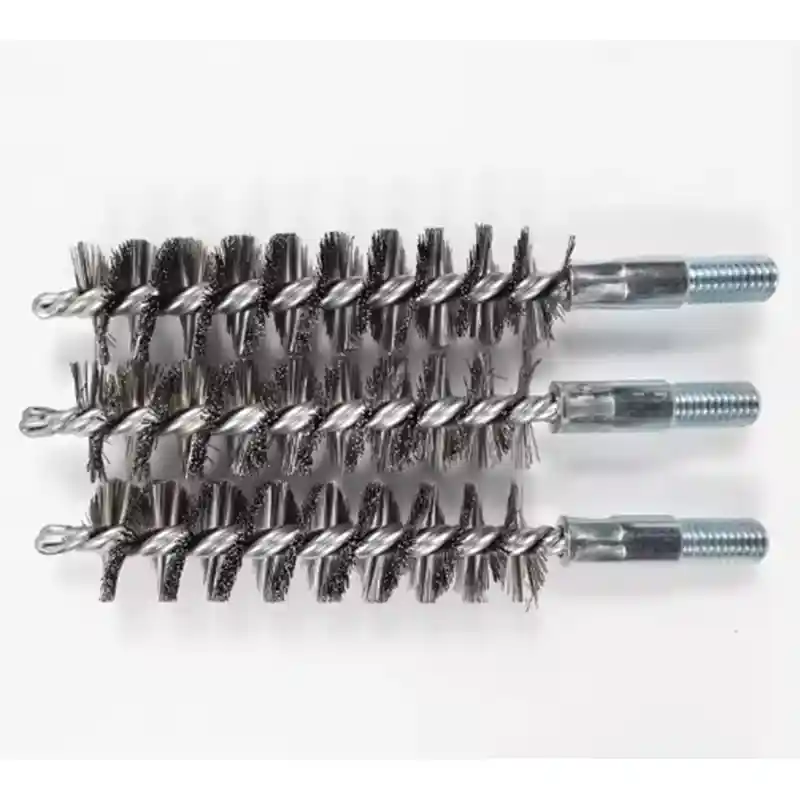

Cleaning a CPAP tube is a routine hygiene task for sleep apnea patients, but using the wrong brush can do more harm than good. A CPAP tube cleaning brush with the right bristle material and construction not only removes debris effectively but also protects the delicate interior of the hose. As a brush manufacturer with extensive experience supplying medical-grade cleaning tools, I’ve seen many procurement teams overlook critical design factors that affect both safety and product lifespan. This guide breaks down what buyers need to know about selecting a CPAP tube cleaning brush that meets medical-grade standards.
Medical-Grade Standards for CPAP Tube Cleaning Brushes
CPAP hoses are made from thin, flexible plastic that can scratch easily. A brush with stiff or sharp filaments will create micro-abrasions where moisture collects, turning those grooves into breeding grounds for bacteria and mold. In my 15 years of brush manufacturing, I’ve seen how small design differences, like filament tip rounding, can make the difference between a brush that cleans safely and one that gradually wears down the tube.
Medical-grade cleaning brushes carry a different set of expectations than industrial pipe brushes. The materials must be non-reactive with commonly used CPAP cleaning solutions and withstand repeated sterilization cycles without degrading. Nylon 6/6 and polyester are workhorse materials here. Nylon 6/6 offers good chemical resistance and flexibility, while polyester handles autoclaving temperatures better, though it is slightly stiffer. For most CPAP applications we recommend nylon 6/6 with a filament diameter between 0.15 mm and 0.20 mm. This range provides enough flex to navigate tube bends while maintaining contact pressure against the inner wall. Filament tips should be end-rounded to avoid scratching, a standard specification we have made mandatory on all medical-tube brushes after seeing the long-term wear patterns on hoses cleaned with cheaper, unrounded filaments.
Bristle Materials That Protect CPAP Tubing
The bristle material directly controls how well the brush cleans and how gentle it is on the tubing. Not all soft-bristle claims are equal; the polymer type, filament gauge, and tip treatment all play a role. Below is a comparison of the two most common materials used in CPAP tube cleaning brushes.
| Material | Key Property | Best Use |
|---|---|---|
| Nylon 6/6 | Excellent flexibility, good chemical resistance | Standard CPAP hoses cleaned with mild detergents |
| Polyester | Higher stiffness, withstands autoclave cycles | Hoses subjected to steam sterilization |
| Nylon 6 (non-conditioned) | Lower cost, lower flex | Avoid for delicate CPAP tubes; risk of scratching |
Beyond material choice, filament density matters. A brush with too few bristles will skip areas. Too many and the brush becomes stiff and hard to push through the tube. We typically specify a fill density of 60–80% of the core wire circumference for a cylindrical tube brush used in medical applications. This creates a uniform cleaning surface without generating excessive drag. Buyers sourcing CPAP tube cleaning brushes should ask for the filament material grade specification and request a sample to test insertion force and cleaning coverage on their specific tubing.
Custom Brush Designs for Different CPAP Tube Dimensions
CPAP tubes come in a range of inner diameters, from 15 mm standard adult hoses down to 10 mm or smaller for pediatric or travel units. A brush that fits one size loosely will rattle and clean unevenly; one that is too wide will stress the hose walls and may jam in bends. Custom brush dimensions close this gap.
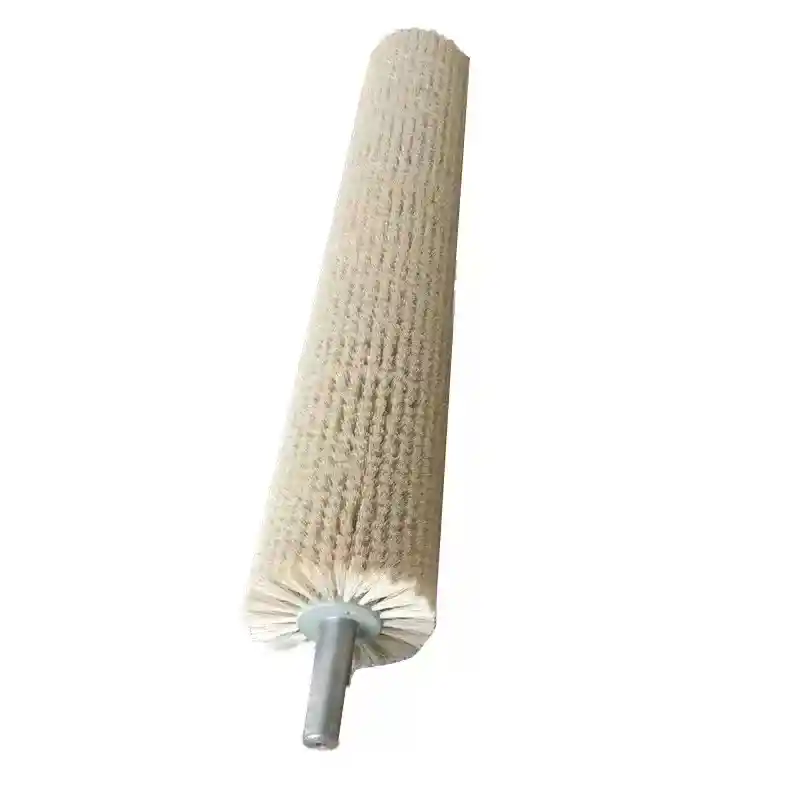
The core design variables are brush outside diameter, overall length, stem material, and filament pattern. For CPAP tubes, we normally use a twisted-wire stem because the spiral winding allows the brush to rotate slightly as it passes through the tube, improving coverage at the inner circumference. The stem wire gauge must be thin enough to flex but strong enough not to kink when the brush meets a bend. In one project with a CPAP equipment distributor, we settled on a 0.8 mm stainless steel stem for a 12 mm ID tube after testing showed a 1.0 mm stem caused excessive bending resistance. That kind of fine-tuning only comes from direct collaboration.
We also configure brush length to match the full tube length plus a few extra centimeters to allow reaching the end fittings. Filament zones can be profiled—shorter filaments at the leading end for easy entry, longer filaments in the middle for the main body, and a short clearing tail.
Key Specifications to Request From a Brush Supplier
When you are comparing CPAP tube cleaning brush suppliers, a checklist of five specifications will filter out the most common quality problems.
- Filament material certification. Ask for a material data sheet. If the supplier cannot name the polymer and the filament manufacturer, they probably do not control their raw material chain.
- Tip finishing process. Confirm whether the filament ends are mechanically or thermally rounded. Unrounded filaments are a red flag for medical tubing.
- Filament anchoring method. The filaments should be mechanically trapped in the stem twist, not glued. In twist-in-wire brushes, a double-twist or triple-twist process locks filaments so they cannot pull out during use. We use a double-twist method that has proven to eliminate shedding in medical cleaning applications.
- Sterilization compatibility. Specify whether you need the brush to handle chemical disinfection, ethylene oxide, or autoclaving. The polymer and stem material must be rated for that cycle without losing mechanical properties.
- Lot traceability. Especially for medical device components, suppliers should be able to trace raw materials back to production batches. We maintain batch records for every custom medical brush we manufacture, linking filament lots to finished products.
These five points protect your patients and your brand, and they separate a serious industrial brush manufacturer from a general trading company pushing commodity brushes.
Partnering With a Reliable CPAP Brush Manufacturer
Choosing a CPAP tube cleaning brush is not just about finding a product that fits a tube diameter. It is about reducing risk, maintaining hygiene consistency, and having a supply chain that can scale with your business.
This is where working directly with a brush manufacturer makes a measurable difference. You gain access to an engineering team that can adapt filament type, diameter, length, and stem construction to your exact tube specification. You can request sterilization test reports, material certifications, and batch traceability documentation that a reseller cannot provide. You can also keep your branding when you need private label orders.
If you are evaluating CPAP tube cleaning brush options for a medical device line, a hospital supply catalog, or a sleep therapy center, we can help. Send your tube dimensions, target filament material, and order quantity to [email protected] or call +86 1580 0932 713. We will provide a detailed quotation and, for new clients, a sample brush built to your specifications so you can test fit and cleaning performance before committing to a production run.
Common Questions About CPAP Tube Cleaning Brushes
Can I use a regular pipe cleaner for my CPAP hose?
A standard pipe cleaner often has zinc-plated steel wire and abrasive nylon bristles that will scratch CPAP tubing. The bristles may also shed, leaving particles inside the hose. CPAP tubes need a brush designed specifically for medical plastic tubing, with soft rounded filaments and a stem that will not kink or rust. Even if a pipe cleaner physically fits, the long-term risk of tube damage and contamination outweighs any cost savings.
What bristle material is safest?
Both nylon 6/6 and polyester are safe when properly processed. Nylon 6/6 with end-rounded tips offers the best balance of flexibility and low abrasion for most CPAP hoses. If you require autoclave sterilization, polyester handles the heat better. Ask your supplier to confirm the filament grade and whether the tips are rounded. A material data sheet should verify that no fillers or additives that could leach out during cleaning are present.
How do I know a brush is truly medical-grade?
Medical-grade is not a regulated term, so you must verify the specifications. Look for documented filament material certification, a defined tip finishing process, and manufacturing hygiene controls. The supplier should be able to provide batch traceability and sterility compatibility statements. In our facility, medical brushes are produced in a dedicated clean area and packaged to prevent contamination until use. If the supplier cannot describe their quality control process in detail, treat the claims with caution.
How long should a CPAP tube cleaning brush last?
A well-made brush with properly anchored filaments can last several months with daily use. Signs of wear include bristles that flatten significantly, a stem that bends permanently, or any filament shedding. Replacement frequency also depends on the cleaning chemicals used. Harsh disinfectants may degrade nylon over time. We recommend replacing the brush quarterly and inspecting it during each tube cleaning.
Do you offer custom brushes with our logo or packaging?
Yes. As an OEM and ODM manufacturer, we supply CPAP tube cleaning brushes in custom lengths, diameters, and filament specifications with private labeling and retail-ready packaging. We work with sleep therapy brands, medical distributors, and CPAP equipment manufacturers to produce brushes that fit their exact product lines. Share your requirements and we will confirm compliance documentation availability and provide a quotation based on your expected order volume.
If you’re interested, check out these related articles:
abrasive wheel brush a magical tool for industrial surface treatment
advantage of hx cylindrical nylon brushes
abrasive disc brush an efficient tool for many applications
brass brushes work perfectly for pipe cleaning
advantage of hx boiler tube brush