
For international buyers navigating China’s vast brake parts supply chain, few opportunities match the efficiency of a dedicated industry expo. The Ruian brake parts manufacturer expo concept – where dozens of specialized factories gather in one venue – transforms what could be weeks of online vetting into a single, productive sourcing trip. I have led exhibition marketing for over a decade, and I have repeatedly seen procurement teams cut qualification timelines by half simply by attending the right trade show. This guide explains why Ruian’s brake parts cluster stands out, how a focused exhibition model like APES Shanghai connects you directly with verified manufacturers, and what practical steps you can take before, during, and after the event to secure factory-direct terms.
Why Ruian Became a Brake Parts Manufacturing Powerhouse
Ruian, a city in Zhejiang province, does not just host a handful of brake parts workshops. The industrial cluster here houses thousands of companies spanning brake pads, discs, calipers, ABS sensors, and complete braking system assemblies. This concentration is not accidental. Decades of investment in tooling, technical talent, and supply chain integration created an ecosystem where a brake pad manufacturer can source steel backing plates, friction materials, and anti-noise shims within a 30-kilometer radius. For international buyers, this means competitive pricing without sacrificing specification, and the ability to meet multiple suppliers in a single trip rather than flying across provinces.
The cluster effect also raises the certification baseline. Because many Ruian manufacturers serve both OE and aftermarket channels, IATF 16949 certification is common, and export-oriented factories routinely invest in ECE R90 testing for European markets or AMECA requirements for North America. When you walk a trade show floor dedicated to this cluster, the questions you can ask shift from “Can you make brake parts?” to “Can you match this specific formulation and deliver to our port on time?” That shift in conversation readiness is the real advantage of cluster-based sourcing, and it is something online directories cannot replicate.
Trade Shows vs. Online Inquiry: The Sourcing Reality
Online B2B platforms give buyers access to thousands of brake part listings. The problem is that a polished product page tells you nothing about the factory floor behind it. I have seen trading companies pose as manufacturers with identical product photos and specifications. When a sample arrives, the quality may be acceptable, but the buyer has no way to confirm whether the next container will come from the same production line or a different shop entirely.
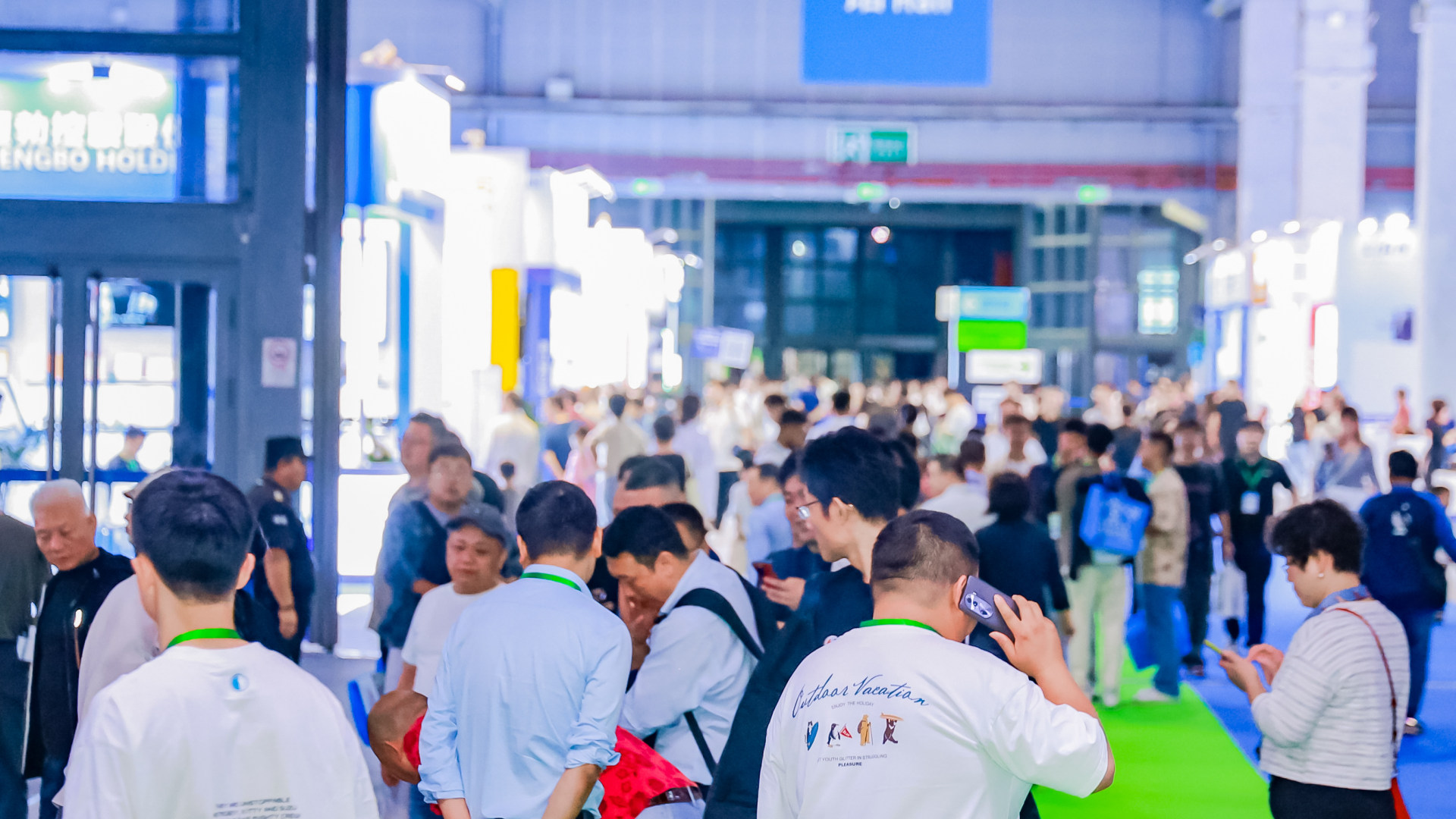
A trade exhibition removes that layer of opacity. You can hold the brake disc, inspect surface finish under booth lighting, and ask the person standing in front of you who did the chamfering and what cast iron grade they used. If the answer comes out in technical detail, you are talking to a manufacturer. If it sounds like a sales script, you know to keep walking. This immediacy – the combination of physical samples, direct access to engineers, and the ability to compare five suppliers within two hours – is what makes the exhibition format irreplaceable for serious sourcing teams.
| Verification Factor | Online Inquiry | Trade Exhibition |
|---|---|---|
| Sample quality check | Photos and mail-out samples | Immediate tactile inspection |
| Factory authenticity | Self-declared; hard to verify | Assessed by booth staff expertise |
| Multi-supplier comparison | Days per supplier | One day, multiple factories |
| Certifications | Documents sent via email | Originals on display; on-the-spot verification |
| Relationship building | Text-based, impersonal | Face-to-face; trust built in minutes |
If your program involves braking components that require compliance documentation such as E-mark approval or specific material certifications, it is worth confirming those documents in person before issuing a purchase order. A brief conversation with the exhibitor’s quality engineer can reveal whether the factory actually runs the tests or subcontracts them – a distinction that online communication rarely surfaces.
APES Shanghai: A Cluster-Focused Platform for Ruian Brake Parts
APES Auto Parts Expo Shanghai, organized by a team with over ten years of professional exhibition experience, operates on a “Focused Specialization, Multiple Tracks” model built around China’s key automotive industrial clusters. Instead of scattering exhibitors across general machinery halls, APES designates specific zones for chassis, engine, electrical, and braking systems, and actively recruits from cluster cities like Ruian, Yuhuan, and Changzhou. For a buyer targeting Ruian brake parts manufacturers, this architecture means you do not have to hunt through hundreds of unrelated booths. The relevant factories are grouped in one sector, often occupying adjacent spaces, which makes direct comparison far more practical.
The platform’s “Internet + Exhibition” approach extends this efficiency beyond the show floor. APES maintains a participant directory and programs like the “APES 2026 to Redefine Global Sourcing Landscape” forum, which gave buyers advance intelligence on new product launches and cluster participation. With operations covering over 60 Chinese cities, the organizer has the reach to pull manufacturers directly from their home base rather than relying on agents who repackage multiple brands under one booth.
I have observed a consistent pattern across the automotive exhibitions I have managed: when the organizer invests in cluster coherence, the buyer conversion rate at the event measurably increases. Buyers leave with a shortlist of qualified contacts rather than a stack of undifferentiated brochures. For a procurement professional, that efficiency is the difference between an RFP that takes months and one that moves to negotiation within weeks.
What to Look for at a Brake Parts Manufacturer’s Booth
Walking the aisles of a dedicated brake parts exhibition, you need to quickly separate genuine factories from the noise. Over years of observing buyer behavior at trade shows, I have noticed that experienced purchasers pay attention to three signals that reveal more than any catalog.
Certification display as a credibility baseline. A factory that earns IATF 16949 or ISO 9001 will show the original certificate, not a photocopy. Look for the audit body’s logo and the scope of certification. If the scope does not explicitly mention brake system components, the factory may hold a generic certificate that does not cover the production line you need. Some exhibitors also bring test reports from TÜV, SGS, or local testing centers for friction coefficient and shear strength. The presence of these documents on the booth table, not in a folder they “will email later,” signals operational transparency.
Production know-how in the conversation. A real brake parts manufacturer can discuss core trade-offs: ceramic versus semi-metallic formulations, the effect of scorching on initial friction behavior, or why a particular aftermarket disc uses high-carbon cast iron instead of standard grey iron. Trading companies and third-party agents rarely invest in this depth of product knowledge. I always recommend starting the booth conversation with a specification question, not a price question. The response quality immediately tells you whether the person you are speaking to has spent time on the factory floor.
Sample quality and traceability marks. Pick up a brake pad sample and look for the edge code, friction material code, and any batch marking. These are required for ECE R90 homologation, so their absence on a sample advertised as “export ready” is a red flag. For brake discs, check the casting markings on the hub face. Many Ruian manufacturers now laser-etch QR codes that link to production batch data. If a sample lacks these identifiers, the factory’s quality traceability system may be weaker than their website suggests.
From Handshake to Shipment: Next Steps After the Expo
The exhibitors you speak with on the show floor will follow up, but the most valuable post-show actions come from the buyer side. I recommend a structured approach: within 48 hours of the event, send a short email to the three most promising contacts confirming the specifications discussed and requesting a formal quotation with delivery terms. This timing keeps the exhibition conversation fresh and signals that you are a serious buyer, not a catalog collector.
For buyers who want to accelerate this process, the APES organizing team provides a dedicated sourcing service that can facilitate introduction scheduling, factory visit logistics, and exhibitor background verification. This is especially useful for first-time buyers who are unfamiliar with the local geography or the documentation required for factory audits. Take advantage of the fact that the exhibition organizer has already screened the exhibitor base – you are starting from a qualified shortlist rather than an internet search.
To take the next step toward sourcing Ruian brake parts at the upcoming APES Shanghai event, share your part numbers and target quantities with the APES team at [email protected] or call +021-60280788. The team will provide the latest exhibitor directory and assist with visitor registration.
Common Questions About Sourcing Brake Parts at Trade Exhibitions
How can I tell if an exhibitor is the actual manufacturer or a middleman?
A real manufacturer can show you video of their production line, discuss specific machining processes, and often has an engineer in the booth. Ask what machinery they use for disc balancing or what low-metallic formulation they recommend for a particular vehicle segment. A middleman typically deflects these questions or promises to check with “the factory.” Also check whether the booth displays a business license or factory registration number – legitimate manufacturers typically have these visible.
What certifications should a Ruian brake parts manufacturer hold?
At minimum, ISO 9001 is standard. For serious export programs, look for IATF 16949, which indicates automotive supply chain readiness. If you intend to sell in Europe, ECE R90 certification for brake pads and discs is essential. In our experience with exhibition-organized factory audits, manufacturers targeting Tier-1 export markets often carry multiple certifications from bodies like TÜV or SGS. Always verify the certificate scope matches the products you plan to order.
Is it possible to get factory-level pricing at an exhibition?
The price you receive at the booth is typically a FOB reference price that reflects the volume discussed on the spot. Because you are bypassing agents and trading margins, it is often lower than platform-listed prices. However, the real value is not the first price quote; it is the relationship that enables ongoing price negotiations as volumes grow. Exhibitors are more willing to adjust pricing for a buyer they have met face-to-face, especially if the order involves long-term supply.
Can I source brake parts for both conventional and new energy vehicles at the same expo?
Yes. Modern brake parts manufacturers increasingly produce components for both ICE and NEV platforms. NEV brake systems require different thermal management and noise characteristics, and many Ruian factories have invested in the necessary testing equipment. At a comprehensive auto parts expo like APES, you can compare conventional and NEV braking solutions in the same visit, which saves considerable travel time.
How do I register as an international buyer for the next APES auto parts expo?
Registration is open to verified trade visitors. The standard process involves submitting your company profile and sourcing interests through the APES buyer registration portal or by contacting the team directly. If your procurement involves complex specifications or you need assistance with visa letters and local logistics, reach out to [email protected] with your requirements, and the team will guide you through the buyer accreditation and setup process.
If you’re interested, check out these related articles:
Tomorrow World: Innovation Achievement Exhibition and Industry Future Forum
APES 2026 to Redefine Global Sourcing Landscape as Automotive Industry Eyes Resilient Future